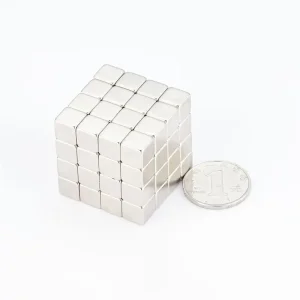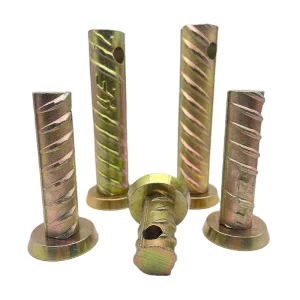
Explore our primary high-grade magnets and assemblies engineered for extreme holding force and mechanical stability.
A deep metallurgical and magnetic analysis of NdFeB, SmCo, and specialized industrial magnetic fixtures.
Modern manufacturing requires magnetic solutions designed to handle demanding physical constraints. In permanent magnets, selecting the correct chemical composition dictates thermal and mechanical performance. Neodymium-Iron-Boron (NdFeB) represents the pinnacle of magnet performance, offering the highest maximum energy product $(BH)_{max}$ available commercially, often exceeding 52 MGOe.
However, high-temperature operations degrade standard NdFeB grades due to thermal demagnetization. To mitigate this risk, factories alloy dysprosium (Dy) and terbium (Tb) into the NdFeB crystal lattice. These heavy rare earth elements increase the material's intrinsic coercivity ($H_{cj}$), enabling grades like N35SH, N38H, and N42H to maintain mechanical stability and operational reliability at temperatures ranging from 120°C up to 150°C.
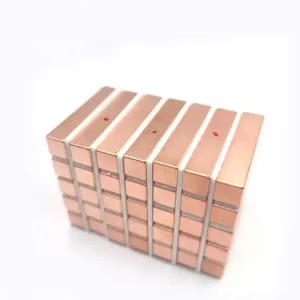
For applications that exceed these temperatures, such as aerospace and advanced sensors, Samarium-Cobalt (SmCo) magnets are preferred. SmCo blocks offer superior temperature coefficients, remaining stable up to 350°C, and provide excellent resistance to oxidation without additional protective coatings.
The next decade of industrial magnet manufacturing is centered around raw material efficiency, precision sizing, and automated assembly techniques. High-speed BLDC (Brushless DC) motors require balanced stator and rotor setups. Our engineering roadmap prioritizes Finite Element Analysis (FEA) to simulate magnetic flux lines and avoid flux leakage.
We are also developing new low-dysprosium magnet alloys. By utilizing grain boundary diffusion (GBD) technology, we can apply dysprosium exclusively to the outer edges of the NdFeB grains. This method improves temperature stability while reducing the usage of scarce heavy rare earths, lowering production costs for our global customers.
Industrial magnets are essential to the growth of prefabricated civil engineering. Precast concrete production utilizes shuttering magnets and magnetic fixing inserts to secure formwork without drilling into steel casting tables. This technique protects expensive machinery and streamlines production cycles.
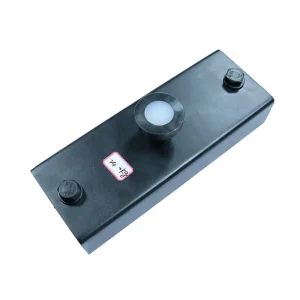
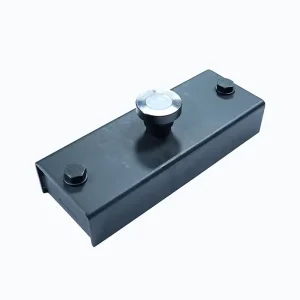
For example, a shuttering magnet assembly with a pulling force of 4600 lbs (2100 kg) or 5300 lbs (2400 kg) uses a specialized steel housing to direct magnetic flux. When engaged via the mechanical push button, the internal NdFeB block contacts the steel table, completing a closed magnetic circuit. This design produces a strong downward force while remaining easy to release with a lever.
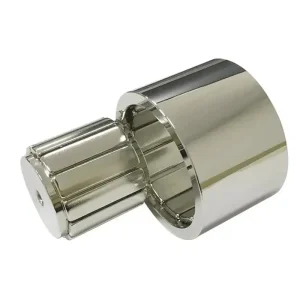
Simultaneously, customized stepping motor magnets are engineered for clean stator-rotor alignment. Tight tolerances are critical here to prevent cogging torque and power loss, ensuring efficient performance in automated automotive steering, robotics, and industrial positioning systems.
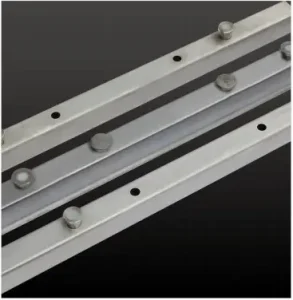
QCM Magnet delivers integrated magnetic fixing solutions tailored for precast concrete component production. Our core portfolio spans shuttering magnets, formwork assemblies, magnetic chamfering strips, and customized pre-embedded insert magnets.
By replacing mechanical anchors with magnetic fixtures, companies can protect casting platforms, improve setup efficiency, and lower overall production costs. Our engineering team designs products for durability, ease of operation, and long service life. We also offer customization options to help you solve challenging design requirements.
Our manufacturing facility combines automation with strict quality controls to deliver consistent performance at scale. As a primary manufacturer of permanent magnets, we manage the entire production process from raw material sintering to packaging.
Through our partnership with domestic mining networks, we maintain a stable supply of neodymium, dysprosium, and cobalt. Our automated sintering furnaces, multi-wire slicing machines, and electroplating lines ensure high precision and anti-corrosive coatings like Ni-Cu-Ni or epoxy. This integration allows us to protect customers from market volatility and deliver orders on time.
Strict Quality Checks from raw materials to final pull-force testing.
FEA magnet designs and custom housings tailored for your applications.
Our logistical network and bulk material sourcing allow us to offer competitive pricing, helping global partners optimize their procurement budgets.
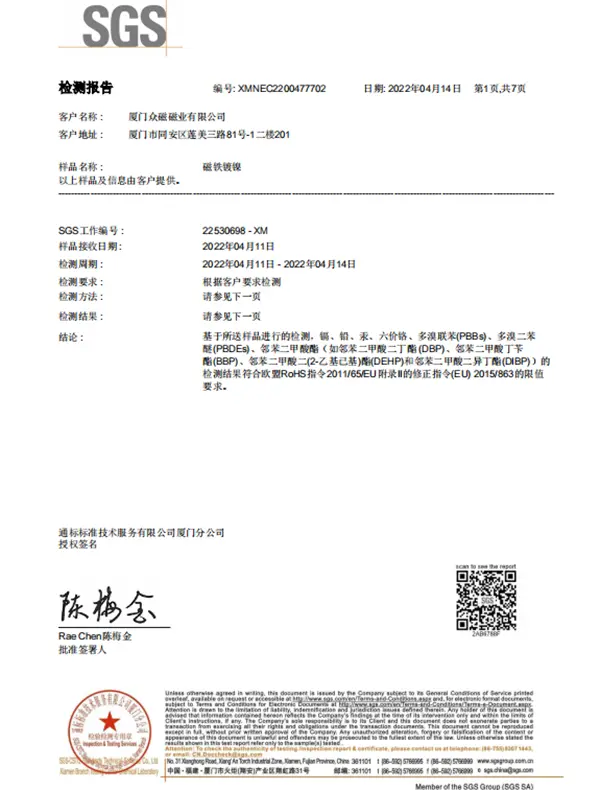
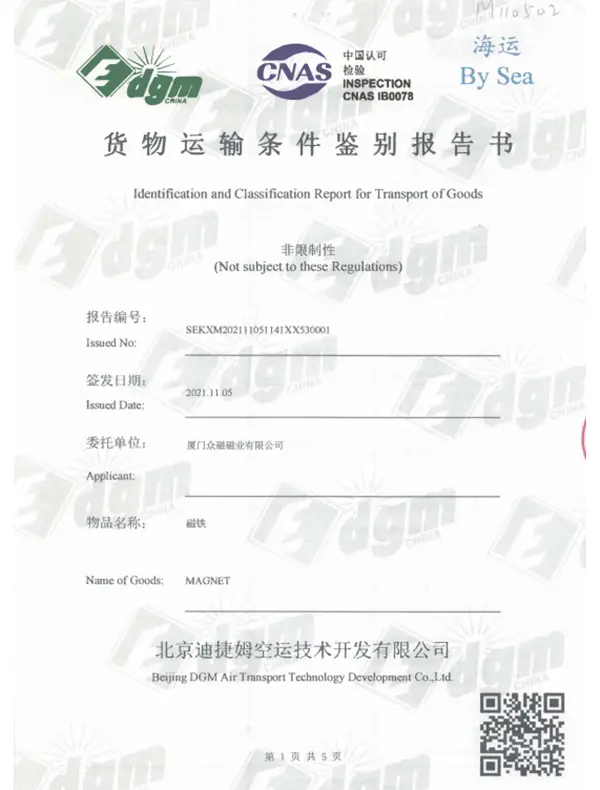
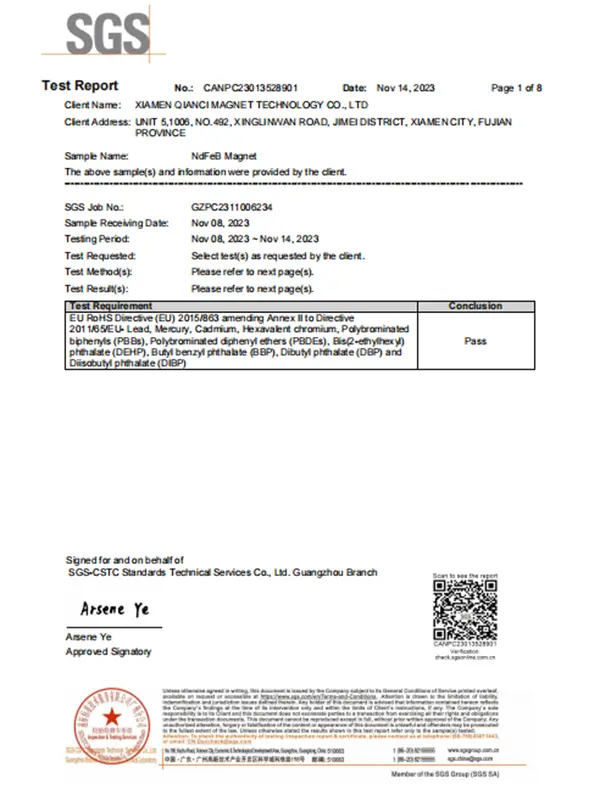
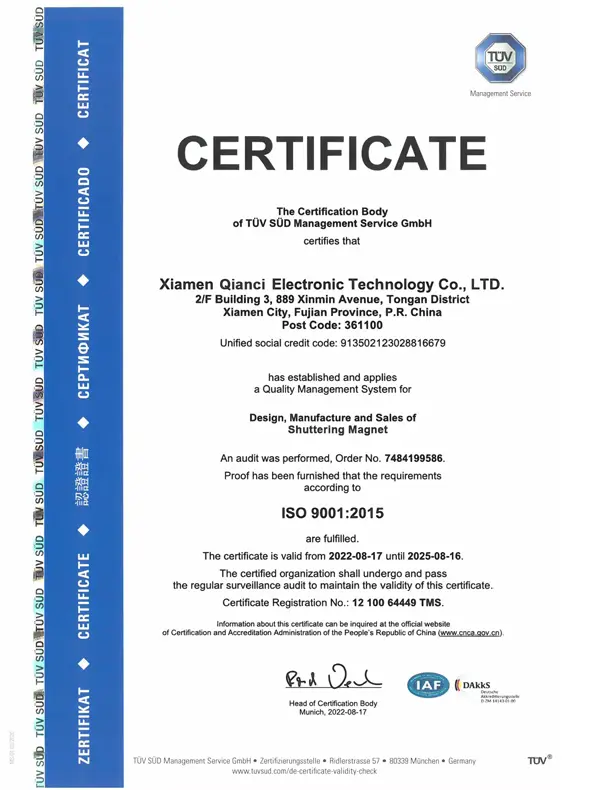
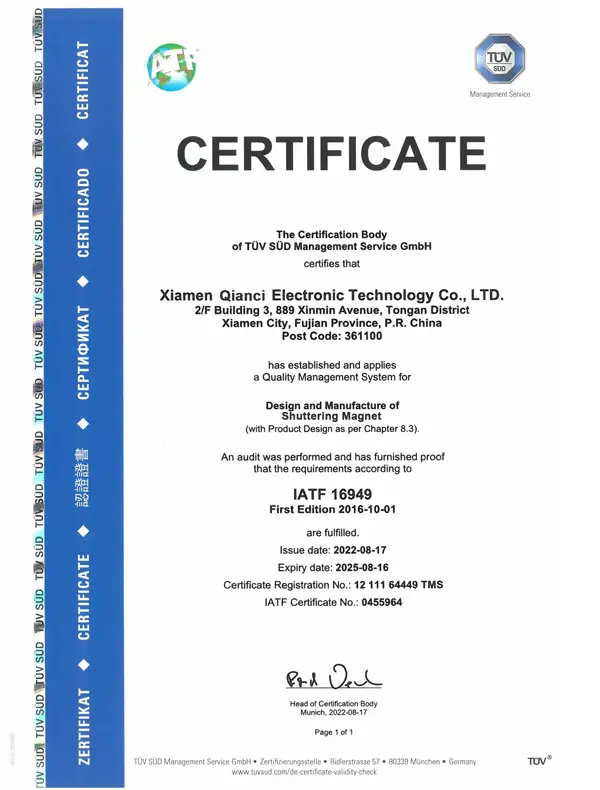
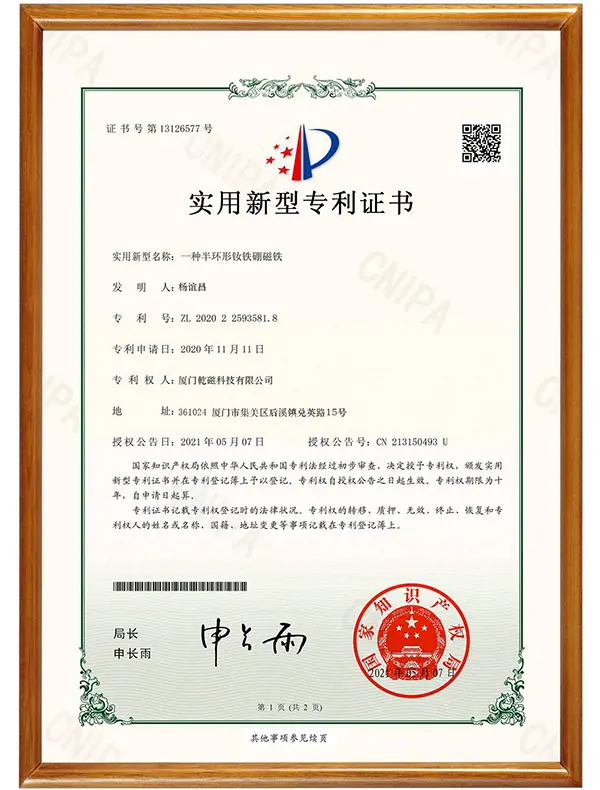
We maintain strict quality control standards to deliver reliable magnetic performance for industrial applications.
Stay updated on development updates, industry innovations, and trade show highlights.
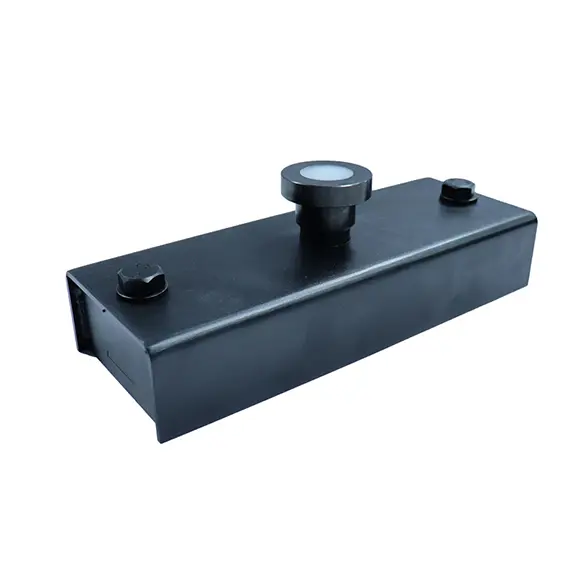
In precast concrete production, shuttering magnets are used to secure side formwork to flat casting tables using magnetic force. Formwork systems, conversely, integrate the structural profile directly with the magnet, optimizing setup times for standardized wall panels.

QCM will exhibit its latest magnetic fixtures at UK Construction Week 2025 from May 7th to 9th. We will demonstrate how our new shuttering assemblies reduce setup times and support automation in modern modular construction.
Answers to technical and engineering questions regarding permanent magnets and precast concrete magnetic assemblies.
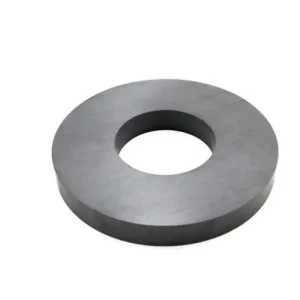
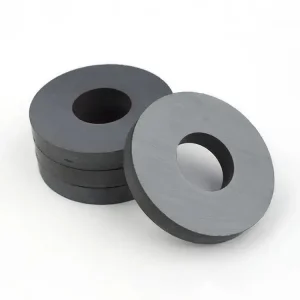
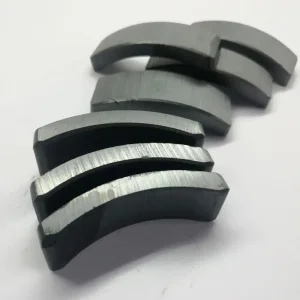
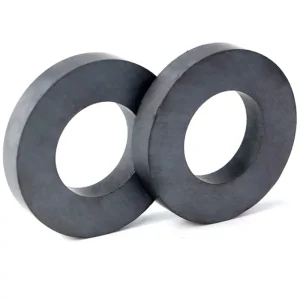
Explore our specialized permanent magnets, ceramic ferrite blocks, and heavy-duty precast accessories.