The Evolution of Precast Concrete Edge Forming: From Mechanics to Magnetics
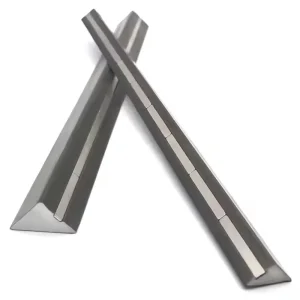
In the competitive landscape of Precast Concrete manufacturing, the marginal gains in efficiency often dictate the profitability of large-scale infrastructure projects. Traditionally, creating beveled edges on concrete columns, beams, and walls required labor-intensive nailing or screwing of wood or plastic chamfers. Today, the Magnetic Concrete Chamfer has emerged as the definitive industrial standard, offering a non-destructive, high-precision alternative that leverages the power of Neodymium (NdFeB) and Ferrite magnetic circuits.
1. Material Science & Technical Route
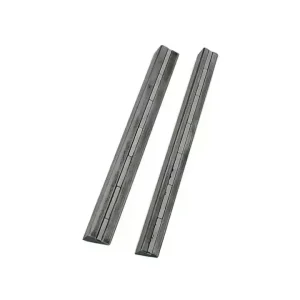
Choosing the right chamfer involves understanding the interplay between material durability and magnetic flux density. At QCM Magnet, we offer three primary technical routes:
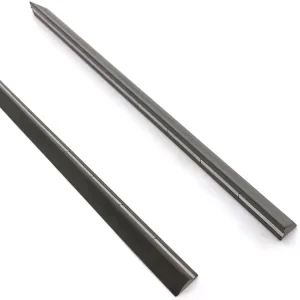
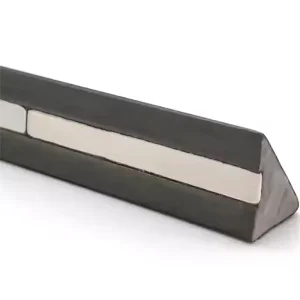
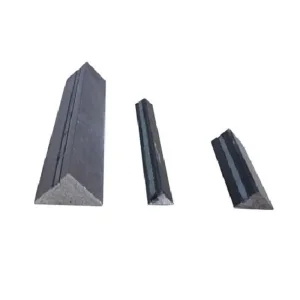
- Steel Magnetic Chamfer: Engineered for maximum durability. Utilizing cold-rolled steel housing, these chamfers withstand extreme vibration and steam curing processes common in bridge girder production.
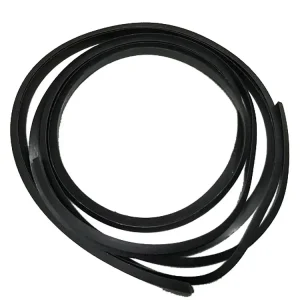
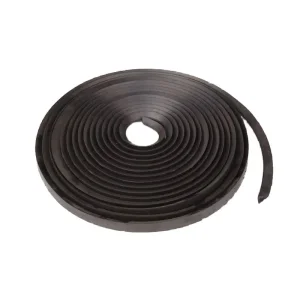
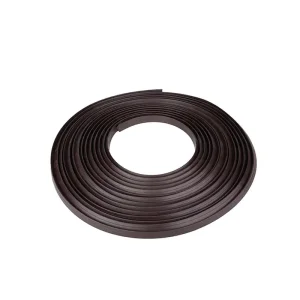
- Rubber/Urethane Magnetic Chamfer: The hybrid solution. The flexibility of rubber allows for slight table imperfections, providing a perfect seal that prevents concrete grout leakage.
- PVC Magnetic Chamfer: A lightweight, cost-effective solution for short-run residential projects where ease of handling is paramount.
Pulling Force (kg)
Reuse Cycles
Tolerance Precision
Labor Cost Reduction
2. Global Commercial & Industrial Status
The global demand for Magnetic Chamfer Strips is surging, driven by the Middle East's Vision 2030 and North America's infrastructure renewal acts. Manufacturers are now categorized by their ability to provide "Information Gain"—not just selling a product, but providing technical consultations on magnetic circuit optimization. As a leading manufacturer, QCM maintains a robust supply chain, ensuring that even during rare-earth market volatility, our N45 and N52 grade magnets remain accessible for global industrial applications.