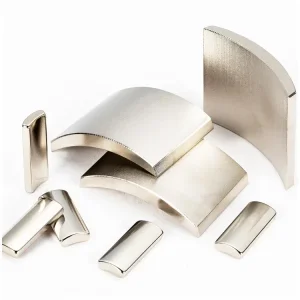
How to Enhance Motor Performance by Optimization of Arc Magnet
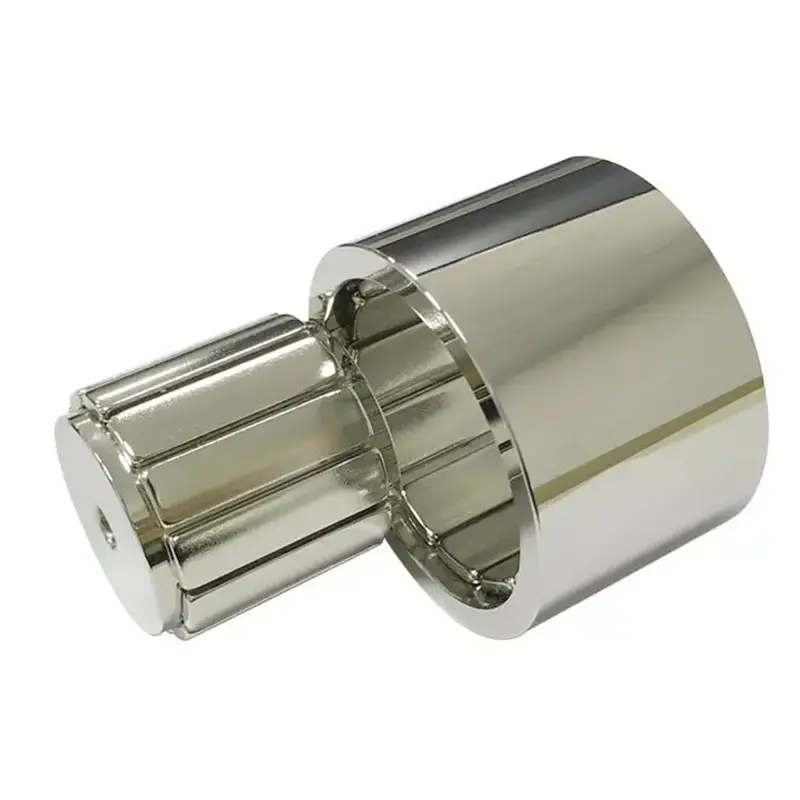
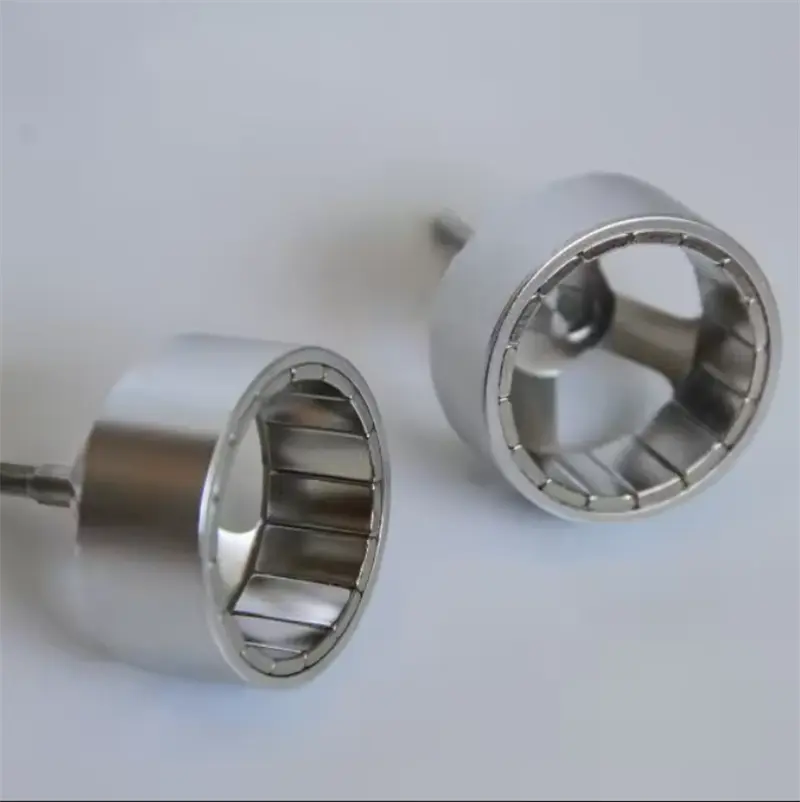
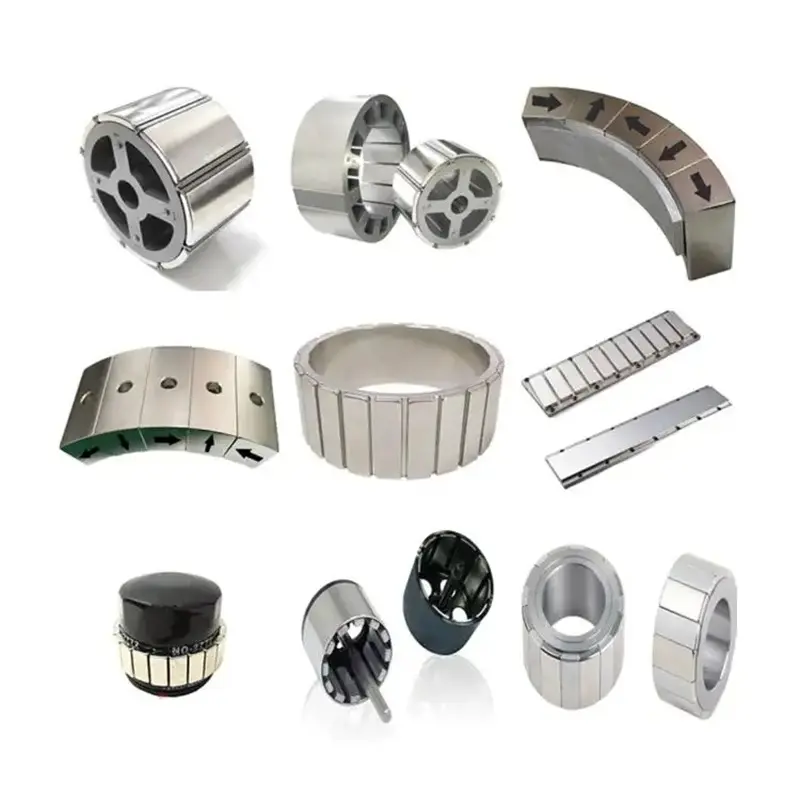
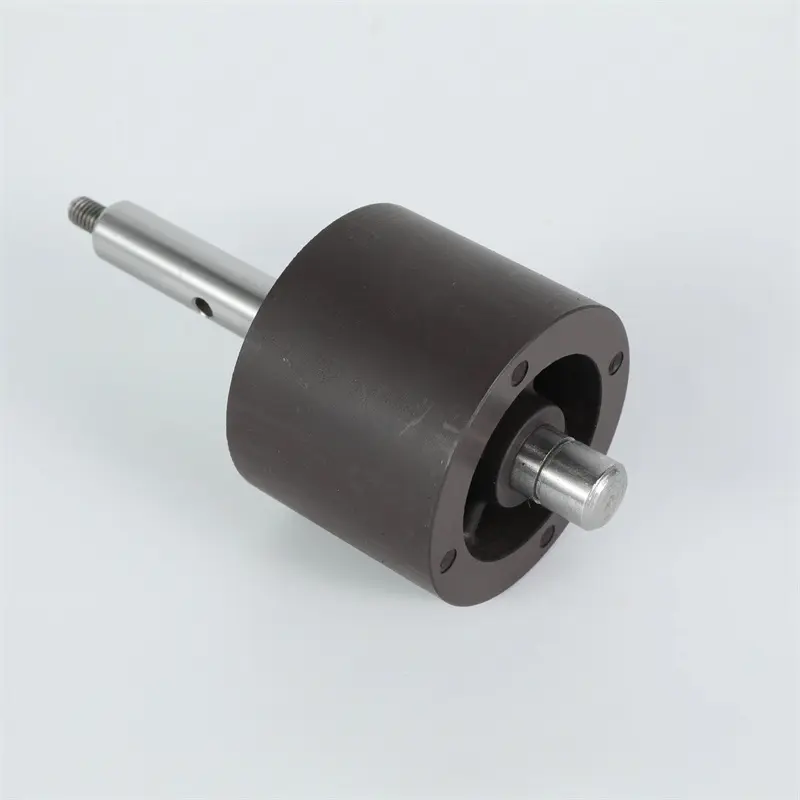
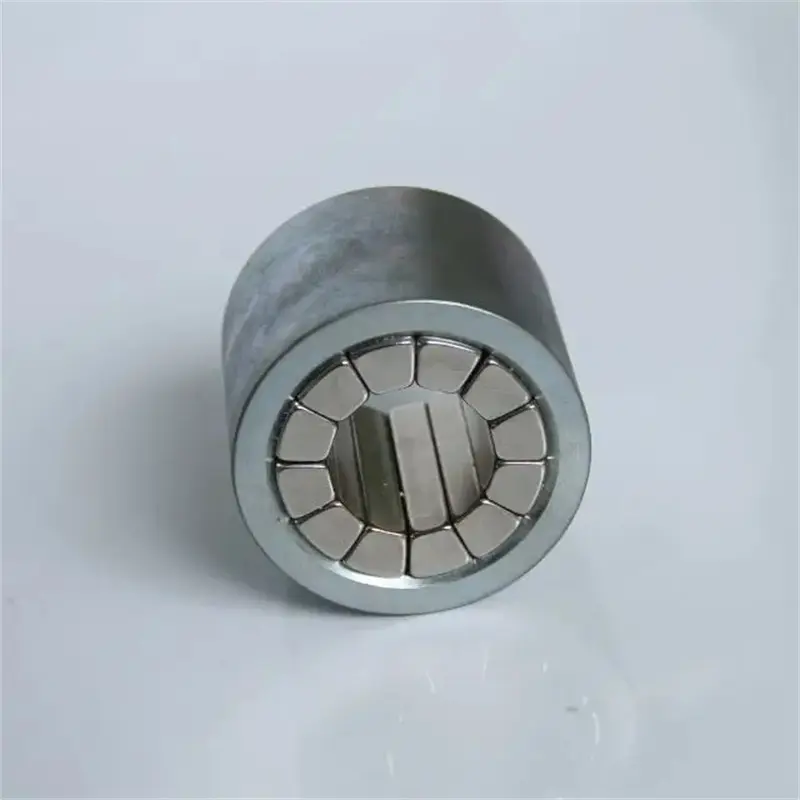
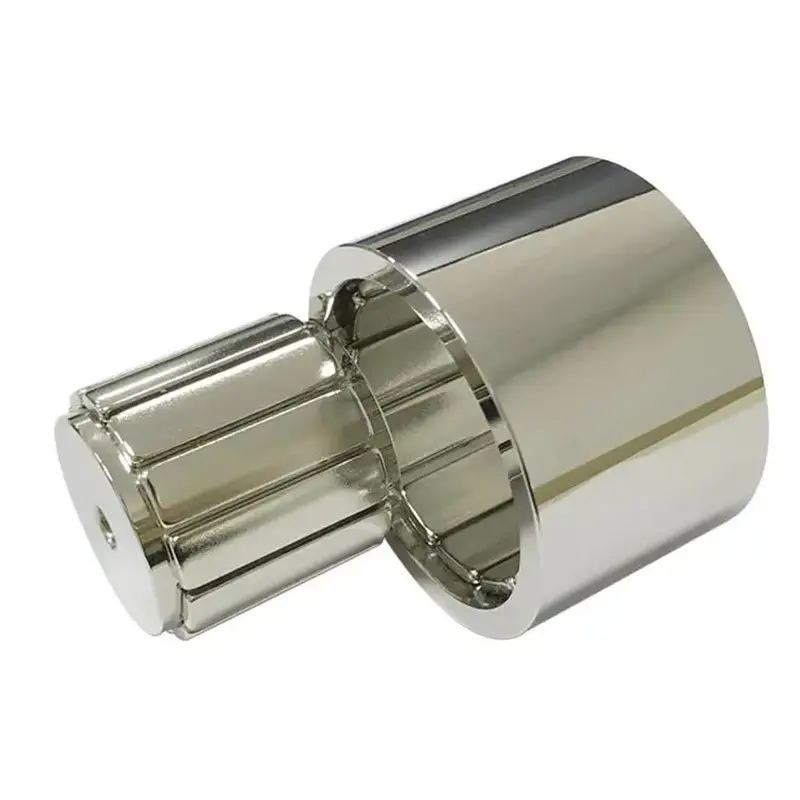
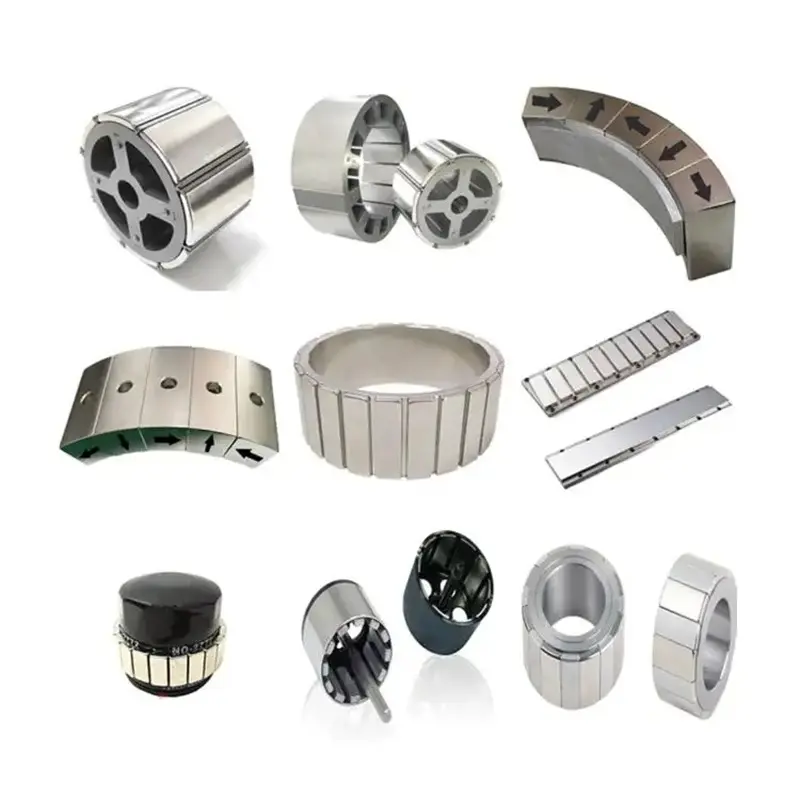
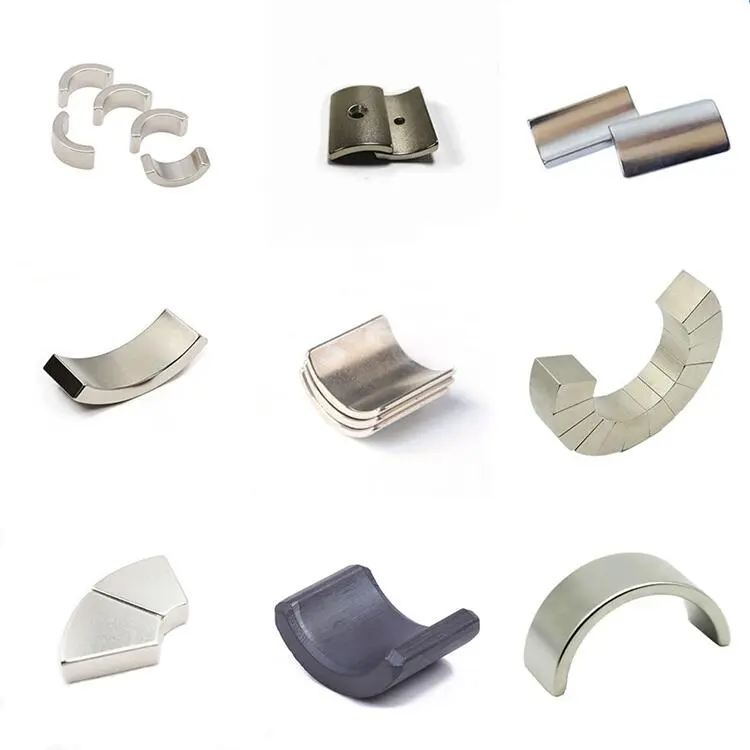
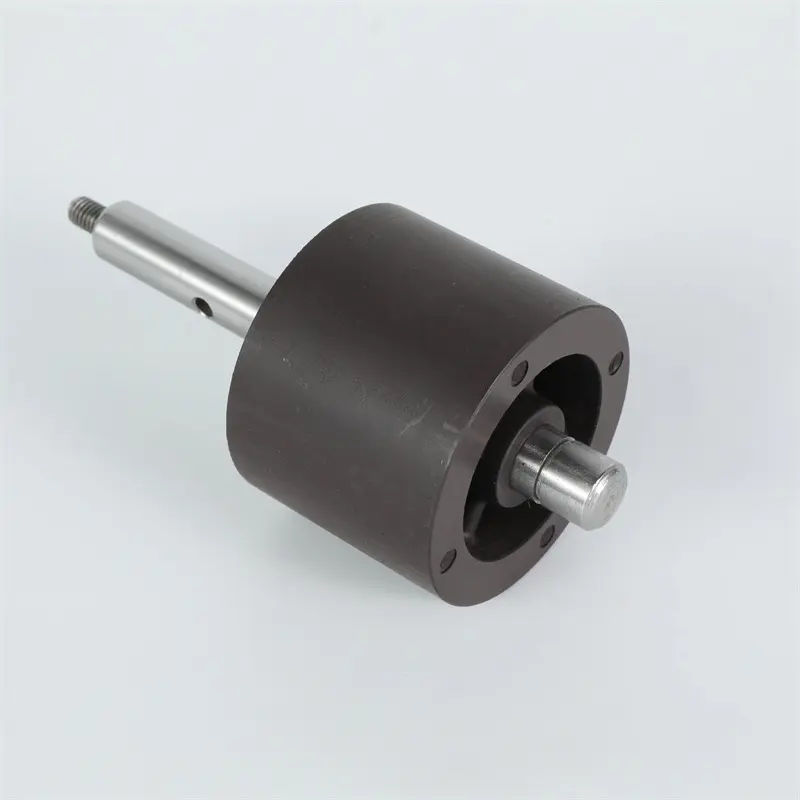
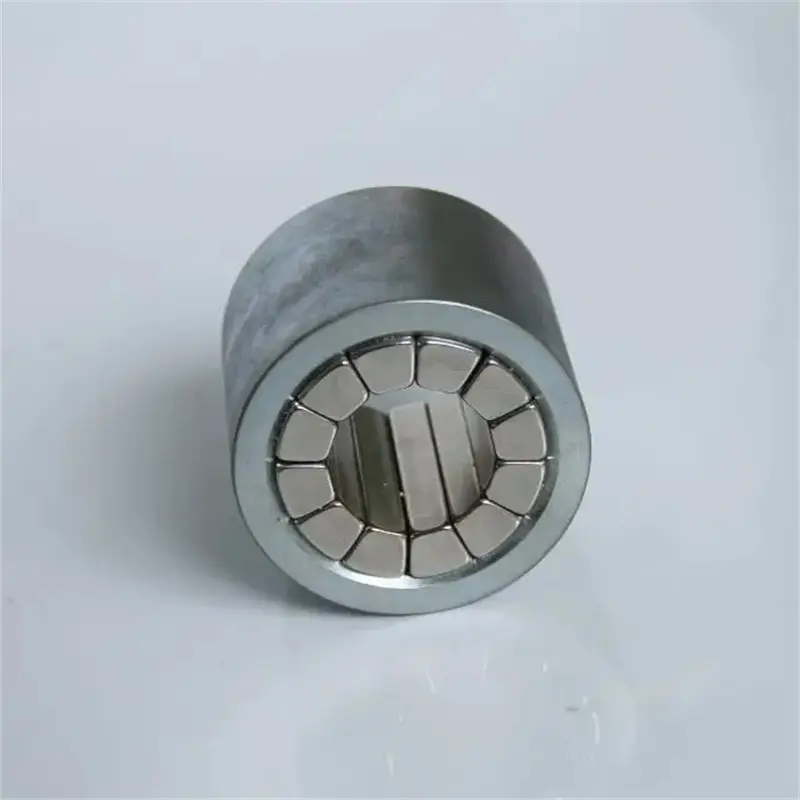
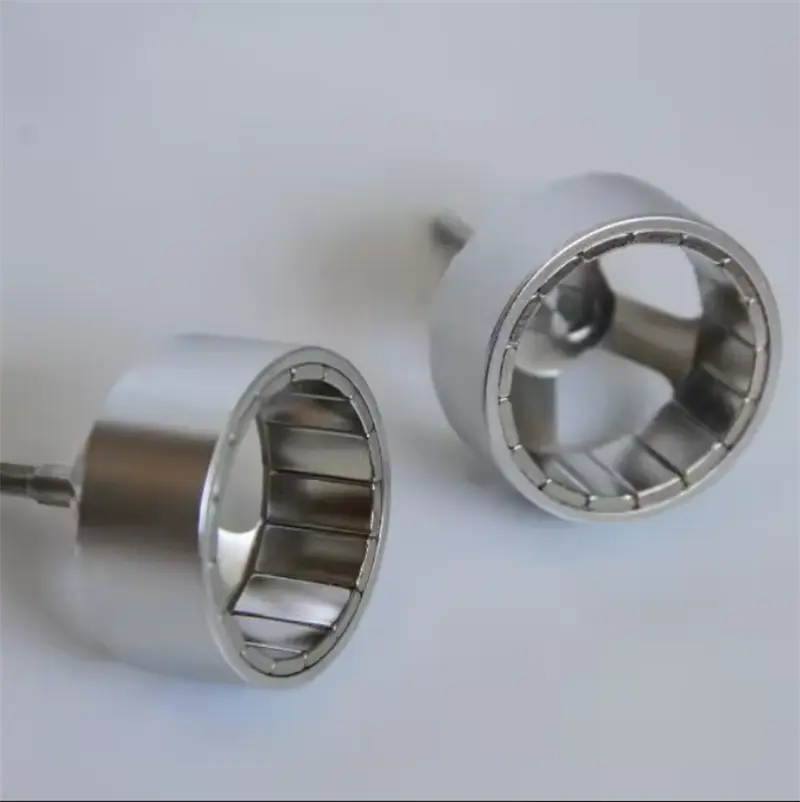
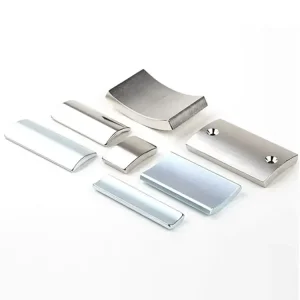
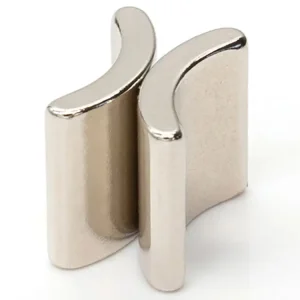
The vast majority of Neodymium arc magnet serve as motor magnet. Besides magnetic performance and surface treatment, both shape and structure of the magnet have significantly impacts on the motor performance. It is a challenge for slotted motor to avoid cogging torque caused by interaction between the magnet and the stator tooth. In order to suppress torque ripple, vibration, and noise generated by cogging torque, curved magnet in either frequently-used radial flux motor or axial flux motor can be modified into the skewed shape. Eddy current is generally leading the temperature rise in the permanent magnet and caused demagnetization. Hence decreased the working efficiency of the motor. Laminated arc magnet which made by bonding several pieced of thin magnet together can dramatically reduce the eddy current loss without replacing the original structure and performance of the motor.
🌡️
Temperature Resistance
Magnet Grade N42, maximum operating temperature is 80°C/176°F. Temperature is the first factor you must consider when choosing a magnet, to ensure you choose the suitable magnet.
🛡️
Premium Coating
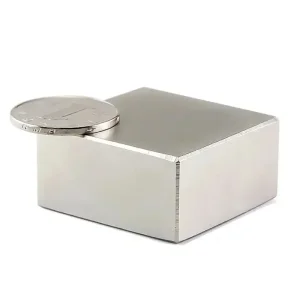
This Ndfeb magnet is protected by a corrosion-resistant nickel-chromium alloy coating, creating a high-quality silver appearance that won't rust or scratch. Nickel-cobalt coating is one of the most popular surface treatments for Ndfeb magnets. Other available coatings include nickel copper nickel, epoxy resin, zinc, gold, and more.
Magnetization Direction
The magnet will display or release some of its conserved energy when pulling towards or attaching to something then conserve or store the energy that the user exerts when pulling it off. Every magnet has a north seeking and a south seeking face on opposite ends. The north face of one magnet will always be attracted towards the south face of another magnet.
Common directions of magnetization:
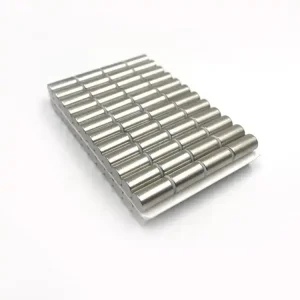
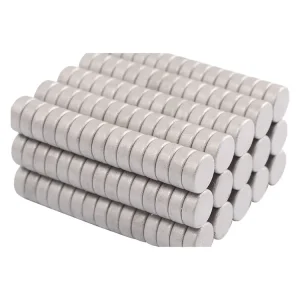
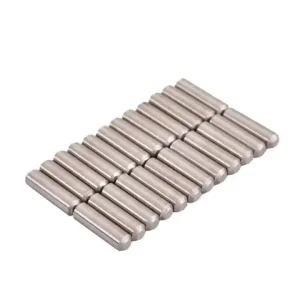
- Disc, cylinder and Ring shape magnet can be magnetized Axially or Diametrically.
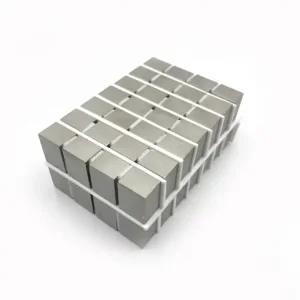
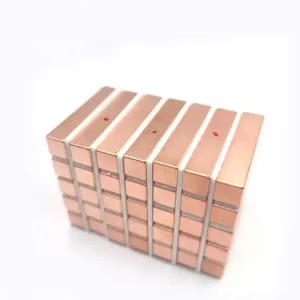
- Rectangle shape magnets can be magnetized through Thickness, Length or Width.
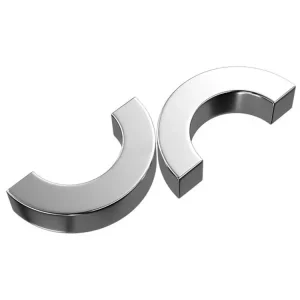
- Arc shape magnets can be magnetized Diametrically, through Width or Thickness.
Why is the optimization of arc magnets important for motor performance?
The shape and structure of arc magnets directly impact cogging torque, vibration, and noise. Proper optimization helps suppress torque ripple and improves overall efficiency.
How do laminated arc magnets reduce energy loss?
Laminated magnets are made by bonding thin magnet pieces together, which dramatically reduces eddy current loss and prevents heat-related demagnetization.
What is the maximum temperature for N42 grade magnets?
Grade N42 magnets are designed to operate at a maximum temperature of 80°C (176°F). Exceeding this can affect magnetic performance.
What are the recommended coatings for Neodymium magnets?
Common options include Nickel-Chromium alloy, Nickel-Copper-Nickel, epoxy resin, zinc, and gold to provide essential corrosion and scratch resistance.
In which directions can an arc magnet be magnetized?
Arc magnets can be magnetized in three primary ways: diametrically, through the width, or through the thickness, depending on the application requirements.
How is cogging torque suppressed in radial flux motors?
Cogging torque can be suppressed by modifying curved magnets into a skewed shape, which minimizes the interaction between the magnet and the stator tooth.