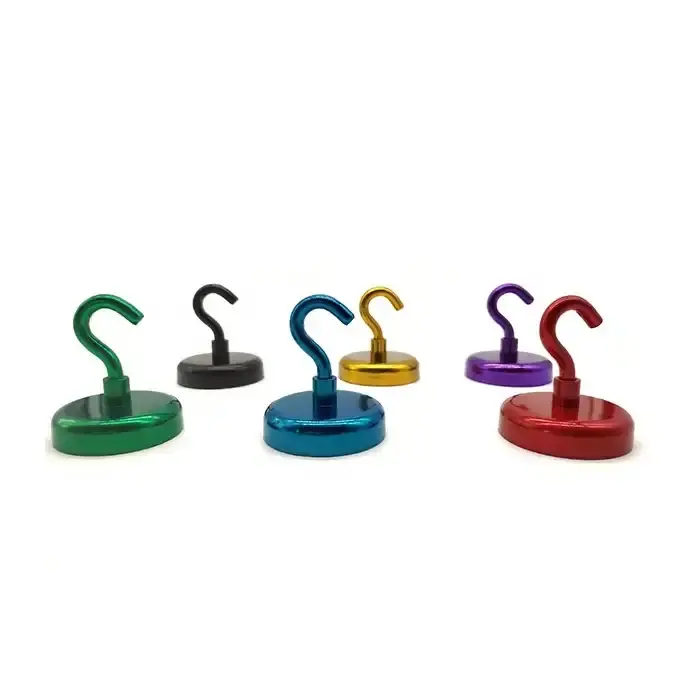




China Permanent Rare Earth Neodymium Magnet Strong Pot Disc Magnet with Countersunk Hole Factory, Exporters

This article focuses on neodymium magnets. It explains why they need plating due to oxidation, brittleness, and harsh - environment concerns. It also details the common Ni - Cu - Ni plating, magnetic field principles, and the basic properties of magnets like energy conservation and polarity attraction.

Product Description

Oxidization (Rust)
NdFeB magnets will oxidize (rust) if left exposed. When a plating wears down or cracks, the exposed area will oxidize. An oxidized area will not result in complete degradation of the magnet, only the oxidized area will lose its strength. However, the magnet will lose some structural integrity and become more susceptible to breakage.
Durability
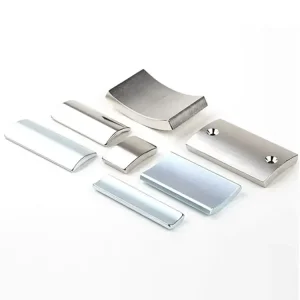
Depending on shape, permanent magnet substrate is brittle. A multilayered metal plating like nickel or zinc improves the magnets resistance to chipping and wear, particularly around corners.
Harsh Environments

Platings vary in their tolerance of different harsh chemicals and abrasion. Salt and humidity in regions near the ocean are commonly overlooked when selecting a plating. Be sure to consider the magnets environment when selecting a plating.

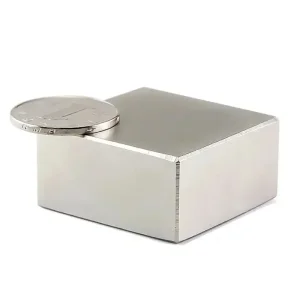
The most common type of plating for neodymium magnets, Nickel (Ni-Cu-Ni), is intended for indoor use. It has proven to be very resilient when subjected to normal wear and tear. However it will corrode outdoors in prolonged exposure to salt water, salty air, or harsh chemicals.

Magnetic Field & Energy

A Magnetic field is an invisible flux moving from one end of the magnet to the other. The flux consists of moving or spinning electrically charged particles invisible to the eye. If the max working temperature meets the requirement, permanent magnets can retain the magnetic field for a very long time, even forever.

Magnets have potential energy which means that they have the ability to conserve energy. The magnet will display or release some of its conserved energy when pulling towards or attaching to something, then conserve or store the energy that the user exerts when pulling it off.

Every magnet has a north seeking and a south seeking face on opposite ends. The north face of one magnet will always be attracted towards the south face of another magnet.


Frequently Asked Questions
What happens if my neodymium magnet starts to rust?
When the plating is damaged and the NdFeB material is exposed, it will oxidize. While only the oxidized area loses magnetic strength, the overall structural integrity of the magnet is weakened, making it more likely to break.
Is Nickel (Ni-Cu-Ni) plating suitable for outdoor use?
Nickel plating is primarily designed for indoor use. While durable for normal wear, it will eventually corrode if exposed to salt water, salty air, or harsh outdoor chemicals for extended periods.
How does plating affect the durability of a magnet?
Since the raw magnet substrate is brittle, multilayered plating like nickel or zinc acts as a protective shield, significantly improving resistance to chipping and wear, especially on the corners.
Can a permanent magnet lose its magnetic field?
If the magnet is kept within its specified maximum working temperature requirements, it can retain its magnetic field for a very long time, potentially forever.
How do the North and South poles of magnets interact?
Every magnet has a north-seeking and a south-seeking face. The north face of one magnet is always attracted to the south face of another, following the fundamental principles of magnetic flux.
Do magnets consume energy when they pull objects?
Magnets operate on potential energy. They release conserved energy when pulling toward an object and store energy when a user exerts force to pull them away, effectively conserving energy over time.

Related Products