1 / 5

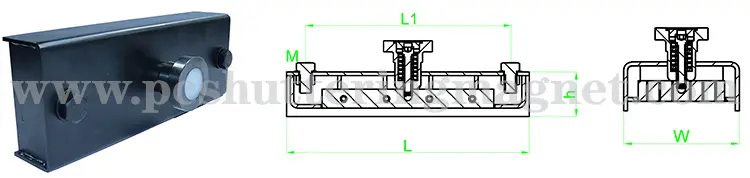
| Model | L(mm) | L1(mm) | W(mm) | h(mm) | M | Breakaway(kg) |
|---|---|---|---|---|---|---|
| QCM-450 | 170 | 135 | 60 | 43 | M12*30 | 450 |
| QCM-600 | 170 | 142 | 60 | 43 | M12*30 | 600 |
| QCM-900 | 280 | 244 | 60 | 43 | M12*30 | 900 |
| QCM-1600 | 290 | 240 | 120 | 60 | M16*30 | 1600 |
| QCM-1800 | 320 | 270 | 120 | 60 | M16*30 | 1800 |
| QCM-2100 | 320 | 270 | 120 | 60 | M16*30 | 2100 |
| QCM-2400 | 320 | 270 | 120 | 60 | M16*30 | 2400 |
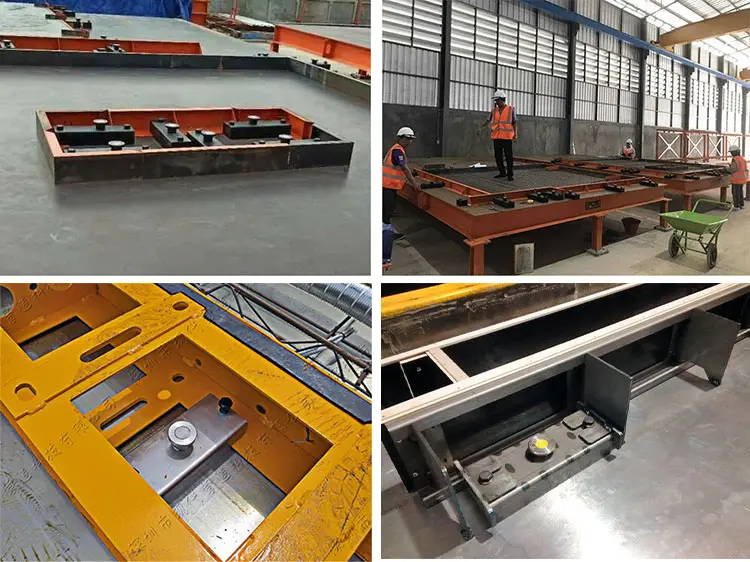
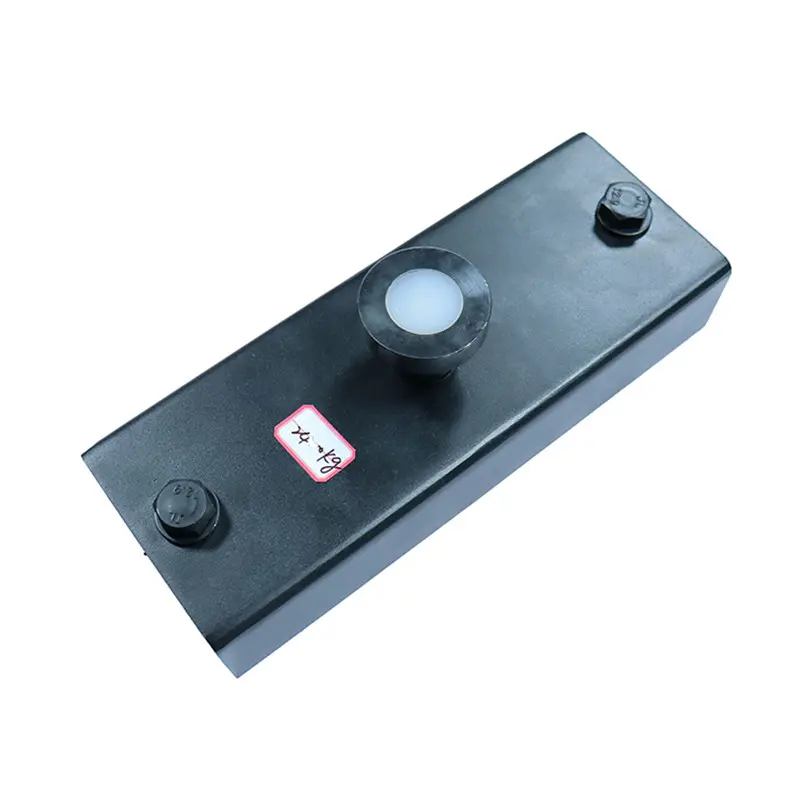
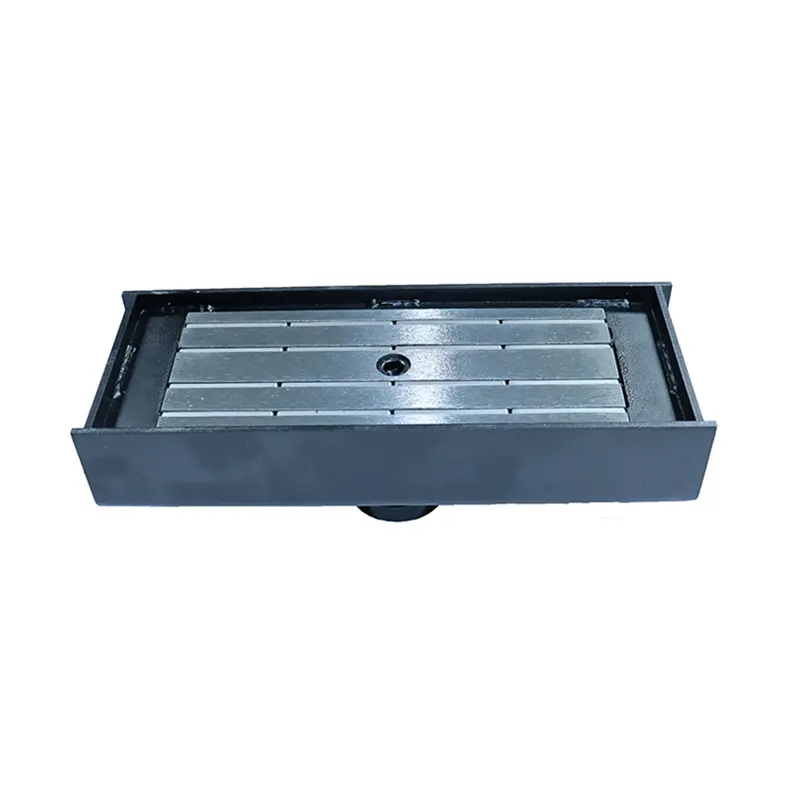
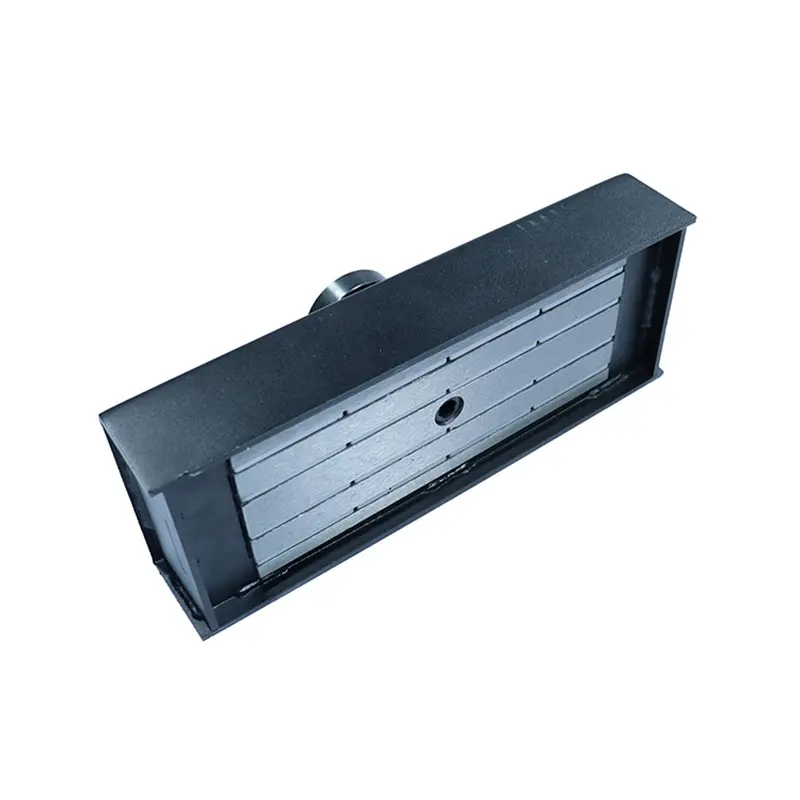
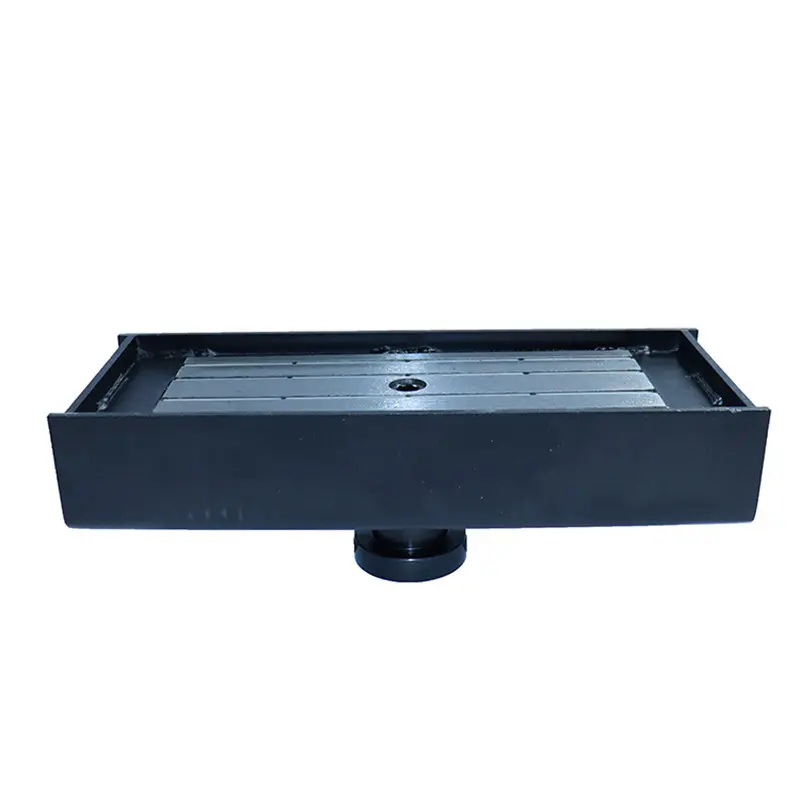
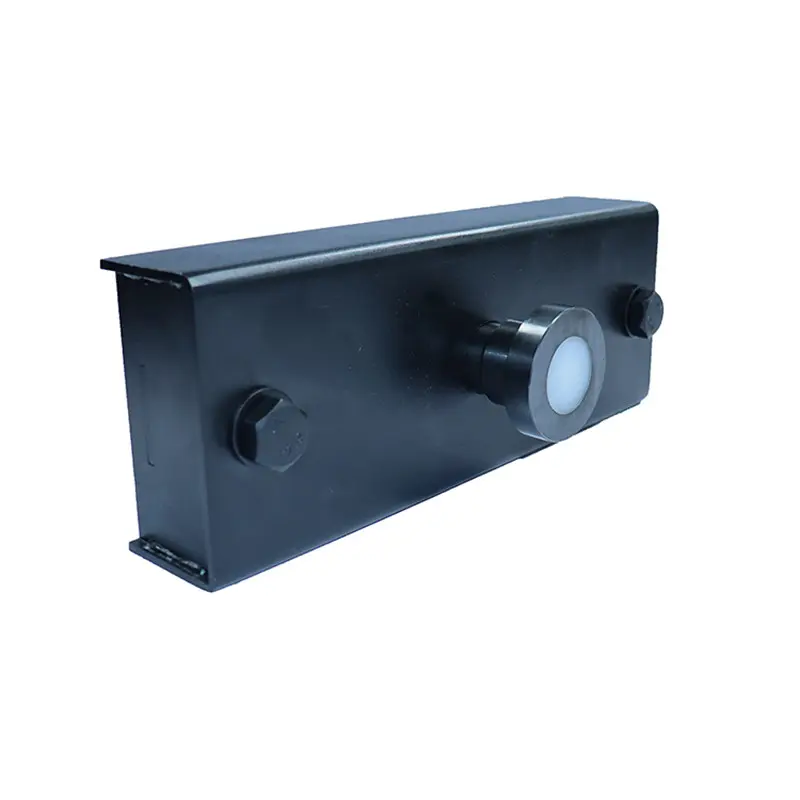
Traditional concrete pouring relies on wooden formwork fastened with nails, which incurs high labor costs and inefficiency. Steel templates improved the process, but welding or screwing remained slow. In contrast, the magnetic box only requires a strike with a wooden hammer or rubber mallet to lock. Its magnetic bottom plate adsorbs onto the pouring bed, firmly securing the side mold.
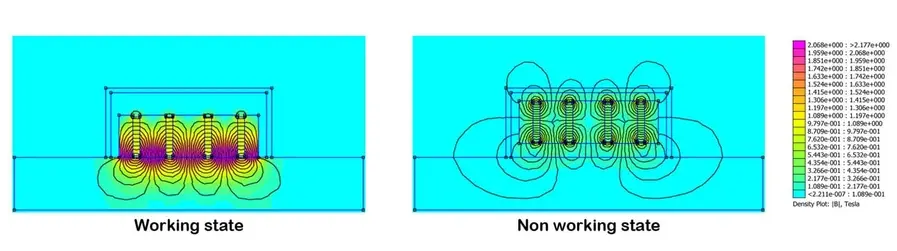
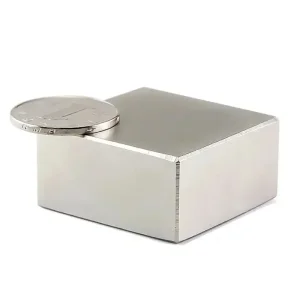
Shuttering magnet: Change of magnetism in active and released states.
Once the concrete has set, workers can lift the locking button with a pry bar, detaching the magnetic box. This process expedites template positioning and enhances overall production efficiency for precast slabs.