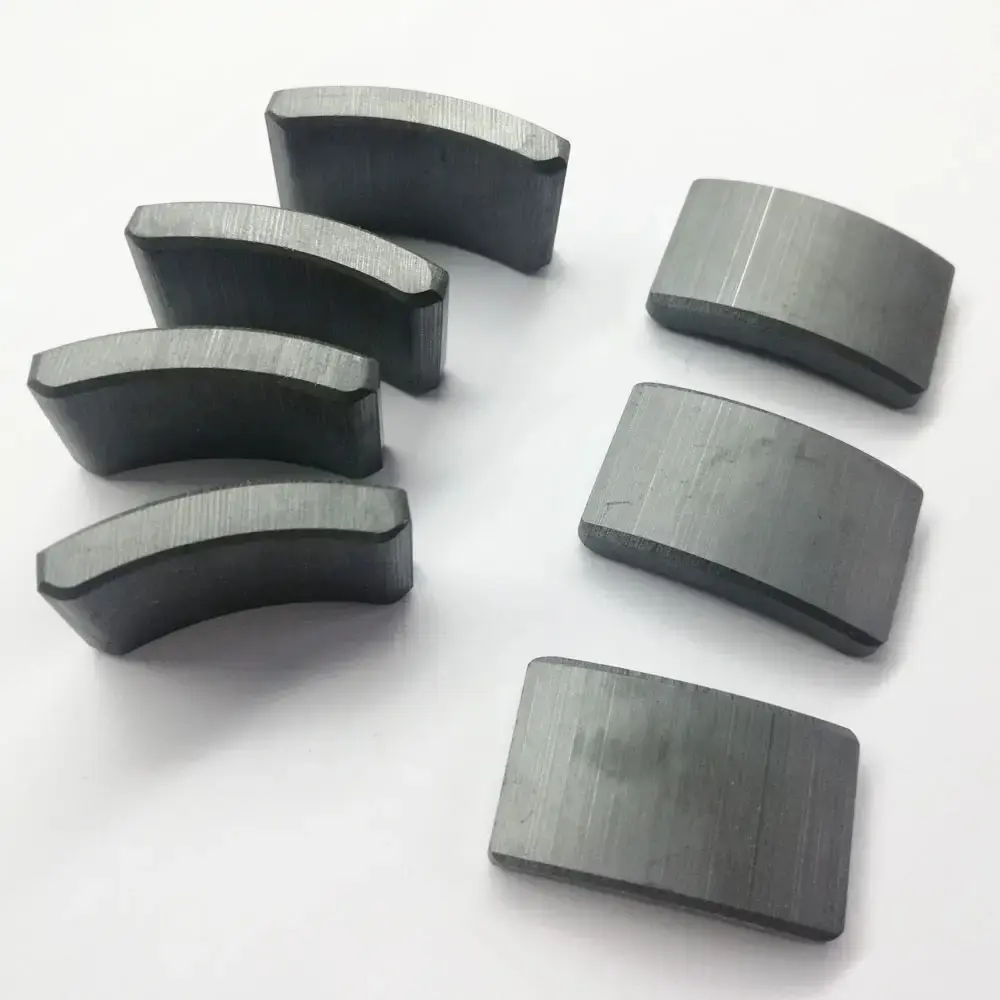

China Anisotropic and Isotropic Ceramic Ferrite Magnets Manufacturer, Company

Features:

A low-cost alternative to other magnetic materials, offers relatively high operating temperatures and good resistance to corrosion & demagnetization. However, it has lower energy levels (Br) and is brittle in nature.

Product Description

Description

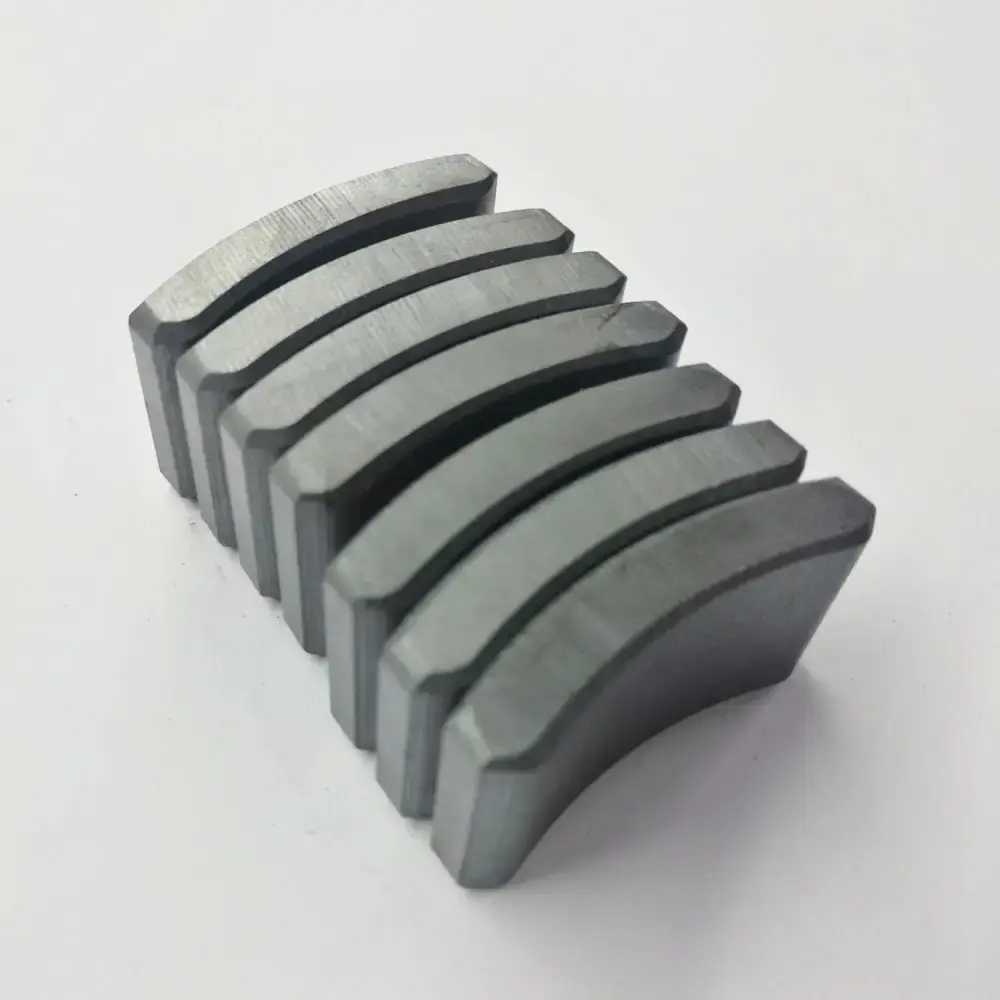
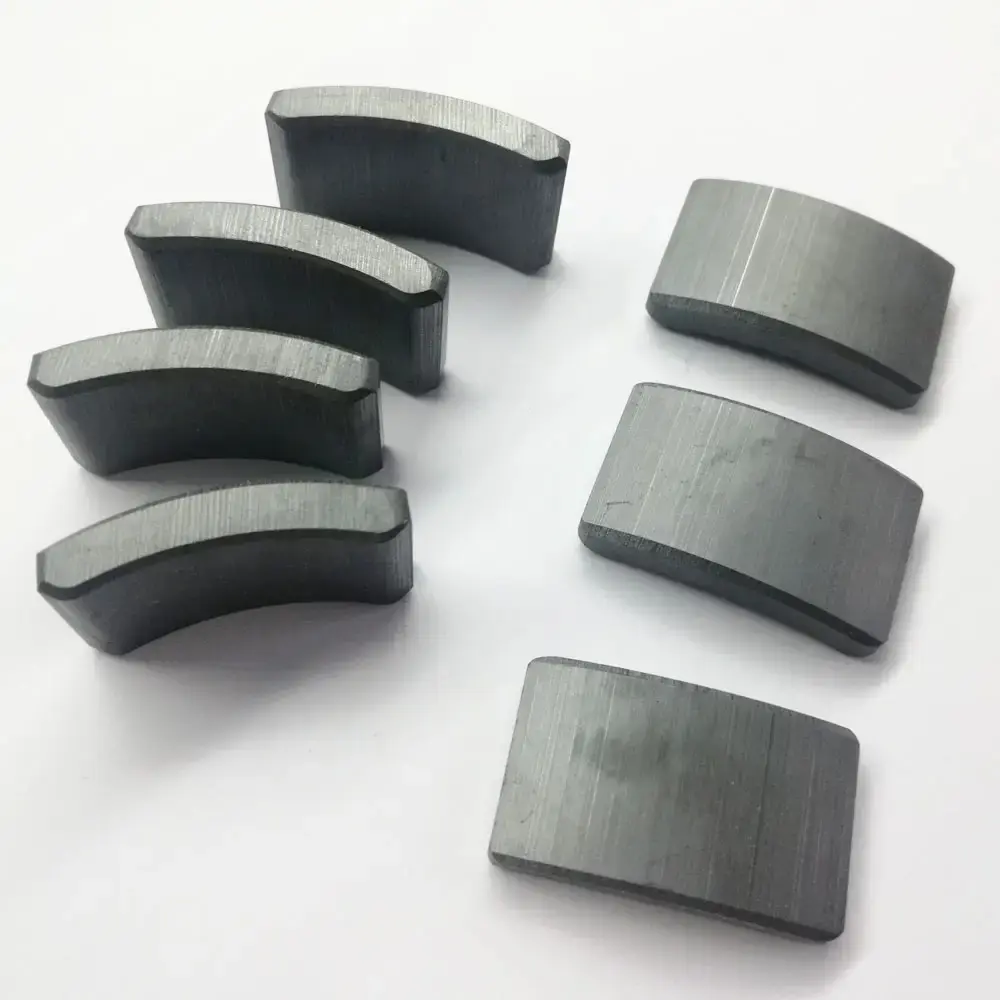
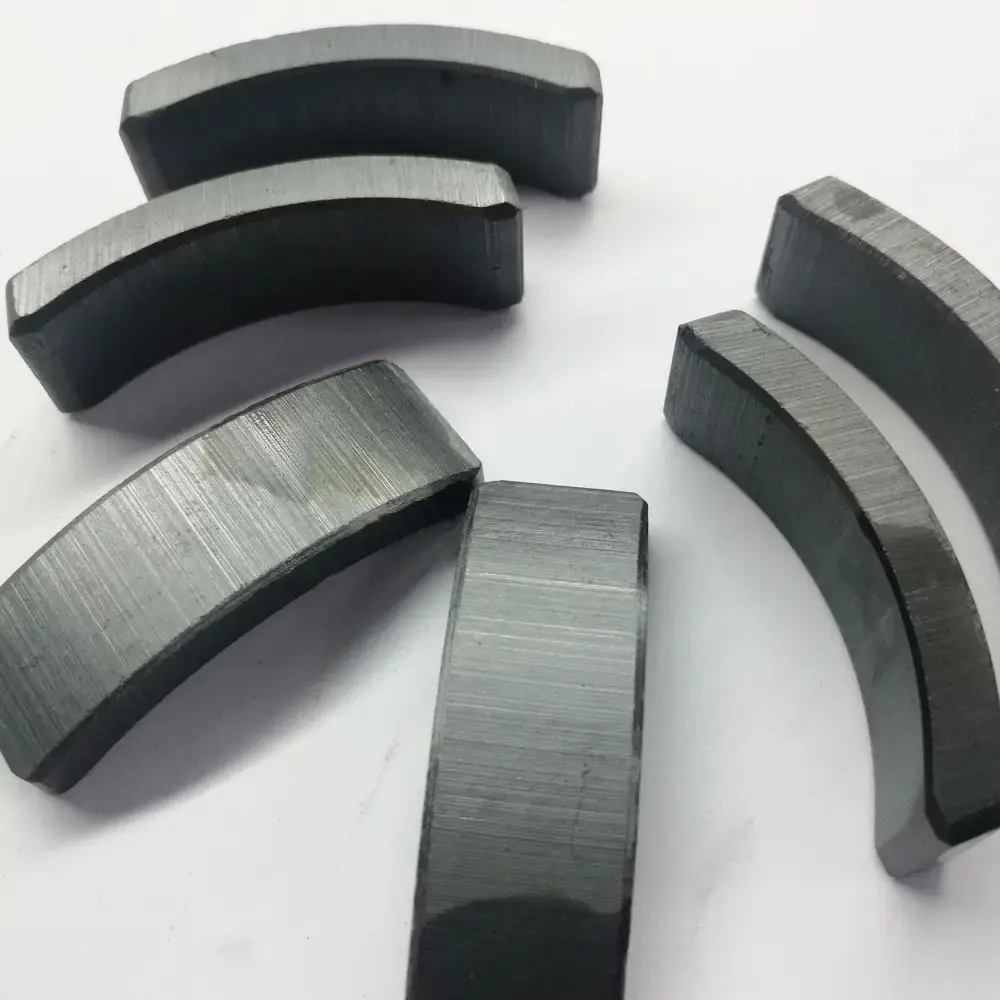
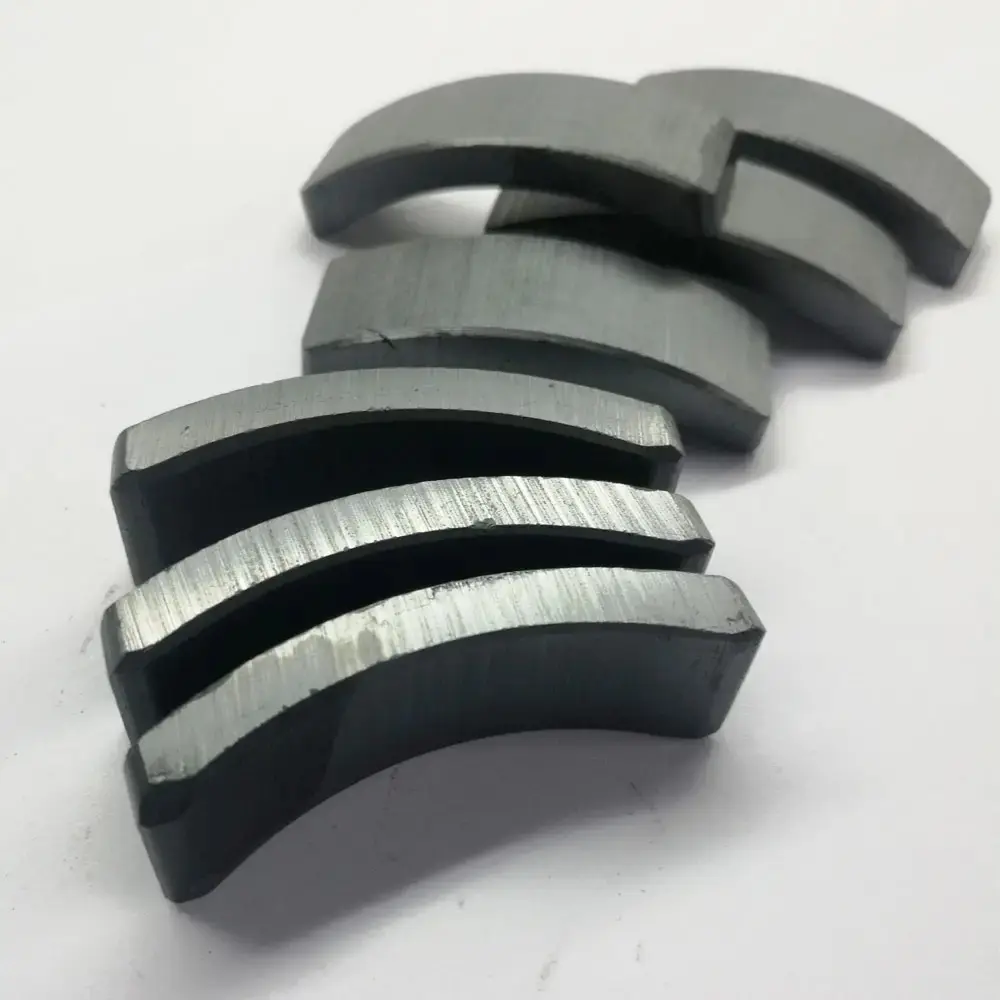
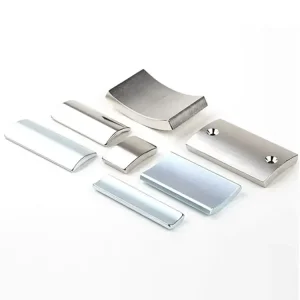
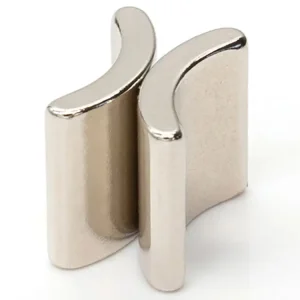
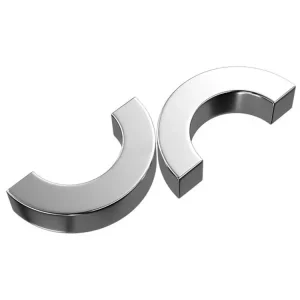
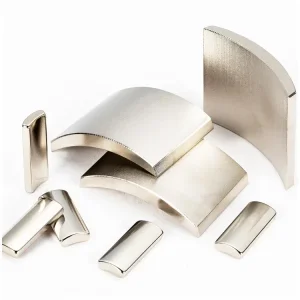
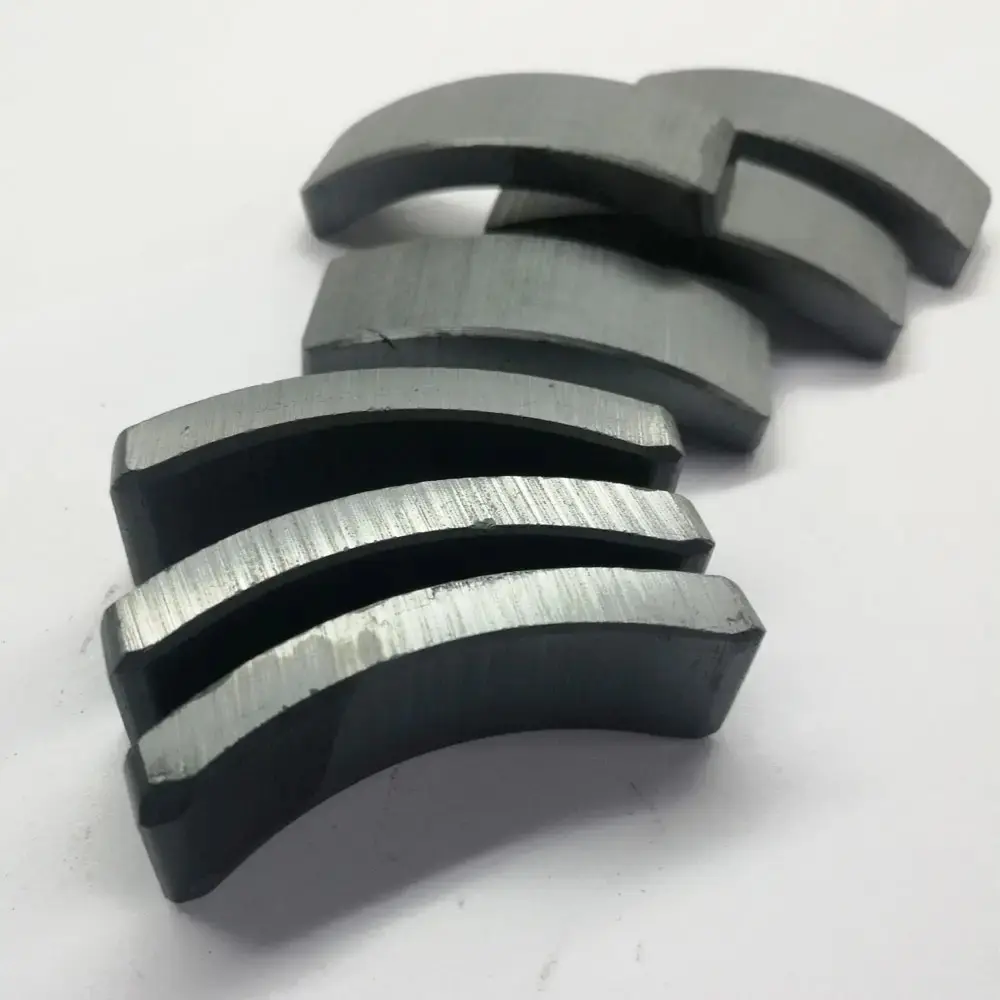
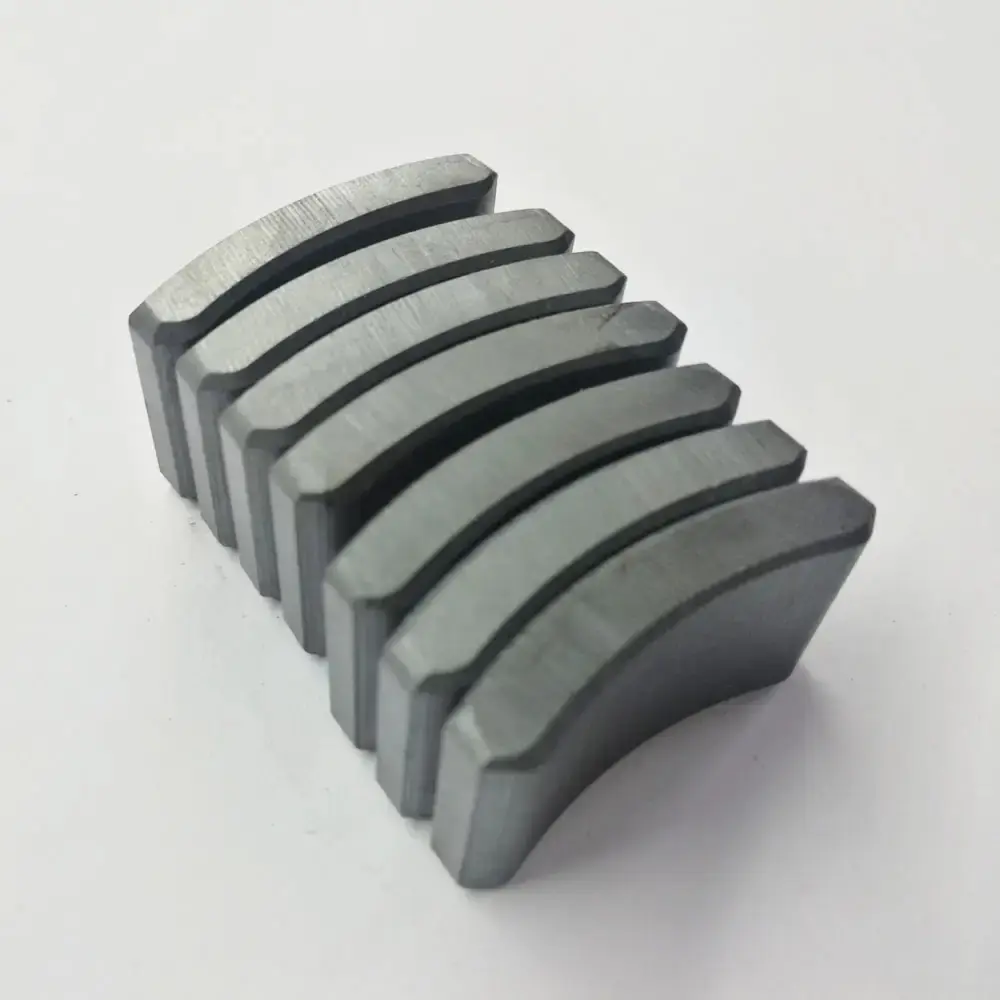
Ferrite Arc Magnet for Motor

Material: SrO or BaO and Fe2O3 by ceramic processing technology.
Grades: Y10T, Y20, Y25, Y30, Y30BH, Y35, C1, C5, C8, C8B, C9, C10, C11, etc.
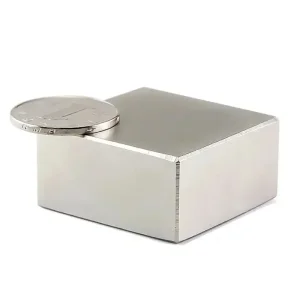
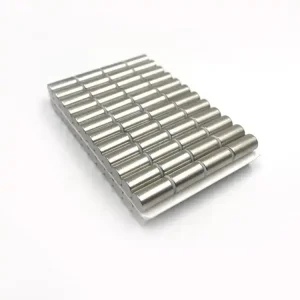
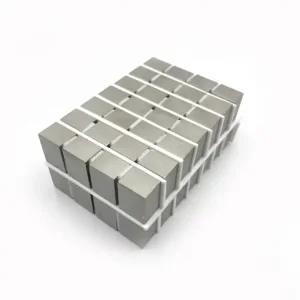
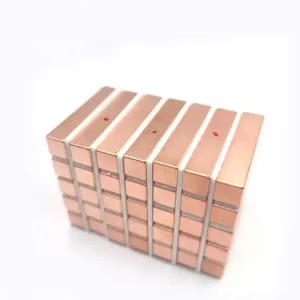
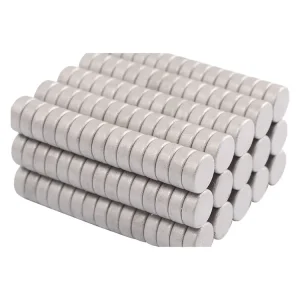
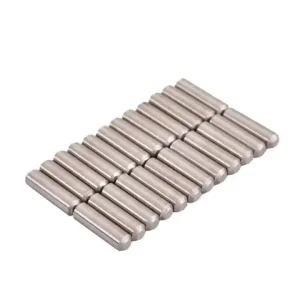
Shapes: Ring, block, disc, bar, and custom shapes.
Size: Manufactured according to customer specifications.
Versatility: Different sizes of magnetic hooks available upon request.
Certification: TS16949 and SGS test reports compliant.

Applications

Ferrite magnets are widely used in various industries including:

DC Motors & Rotors
🔊 Loudspeakers
🔍 Sensors & Automotive Sensors
♻️ Magnetic Separators & Filters
🌬️ Wind Turbines & Generators
🎓 Educational Tools
Anisotropic and Isotropic Ceramic Ferrite Magnets 1
Anisotropic and Isotropic Ceramic Ferrite Magnets 2
Anisotropic and Isotropic Ceramic Ferrite Magnets 3
Anisotropic and Isotropic Ceramic Ferrite Magnets 4
Anisotropic and Isotropic Ceramic Ferrite Magnets 5
Anisotropic and Isotropic Ceramic Ferrite Magnets 6
Anisotropic and Isotropic Ceramic Ferrite Magnets are a cost-effective alternative to other magnetic materials, providing high operating temperatures and excellent resistance to corrosion and demagnetization. Anisotropic grades typically use SrO-based materials, while isotropic grades may use BaO-based or non-oriented SrO-based materials. These magnets are especially suitable for applications where lower energy levels are acceptable, offering reliable performance in diverse industrial and consumer product applications.

Frequently Asked Questions

What are the main materials in Ferrite Arc Magnets?
They are primarily composed of SrO (Strontium Oxide) or BaO (Barium Oxide) combined with Fe2O3 (Iron Oxide) using advanced ceramic processing technology.
What is the difference between Anisotropic and Isotropic grades?
Anisotropic grades are magnetized in a specific direction during production to achieve higher magnetic properties, while Isotropic grades can be magnetized in any direction but offer lower energy levels.
Can these magnets withstand high temperatures?
Yes, ceramic ferrite magnets are known for providing high operating temperatures and excellent resistance to corrosion and demagnetization compared to other magnetic materials.
What industries commonly use these magnets?
They are widely used in the automotive industry (sensors and motors), consumer electronics (loudspeakers), renewable energy (wind turbines), and general industrial applications like magnetic separators.
Are custom sizes and shapes available?
Yes, we provide magnets in various shapes including rings, blocks, discs, and bars, and can manufacture specific sizes according to customer requests.
What quality certifications do your magnets hold?
Our products are compliant with TS16949 and SGS test reports, ensuring high quality and industry-standard safety.

Related Products