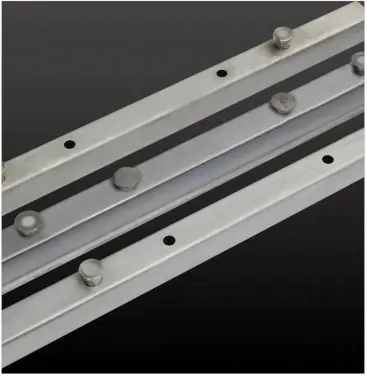
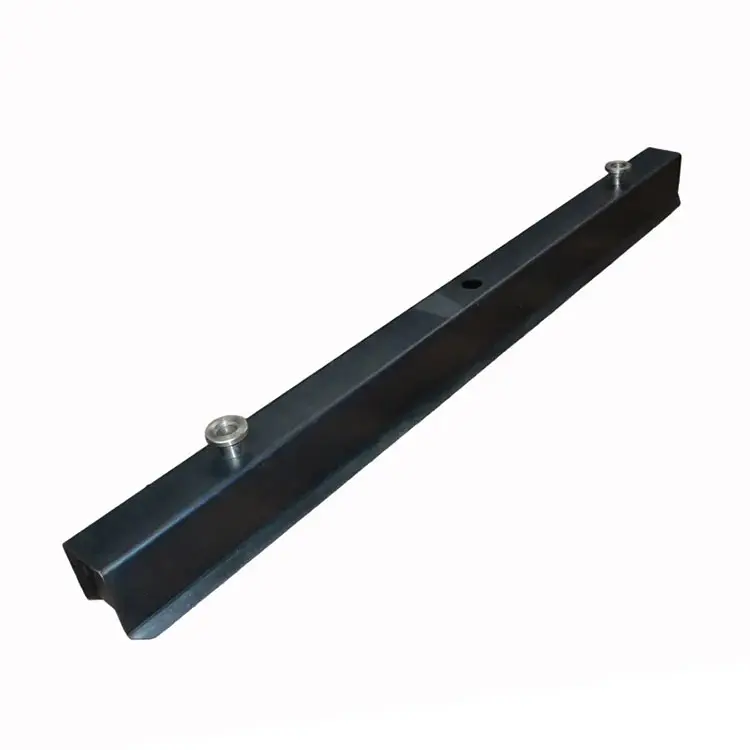
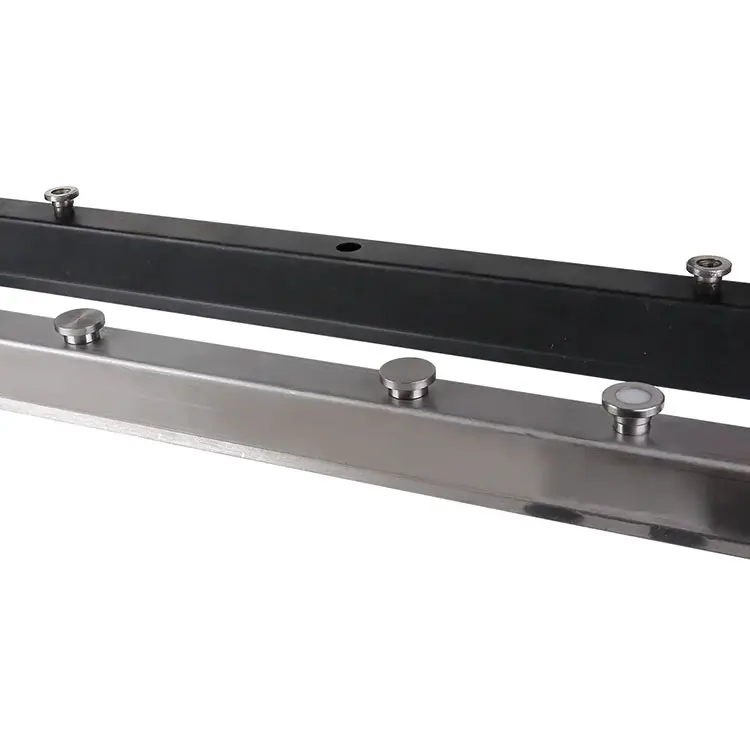
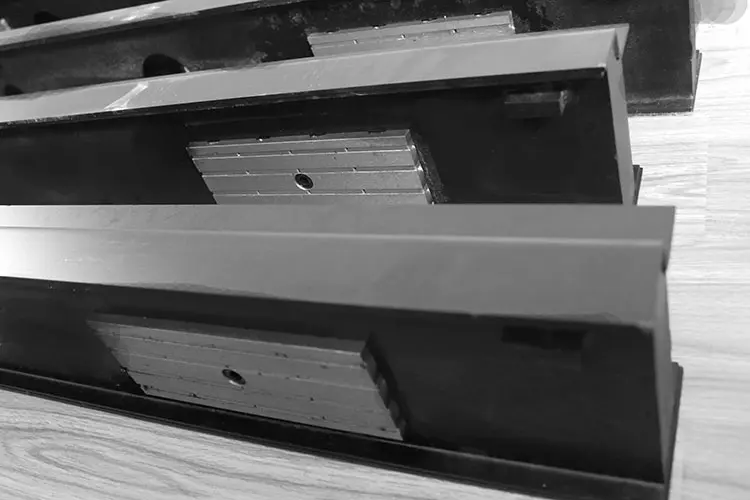
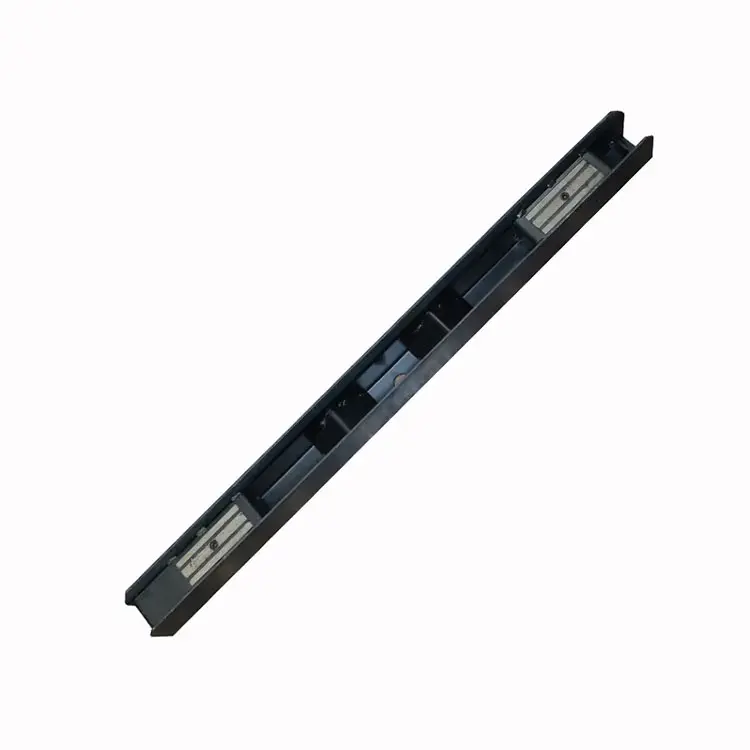
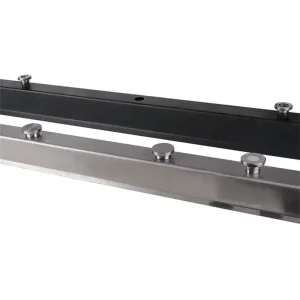
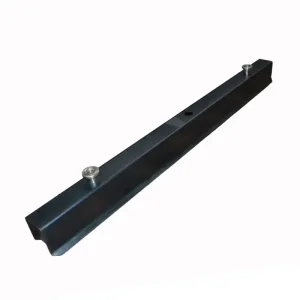
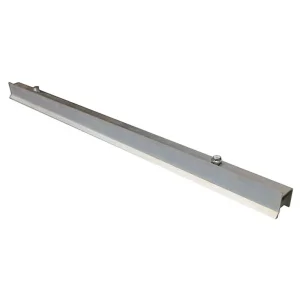
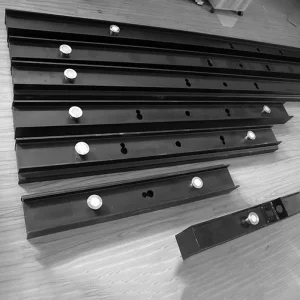
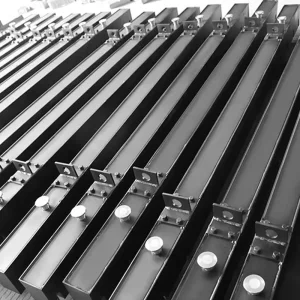
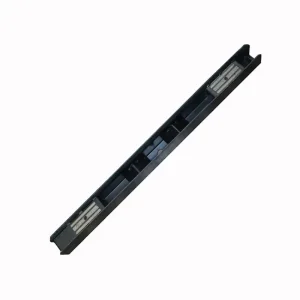
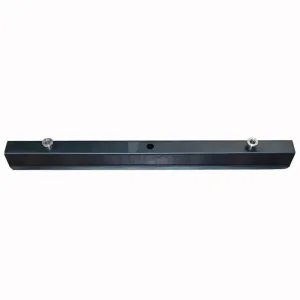
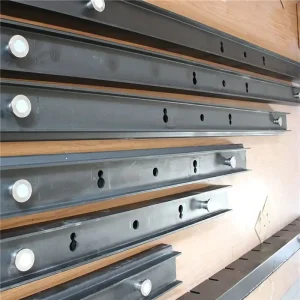
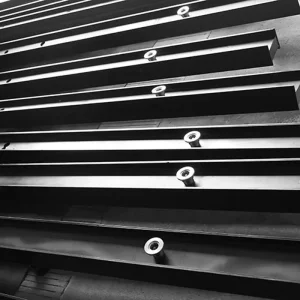
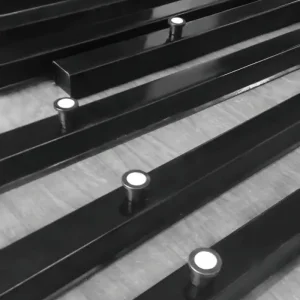
The formwork magnetic system is gaining more and more attention in precast plants because it can significantly increase the production speed of concrete elements. The system uses strong built-in neodymium magnets to hold it in place, and the closed structure extends the service life of the system.
Key Features of Formwork Magnet Systems
Magnetic Technology
-
High holding force
The formwork magnet system has multiple NdFeB magnet arrays built in, which can generate strong adhesion after being adsorbed on the steel platform, ensuring that the system will not shift during the pouring and curing of concrete. The adhesion generated by each magnetic array varies according to the model, generally 400kg to 3000kg, and can also be customized according to user needs.
-
User-friendly design
The push button switch on the top of the magnetic array allows quick on and off settings, allowing workers to operate easily and safely.
-
Precise alignment
The precise positioning characteristics of the system are derived from the high adhesion of the magnets, which can provide precise alignment whether producing prefabricated panels, walls or columns. The firm positioning without movement is the guarantee to ensure product consistency.
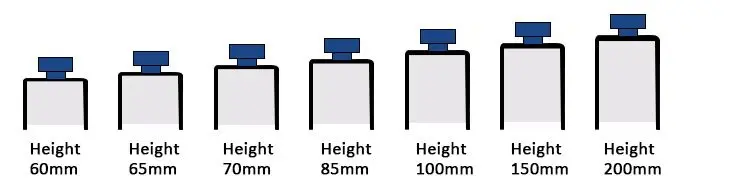
Height of formwork magnet
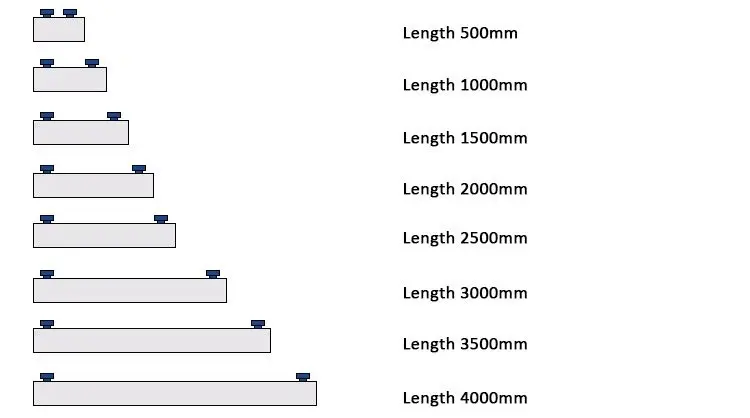
Length of formwork magnet
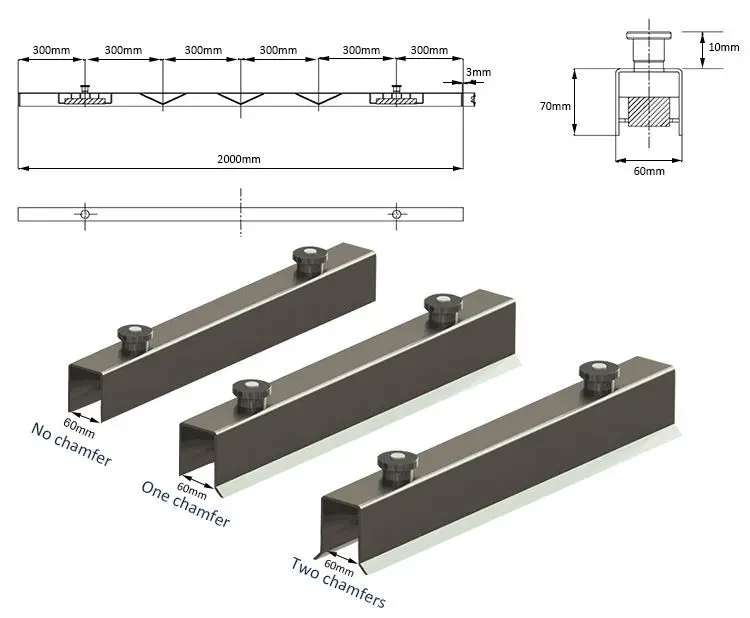
Types of formwork magnets
Advantages of Using Formwork Magnets
-
Improve efficiency
Use magnetic force to fix the entire system, replacing traditional welding or bolts. This speeds up the assembly and disassembly of the formwork, thereby shortening the production cycle.
-
Cost savings
The magnetic formwork system can save a lot of money. Why? Because it reduces labor costs. In addition, it reduces material waste, and does not require adhesives or a lot of hardware. Over time, this can save a lot of money. In addition, the magnetic formwork system can be reused, which also reduces the overall cost of precast concrete production.
-
Versatility
The magnetic formwork system is versatile. It can adapt to prefabricated elements of various shapes and sizes, and it can be used in any construction project. Moreover, it can be used with different types of formwork materials, such as steel, wood and plastic.
Applications
Formwork Magnet Systems are primarily used in:
-
Precast Concrete Production
Formwork Magnet Systems hold formwork securely in place, which facilitates the fabrication of walls, beams, slabs and other precast concrete parts.
-
Construction Sites
On construction sites, where frames often have to be repositioned, these systems come into play with their flexibility, fast and precise fixing of frames without damaging existing structures or surfaces.
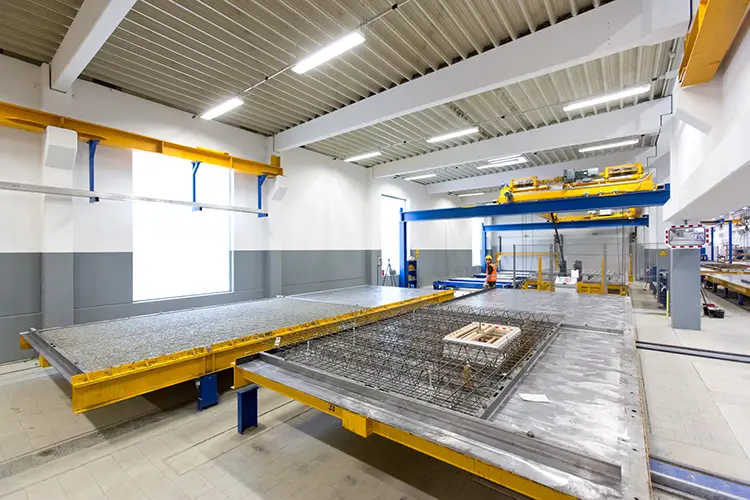
Application of Formwork magnet
Shipping and packaging
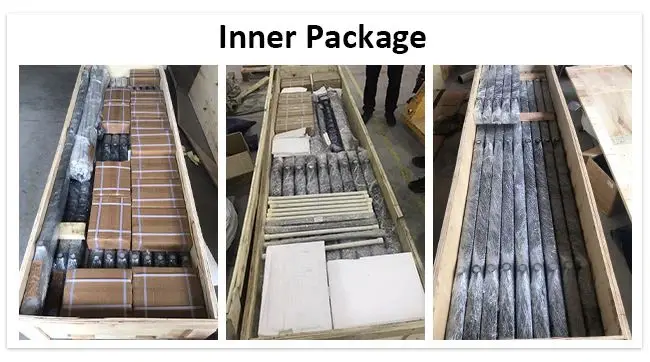
Inner Package
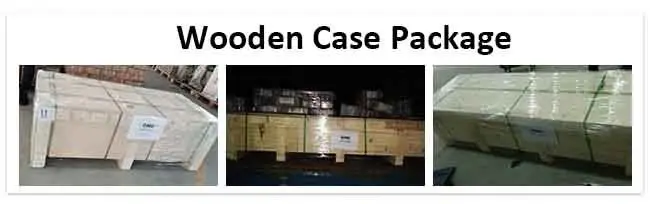
Wooden Case Package
Factory

Production Factory Overview
Frequently Asked Questions
How does a formwork magnet system improve production speed?
By utilizing strong magnetic forces instead of traditional welding or bolting, the assembly and disassembly of formwork components become significantly faster, thereby shortening the overall precast concrete production cycle.
What range of holding force do these magnets generate?
The holding force typically ranges from 400kg to 3000kg per magnet array depending on the model, and it can also be customized based on specific engineering requirements.
Can formwork magnets be used with different mold materials?
Yes, the magnetic formwork system is highly versatile and compatible with various types of formwork materials including steel, wood, and plastic.
How do workers operate the magnet system safely?
The system is designed with a user-friendly push button switch on top of the magnetic array, allowing for quick, easy, and safe activation and deactivation of the magnetic force.
Why are formwork magnets considered cost-effective?
They reduce labor costs, eliminate the need for disposable adhesives or excessive hardware, minimize material waste, and are highly reusable, leading to long-term savings in precast concrete manufacturing.
Do formwork magnets damage the steel platform?
No, the system is designed to fix securely through magnetic attraction alone, removing the need for welding or drilling that can damage steel beds and existing site structures.