Introduction
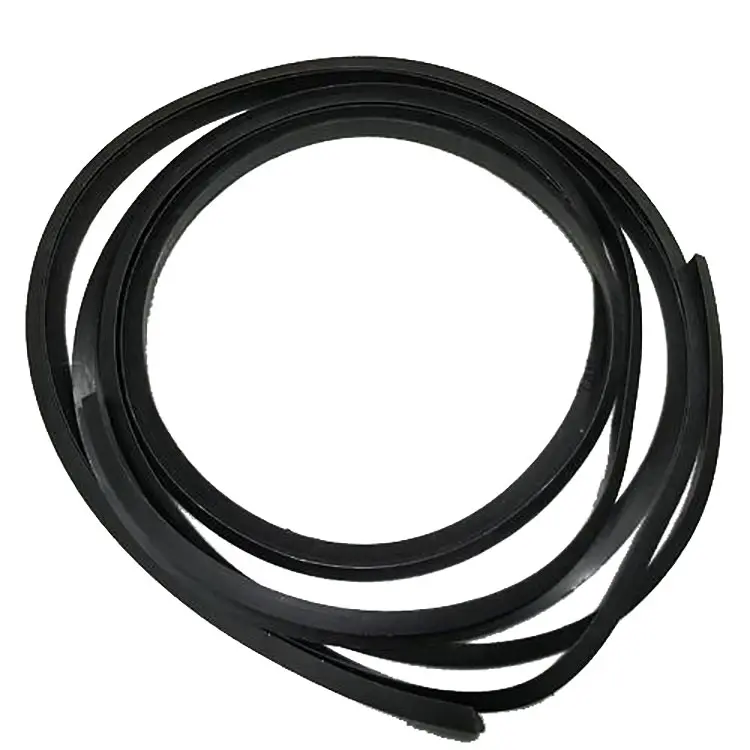
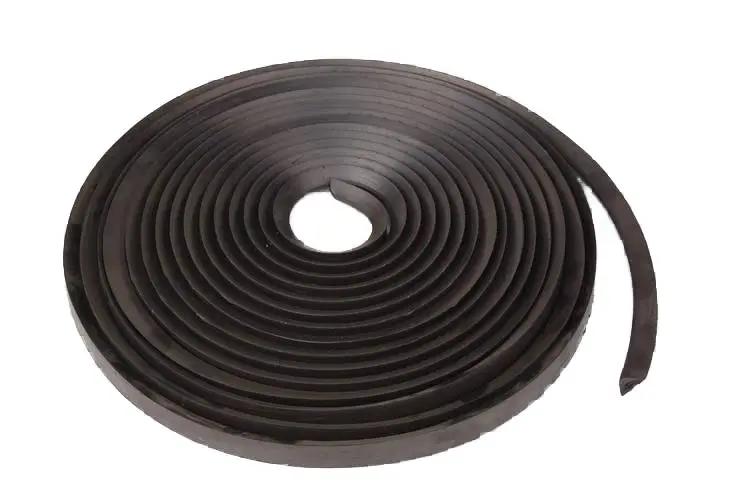
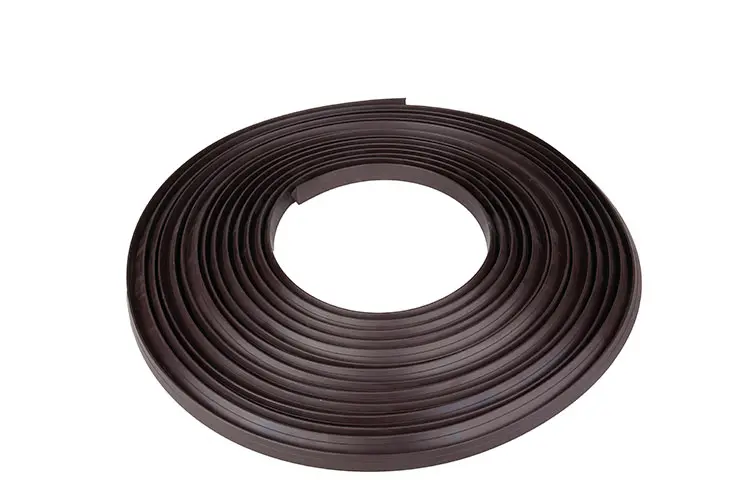
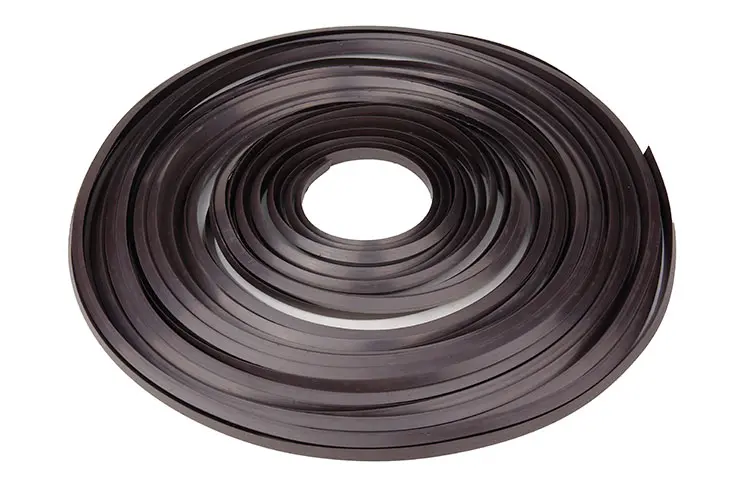
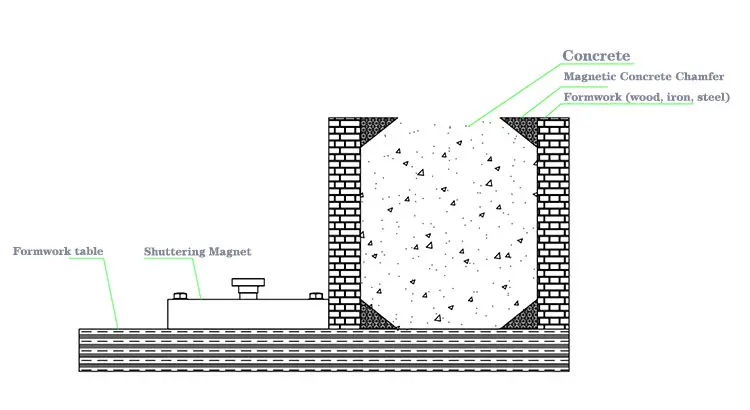
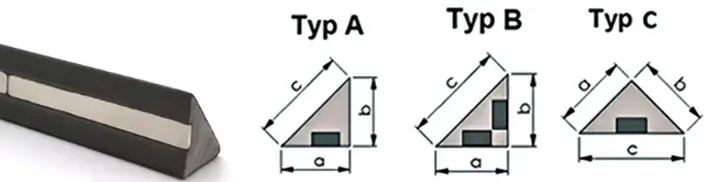
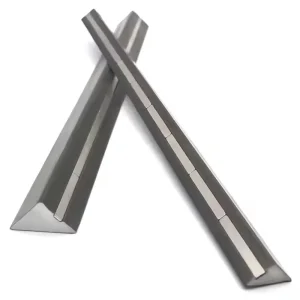
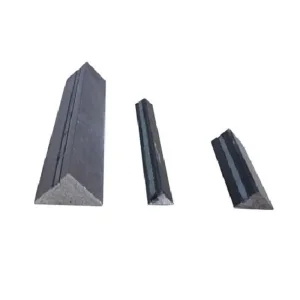
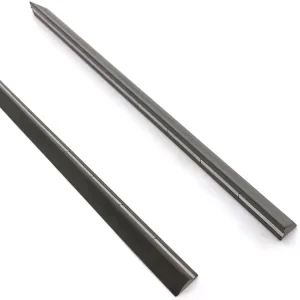
Triangular magnetic chamfer strips are precision-engineered tools designed for the precast concrete industry, facilitating the formation of consistent beveled edges and corners. These strips enhance product aesthetics, mitigate edge spalling risks, and improve structural performance by ensuring optimal stress distribution. Key attributes include rapid installation, magnetic fixation, adaptability, and extended service life. They are widely employed in wall panels, columns, beams, and other precast elements.
Key Features & Benefits
Precision Edge Formation
- Streamlines the creation of chamfers, dummy (control) joints, and integrated waterstops, ensuring alignment with engineering tolerances.
- Prevents concrete spillage during pouring, reducing post-processing labor and material waste.
Magnetic Anchoring System
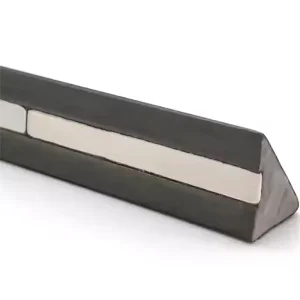
- High-grade neodymium magnets or ferritic steel bases ensure secure adhesion to steel formwork, even under vibration during concrete placement.
- Allows on-site repositioning to correct misalignment without disrupting workflows.
Material & Design Adaptability
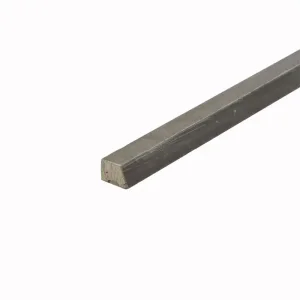
Steel Strips: Heavy-duty applications (e.g., industrial slabs), offering resistance to high-pressure pours.
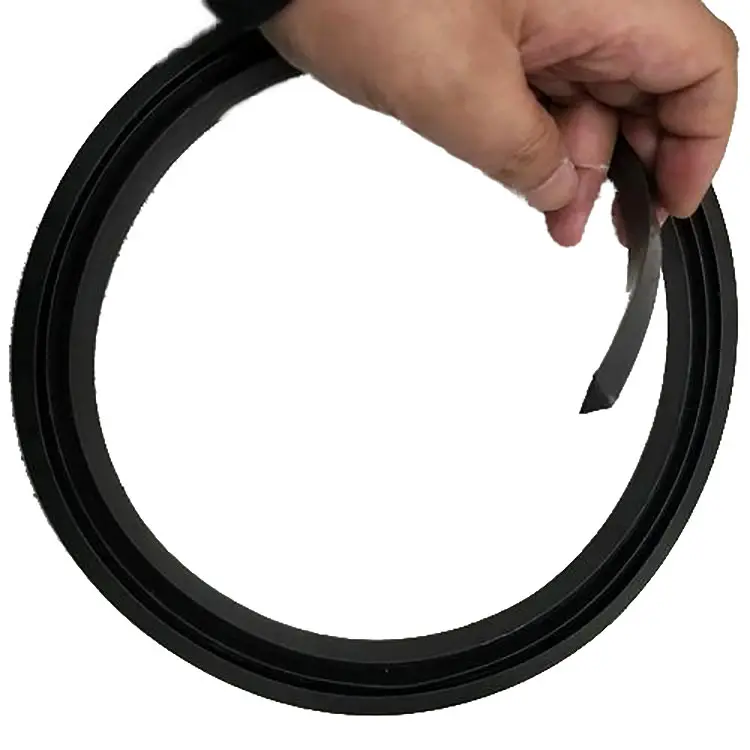
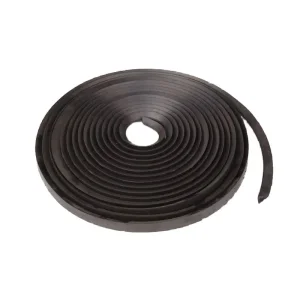
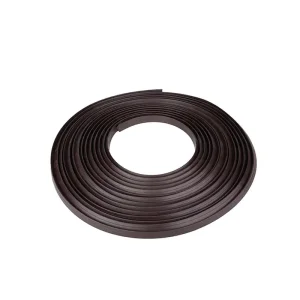
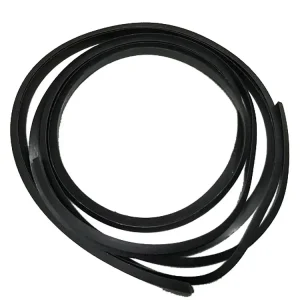
Elastomeric Strips (Rubber/PU): Flexible solutions for curved surfaces or delicate finishes, with UV/chemical resistance for outdoor use.
PVC Strips: Cost-effective for lightweight projects with minimal mechanical stress.
Durability & Compliance
- Engineered for 100+ pour cycles (varies by material), complying with ASTM C857 and EN 1992 standards.
- Non-reactive materials prevent concrete discoloration or adhesion issues.
Technical Specifications
| Product Type |
Dimensions (W×H×L, mm) |
Material |
Magnetic Strength |
| Elastomeric Chamfer Strip |
10×10×2000, 15×15×2000, 20×20×2000 |
EPDM Rubber |
Integrated NdFeB Magnets (N35) |
| Steel Chamfer Strip |
10×10×2000, 15×15×2000, 20×20×2000 |
AISI 304 Stainless Steel |
Ferritic Steel Base |
| Hybrid Trapezoidal Strip |
12×16×10×2000 |
PU with Steel Core |
Magnetic Retention (35 N/cm²) |
Notes:
- Standard lengths: 2m (modular designs allow field trimming).
- Custom angles (30°–60°) and embedment depths available.
Advanced Applications
Complex Architectural Elements
Curtain walls, sculptural precast units: Elastomeric strips conform to radii < 0.5m. Fire-rated assemblies: Intumescent-coated strips maintain joint integrity under heat.
Structural Optimization
Reduces stress concentrations at rebar termination points, improving load capacity per ACI 318. Facilitates waterproofing membrane integration at joints.
High-Speed Production
Reduces formwork setup time by 20% versus traditional plywood/tape methods (data from PCI case studies).
Technical Considerations
Installation Best Practices: Degrease formwork to maximize magnetic adhesion (min. 25 N/cm² required). Verify alignment with laser levels (±1mm tolerance).
Material Selection: For abrasive aggregates, prioritize hardened steel or urethane-coated strips. In corrosive environments, use stainless steel or EPDM rubber.
Lifecycle Management: Post-use inspection: Replace strips with visible warping (>2mm deviation) or surface pitting.
Industry Compliance & Testing
- Compressive strength: >25 MPa (aligned with concrete demolding criteria).
- Thermal stability: -30°C to +80°C (per EN 13687 frost resistance testing).
- Certifications: CE Marking (EU), UL ECVP for fire-rated variants.
Environmental & Economic Impact
- Reusable design reduces plastic formwork waste by ~15kg per 100m³ concrete.
- Low-profile strips minimize concrete usage at edges, cutting material costs by 3–5% per panel.
Conclusion
Triangular magnetic chamfer strips represent a fusion of precision engineering and practical innovation, empowering precast manufacturers to achieve high-tolerance finishes while optimizing production timelines. Continuous advancements in material science promise further gains in durability and sustainability.
Frequently Asked Questions (FAQ)
Q1: What are the primary benefits of using magnetic chamfer strips over traditional wood strips?
A: Magnetic strips offer significantly faster installation, better precision, a smoother finish, and are reusable for hundreds of cycles, unlike wood which warps and requires nails or tape.
Q2: Can these magnetic strips be used on wooden formwork?
A: No, magnetic strips require a steel surface for adhesion. For wooden formwork, traditional mechanical fastening methods are still necessary.
Q3: How do I choose between Steel and EPDM Rubber chamfer strips?
A: Steel is best for heavy-duty industrial applications and long-term durability, while EPDM Rubber is ideal for curved surfaces and delicate finishes where flexibility is required.
Q4: What is the typical lifespan of a magnetic chamfer strip?
A: When properly maintained and cleaned, high-quality magnetic strips can last for over 100 pour cycles, depending on the material and aggregate abrasiveness.
Q5: Do the magnets lose their strength over time?
A: Neodymium magnets are highly stable. However, exposure to temperatures exceeding 80°C or physical damage to the magnet housing can reduce magnetic performance.
Q6: How should the strips be cleaned after a concrete pour?
A: They should be cleaned immediately after demolding using a stiff brush and mild release agent. Avoid using harsh chemicals that might corrode the magnets or degrade the rubber.