Industrial Whitepaper: The Strategic Importance of Advanced Precast Magnetic Systems in Iraq's Infrastructure Modernization
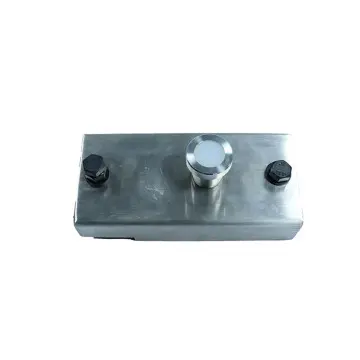
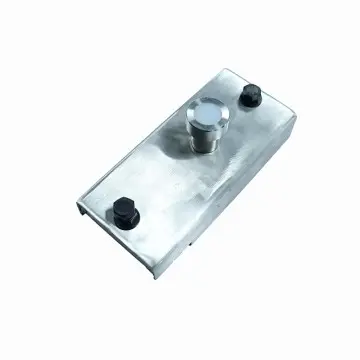
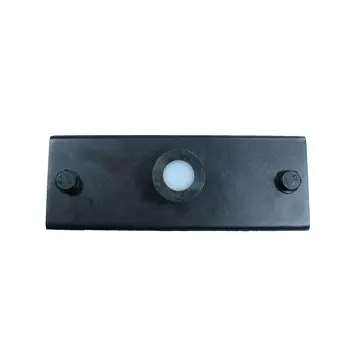
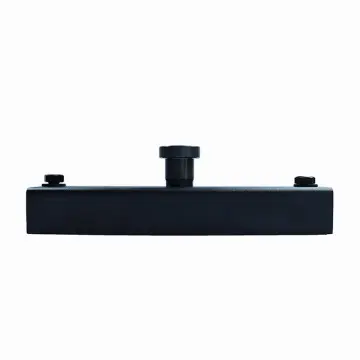
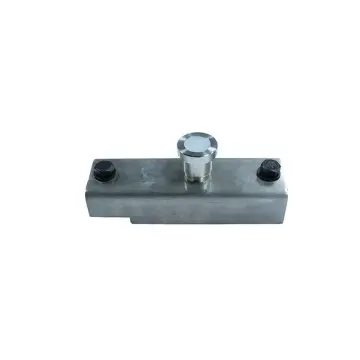
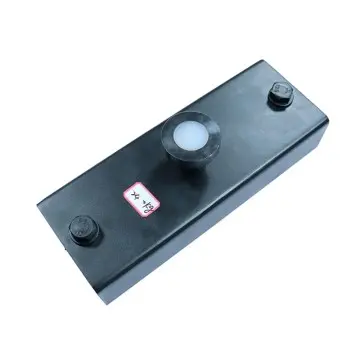
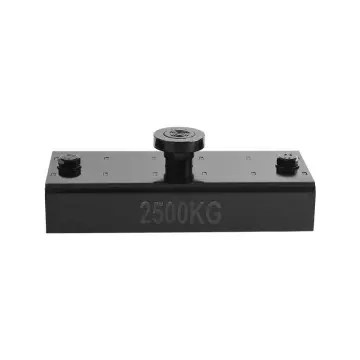
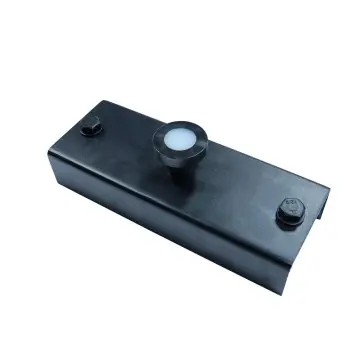
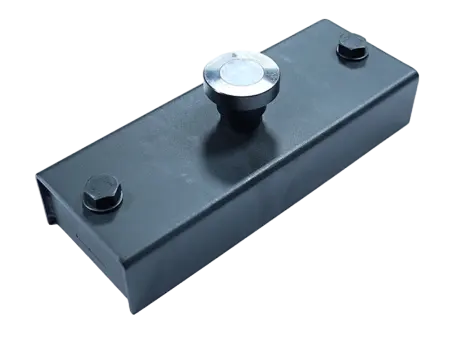
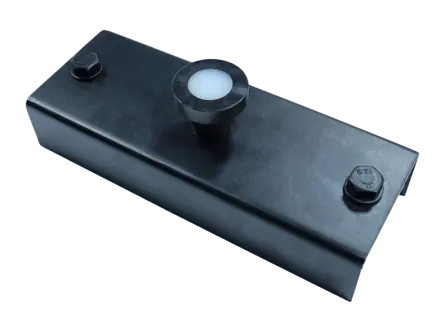
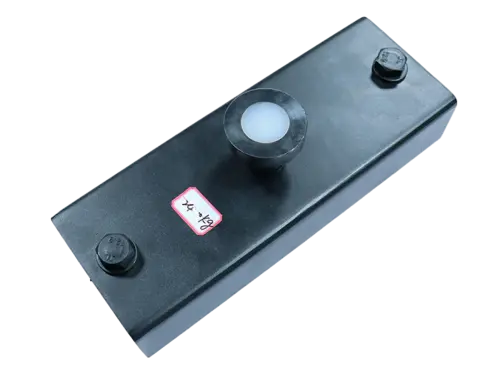
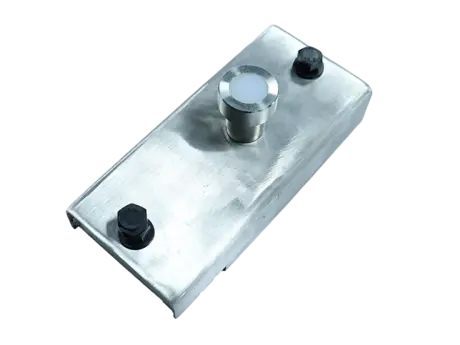
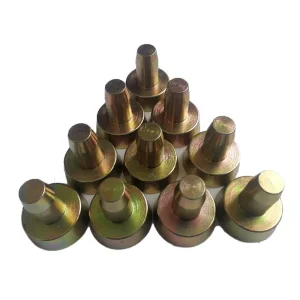
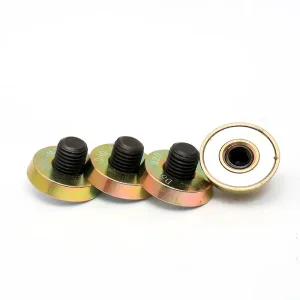
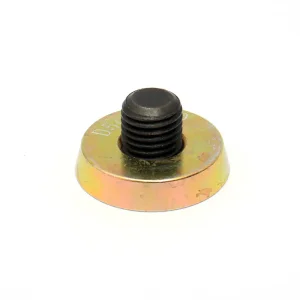
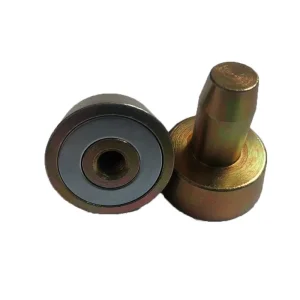
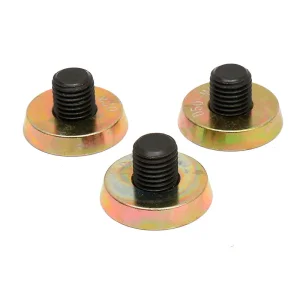
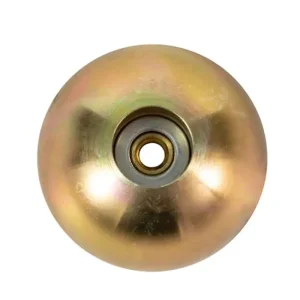
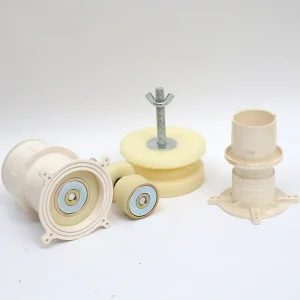
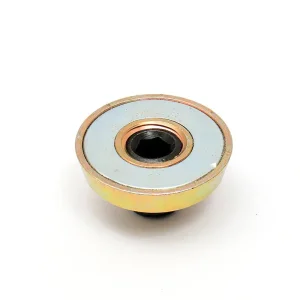
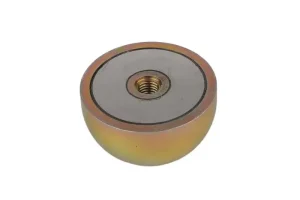
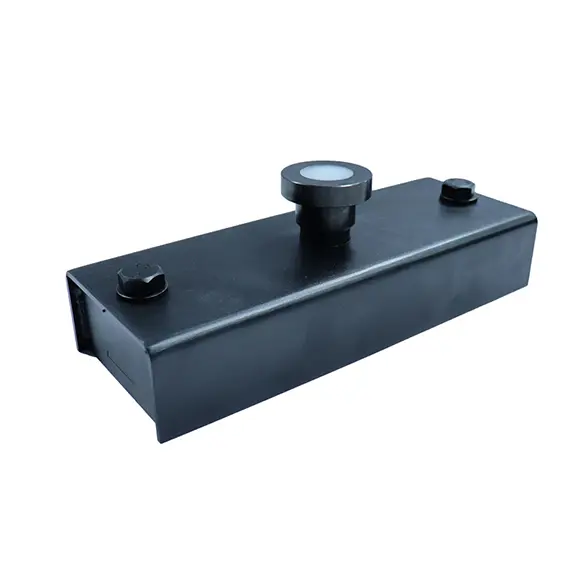
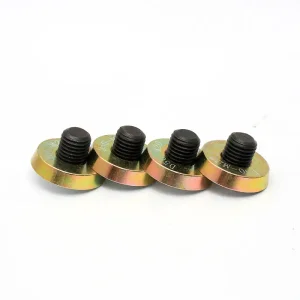
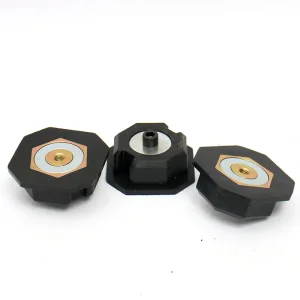
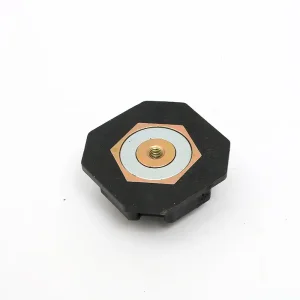
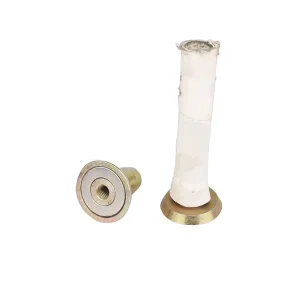
As Iraq enters a transformative era of civil reconstruction and industrial revival, key construction hubs in Baghdad, Basra, Mosul, and Erbil are adopting modular building methodologies. The transition from legacy cast-in-place concrete foundations toward high-precision precast concrete structural elements has generated a massive demand for advanced fixing technologies. Among these, Insert Magnets have become critical components to secure electrical junction boxes, PVC pipes, lifting anchors, and threaded sockets to steel casting beds without structural drilling or welding.
1. Current Industrial & Macroeconomic Landscape of Iraq
Iraq's National Housing Project along with major road, port, and utility developments demand fast-tracked construction timelines. Conventional construction methods cannot keep up with the current demand for millions of new residential units. Precast concrete plants provide the ideal solution, scaling up the manufacturing of concrete walls, slabs, pillars, and utility ducts. However, these plants face severe operation challenges:
- Extreme Thermal Environments: Ambient summer temperatures across central and southern Iraq routinely exceed 50°C (122°F), with steel casting bed surfaces heating up even more. This extreme heat can cause standard magnetic alloys to demagnetize if they are not engineered properly.
- Abrasive Chemical Conditions: Local cement mixes, aggressive release agents, and regional high-mineral water configurations create a highly corrosive and alkaline environment.
- Aggressive Work Schedules: The urgent need for infrastructure demands magnetic fixing devices that are robust, reusable, and easy to clean without damaging the steel formwork tables.
QCM Magnet provides reliable solutions to these issues. By engineering magnetic assemblies using high-grade, temperature-stabilized Neodymium (NdFeB) materials, we ensure our insert magnets maintain their holding capacity under extreme temperatures.
2. Global Procurement Standards & Engineering Requirements
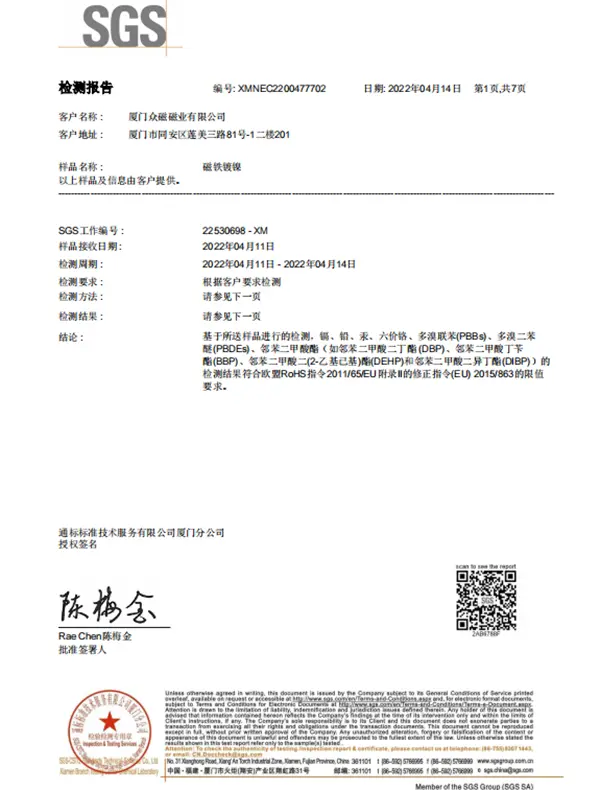
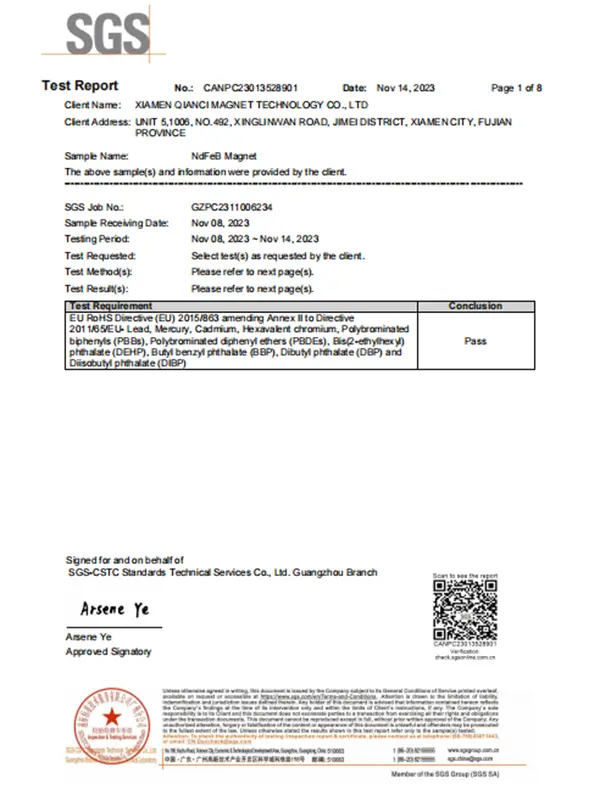
Global general contractors and local engineering firms operating in Iraq require suppliers to comply with international standards. Structural elements must meet exact tolerances, meaning magnetic fixings must withstand the strong vibrations of concrete compacting tables without moving. Key engineering criteria include:
- Magnetic Circuit Optimization: Utilizing specialized steel housings to focus the magnetic flux on the contact surface, maximizing shear and holding force while keeping the assembly compact.
- Hermetic Sealing: Protecting the NdFeB magnets from moisture and alkaline cement paste intrusion using epoxy resins, polyurethane sealants, or laser-welded stainless steel cases.
- Thread Adaptation: Offering versatile thread profiles from M10 to M36 to easily adapt to various utility inserts and lifting sockets used in standard European, American, and Middle Eastern designs.
3. Product Engineering Roadmap: Resisting Extreme Heat & Corrosion
Our research and development team focuses on creating durable magnetic products for high-stress environments. Our engineering roadmap includes:
1. Thermal Stabilization (H, SH, UH Grades): Standard magnets lose magnetic strength around 80°C. We construct our heavy-duty insert magnets using high-coercivity NdFeB grades, maintaining performance at temperatures over 120°C.
2. Advanced Protective Coatings: We coat our magnetic assemblies in zinc, nickel-copper-nickel (Ni-Cu-Ni), or high-durability epoxy. This prevents oxygen and moisture from corroding the internal rare-earth core.
3. Heavy-Duty Steel Cases: Using premium carbon steel or high-grade stainless steel to ensure the magnetic assembly resists impacts from tools and concrete scrapers.