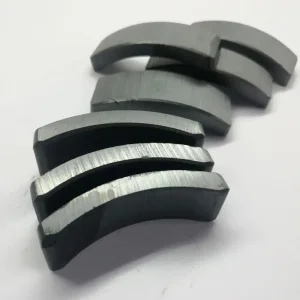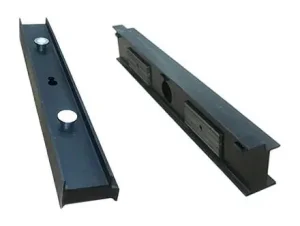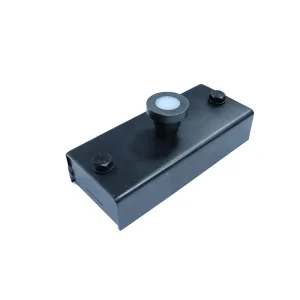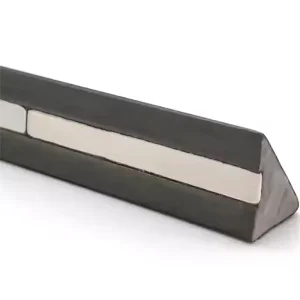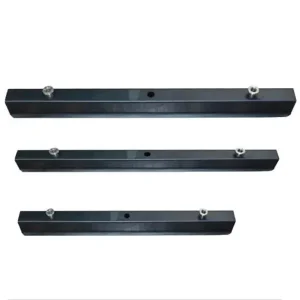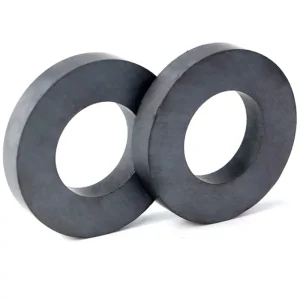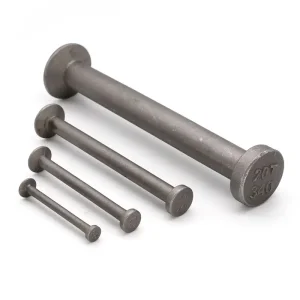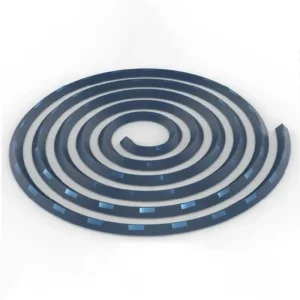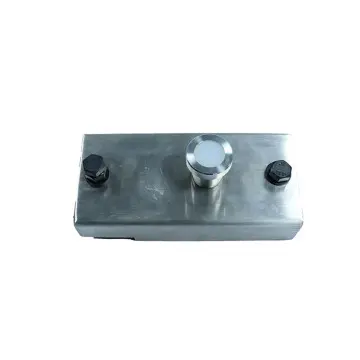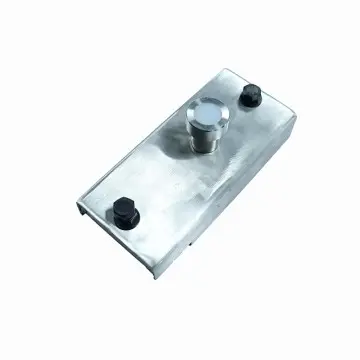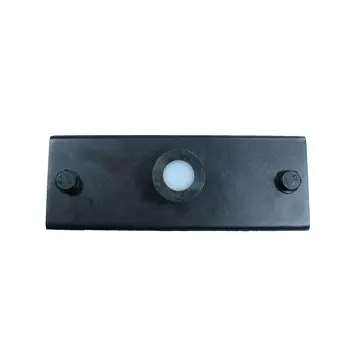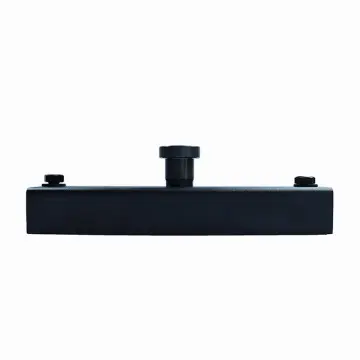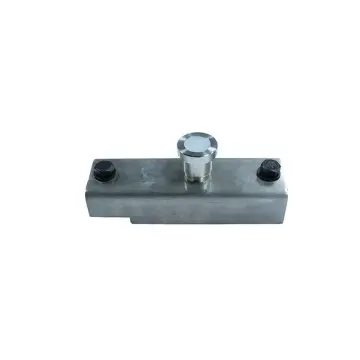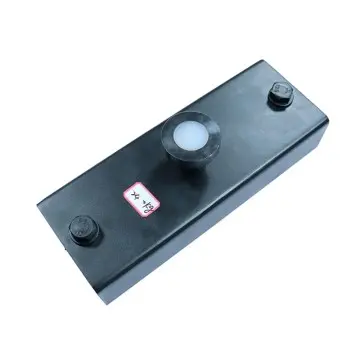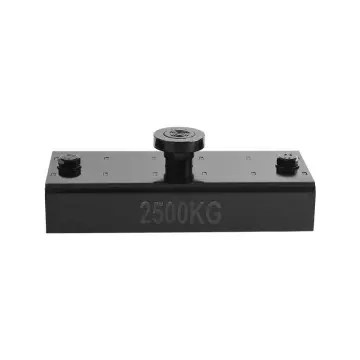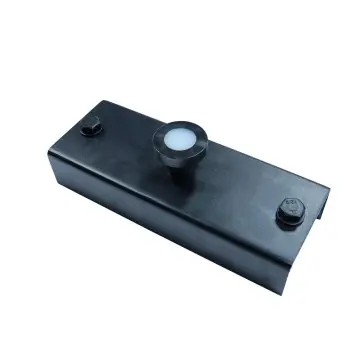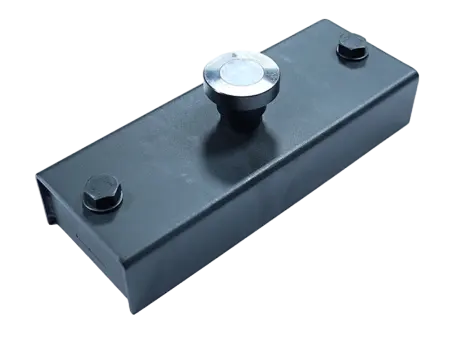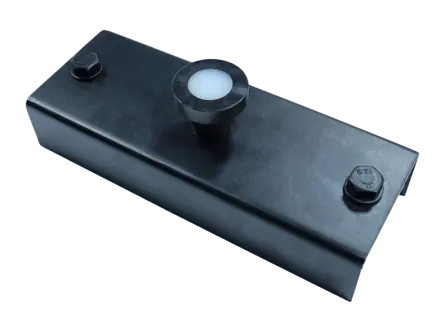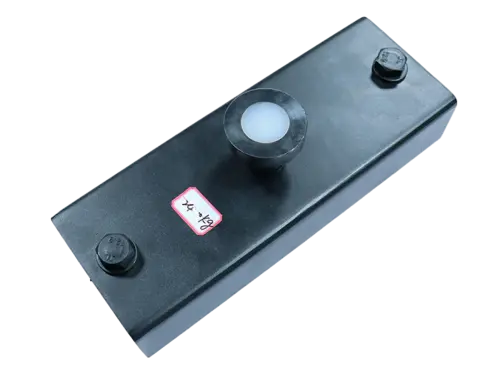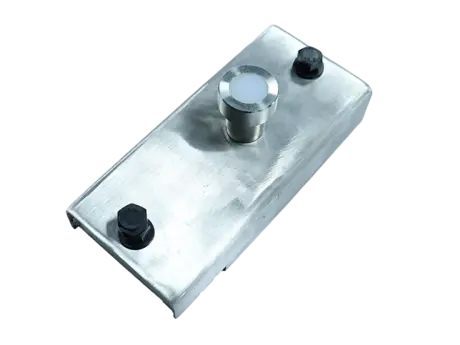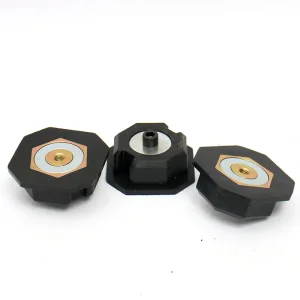
Engineered to deliver highly concentrated pull forces, optimized for casting tables, precast structural assemblies, and industrial automation.
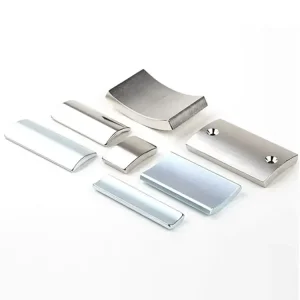
Within industrial manufacturing, material handling, and precast concrete engineering, a "30 Pound Magnet" is a key design standard. Measuring magnetic systems requires analyzing several variables: the magnetic material (Sintered Neodymium NdFeB vs. Anisotropic Barium/Strontium Ceramic Ferrite), the geometry of the steel flux-concentrating housing (pot magnets or shuttering configurations), and the target interface surface roughness.
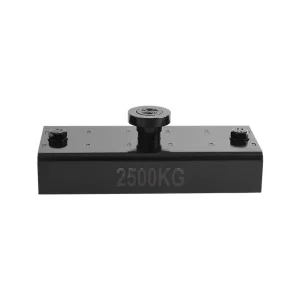
Under ideal conditions (testing with a ground, zero-gap 1018 low-carbon steel plate), a 30-pound magnet maintains a breakaway force of approximately 13.6 kg (133.4 Newtons). However, when integrated into industrial formwork, magnetic sweepers, or automated crane jigs, raw breakaway force is only one part of the equation.
Under lateral shear conditions, a magnet's hold drops to roughly 20-30% of its vertical capacity. Friction coefficients (such as formwork oil and concrete dust) play a major role in these ratios.
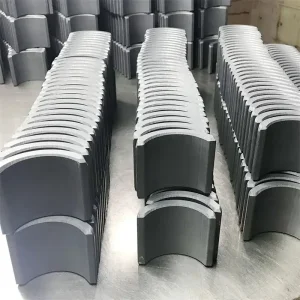
Standard N35-N52 Neodymium magnets degrade in magnetic performance above 80°C (353K). For hot-casting environments, we specify NdFeB-H/SH/UH classes or Ceramic Ferrite (Y30/Y35) configurations.
Industrial magnets require protective surface treatments. Our NdFeB grades are coated with triple-layer Ni-Cu-Ni or thick epoxy, preventing degradation in humid concrete curing setups.
China produces over 85% of the world's rare earth permanent magnets. As a vertically integrated manufacturer and exporter, Qianci Magnet (QCM Magnet) leverages this raw material security. We source raw Neodymium and Ferrite elements directly from refining hubs, mitigating global supply and pricing volatility.
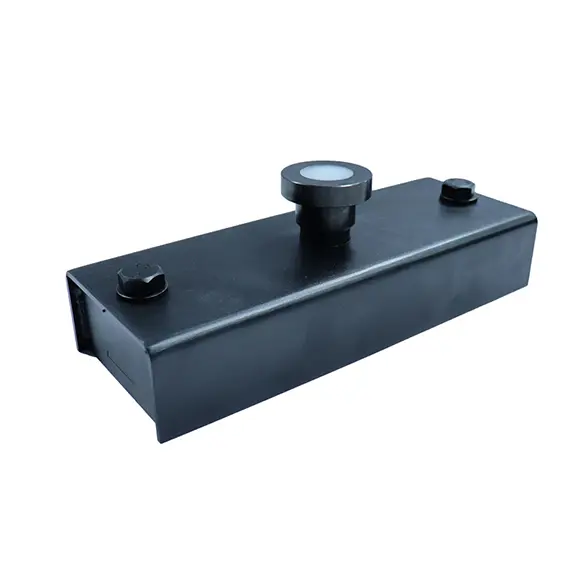
Our in-house capabilities span the entire production cycle: vacuum induction sintering, precision EDM wire-cutting, high-tolerance surface grinding, automated electroplating, and computerized magnetic measurement. This ensures that every 30 Pound Magnet, shuttering box, or custom magnetic concrete chamfer maintains consistent magnetic performance without field drop-outs.
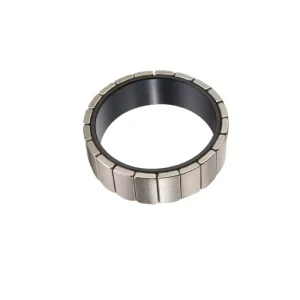
For custom industrial requirements, our engineering department designs specialized magnetic circuits (such as Halbach arrays or multi-pole steel jackets). These designs concentrate magnetic flux to the working face, optimizing holding power while shielding surrounding electronic equipment.
Providing robust, reusable magnetic fixing solutions for precast concrete components, industrial manufacturing, and assembly automation.
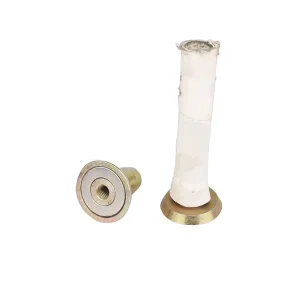
Qianci Magnet is a specialized manufacturer focused on the design and production of formwork magnets, magnetic shuttering systems, insert magnets, and magnetic concrete chamferers. We supply durable components designed to withstand rigorous construction and industrial environments.
We deliver integrated precast concrete magnetic solutions that optimize production cycles. By replacing traditional mechanical drilling and welding with high-strength magnetic fixtures, we help precast plants reduce labor costs, protect tooling surfaces, and improve dimensional accuracy.
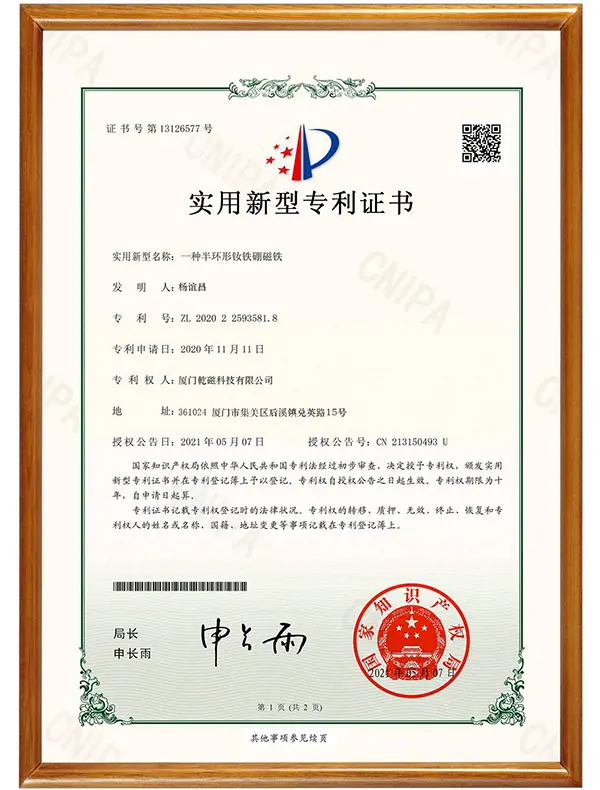
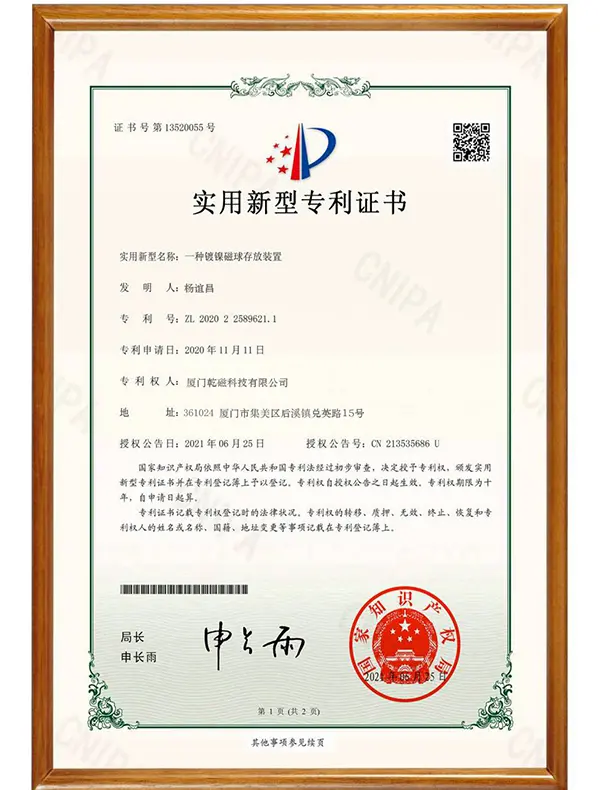
We aim to be a leading global supplier of magnetic fixing solutions for the precast concrete industry. We invest in research and development to build products with tight tolerances, simple operation, and long service lives, tailored to the demands of modern construction.
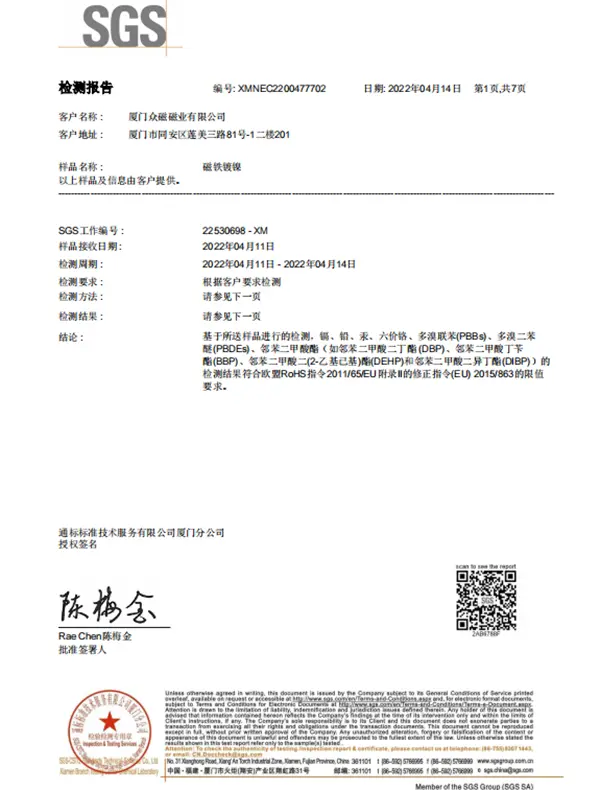
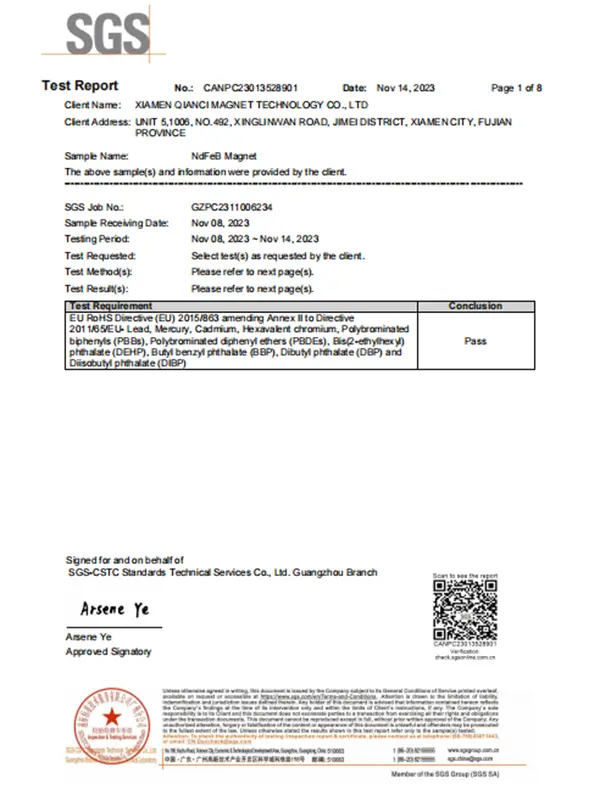
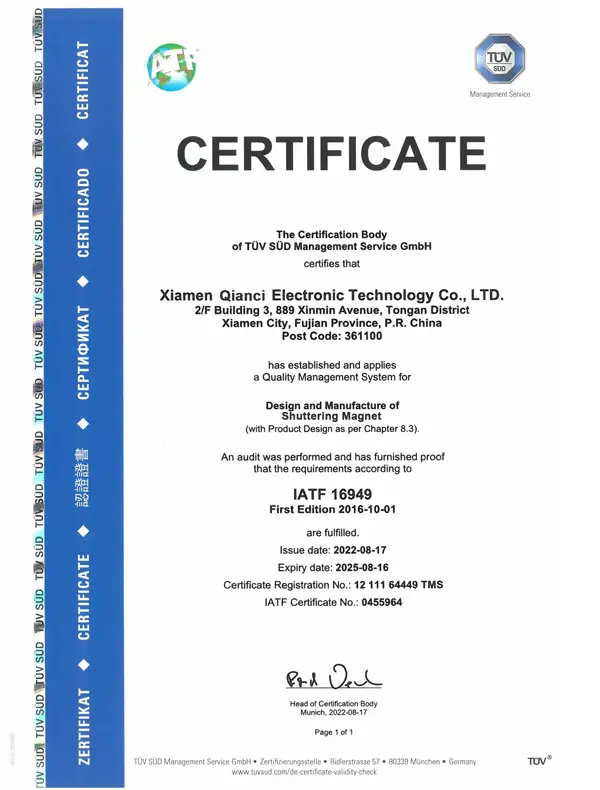
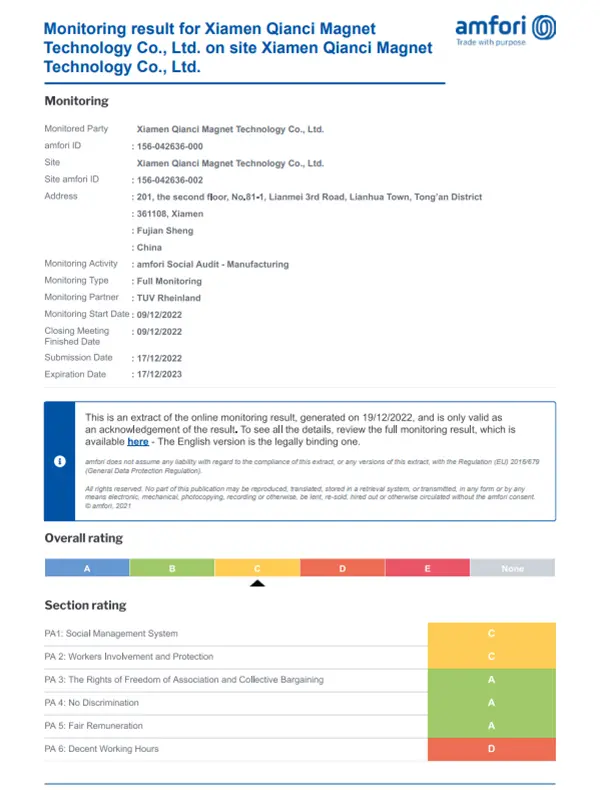
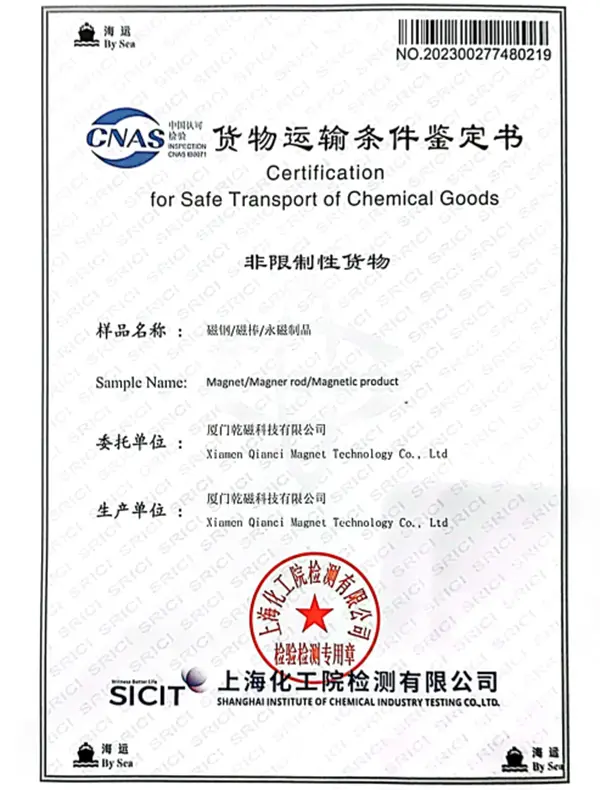
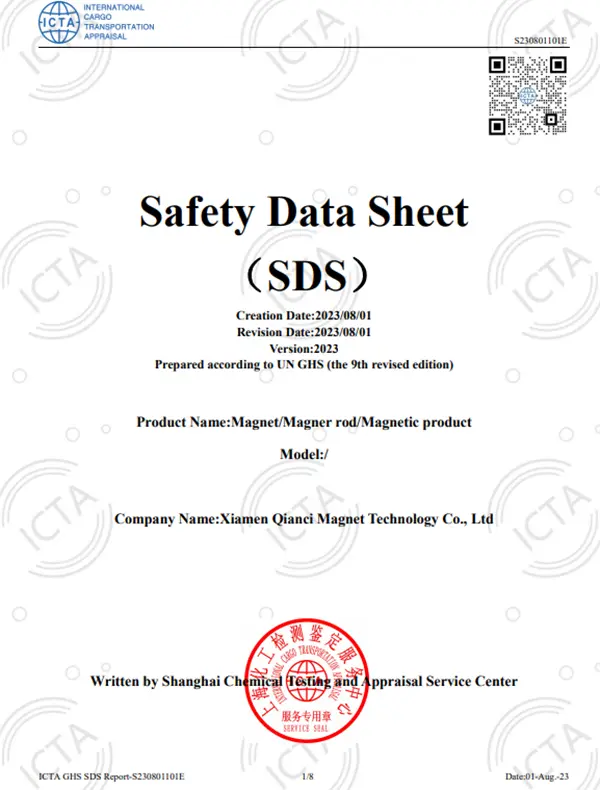
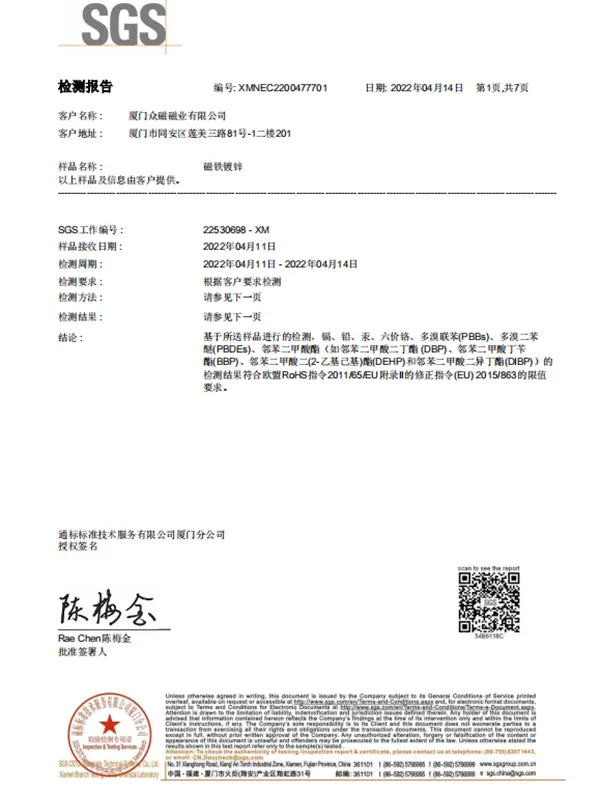
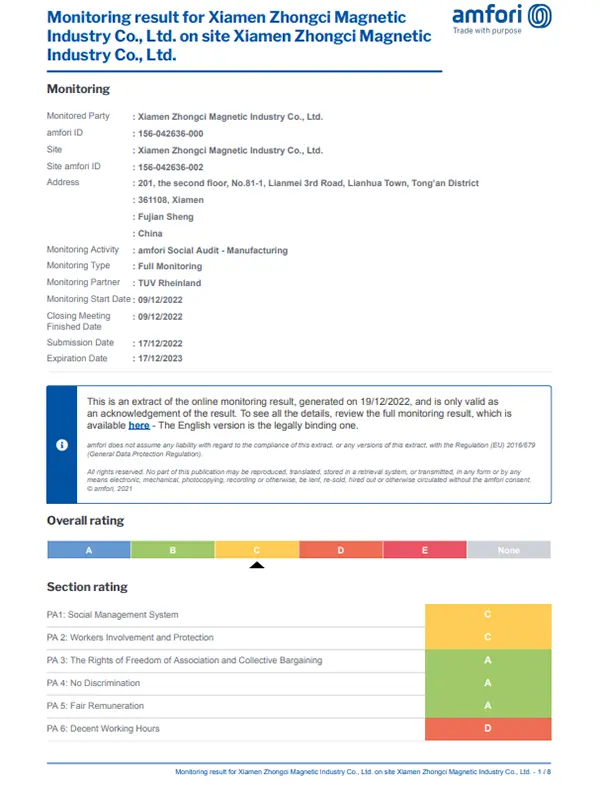
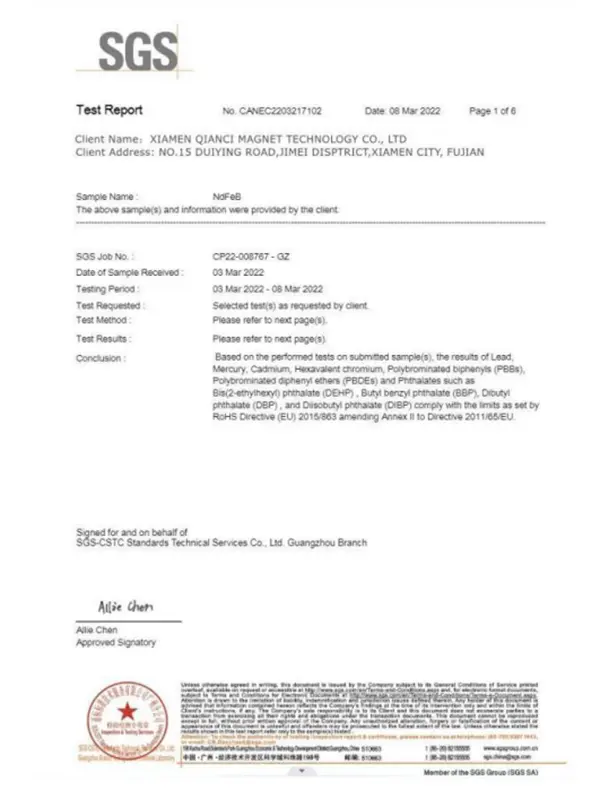
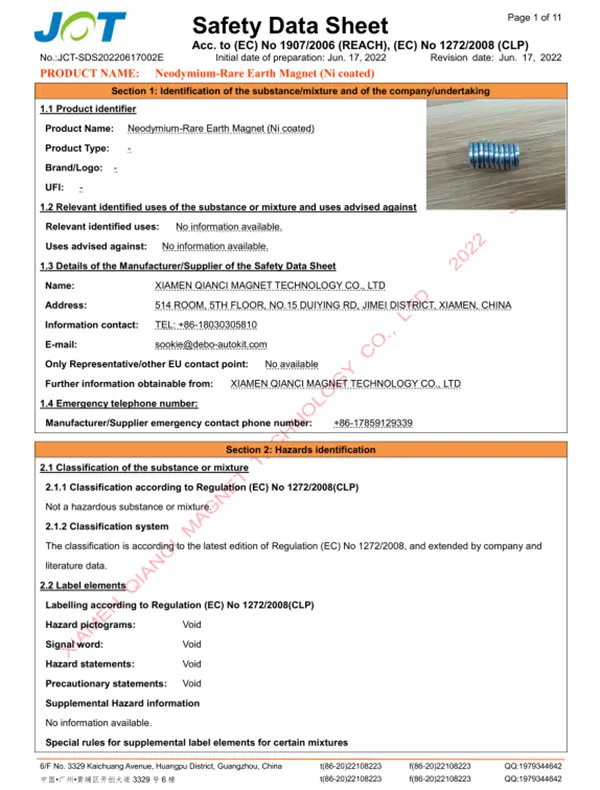
Modern engineering procurement requires strict compliance with international manufacturing and material standards. At QCM Magnet, our production matches global standards to ensure seamless integration into overseas supply chains.
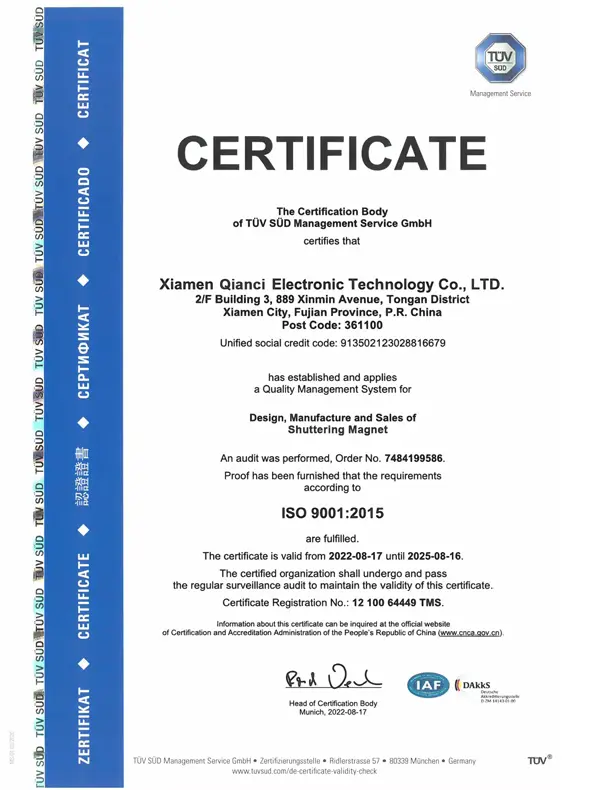
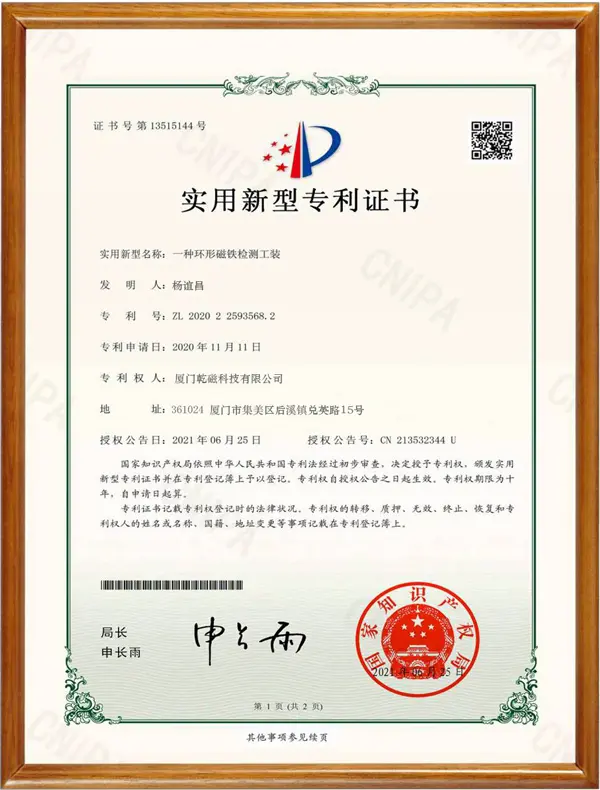
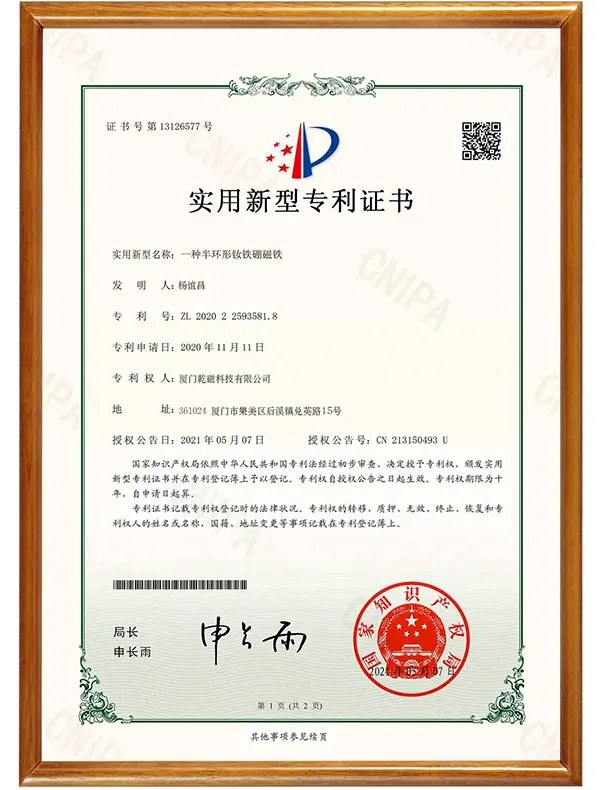
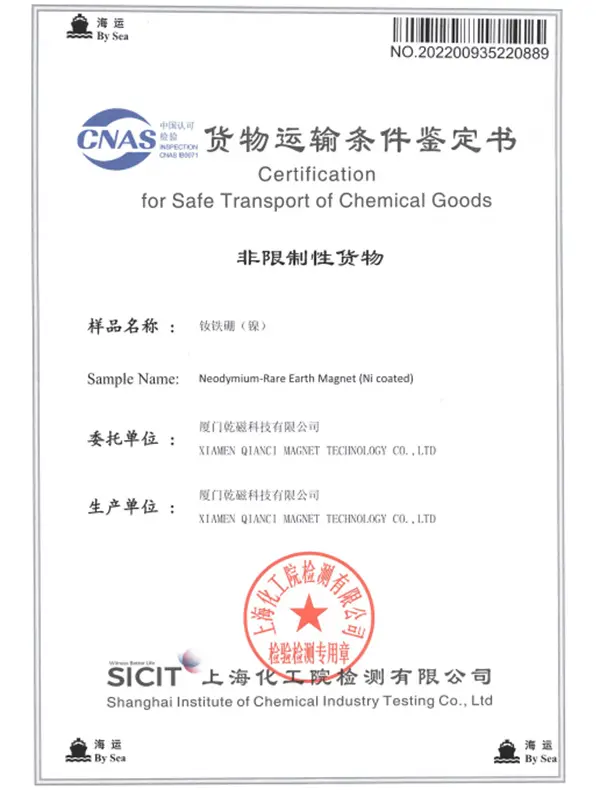
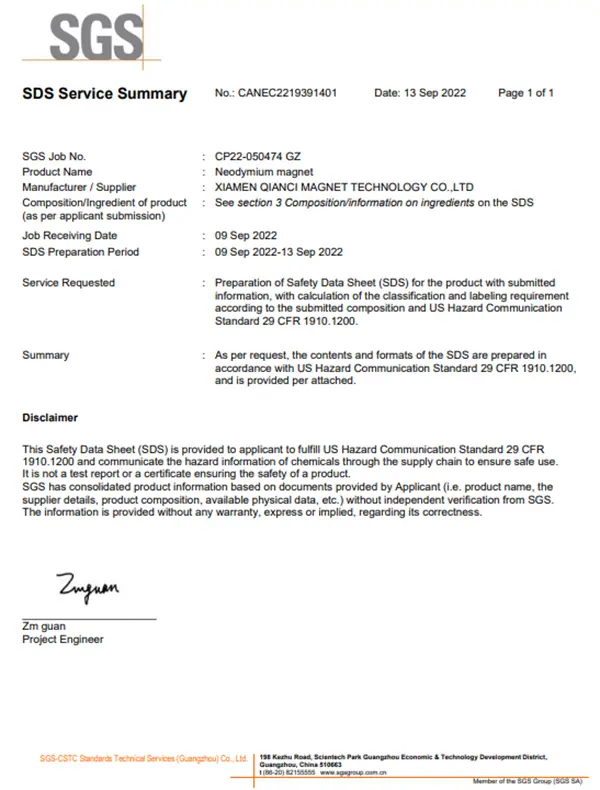
Every shipment of 30 Pound Magnets and shuttering systems is backed by complete material certifications. We provide chemical composition analyses (spectrometer reports) for rare earth elements, magnetic hysteresis curves showing remanence (Br), coercivity (Hc), and energy product (BHmax), as well as pull-force test charts from calibrated load cells. Our processes comply with standard certifications including ISO 9001:2015, CE machinery directives, RoHS, and REACH protocols.
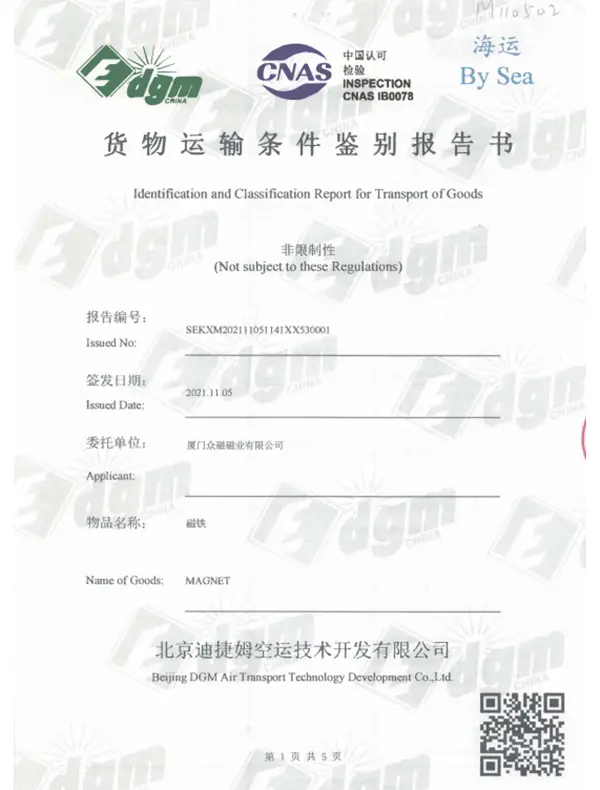
Magnetic materials are classified as Class 9 Hazardous Goods under international air freight regulations (IATA) if their magnetic field exceeds 0.00525 gauss at 15 feet. QCM Magnet designs custom metal shielding packaging for air freight, redirecting flux lines internally. For ocean shipping, we apply anti-rust coatings and moisture-barrier packaging to protect the assemblies from salt air degradation during transit.
In addition to standard catalog parts, we design custom mechanical adapters to interface our shuttering magnet boxes with automated robotic handling systems. We provide engineering support in standard file formats (IGES, STEP, DWG) to simplify integration into CAD workflows during the plant design phase.
Engineered for high-duty cycles on automated formwork tables, providing reliable holding force under repetitive mechanical loading.
The precast concrete industry is evolving from labor-intensive setups to highly automated carousel systems. This transition shifts requirements for magnetic tools. Global infrastructure trends indicate that magnetic system designs must focus on three core areas:
Modern precast yards use CAD-controlled robots to pick and place magnets on casting tables. Magnetic housings now feature standardized grip grooves, dynamic sensor plates, and mechanical linkages for automatic activation and release.
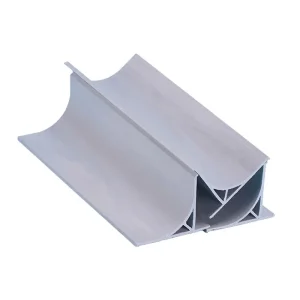
Traditional structural steel formwork is being replaced by hybrid systems combining polyurethane, lightweight plastics, and high-performance magnetic strips. These hybrid setups reduce assembly weight while maintaining concrete surface finish quality.
With precast plants operating three-shift, high-humidity cycles, tooling must resist corrosion and wear. The industry is moving toward high-grade stainless steel housings and laser-welded encapsulation of rare-earth magnets to extend service life.
Industrial magnetic systems are used across a wide range of industrial applications, beyond precast concrete yards:
Discover our latest designs featuring improved weight-to-pull force ratios and advanced structural protection systems.
Keep up with technical updates, industry trends, and global exhibition announcements from QCM Magnet.
Every product is manufactured under ISO 9001:2015 standards, with full quality control from raw sintering to final magnetic inspection.
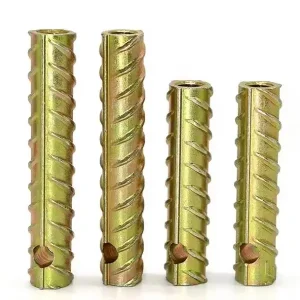
Browse our catalog of permanent magnetic materials, embedded socket fixtures, and specialized concrete mold accessories.