In modern industrial manufacturing and civil engineering, the demand for High-Energy Neodymium Iron Boron (NdFeB) magnetic systems has experienced exponential growth. As the strongest permanent magnets commercially available, NdFeB magnets are critical in applications requiring dense magnetic fields and high structural holding forces in confined spaces. Global procurement offices across the Americas, Europe, and Asia-Pacific regions look to professional OEM exporters to fulfill specialized needs in two primary industrial sectors:
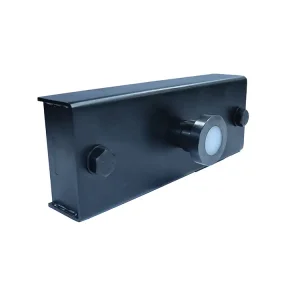
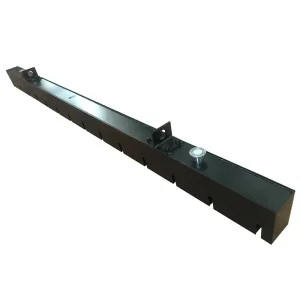
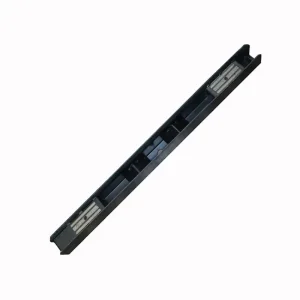
For instance, the **precast concrete sector** has shifted radically from traditional mechanical bolt-fixing methods to magnetic fixing methods. Mechanical fastening not only damages costly steel platforms but also increases labor times and reduces turnaround cycles. Utilizing targeted OEM NdFeB formwork systems, factories can configure magnetic barriers, formwork shutters, and edge profiles with magnetic forces ranging from 900kg to 2500kg.
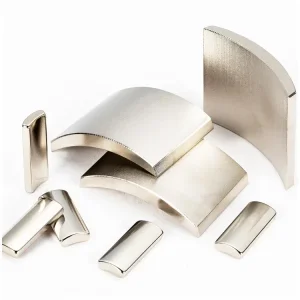
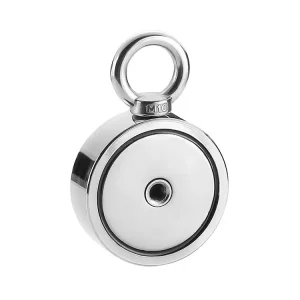
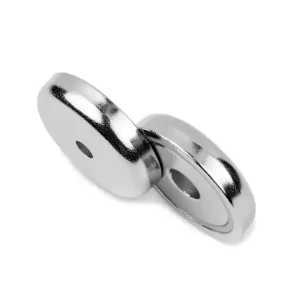
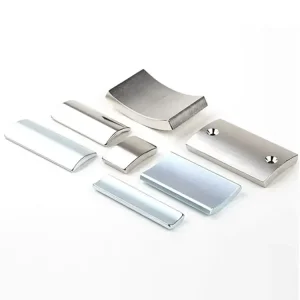
Beyond civil construction, custom permanent rare-earth NdFeB arc and block configurations with specialized coatings (such as Nickel-Copper-Nickel, Epoxy, and Zinc) are vital components for industrial traction motors, wind power generators, automated sorting grids, and deep-sea salvage and recovery setups (such as specialized Neodymium pot fishing magnets). Consequently, evaluating the underlying manufacturing processes, pricing matrix, and supply-chain track record of certified OEM magnet exporters is crucial to ensuring enterprise stability and project longevity.
Purchasing NdFeB magnetic components requires deep scrutiny of physical properties like Remanence (Br), Coercivity (Hcb), Intrinsic Coercivity (Hcj), and Max Energy Product (BHmax), rather than assessing price per unit weight alone. Cheap alternatives often suffer from rapid thermal demagnetization and structural micro-cracking in harsh environments.
To meet global carbon neutrality goals, infrastructure developers and manufacturing plants are under immense pressure to streamline efficiency and minimize resource waste. The integration of high-performance magnetic assemblies solves critical bottlenecks across several industrial scenarios:
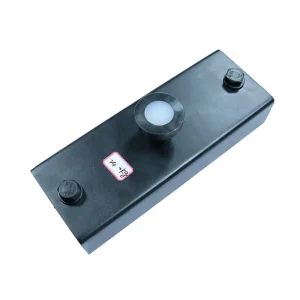
Utilizing shuttering magnets (like the 2100kg and 2400kg boxes) to lock steel forms onto vibrating beds. Saves labor, protects mold tables, and yields clean, straight cast concrete profiles.
Custom NdFeB arc and segment magnets configured for EV powertrains and permanent magnet synchronous generators (PMSG), designed to withstand high working temperatures up to 200°C.
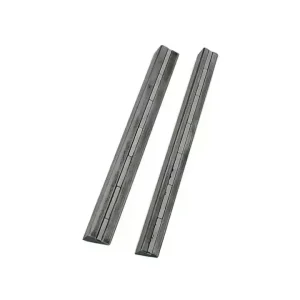
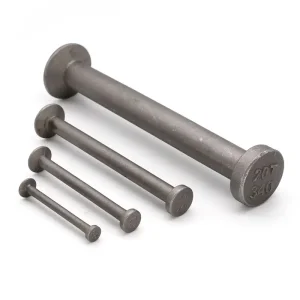
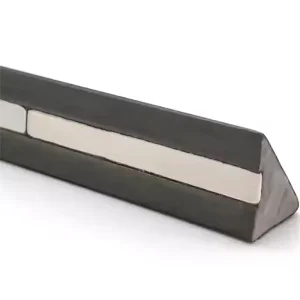
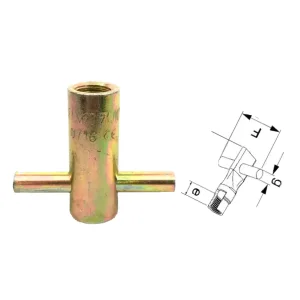
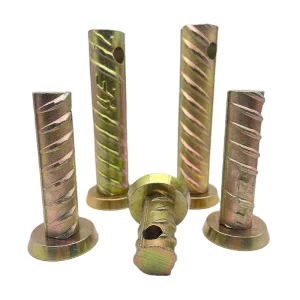
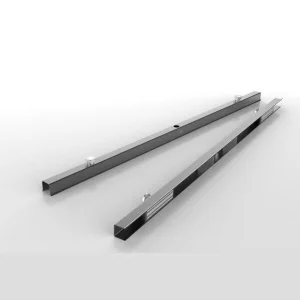
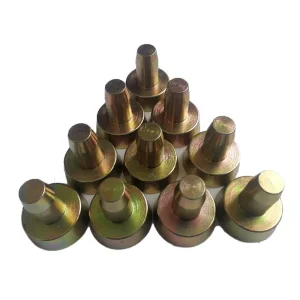
Tailored pot magnets with threaded stems, magnetic locating pins, and steel chamfer strips that align with existing automated industrial jigs and concrete formwork structures.
For instance, in modern off-site construction (Prefabricated Prefab Modular Units), productivity depends on the speed of mold reconfiguration. Setting up manual forms using wood screws and welding anchors requires hours and ruins casting tables. Shuttering magnets reduce preparation time by over 70%, allowing rapid placement and displacement via ergonomic release levers. The steel housing of the magnet, typically built of high-strength carbon steel, acts as a protective shield against chemical ingress from concrete admixtures and extreme mechanical vibration.
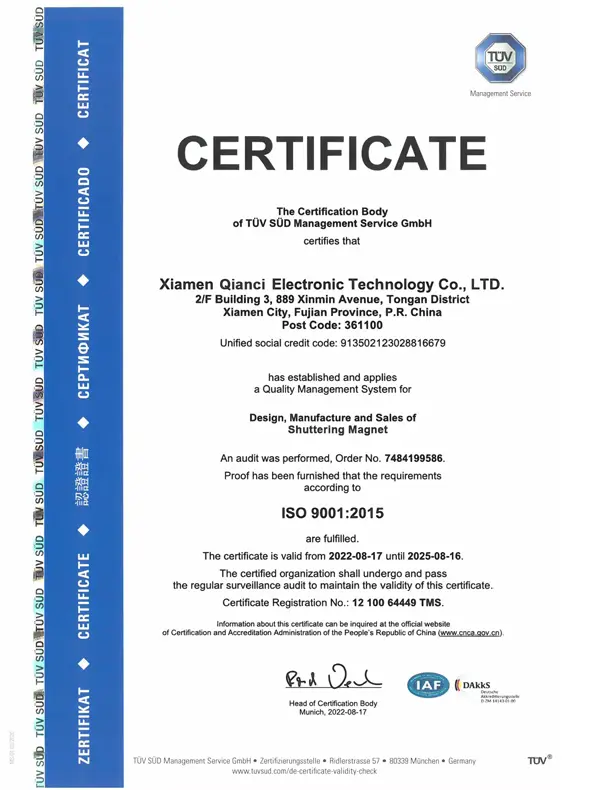
QCM Magnet specializes in offering complete magnetic fixing solutions for the production of precast concrete components. Our primary products include Shuttering Magnets and their corresponding accessories, Formwork Magnets, Magnetic Chamfering Strips, and various pre-embedded insert magnets.
Utilizing magnetic fixing in precast concrete component production prevents damage to the platform, enhances work efficiency, reduces labor costs, and promotes economic efficiency as the magnetic fixing devices are reusable.
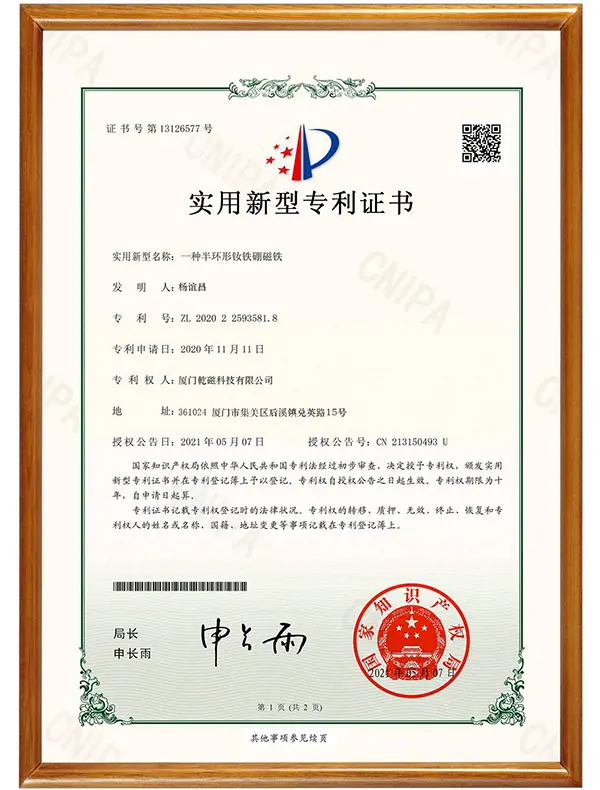
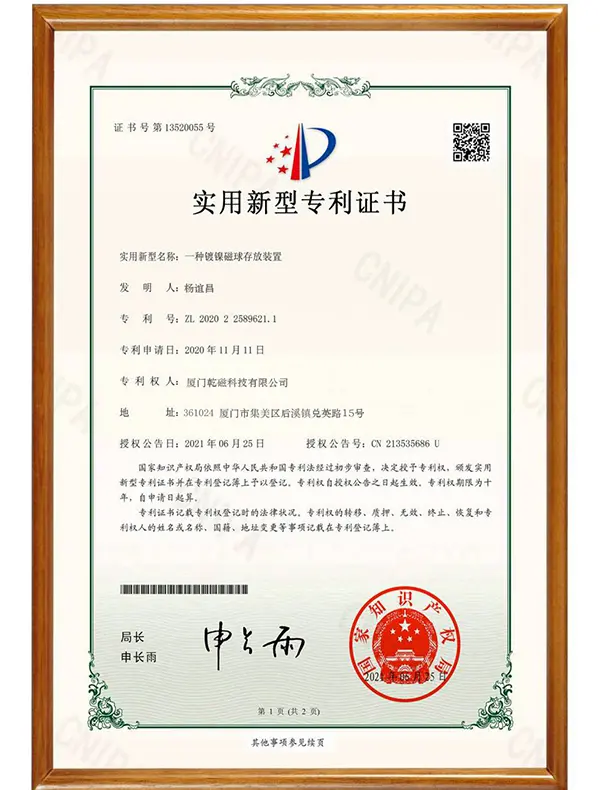
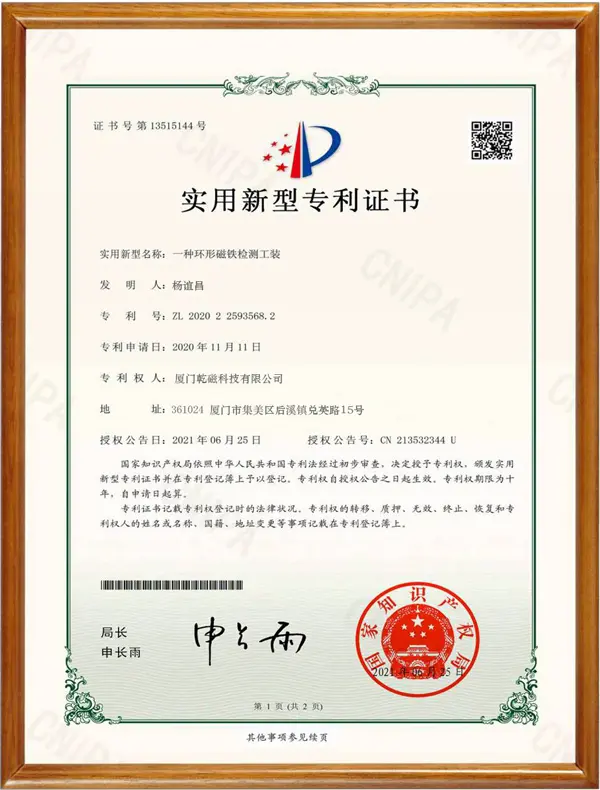
Using our expertise in magnetic components and our extensive experience in supporting the production of precast components, we have developed numerous new and practical magnetic fixing products. Our products come with complete specifications, excellent quality, ease of operation, and long service life. Additionally, we can promptly customize a variety of magnetic fixing parts to meet the diverse needs of our customers.
We are willing to share our expertise with you to help you solve your specific application needs for magnetic components.
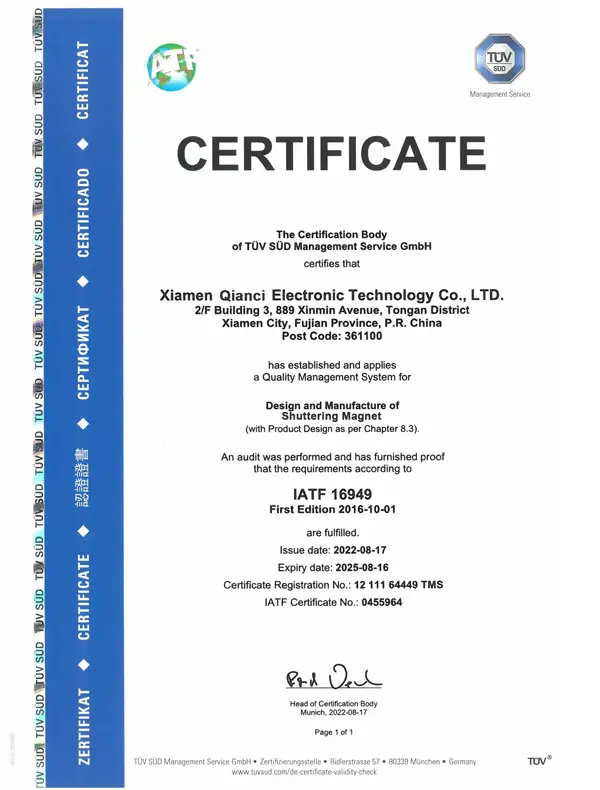
Qianci Magnet is a strong magnetic component factory, specializing in the production and research and development of formwork magnets, magnetic formwork, insert magnets, magnetic concrete chamferers and other products.
Our business mainly involves precast concrete magnetic system solutions, helping you to better carry out concrete element production.
Become a global leading manufacturer and excellent service provider of magnetic solutions for the precast concrete industry.
The performance limit of an NdFeB magnet assembly relies closely on metallurgical control. The core challenge of utilizing high-energy magnets in industrial environments is thermal degradation (loss of flux at high temperatures) and environmental oxidation. Below is our engineering roadmap for tackling these physical limitations:
Historically, to increase the intrinsic coercivity (Hcj) of NdFeB magnets for high-temperature service, heavy rare earth elements such as Dysprosium (Dy) or Terbium (Tb) were alloyed throughout the entire magnet body. This increased raw material costs and reduced the remanence (Br) of the magnet. Our state-of-the-art Grain Boundary Diffusion (GBD) process diffuses Dy/Tb selectively along the boundary channels of the Nd2Fe14B grain structure. This technique maximizes thermal stability with minimal heavy rare-earth addition, ensuring high coercivity without compromising energy product limits.
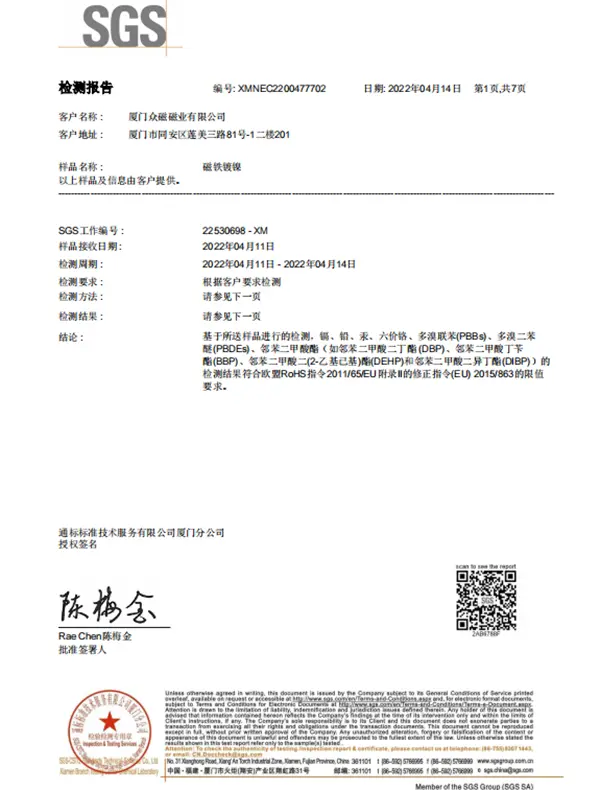
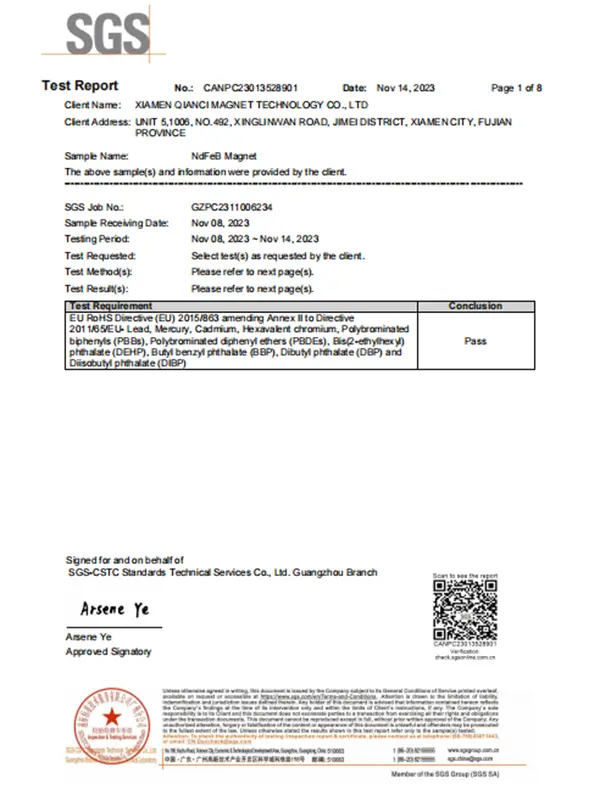
Sintered NdFeB is chemically active due to its high iron content and multiphase microstructure. For maritime and construction environments where humidity, concrete slurries, and saltwater exposure are constant, standard magnet coatings are insufficient. Our OEM solutions employ advanced surface treatments:
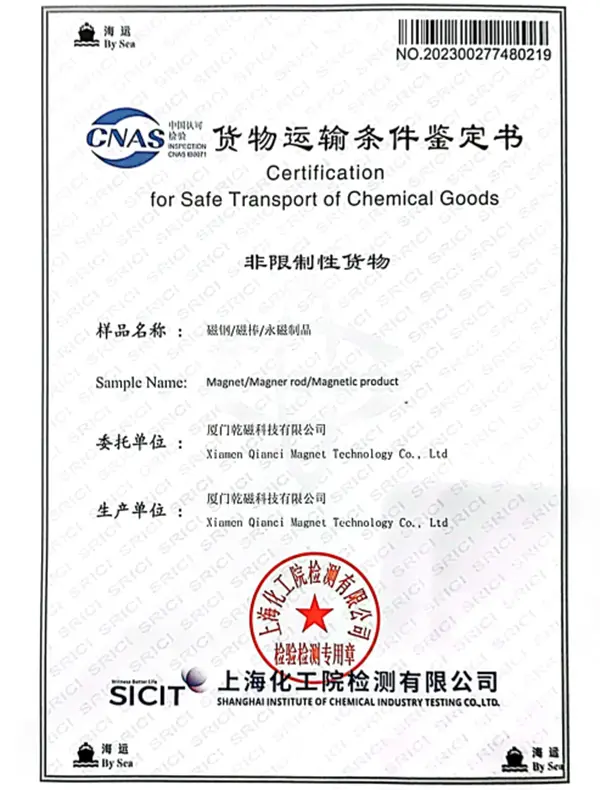
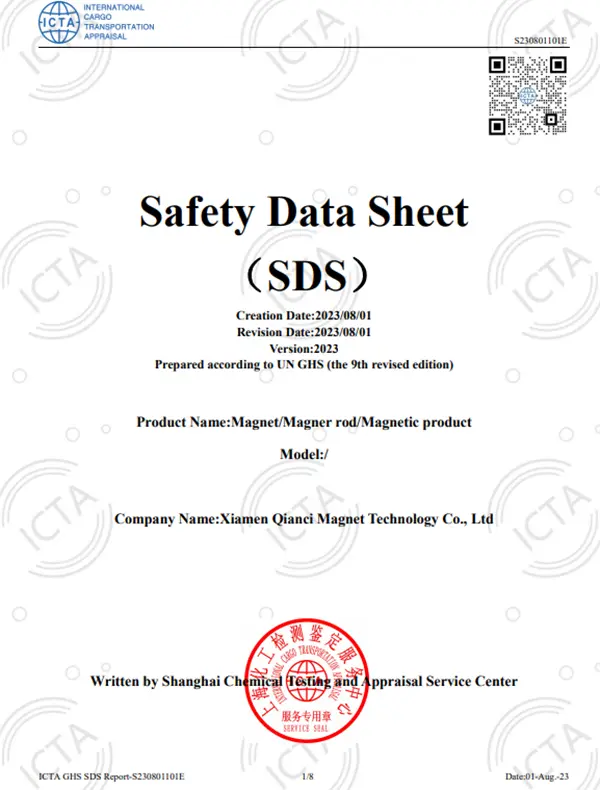
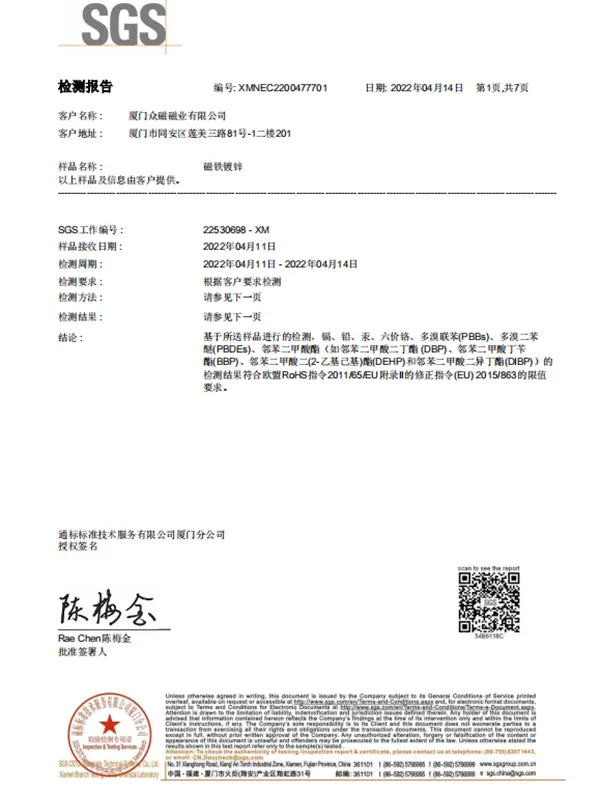
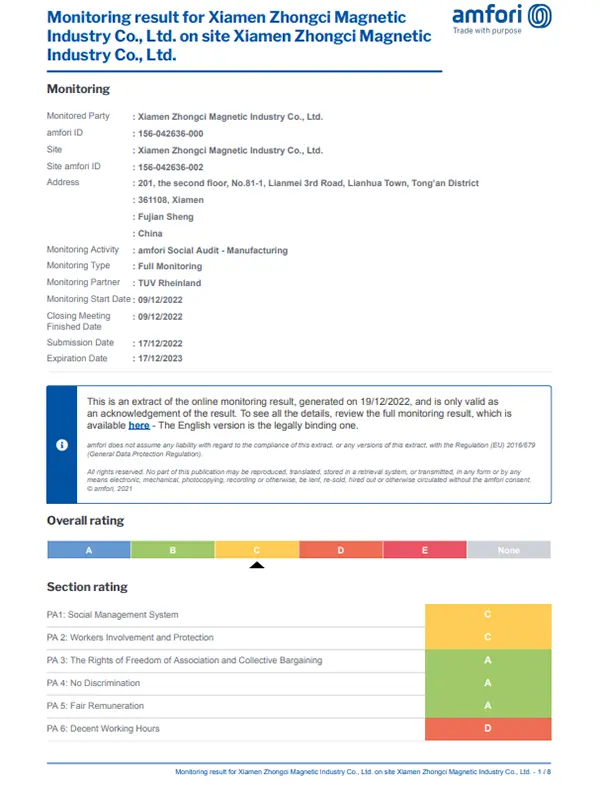
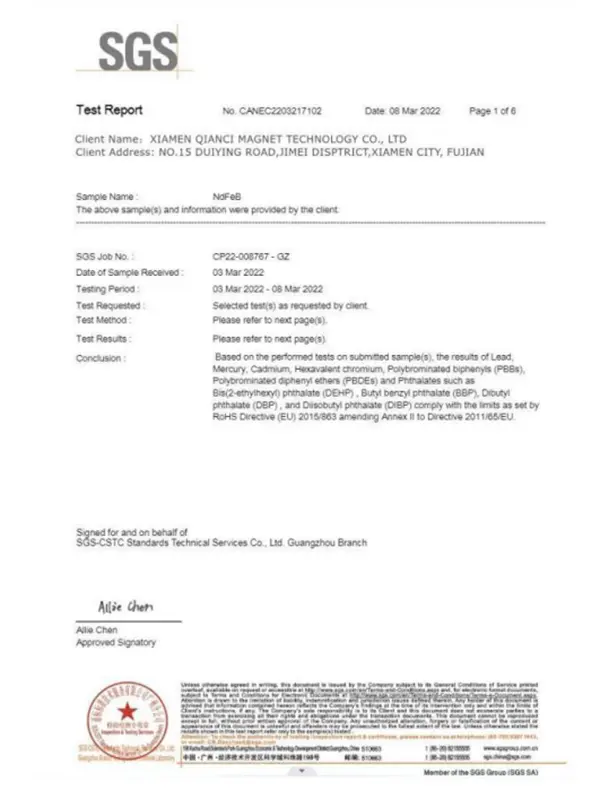
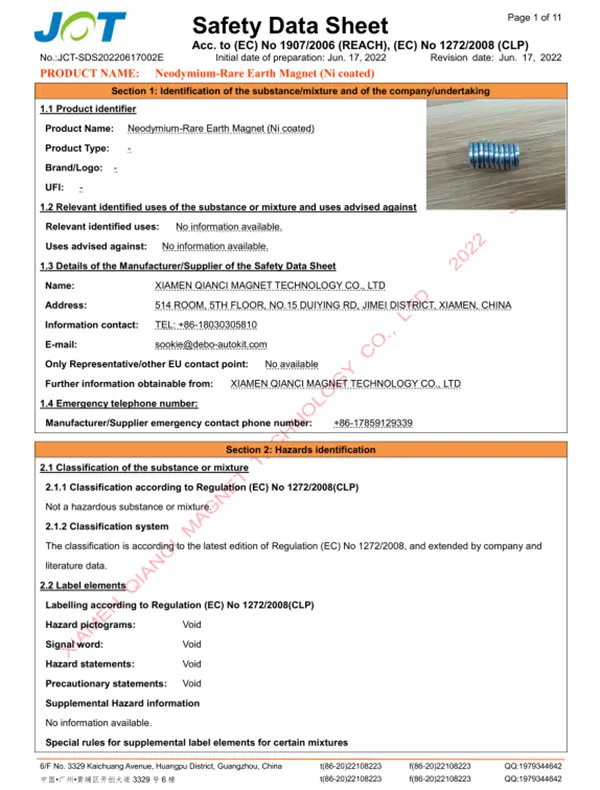
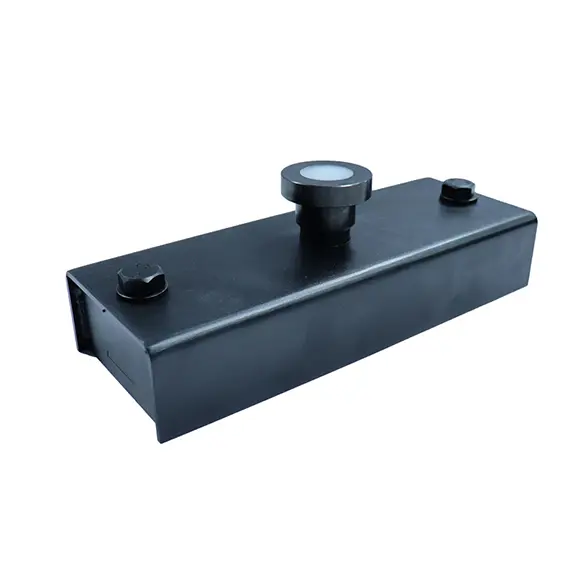
Precast concrete systems: Shuttering molds shape edges/openings on flat surfaces using magnetic fixation, while mold systems support structures...

QCM, a global leader in magnetic components, will participate in UK Construction Week 2025. From May 7th to 9th, at NEC Birmingham...