1 / 4

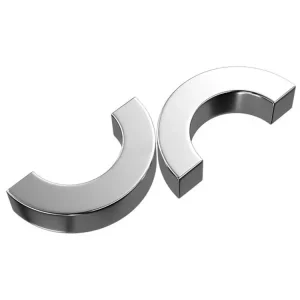
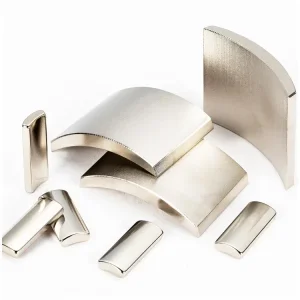
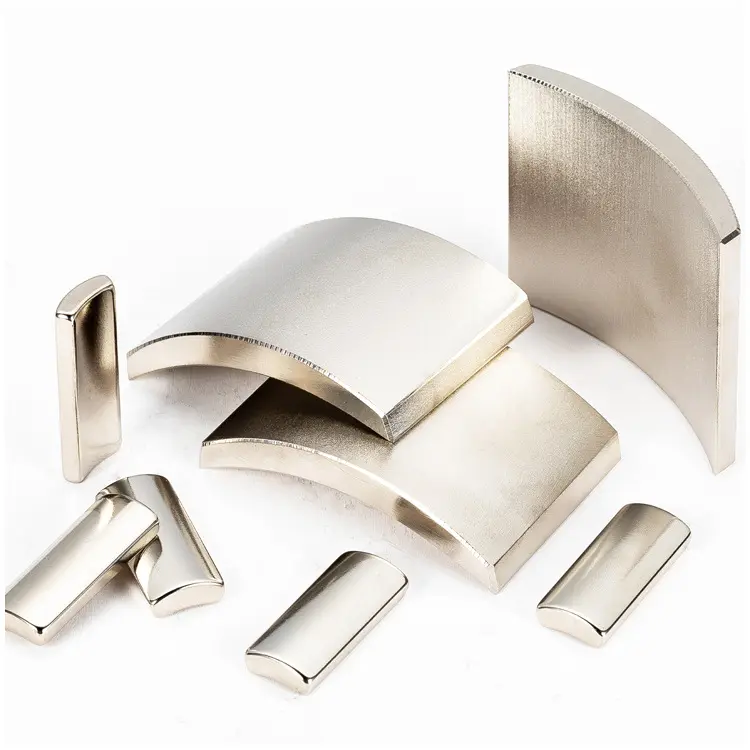
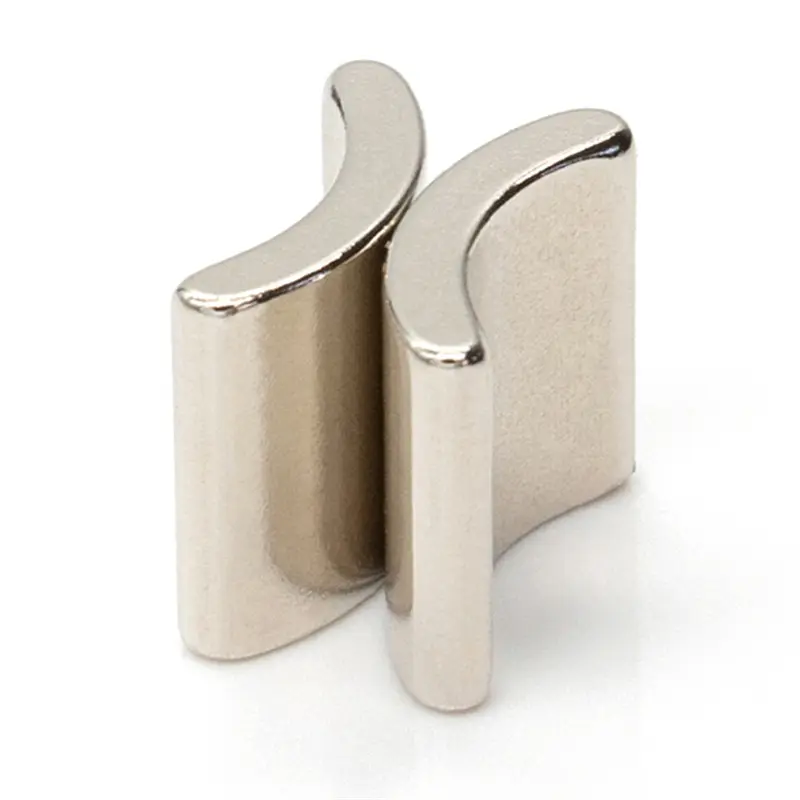
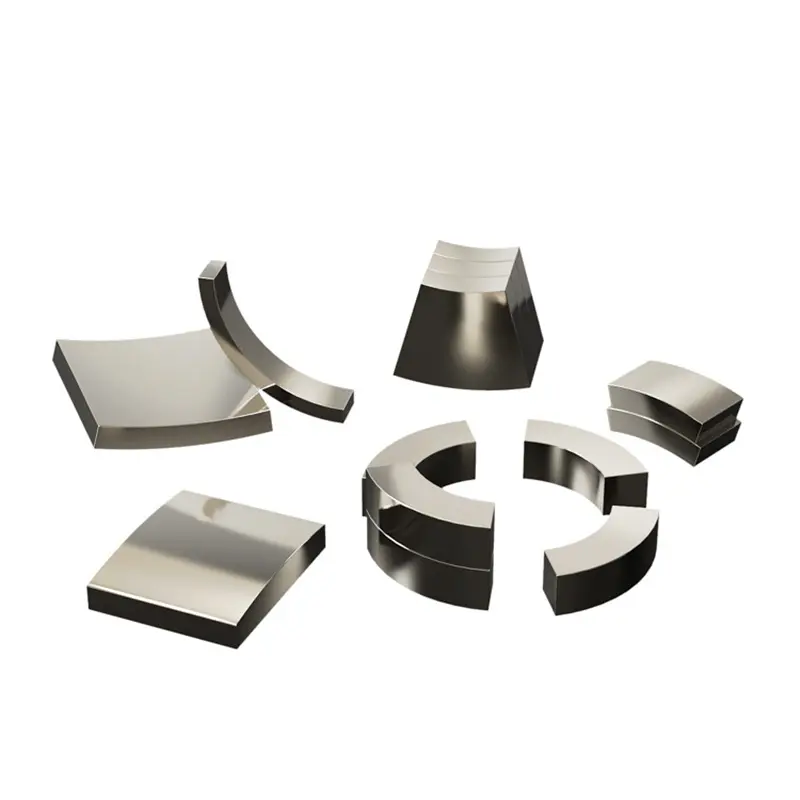
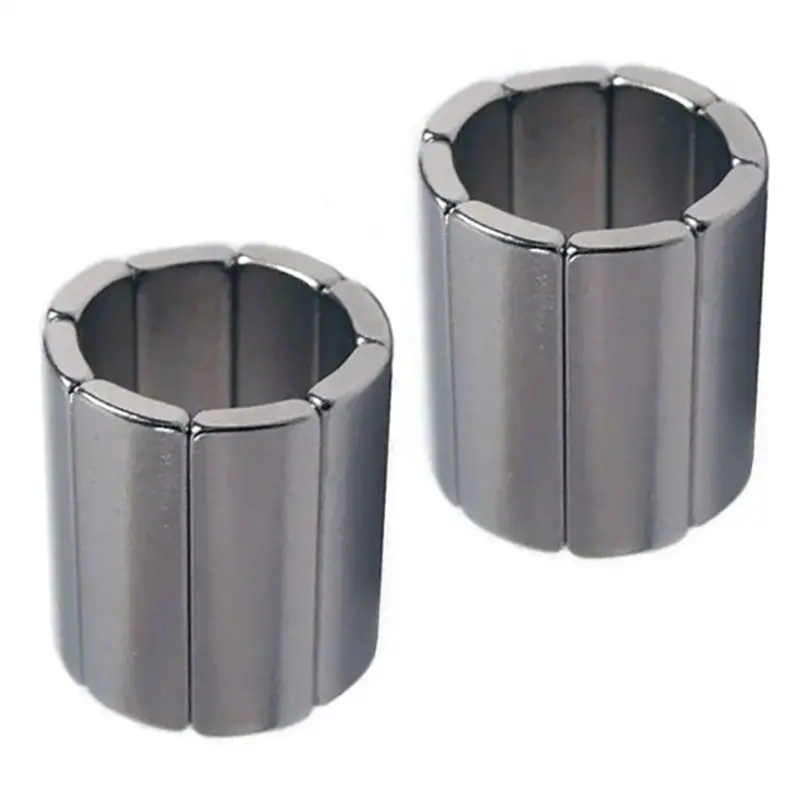
The production material of the magnetic ring is generally ferrite magnetic material. They have the characteristics of high permeability, high saturation flux density and low hysteresis loss, providing a solid foundation for the components.
According to the shape and size requirements, the magnetic material sheet is pressed using a pressure punch, followed by secondary stamping in the mold to trim and smooth the edge, ensuring dimensional accuracy and surface finish.
The stamped magnetic ring needs to be baked and annealed at high temperatures. This critical step eliminates the residual stress inside the material and improves the magnetic permeability of the alloy.
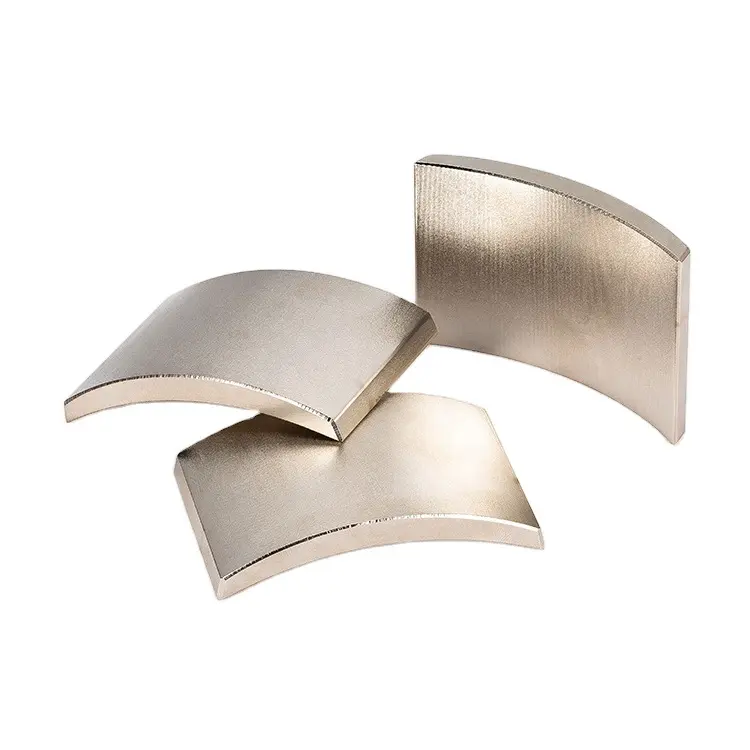
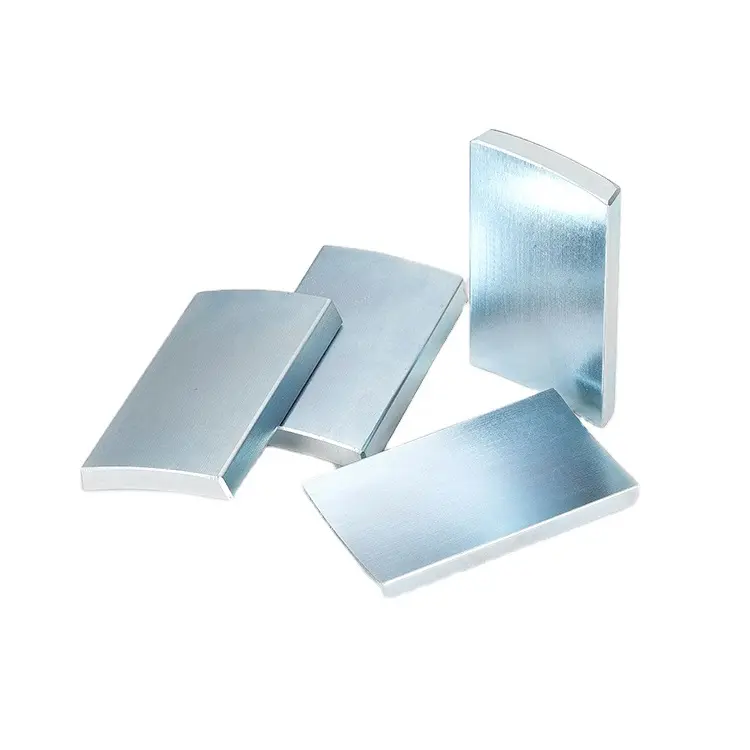
Magnetic rings are generally produced using ferrite magnetic materials, which feature high permeability, high saturation flux density, and low hysteresis loss.
The shape and size are determined by selecting the corresponding mold for stamping, which is usually performed using a pressure punch to ensure accuracy and surface finish.
Baking and annealing the magnetic rings at high temperatures eliminates the residual stress inside the material, improving the magnetic permeability and overall performance of the alloy.
The complete production process involves multiple steps, including material selection, mold design, stamping, and high-temperature baking/annealing.
Magnetic rings have a wide range of applications, including electronic communication equipment, power transmission equipment, automobile manufacturing, and other related industries.