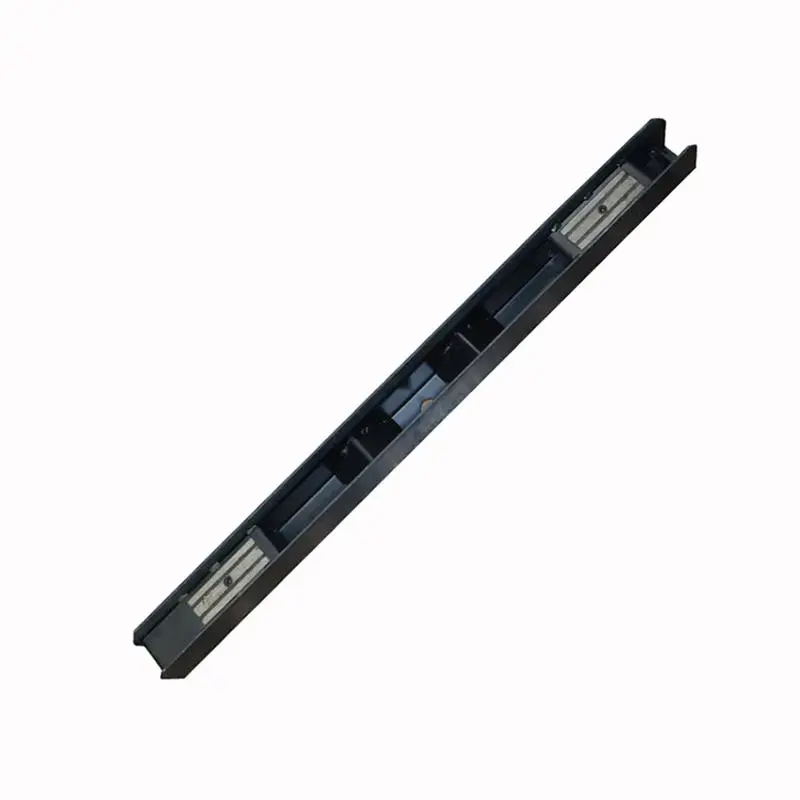
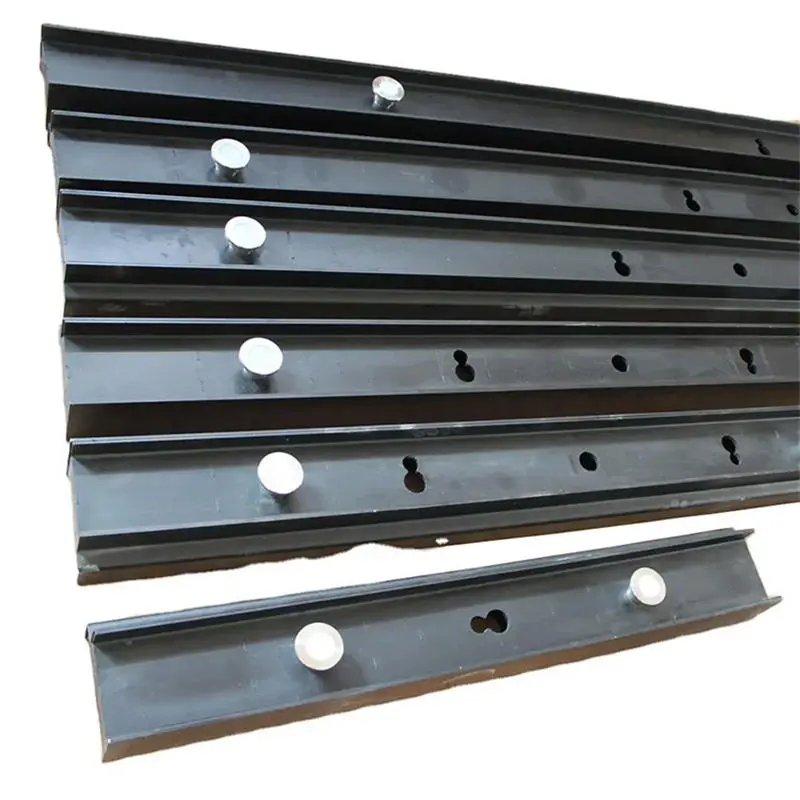
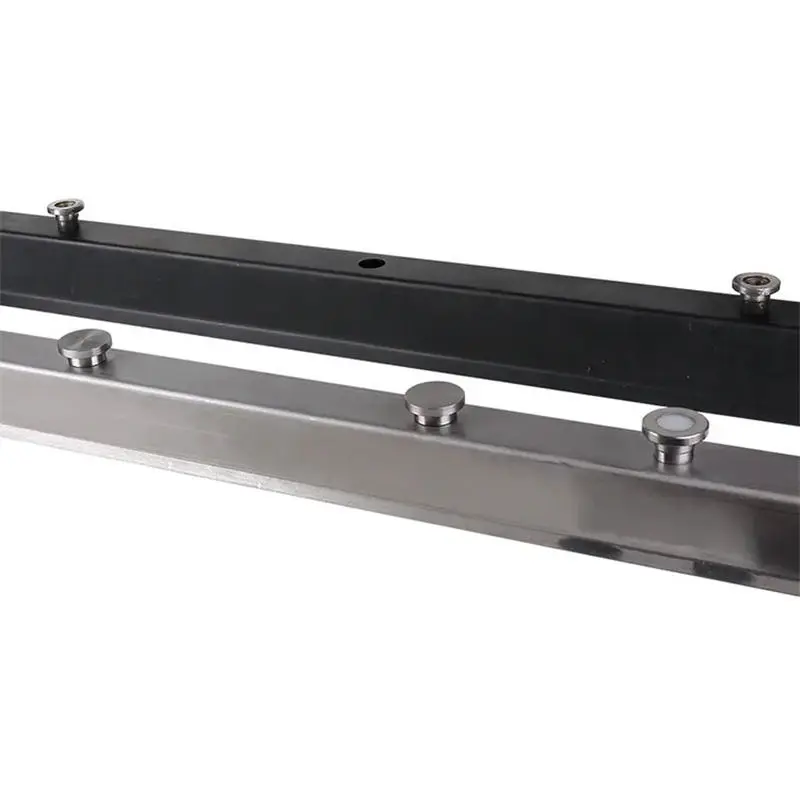
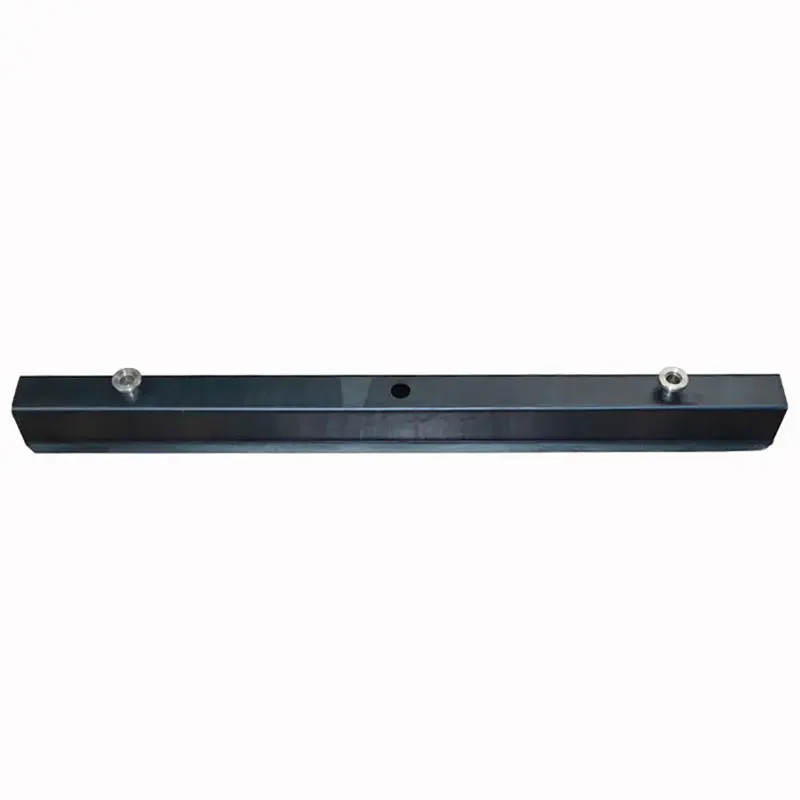
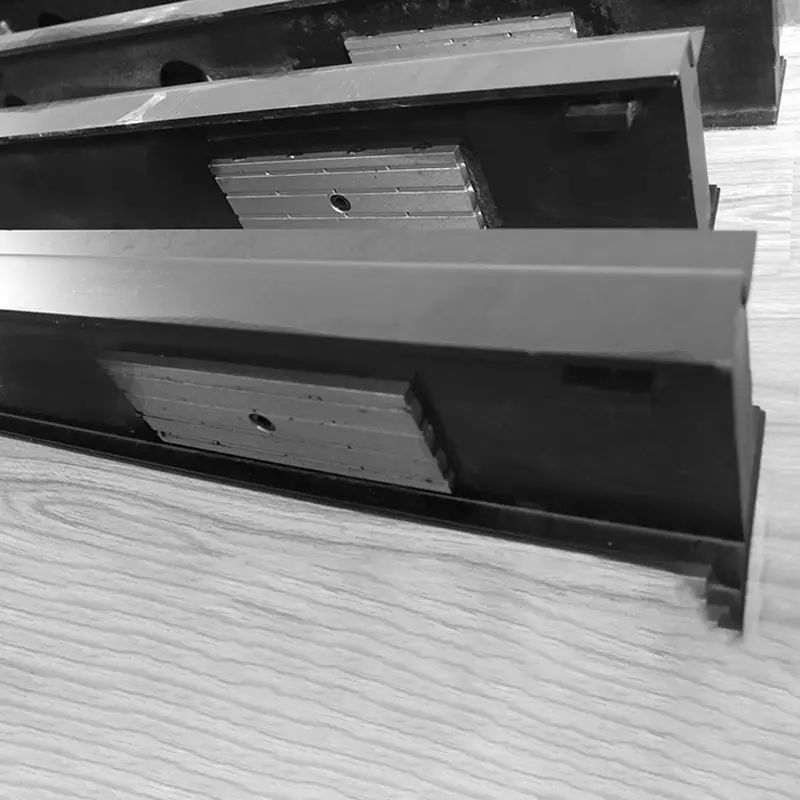
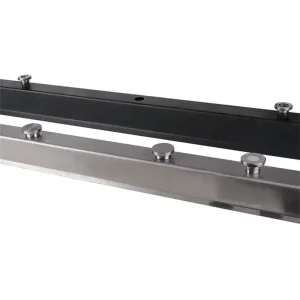
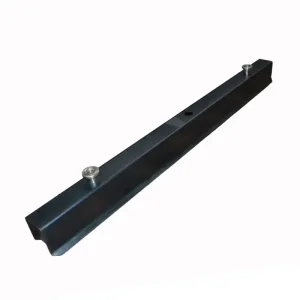
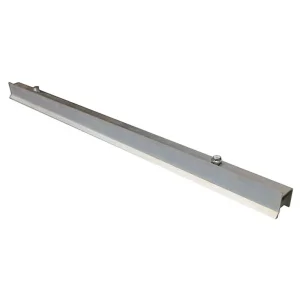
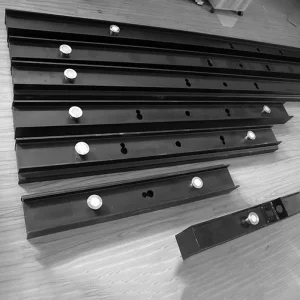
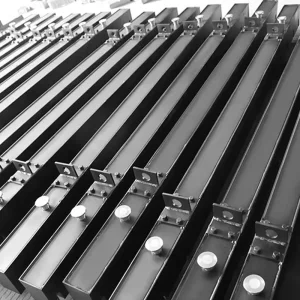
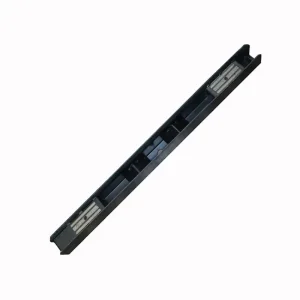
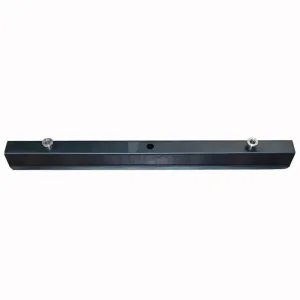
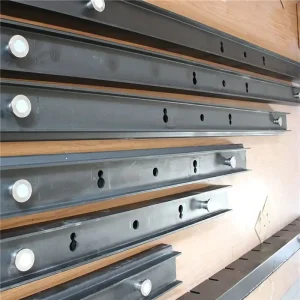
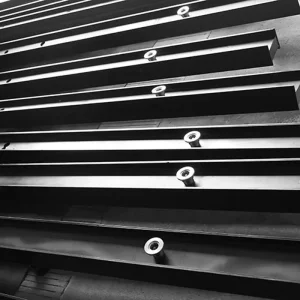
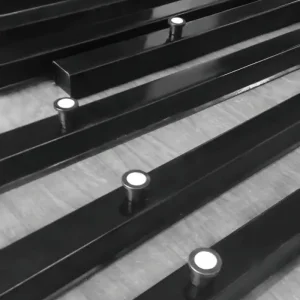
Magnetic formwork, also known as MAGNETIC FORMS, are a solution for the rapid erection of frames prior to the pouring of precast concrete. The system has powerful neodymium magnet module built in and is mounted in a rectangular steel wheel gallery.
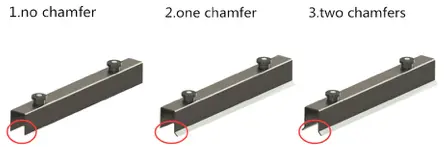
Precast Formwork Magnet Systems has 3 chamfers to choose from
Uses
1Improved construction efficiency
The use of magnetic formwork can speed up construction because they are fast-fixed by the magnetic adsorption principle. The operator simply presses the button to position a single formwork without the need for additional welding or drilling to adjust the fixing.
2Cost savings
Due to simplified operations, the need for formworkers is reduced. It is understood that a construction project after the use of magnetic formwork can save more than 200,000 U.S. dollars a year in labor costs. In addition, magnetic formwork eliminates the need to drill holes, eliminates formwork wear and tear, extends service life, and reduces maintenance costs.
3Precision control
Magnetic formwork tolerance range is small, within ± 0.5mm, which ensures that the component size error is less than 1/3 of the traditional system. A high-rise building project measurements show that the verticality deviation of the columns from the traditional process of 8mm down to 2mm.
4Surface quality optimization
Magnetic formwork eliminates the surface indentation caused by traditional fasteners, so that the finished concrete finish reaches the ISO 13006 standard class B (0.8mm ≤ defects ≤ 1.5mm).
5Improved safety
The tensile strength of magnetic formwork system reaches 45kN (about 4.5 tons), which is 300% higher than that of traditional fixtures (15kN on average). In the vibration table test, the magnetic formwork remains stable under the frequency of 30Hz and amplitude of 5mm, effectively preventing formwork loosening accidents.
6Saving material
Magnetic formwork reuse times more than 2000 times, is 50 times of the wooden template, 3 times of the steel template. A prefabricated factory statistics show that the annual reduction of steel consumption amounted to 380 tons.
Application
1Concrete Wall Production
Magnetic formwork is commonly used in precast plants to produce standardized concrete walls in large quantities because of its ability to quickly form and adjust forms.
2Floor and Beam Production
The same magnetic formwork shines in the production of these products.
3Bridge and Infrastructure Construction
Magnetic formwork possesses strong adhesion, also understood as vibration resistance. This property is suitable for works on railroads or highway attachments.
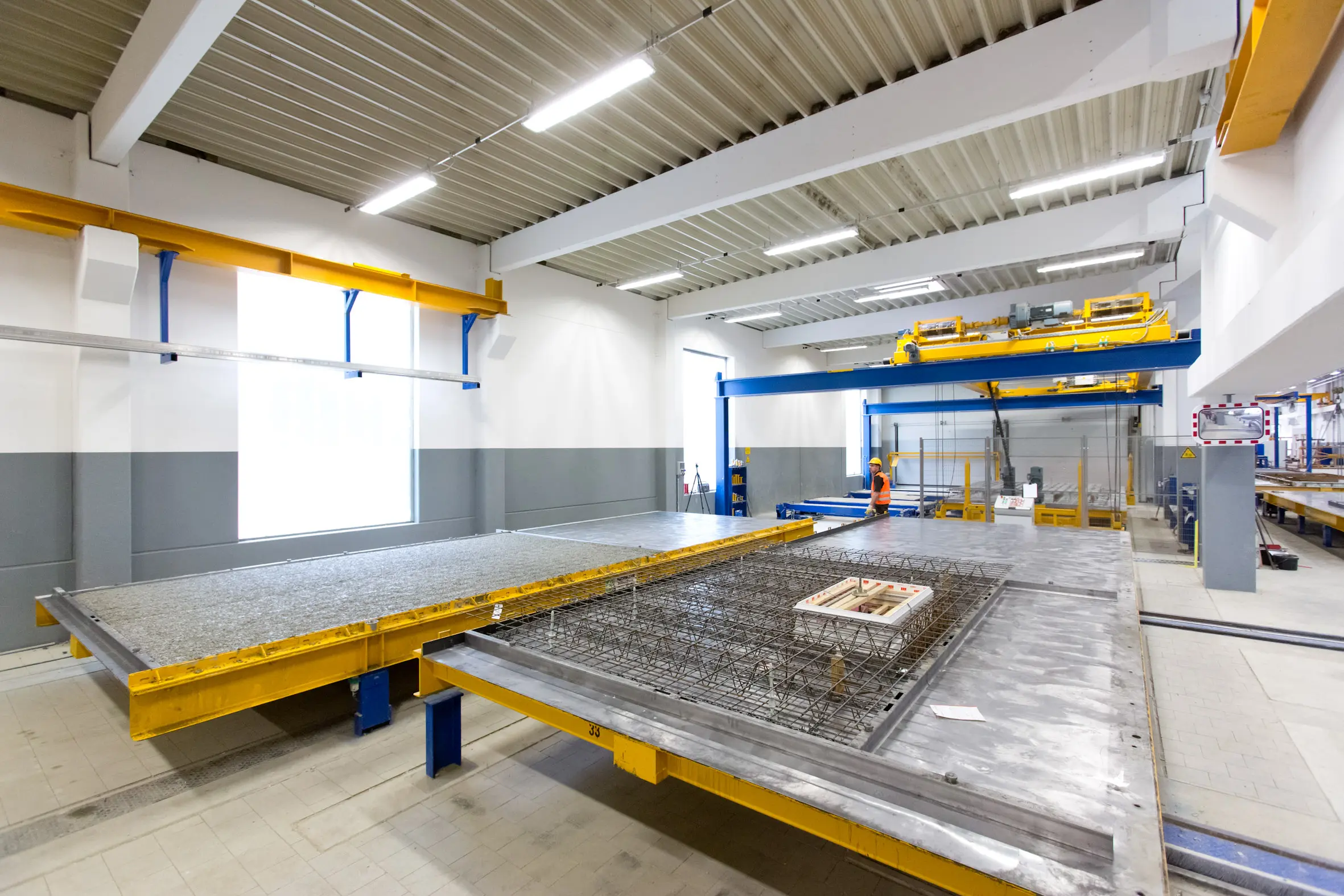
Applications of Precast Formwork Magnet Systems
The magnetic fixing of the magnetic formwork reduces the error value of the installed formwork, thus avoiding the need for manual sanding and adjustments required by traditional construction methods, reducing labor intensity and construction costs while improving quality and efficiency. Due to the magnetic nature of magnetic formwork, these side moldings can be easily attached to the formwork for easy installation and removal, making them ideal for fast and high-volume construction projects.
Frequently Asked Questions
What is magnetic formwork and how does it function?
Magnetic formwork, or magnetic forms, is an advanced solution used for the quick erection of frames before pouring precast concrete. It features integrated powerful neodymium magnet modules inside a rectangular steel gallery, allowing secure attachment to formwork beds.
How does magnetic formwork help save construction costs?
By simplifying structural setups, it significantly reduces the need for traditional manual labor, saving substantial annual labor costs. Furthermore, it eliminates the need for damaging processes like drilling, which extends formwork service life and minimizes maintenance expenses.
What level of dimensional accuracy can be achieved using magnetic forms?
The system features an extremely tight tolerance range of within ±0.5mm. This high precision reduces component sizing errors to less than one-third compared to traditional construction methods, keeping deviations, like column verticality, to a minimum.
Is the magnetic formwork system safe and resistant to vibrations?
Yes, safety is greatly enhanced. The system boasts a tensile strength of up to 45kN (approximately 4.5 tons), which is 300% higher than traditional fixtures. It remains completely stable on vibration tables at frequencies of 30Hz and amplitudes of 5mm, preventing formwork detachment.
How many times can these magnetic formworks be reused?
Magnetic formwork is highly durable and can be reused more than 2,000 times. This durability makes it 50 times longer-lasting than traditional wooden templates and 3 times longer-lasting than standard steel templates, significantly lowering overall material consumption.