Advanced Magnetic Fixing Systems engineered for maximum load capacity, dimensional precision, and longevity.
How Modern Engineering Leverages Ultra-Thin, Ultra-Strong Neodymium Magnets for Next-Gen Solutions
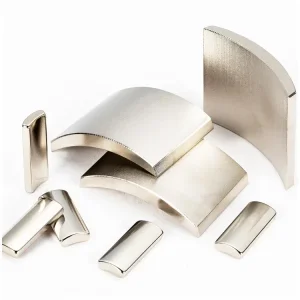
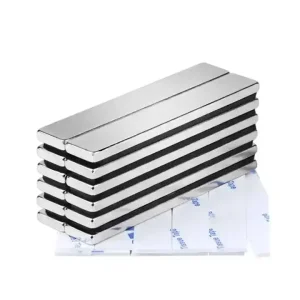
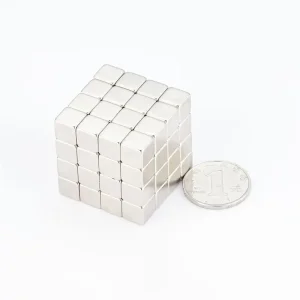
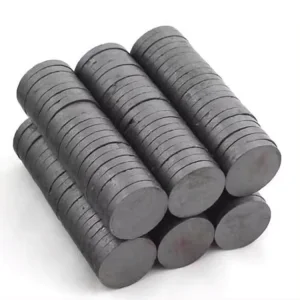
Across the global industrial landscape, the requirement for miniaturized, highly efficient, and exceptionally strong magnetic structures has experienced exponential growth. In fields such as high-performance micro-motors, precision consumer electronics, robotics actuators, and massive precast concrete formwork fixing setups, the demand profile points towards optimized thickness-to-flux ratios. This whitepaper analyzes the engineering capabilities, manufacturing methodologies, and systemic applications of Strong Thin Flat Magnets (sintered NdFeB and magnetic assemblies), establishing how advanced processing techniques overcome traditional physical boundaries such as demagnetization risk and mechanical fragility.
Developing thin flat magnets involves navigating a physical paradox: as a magnet's thickness decreases in the direction of magnetization, its *Permeance Coefficient* ($P_c$) drops. A lower $P_c$ makes the magnet significantly more vulnerable to demagnetization from external fields, heat, and internal self-demagnetizing factors.
To counter this, high-end manufacturers use high-coercivity (Hcj) Neodymium Iron Boron (NdFeB) chemical formulas, often using heavy rare earth elements (HREE) like Dysprosium (Dy) and Terbium (Tb) through grain boundary diffusion (GBD) processes. This technique increases intrinsic coercivity without significantly reducing remanence ($B_r$), allowing thin sheets (under 1mm thick) to perform reliably at higher temperatures without losing magnetization.
International B2B procurement professionals require tailored manufacturing solutions rather than off-the-shelf components. The primary procurement demands span three major sectors:
Standard engineering parameters across typical industrial NdFeB magnet grade classifications
| Material Grade | Remanence (Br) - T | Coercivity (Hcb) - kOe | Intrinsic Coercivity (Hcj) - kOe | Max Energy Product (BH)max - MGOe | Max Operating Temp (°C) |
|---|---|---|---|---|---|
| N35 - N52 | 1.17 - 1.48 | ≥ 10.9 | ≥ 12 | 33 - 53 | 80 |
| N35M - N50M | 1.17 - 1.43 | ≥ 11.1 | ≥ 14 | 33 - 51 | 100 |
| N33H - N48H | 1.13 - 1.39 | ≥ 10.8 | ≥ 17 | 31 - 49 | 120 |
| N30SH - N45SH | 1.08 - 1.36 | ≥ 10.6 | ≥ 20 | 28 - 46 | 150 |
| N28UH - N40UH | 1.02 - 1.28 | ≥ 9.6 | ≥ 25 | 26 - 41 | 180 |
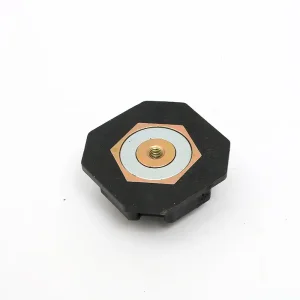
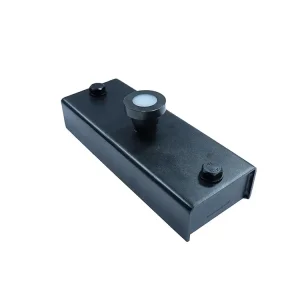
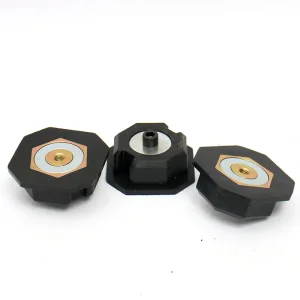
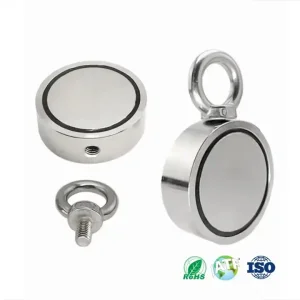
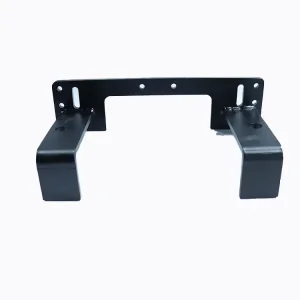
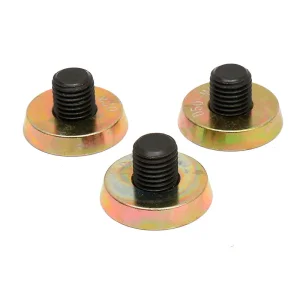
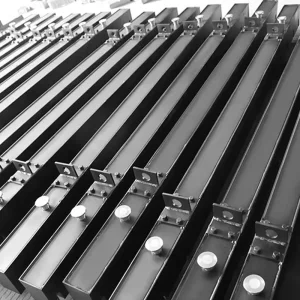
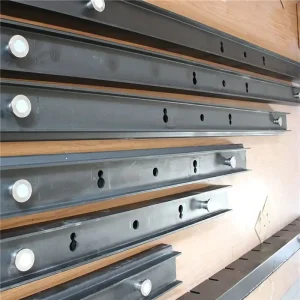
Direct from our manufacturing facility: high-durability concrete-fixing systems and magnetic formwork components


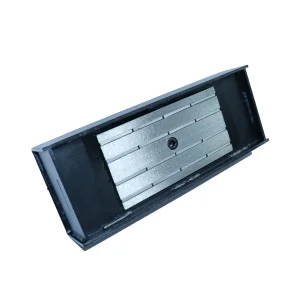
Enhanced design iterations offering superior power-to-weight ratios and optimized magnetic circuit pathways
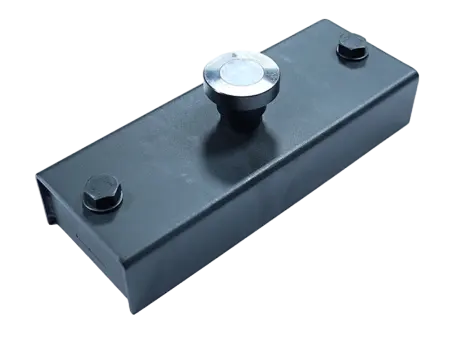
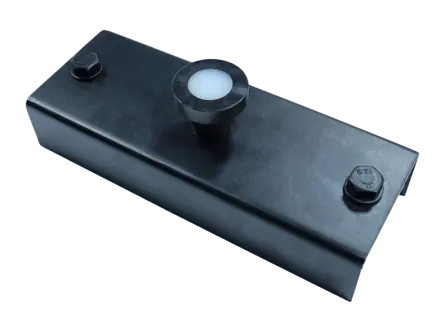
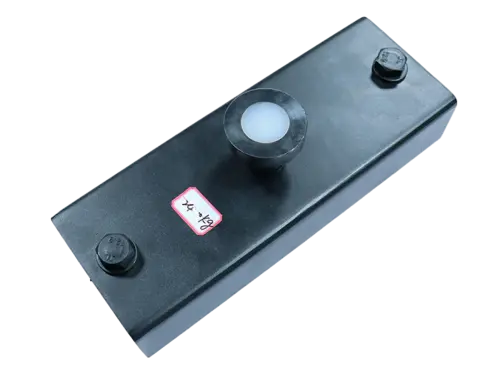
A Global Standard Bearer in Industrial Magnetic Assembly & Formwork Engineering
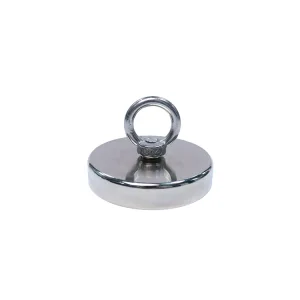
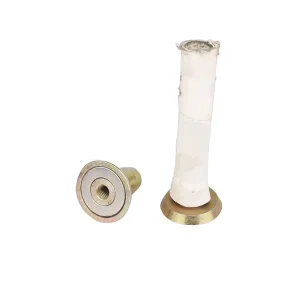
QCM Magnet (Qianci Magnet) specializes in offering complete magnetic fixing solutions for the production of precast concrete components. Our primary products include Shuttering Magnets and their corresponding accessories, Formwork Magnets, Magnetic Chamfering Strips, and various pre-embedded insert magnets. Utilizing magnetic fixing in precast concrete component production prevents damage to the platform, enhances work efficiency, reduces labor costs, and promotes economic efficiency as the magnetic fixing devices are reusable.
Using our expertise in magnetic components and our extensive experience in supporting the production of precast components, we have developed numerous new and practical magnetic fixing products. Our products come with complete specifications, excellent quality, ease of operation, and long service life. Additionally, we can promptly customize a variety of magnetic fixing parts to meet the diverse needs of our customers. We are willing to share our expertise with you to help you solve your specific application needs for magnetic components.
Uncompromising Quality Controls ensuring high magnetic performance, flat precision and structural durability
Producing thin, flat NdFeB magnets that resist cracking requires careful control of microstructural alignment. The raw materials—Neodymium, Iron, Boron, and dopants (such as Cobalt, Copper, and Aluminum)—are induction melted under an inert vacuum atmosphere. The resulting alloy is strip-cast to create thin flakes with a uniform microstructure.
Next, hydrogen decrepitation cracks the flakes, which are then jet-milled in an inert gas system to form a fine powder with particles averaging 3 to 5 microns in size. This powder is then aligned using a strong magnetic field and pressed into shape. Our processes include:
Sintered NdFeB has a reactive microstructure that is vulnerable to moisture. To prevent corrosion in environments like precast concrete casting, we apply advanced surface treatments. These include multi-layer Nickel-Copper-Nickel (Ni-Cu-Ni) plating, spray-applied epoxy coatings, and chemical vapor deposited (CVD) Parylene layers. These coatings act as an effective barrier against water and chemical exposure.
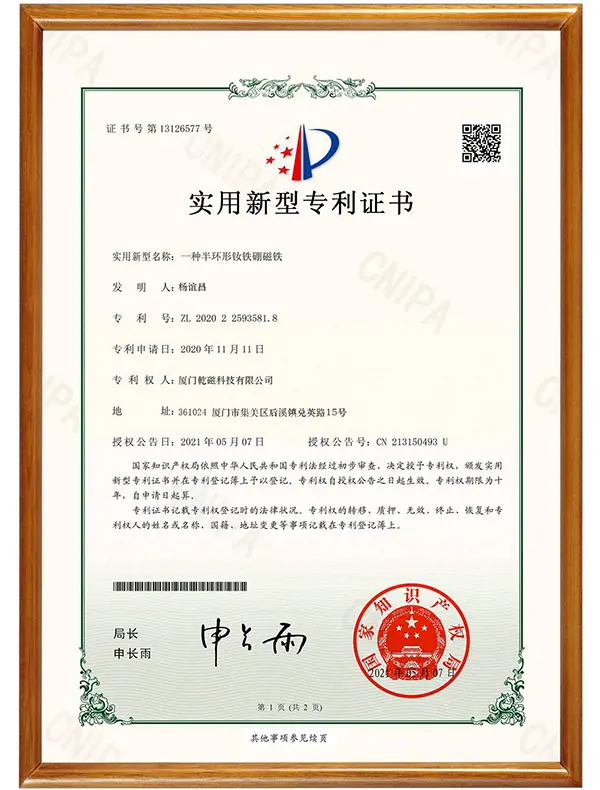
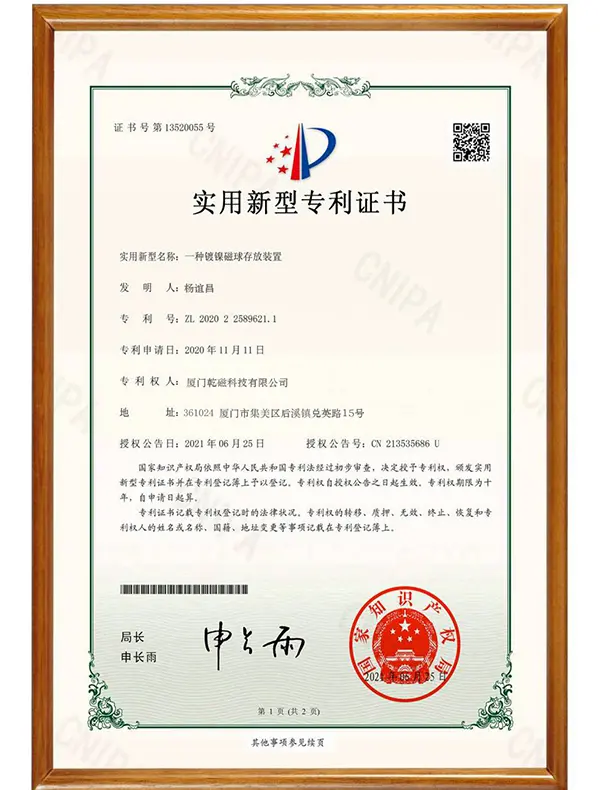
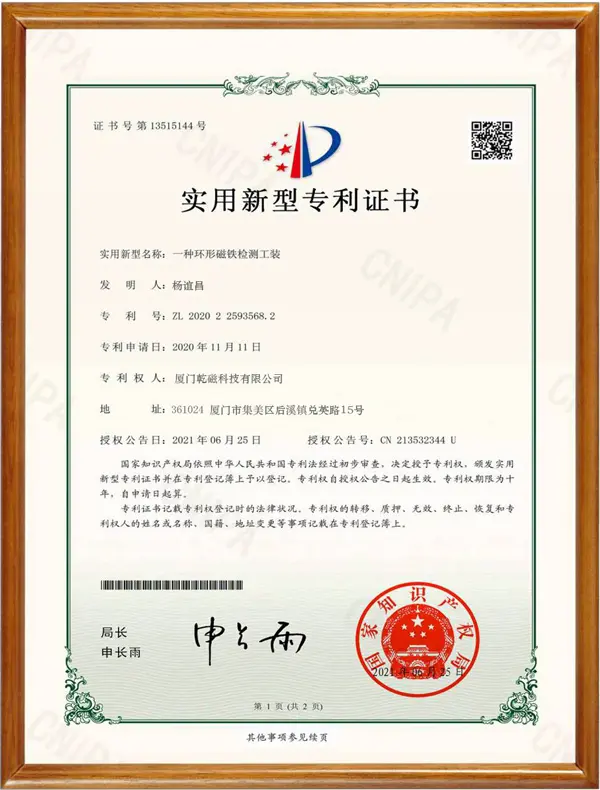
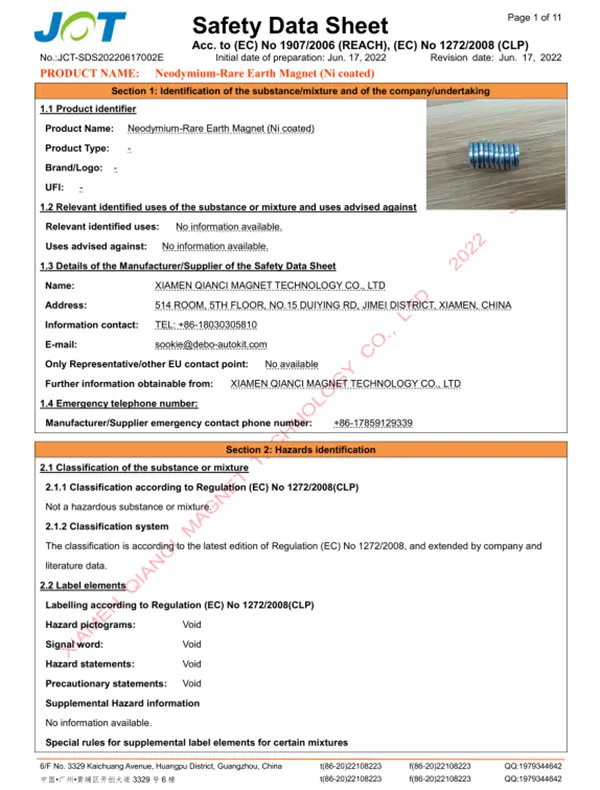
Fully compliant with international quality management systems, manufacturing safety standards, and environmental directives
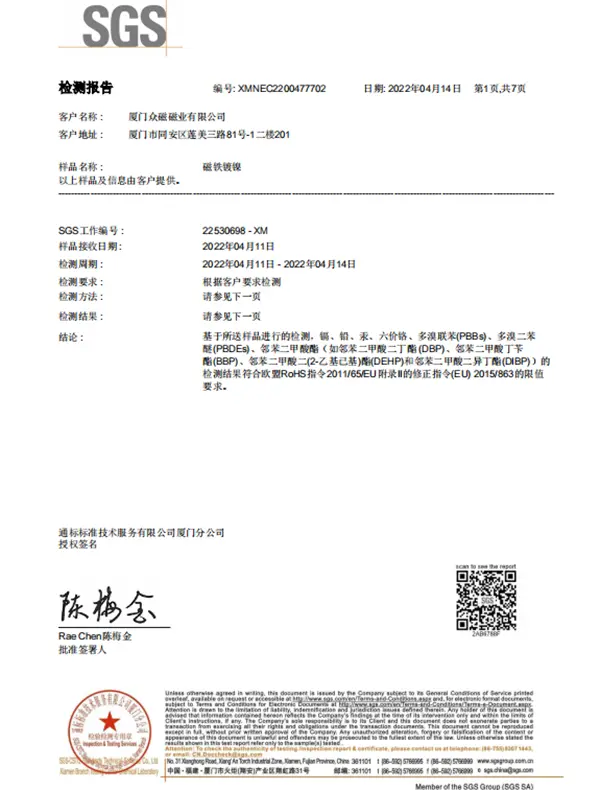
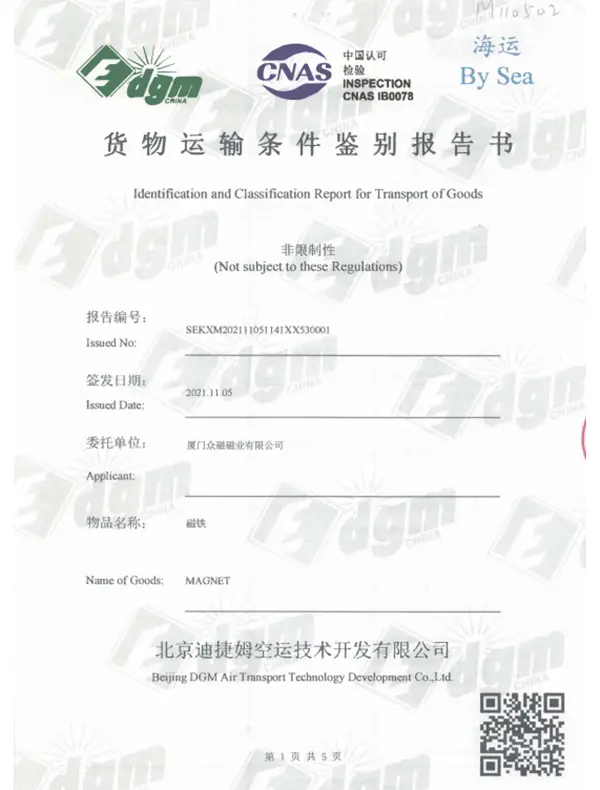
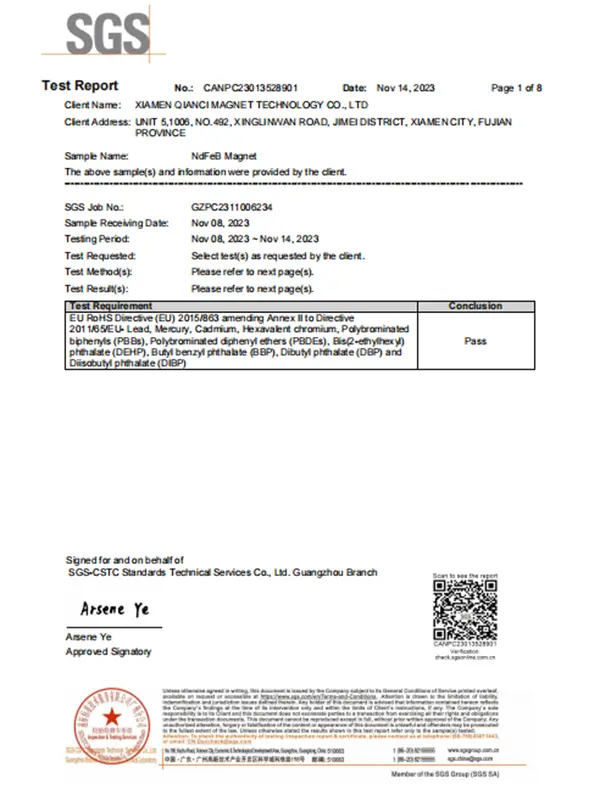
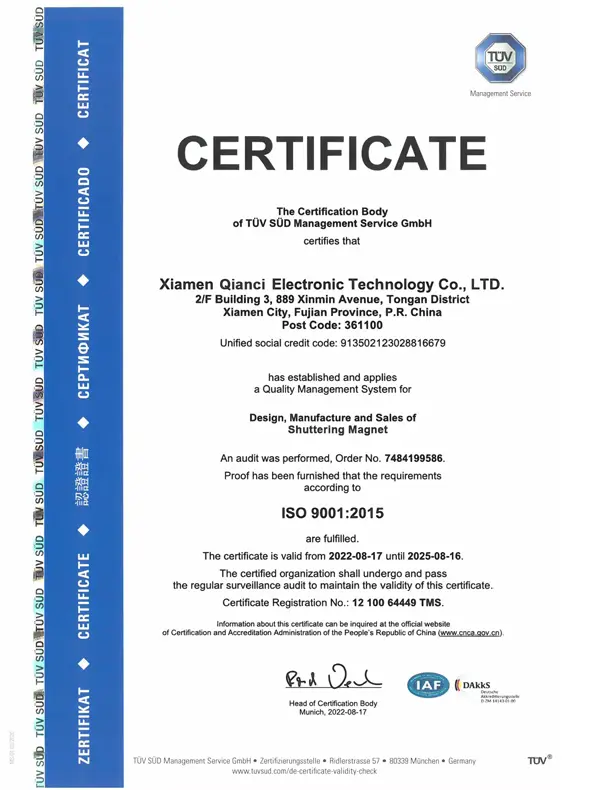
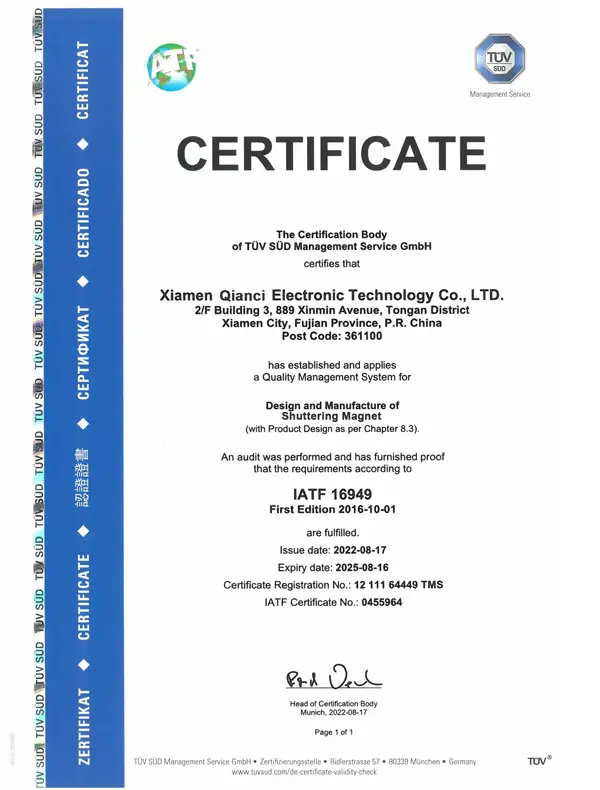
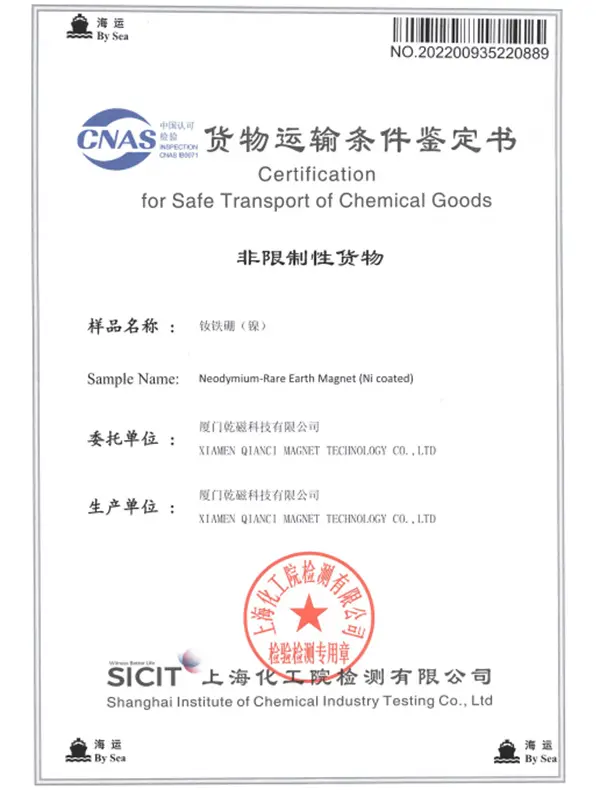
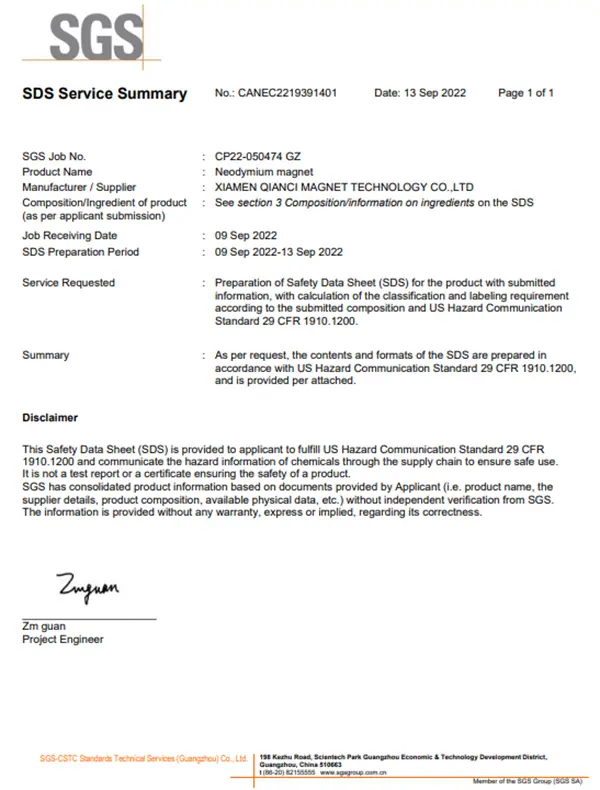
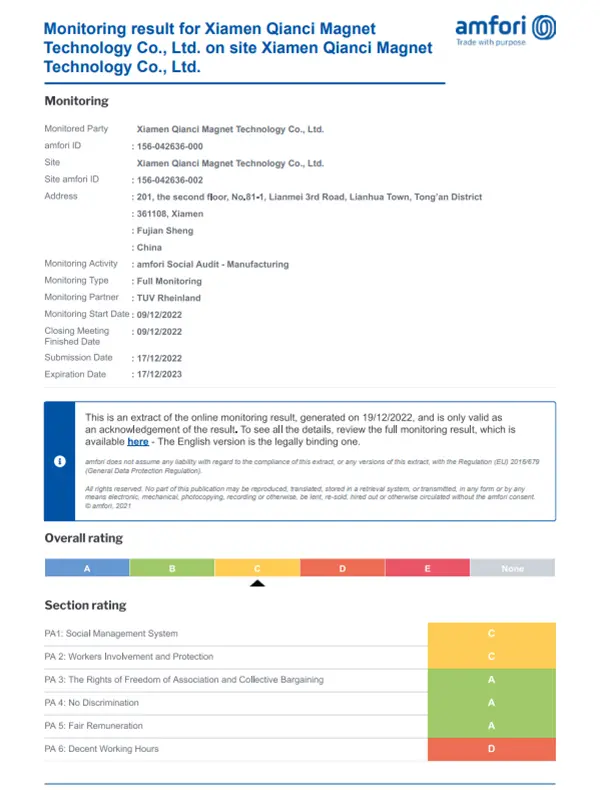
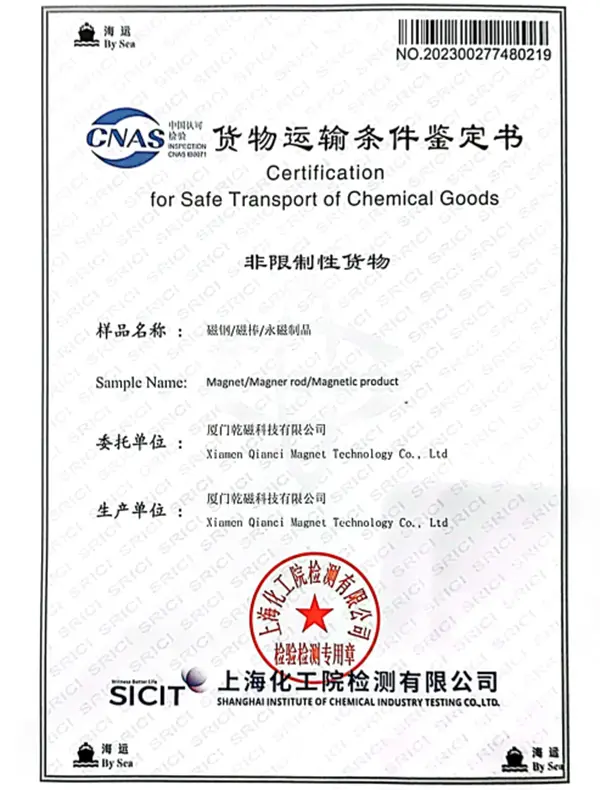
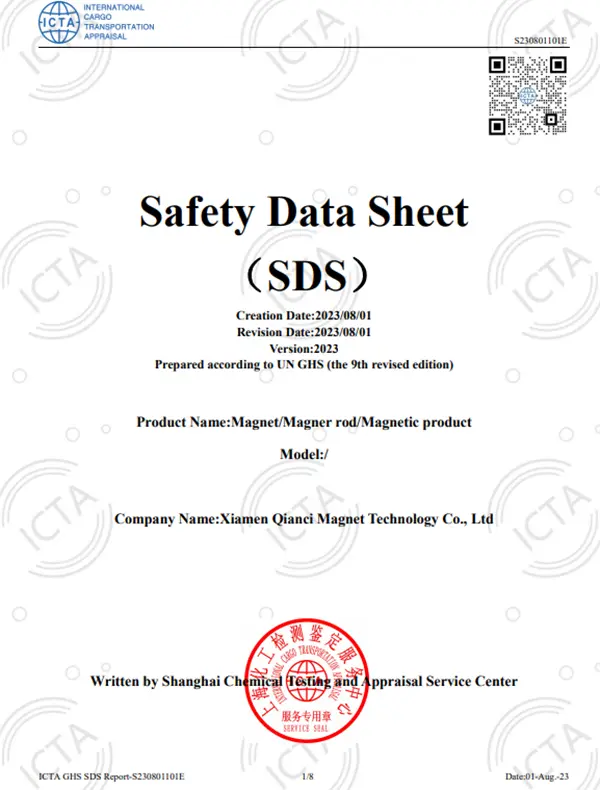
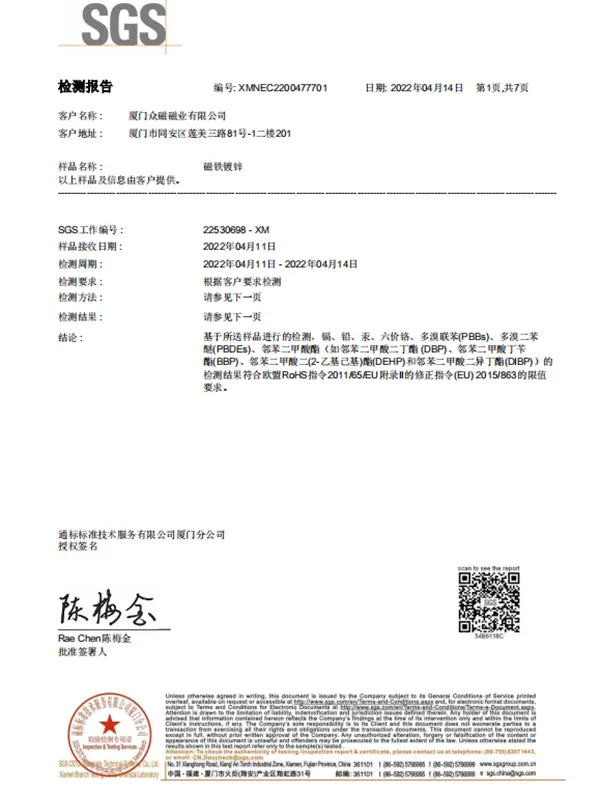
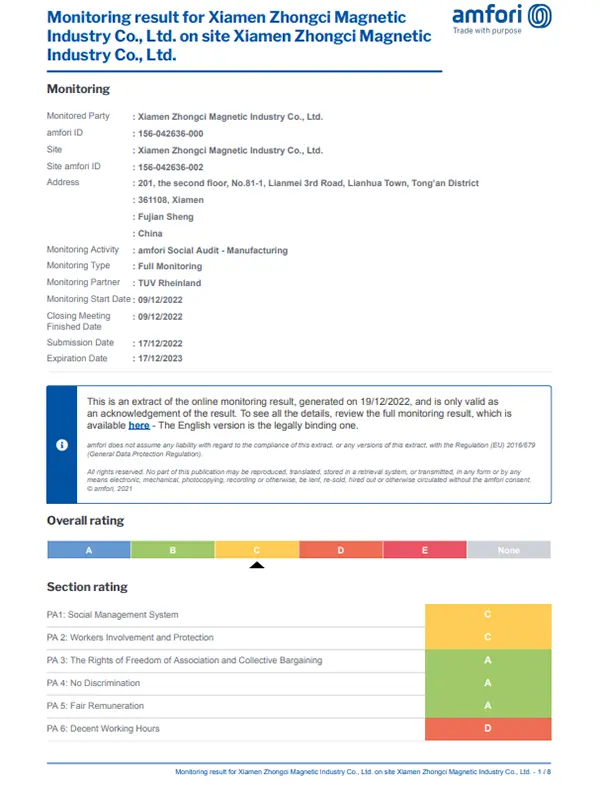
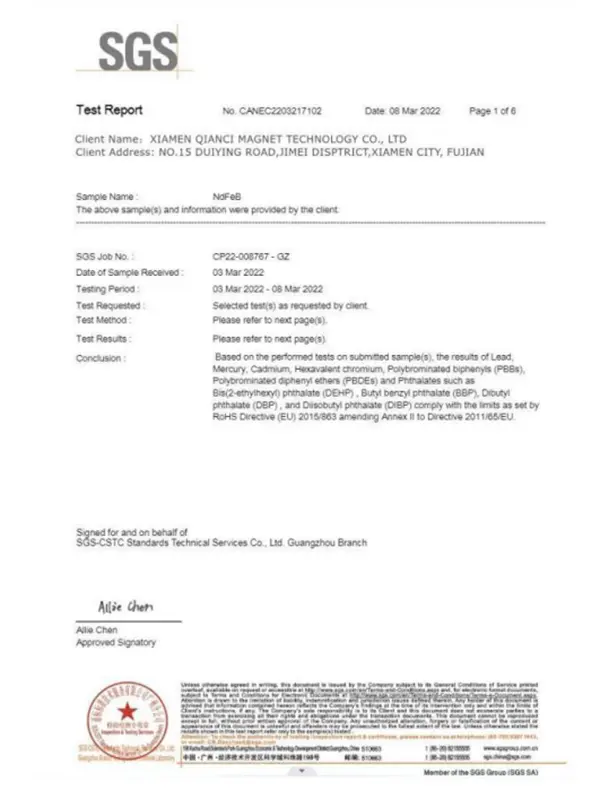
Get answers to common engineering questions about thin, flat magnets and assemblies
Stay informed on our latest product innovations, event updates, and structural design solutions


Explore our catalog of custom-engineered permanent magnets, electric box insert fixtures, and specialized magnetic accessories