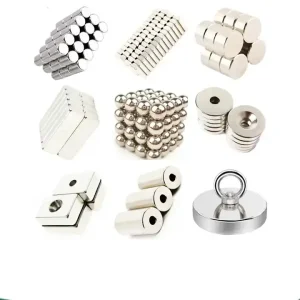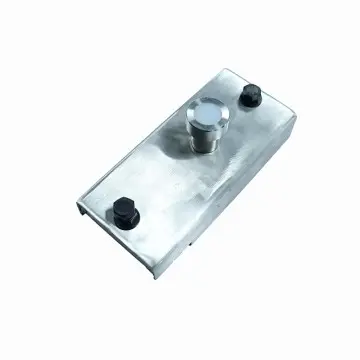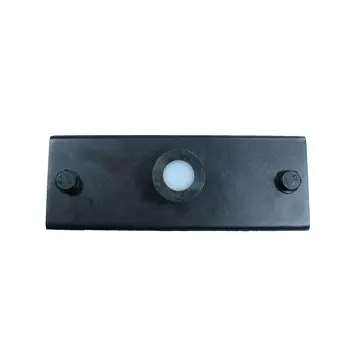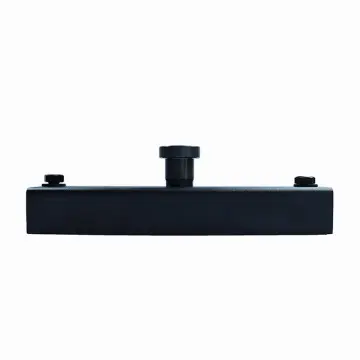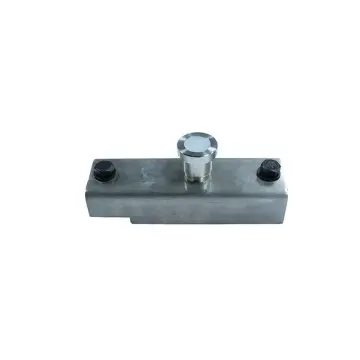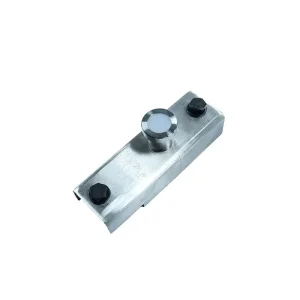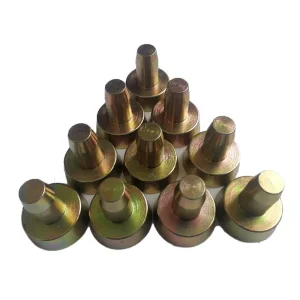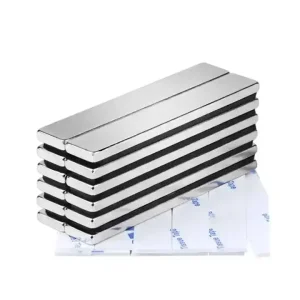
Explore our engineered range of small, strong Neodymium pot magnets, lifting accessories, and precast concrete couplers built for high-stress industrial applications.
Analyzing the dynamics of sintered Neodymium-Iron-Boron (NdFeB) magnetic systems, load-holding efficiencies, and structural integrity for global industrial operations.
Modern manufacturing paradigms require high performance in compact spaces. Rare earth permanent magnets—specifically sintered Neodymium-Iron-Boron (NdFeB)—represent the absolute peak of modern magnetic properties, providing maximum energy products $(BH)_{max}$ exceeding 52 MGOe. By optimizing internal crystalline structures and chemical formulations (including Neodymium, Iron, Boron, and trace stabilizers like Dysprosium and Praseodymium), engineers can produce remarkably small, strong magnets capable of handling massive physical loads.
As an exporter of these highly specialized systems, we look beyond the raw material specs to focus on the magnetic circuit design. A standalone magnet loses flux into free space. By nesting small, strong magnets into high-permeability steel housings (referred to as a cup, pot, or channel magnet configuration), we create a closed magnetic loop. This configuration concentrates the magnetic flux lines directly onto the contact face. The result is a pot magnet with holding force up to 300% greater than a bare magnet of identical mass, providing excellent structural stability and cost efficiency.
Purchasing high-power industrial magnets globally requires balancing technical standards against cost constraints. China's industrial infrastructure dominates the global rare-earth supply chain, processing over 70% of the world's rare earth elements. Our factory leverages direct regional access to primary oxides and metals, allowing us to insulate clients from erratic material price fluctuations while ensuring consistent supply streams.
However, our true competitive advantage lies in our vertically integrated production. From vacuum sintering and core slicing to chemical electroplating (offering advanced options like Ni-Cu-Ni triple coating, Epoxy insulation, and Zn coatings), we manage every stage of manufacturing under one roof. Our facilities employ automated CNC milling and coordinate measuring machines (CMM) to maintain dimensional tolerances within $\pm0.05\text{ mm}$—which is critical for automated robotic precast assemblies where every millimeter impacts structural integrity.
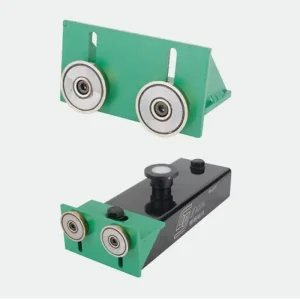
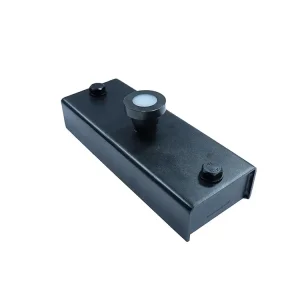
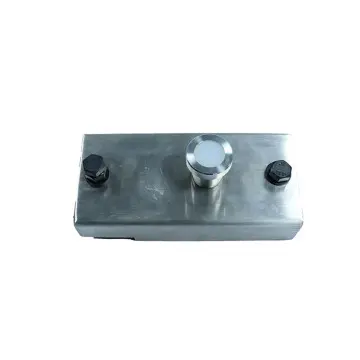
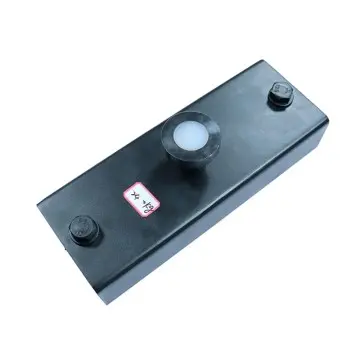
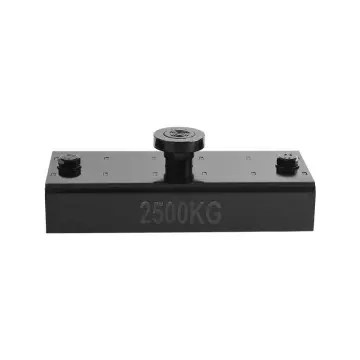
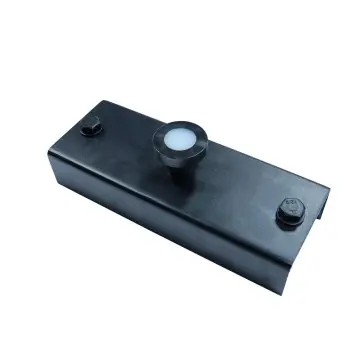
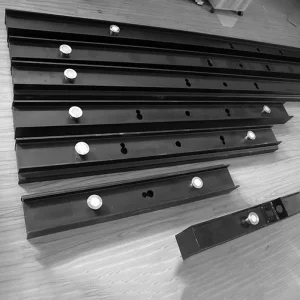
Highly robust precast concrete magnetic templates designed for casting yards. Engineered to prevent platform damage, save labor costs, and optimize production turnaround.
B2B buyers, structural engineers, and procurement directors looking for magnetic components require clear technical validation. Working with high-grade permanent magnets introduces operational risks that need to be addressed before ordering. We look closely at structural performance across three main areas:
By addressing these mechanical risks directly during the design phase, our magnetic systems maintain their performance profile over hundreds of cycles, reducing operational downtime and lowering the total cost of ownership.
Exporting custom magnets globally requires absolute alignment with complex customs regulations, material safety mandates, and localized logistics standards. We verify that all magnetic compounds meet RoHS (Restriction of Hazardous Substances) and REACH requirements, ensuring safe application in green building projects and consumer products alike.
Additionally, air and sea freight of high-strength magnetic materials present unique challenges. Unshielded magnets can disrupt airline navigation systems. We handle this by packing air cargo with magnetic shielding sheets (incorporating high-permeability iron sheets and specialized packaging wraps). This reduces surface radiation to well below the 0.00525 gauss regulatory threshold, ensuring smooth customs processing and prompt delivery.
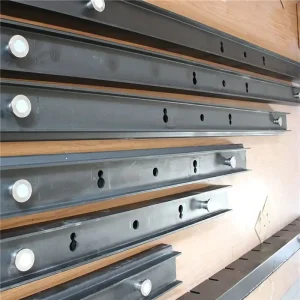
Featuring our latest developments in shuttering formwork systems, engineered to streamline production in civil and industrial construction projects.
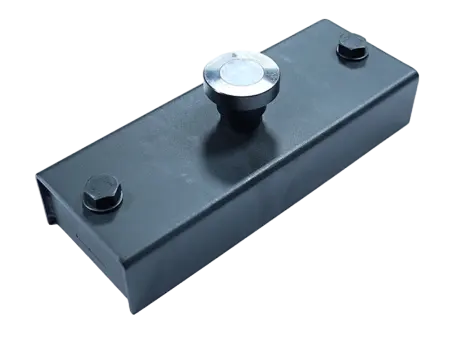
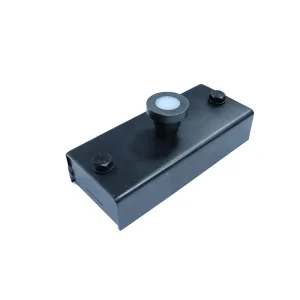
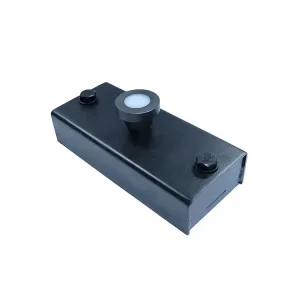
Featuring a 1600kg series with a large magnetic force, reusability, and durability.
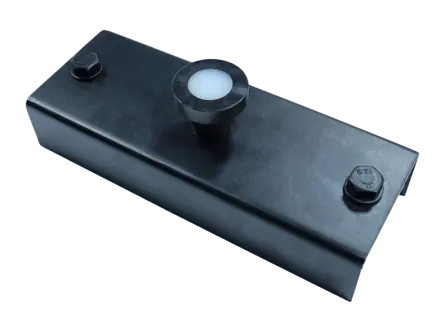
Designed to increase production efficiency and surface quality in manufacturing.
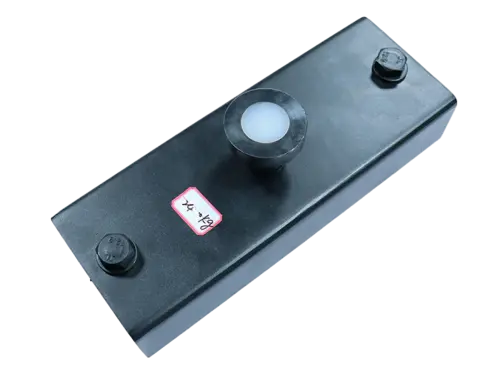
A highly popular model in Europe, built to handle heavy wall panels and columns.
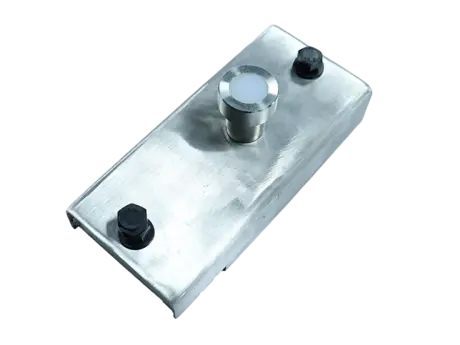
Commonly used to lock side moldings for flat slabs, floors, and retaining walls.
Leveraging deep industrial expertise to deliver advanced magnetic fixing solutions for the global precast concrete industry.
QCM Magnet specializes in offering complete magnetic fixing solutions for the production of precast concrete components. Our primary products include Shuttering Magnets and their corresponding accessories, Formwork Magnets, Magnetic Chamfering Strips, and various pre-embedded insert magnets. Utilizing magnetic fixing in precast concrete component production prevents damage to the casting platform, enhances work efficiency, reduces labor costs, and promotes economic efficiency as the magnetic fixing devices are reusable.
Using our expertise in magnetic components and our extensive experience supporting the production of precast components, we have developed numerous new and practical magnetic fixing products. Our products come with complete specifications, excellent quality, ease of operation, and long service life. Additionally, we can promptly customize a variety of magnetic fixing parts to meet the diverse needs of our customers. We are willing to share our expertise with you to help you solve your specific application needs for magnetic components.

Qianci Magnet is a strong magnetic component factory, specializing in the production and research and development of formwork magnets, magnetic formwork, insert magnets, magnetic concrete chamferers and other products.

Our business mainly involves precast concrete magnetic system solutions, helping you to better carry out concrete element production.

Become a global leading manufacturer and excellent service provider of magnetic solutions for the precast concrete industry.
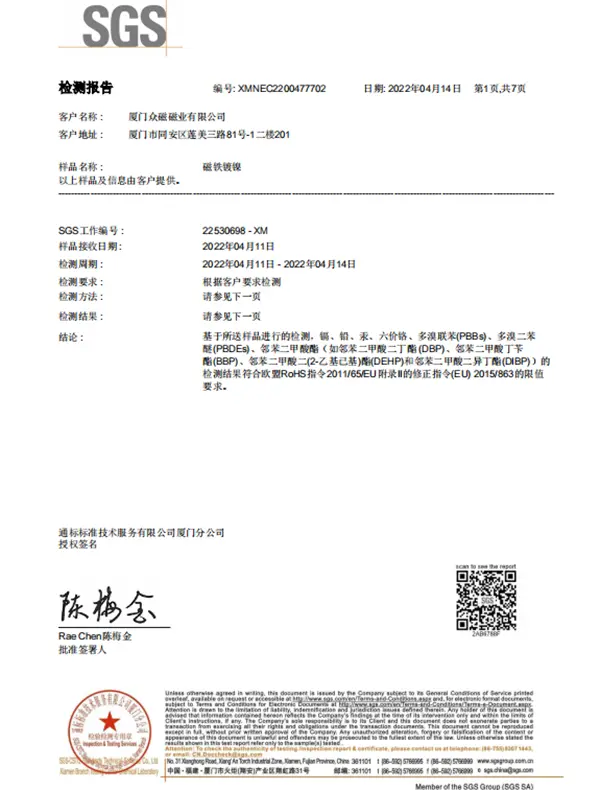
Our commitment to quality assurance is verified by global safety and standard compliance benchmarks.
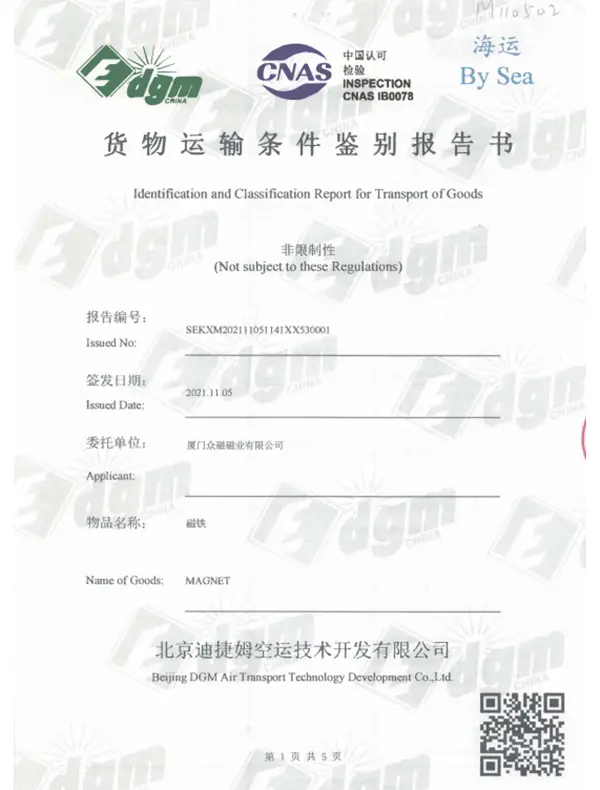
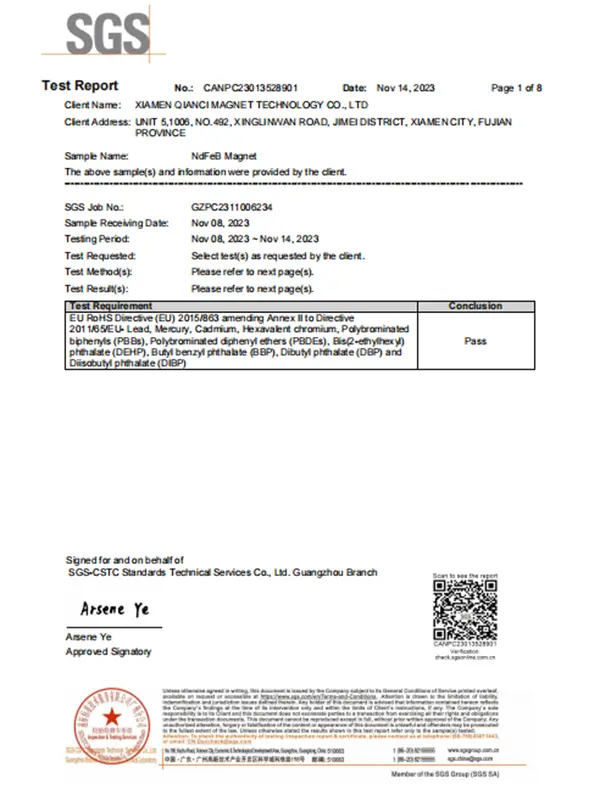
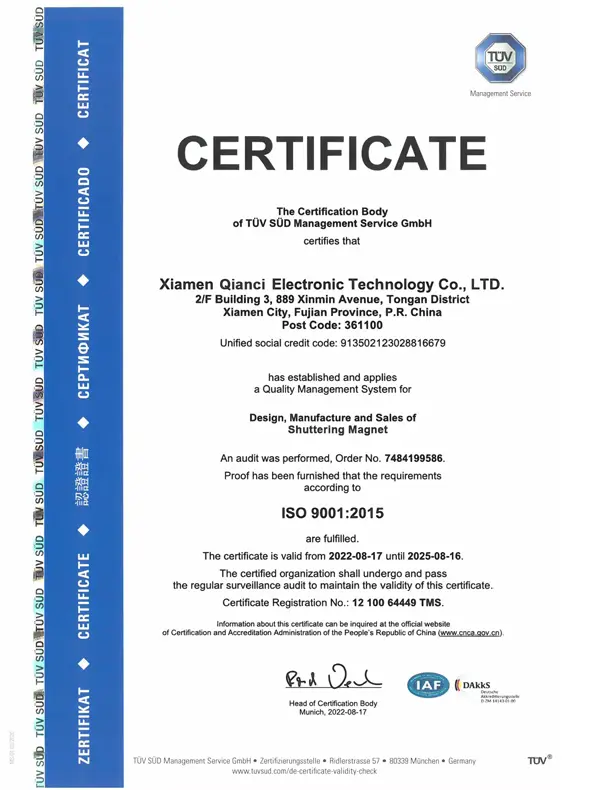
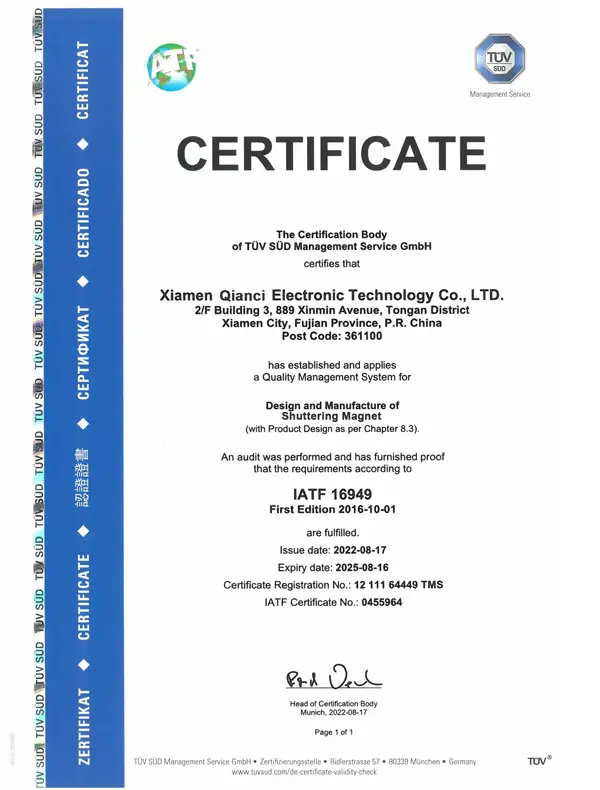
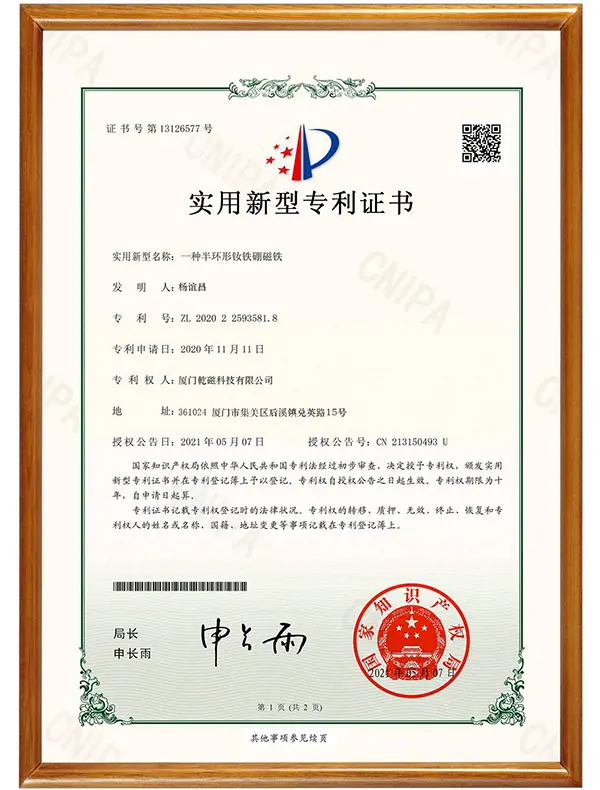
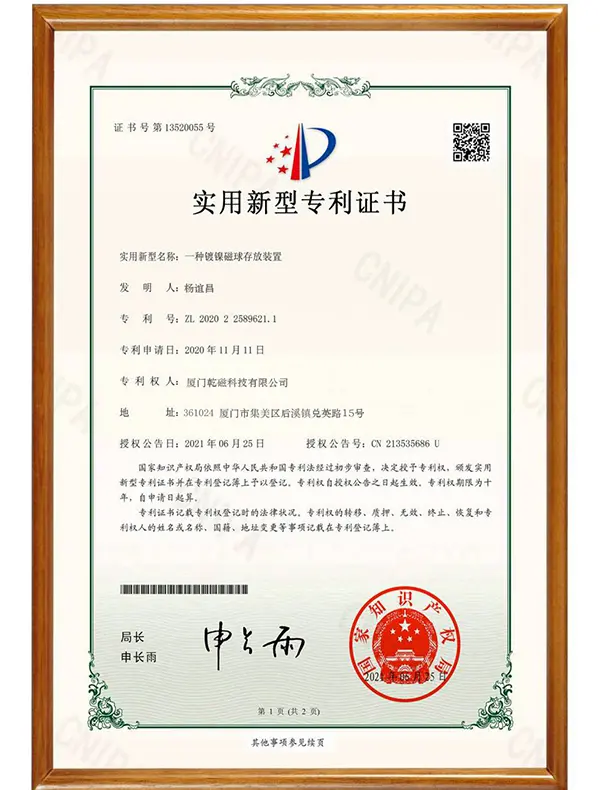
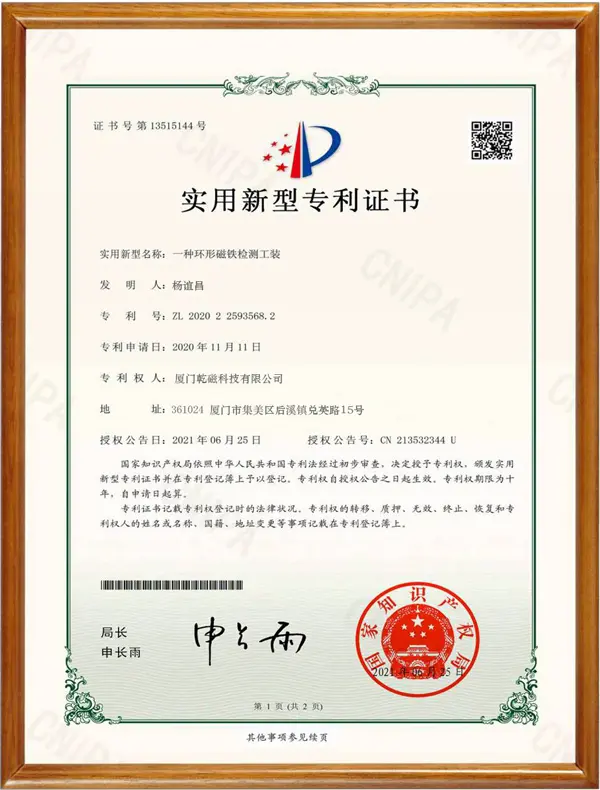
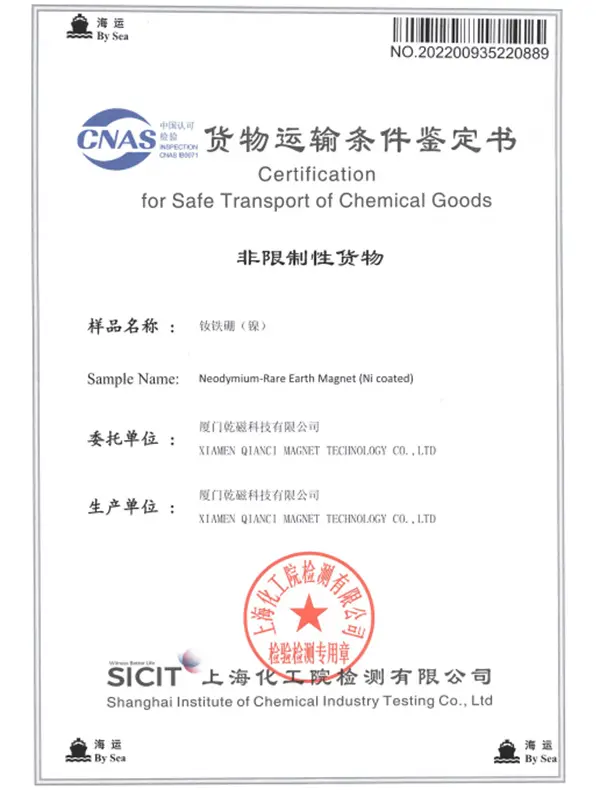
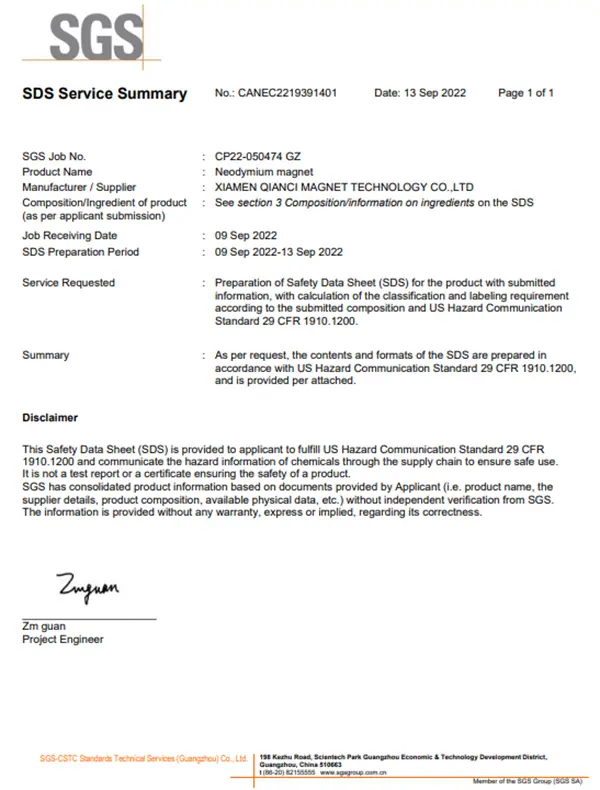
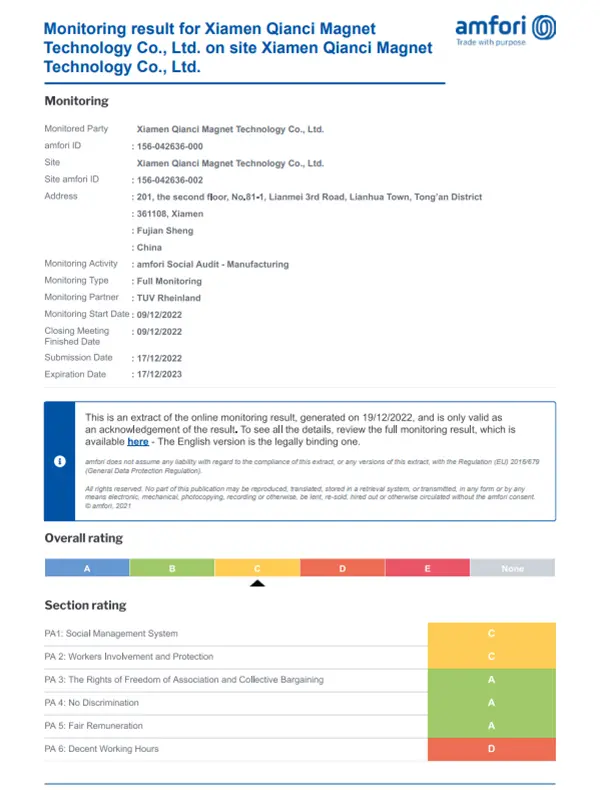
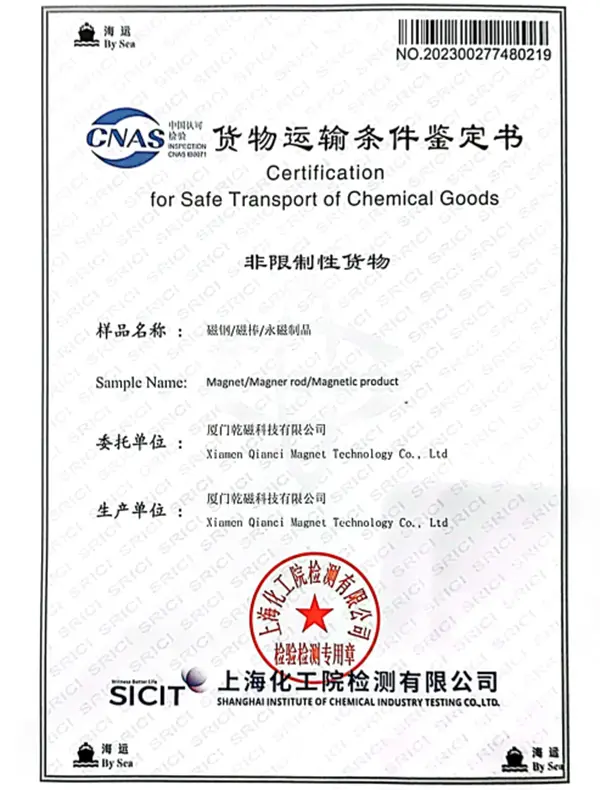
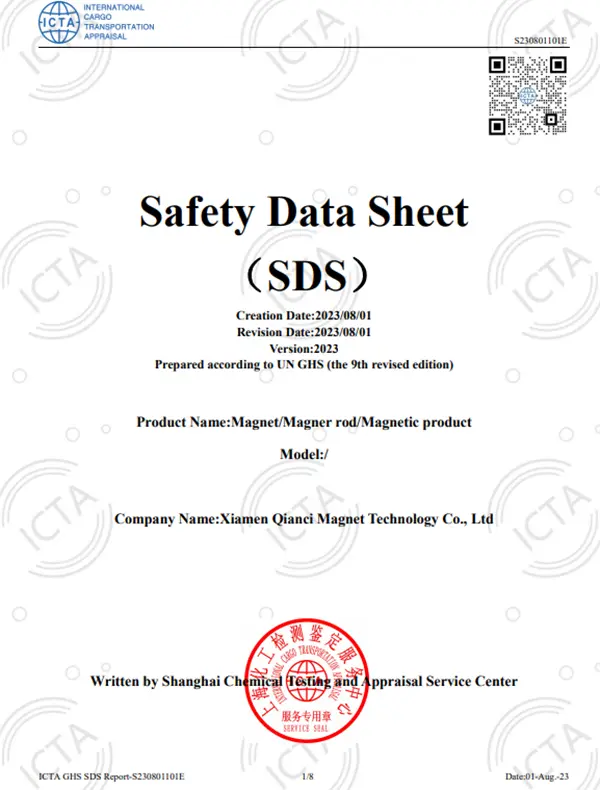
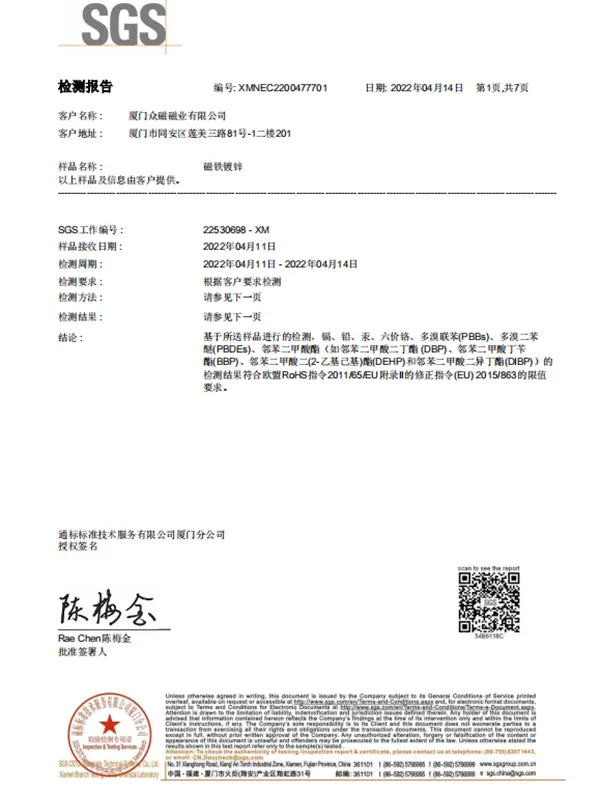
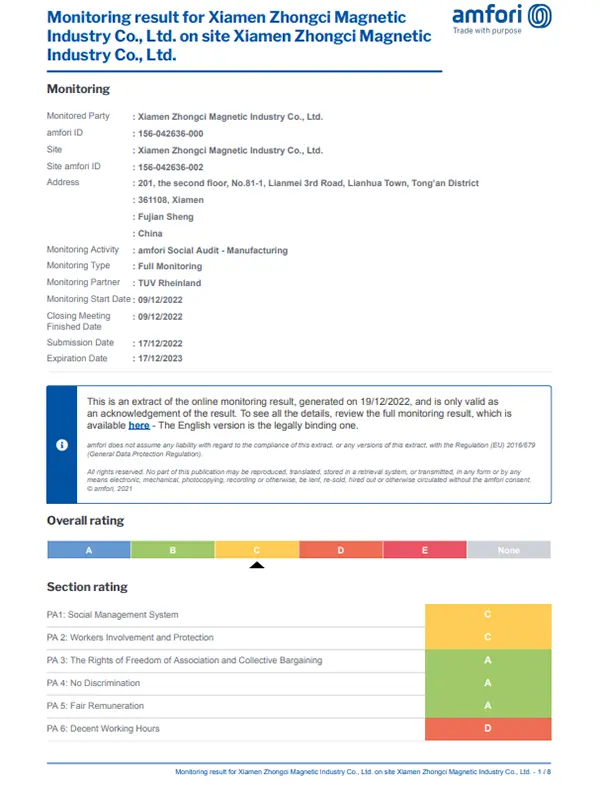
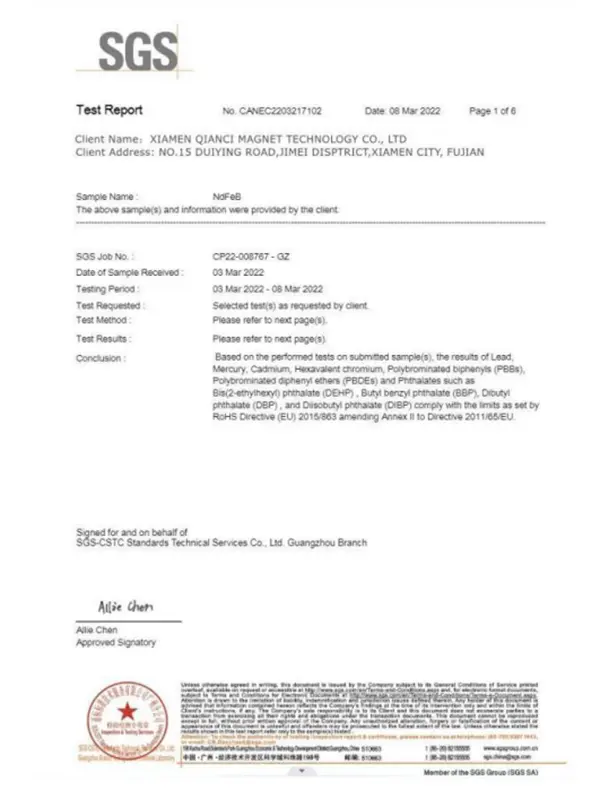
The industrial magnetic components market is evolving rapidly, driven by two key trends: the rise of smart building prefab structures and the growing shift toward automated manufacturing.
As labour costs increase and construction timelines tighten, precasters are shifting toward automated robotic shuttering processes. Traditional manual setups are being replaced by high-holding-force systems that interface directly with robotic end-effectors. Because of this, modern magnet exporters must supply precise, dimensional-tolerant solutions designed to withstand rapid pneumatic cycling without jamming.
Another major driver is environmental sustainability. The raw mining and processing of rare earth elements (specifically Neodymium and Dysprosium) are undergoing cleaner, zero-discharge initiatives. This change makes recycling and housing restoration services for precast magnets highly viable. Recasing worn magnetic systems inside updated carbon steel or stainless steel housings helps extend service lifespans to 10+ years, providing significant environmental and economic benefits.
Technical guidance and engineering answers to help you select, deploy, and maintain industrial magnetic components.
Stay up to date with QCM Magnet's international exhibitions, product launches, and technological developments.
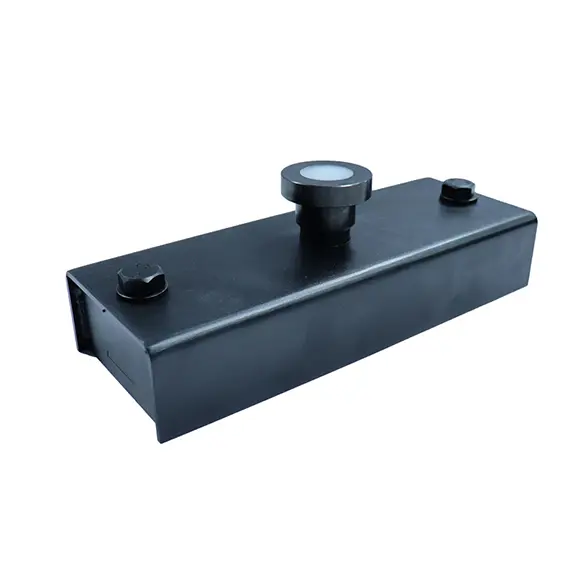
Precast concrete systems: Shuttering molds shape edges and openings on flat surfaces using magnetic fixation, while mold setups handle complex three-dimensional structures...

QCM, a global leader in magnetic components, will participate in UK Construction Week 2025. From May 7th to 9th, see our latest advancements in magnetic fixing solutions...
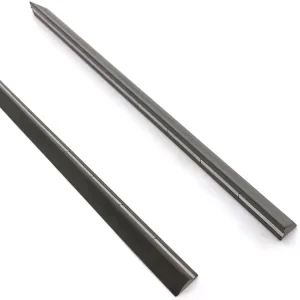
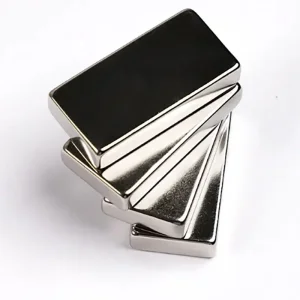
Explore our highly-requested rectangular blocks, formwork structures, and magnetic steel profiles for heavy manufacturing applications.