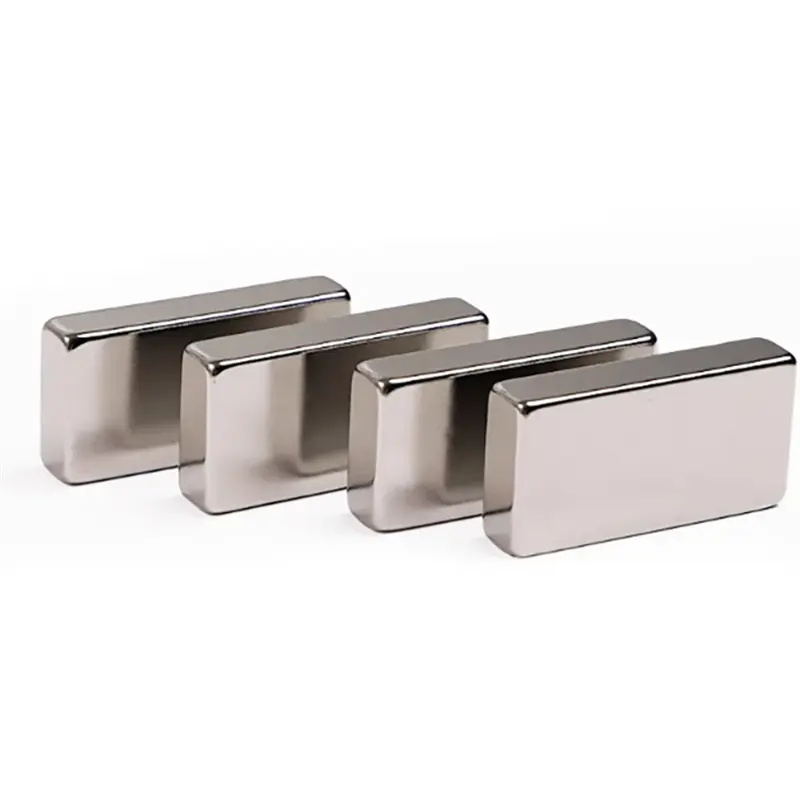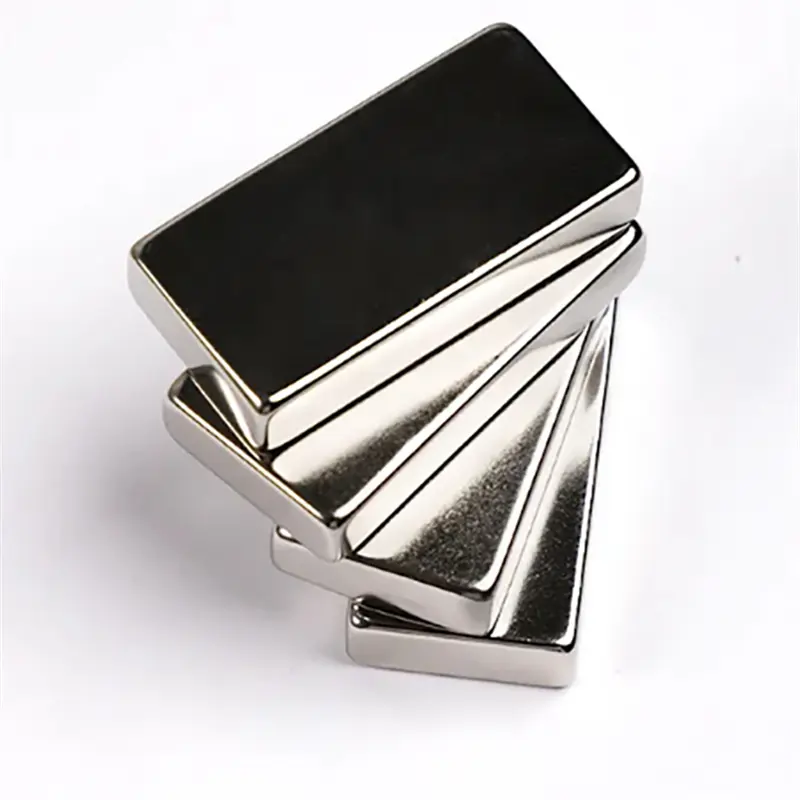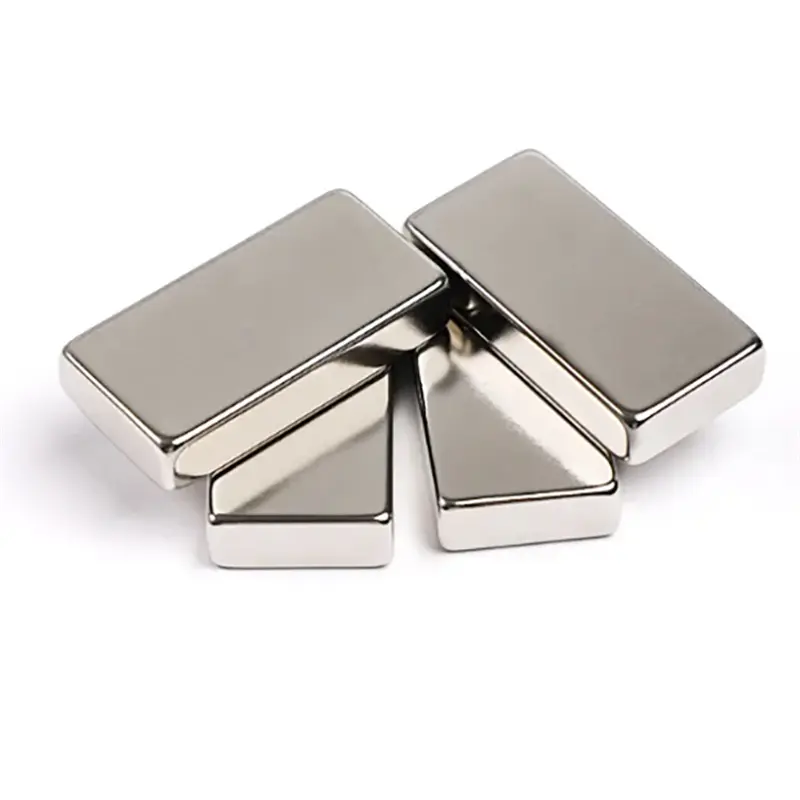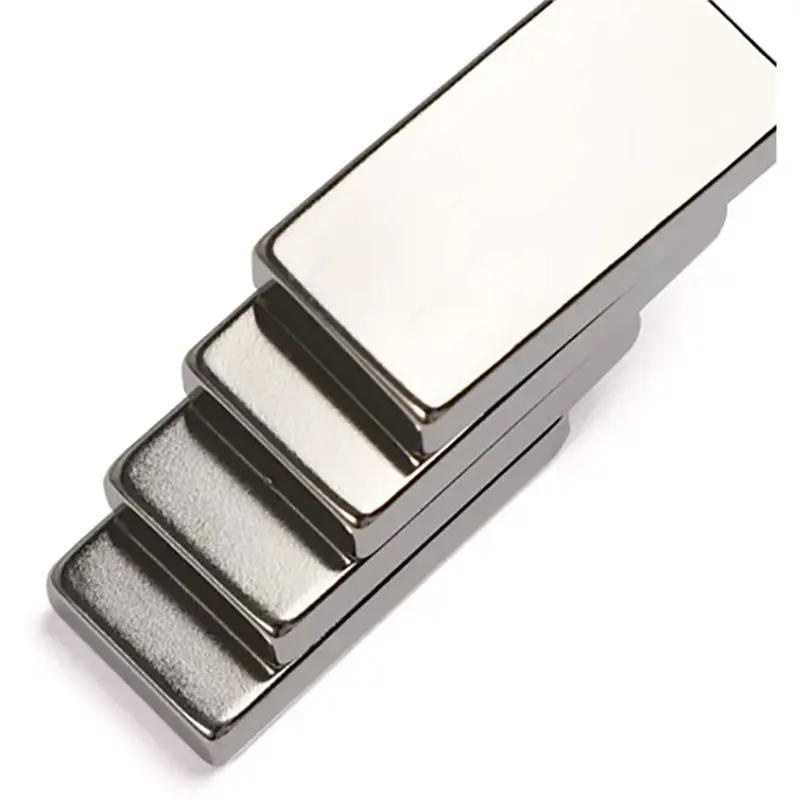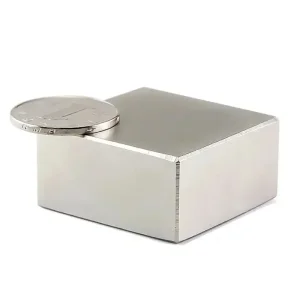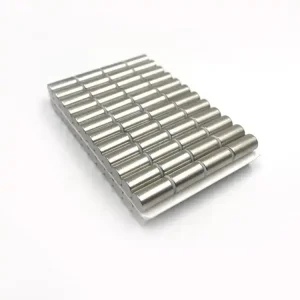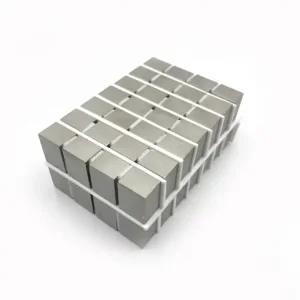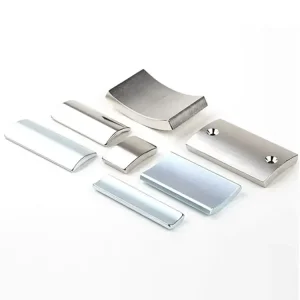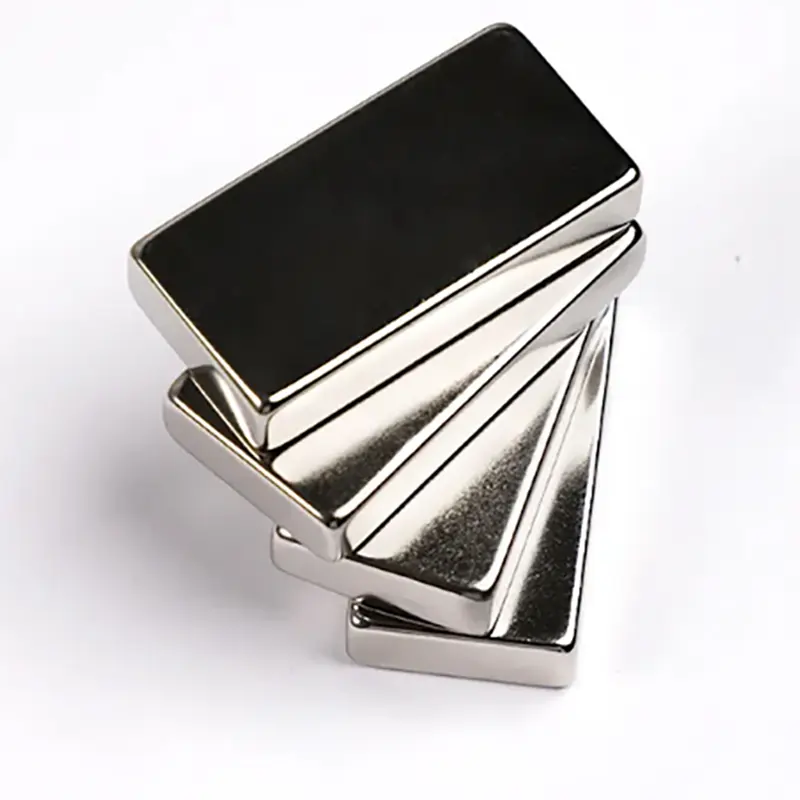
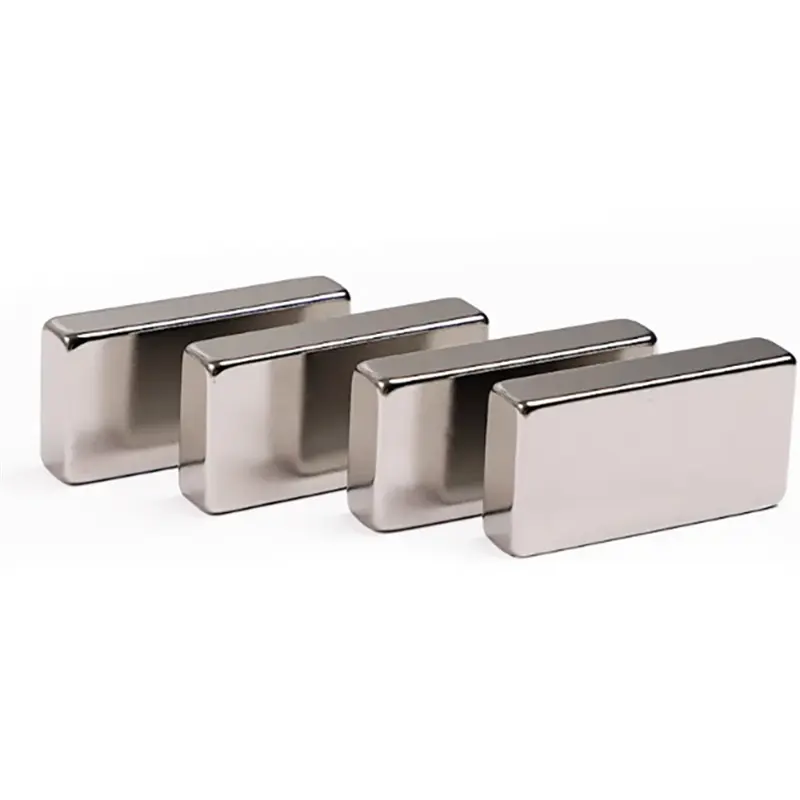
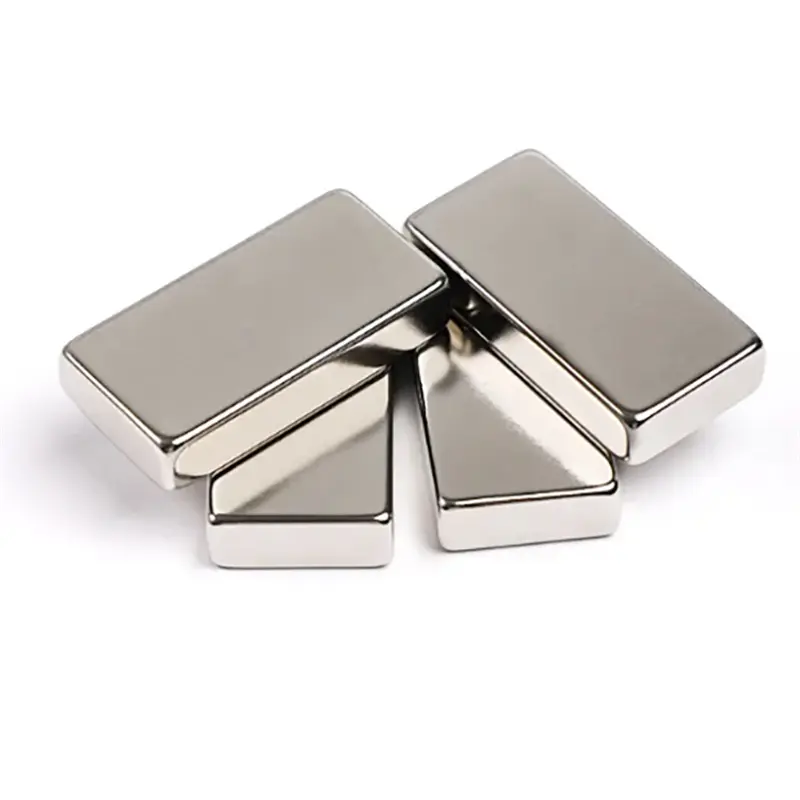
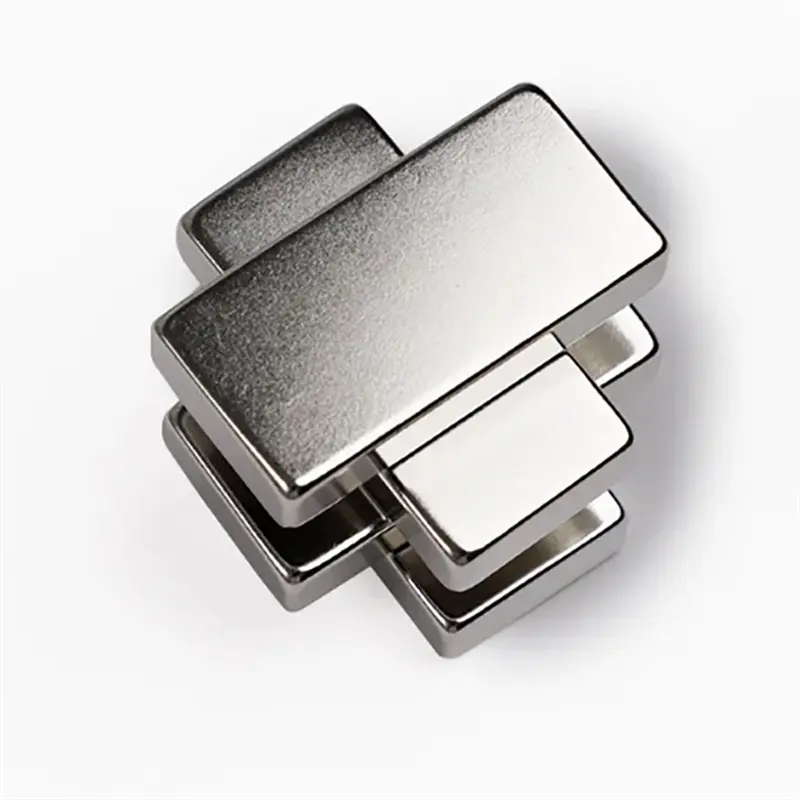
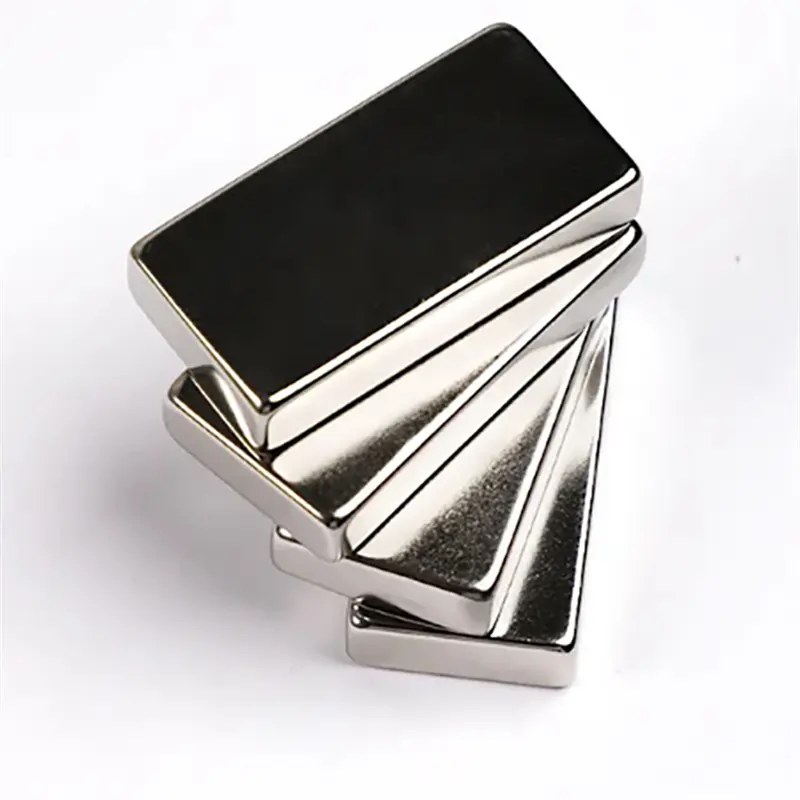

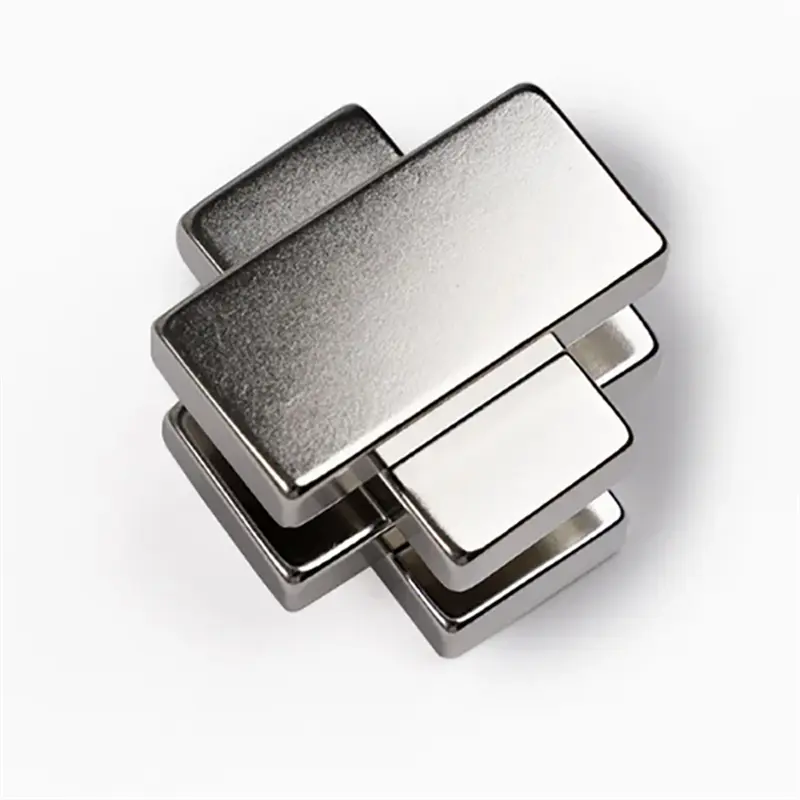
OEM Super Strong Neodymium N45 Magnet Bar Block (60x10x5 mm) Suppliers, Company

Neodymium Iron Boron (NdFeB) is a high-strength magnetic material widely used in modern industries. However, long-term use can lead to wear, delamination, and oxidation, reducing its service life and stability. Appropriate coating treatments have emerged as an effective solution to address these issues, enhancing both durability and performance.

Product Description

Coating treatments form a protective layer on NdFeB surfaces, significantly reducing wear, delamination, and oxidation. This improves the material’s stability and extends its operational lifespan. Additionally, coatings enhance thermal resistance, enabling NdFeB magnets to function reliably in high-temperature environments (e.g., up to 120°C for coated N45 magnets vs. 80°C for uncoated).

Common Coating Types & Benefits

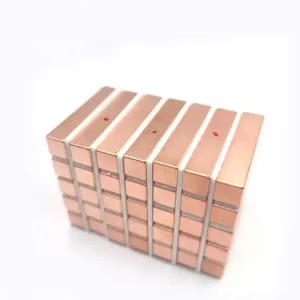
Copper Plating
1. Provides excellent oxidation resistance and electrical conductivity.
2. Thickness: Typically ≥10μm for optimal protection.
Nickel Plating
1. Offers superior corrosion resistance and gloss finish.
2. Standard thickness: ≥15μm to ensure long-term durability.
Aluminum Plating
1. Combines corrosion resistance, thermal conductivity, and abrasion resistance.
2. Often used in high-temperature or outdoor applications.
Gold Plating
1. Enhances aesthetics with a luxurious appearance.
2. Limitations: High cost and lower hardness (prone to scratches).
Composite Coatings
1. Popular combinations: Nickel-Copper-Nickel (Ni-Cu-Ni) or Zinc-Nickel.
2. Advantages: Combines corrosion resistance (Ni) with electrical conductivity (Cu).

Technical Specifications

Parameter Value Unit
Grade N45 -
Dimensions 60 × 10 × 5 mm
Remanence (Br) 1.45–1.48 T
Coercivity (Hc) ≥1160 kA/m
Maximum Energy Product 335–367 kJ/m³
Operating Temperature -40°C to +120°C -

Safety & Usage Guidelines

Important Safety Notice
Caution: Strong magnetic force may cause finger injuries or damage electronic devices.
Handling: Use protective gloves and avoid sudden contact with ferromagnetic materials.

Applications

  • Motors, generators, and sensors
  • Industrial automation and machinery
  • Aerospace and automotive components
  • Magnetic separation systems

Conclusion

Coated NdFeB magnets offer tailored solutions for diverse industrial needs. By selecting appropriate coatings (e.g., Ni-Cu-Ni for corrosion resistance or Al for thermal stability), manufacturers can maximize performance, ensuring reliability in challenging environments. Proper coating not only extends service life but also supports technological advancements across sectors.
Frequently Asked Questions

Why do NdFeB magnets require coating treatments?
Coating treatments protect the surfaces of NdFeB magnets, substantially reducing wear, delamination, and oxidation. This enhances material stability, extends operating life, and improves heat resistance under harsh operational settings.
What are the thermal benefits of coated vs. uncoated N45 magnets?
Coated N45 magnets are capable of performing reliably in high-temperature environments reaching up to 120°C. In contrast, uncoated N45 magnets are limited to a maximum operating temperature of 80°C.
What is the standard thickness of Nickel and Copper plating?
For optimal protection, the typical thickness of Copper plating is ≥10μm. For Nickel plating, the standard thickness is ≥15μm, which delivers exceptional long-term durability and corrosion resistance.
When should composite coatings like Ni-Cu-Ni be selected?
Composite coatings like Ni-Cu-Ni (Nickel-Copper-Nickel) are selected when applications demand a combination of attributes. The outer Nickel layers provide outstanding corrosion resistance, while the inner Copper layer offers superior electrical conductivity.
What safety precautions must be followed when handling NdFeB magnets?
Due to their powerful magnetic field, handle these magnets with protective gloves and prevent sudden contact with ferromagnetic materials to avoid finger pinches. Keep them away from sensitive electronic devices to prevent damage.

Related Products