In the current global economic landscape, the term "Low Cost Magnets" has evolved. It no longer denotes inferior quality, but rather represents a pinnacle of supply chain optimization and manufacturing efficiency. As a senior growth director in the magnetic solutions space, I have observed how China’s magnet factories have transitioned from simple material suppliers to integrated technological partners.
This whitepaper explores the deep intricacies of China's magnetic industry, focusing on how buyers can leverage Information Gain to secure not just a product, but a sustainable competitive advantage. We will analyze the convergence of rare earth economics, Industrial IoT (IIoT), and the increasing demand for high-performance magnetic fixation systems in the precast concrete and renewable energy sectors.
Why are China magnet factories consistently able to offer competitive quotes? The answer lies in Vertical Integration. Most premier factories in hubs like Ningbo and Ganzhou are located within 100km of rare earth refineries. This minimizes logistics costs and provides a buffer against price volatility in Neodymium and Dysprosium markets.
Modern Chinese magnet manufacturing is now governed by Industrial 4.0 principles. Automated sintering furnaces, AI-driven quality inspection, and robotized assembly lines for complex components like shuttering magnets ensure that the variance in magnetic flux is kept within ±1%. This level of precision is critical for global enterprises that require consistent pulling forces of up to 2100kg for industrial applications.
The roadmap for NdFeB (Neodymium) magnets is shifting toward higher coercivity without the excessive use of heavy rare earths. Future low-cost magnets will feature advanced grain boundary diffusion (GBD) technology, allowing them to operate at temperatures exceeding 200°C while maintaining 95% of their magnetic remanence.
The "Circular Economy" is hitting the magnet industry. Leading factories are now implementing closed-loop recycling for neodymium scrap. For the global buyer, this means sourcing magnets with a lower carbon footprint, a key factor in meeting Scope 3 emission targets.
Smart magnets equipped with RFID/NFC to track usage cycles in construction.
Transition from standard Zinc/Nickel to Epoxy and Everlube for 1000+ hours salt spray resistance.
Combining Ferrite and Neodymium to balance cost-performance ratios.
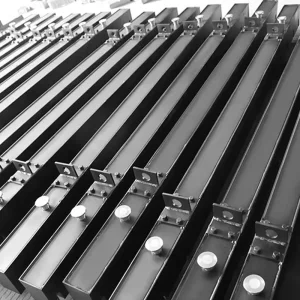
Successful procurement requires understanding how magnets solve macro-level problems. In the Precast Concrete Industry, for instance, magnetic fixing systems (Shuttering Magnets) have revolutionized the speed of construction. By replacing traditional bolting with magnetic fixation, companies reduce labor costs by 60% and platform damage by 90%.
Large-scale manufacturers in the EV (Electric Vehicle) and Wind Power sectors are moving away from transactional purchasing. They seek Strategic Solution Providers who can assist in magnetic circuit design (FEA analysis) to optimize the weight-to-power ratio of their motors.
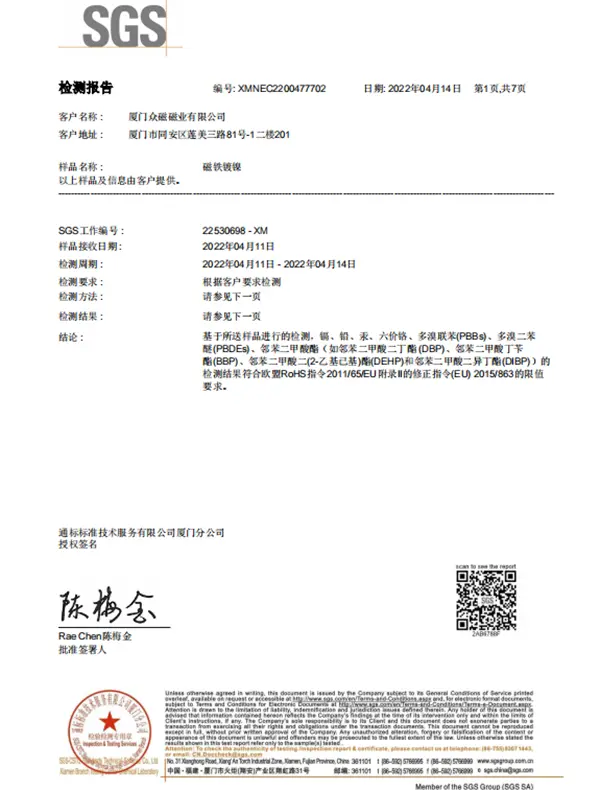
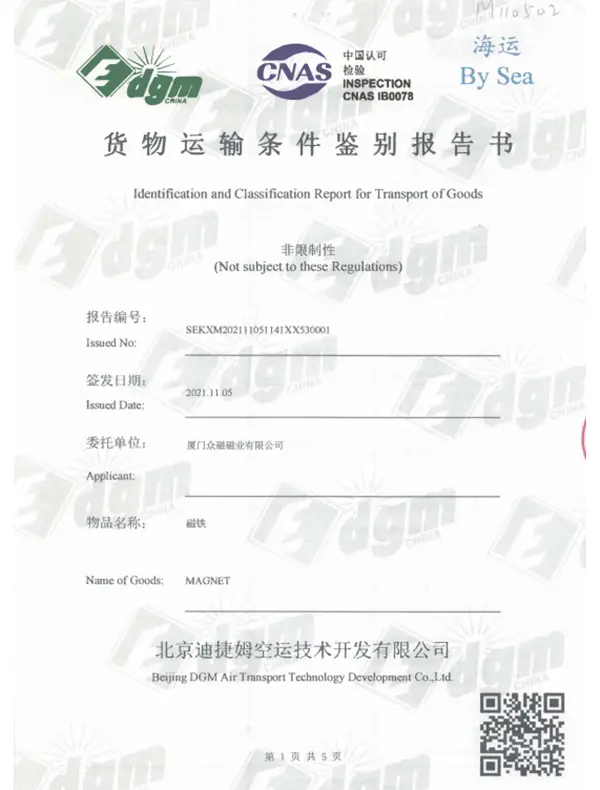
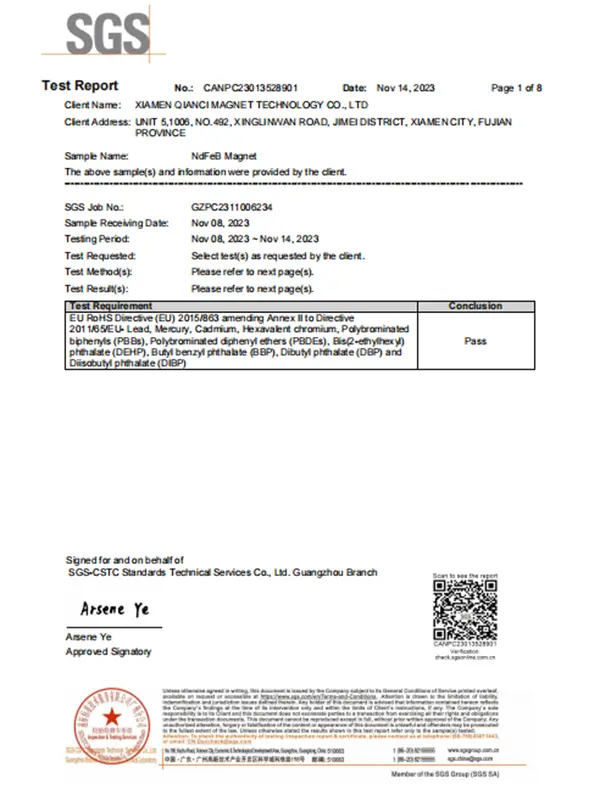
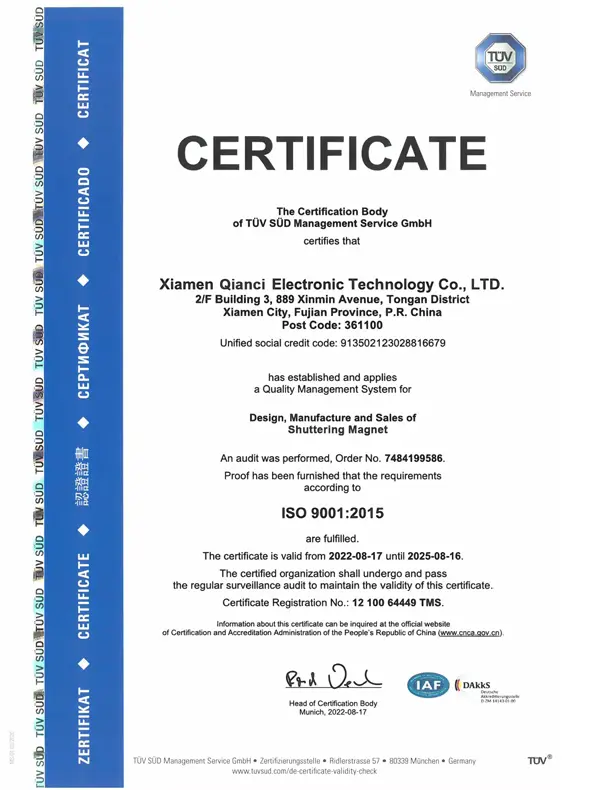
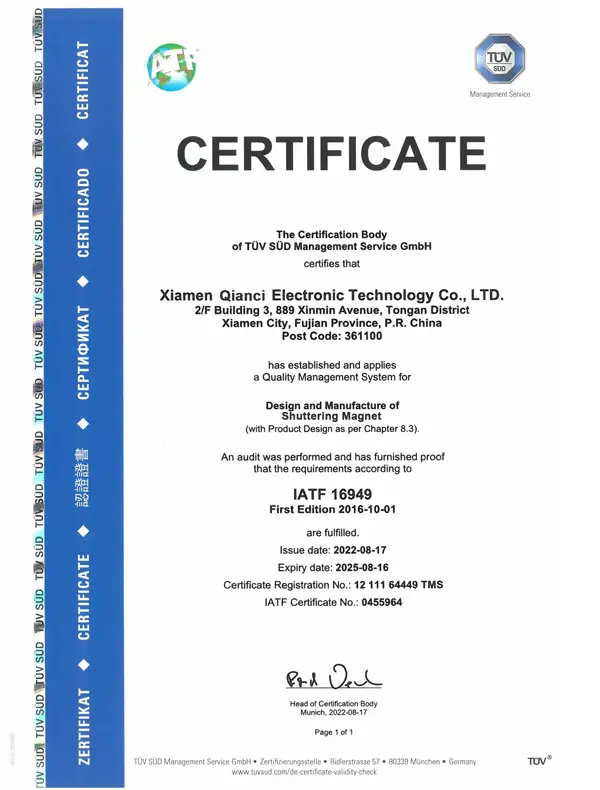
Navigating the legalities of international trade requires a partner who understands global standards. Our factories adhere to:
Local support extends to "DDP" (Delivered Duty Paid) logistics solutions, ensuring that the "Low Cost" quoted at the factory gate doesn't become "High Cost" due to unforeseen tariffs or shipping delays. By utilizing regional warehouses in Europe and North America, Chinese exporters are shortening lead times from 8 weeks to 48 hours.
Always request a test report using a calibrated hydraulic pull tester. The force should be measured on a 20mm thick steel plate. Note that surface roughness and plate thickness significantly impact actual performance.
Price volatility is linked to rare earth mining quotas and global demand for EVs. Savvy buyers use "Fixed-Price Contracts" for 6-12 months to hedge against these fluctuations.
Stainless steel (like SUS304) provides superior protection against corrosion and mechanical impact, especially in the harsh, alkaline environment of concrete production.
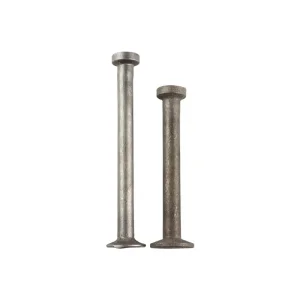
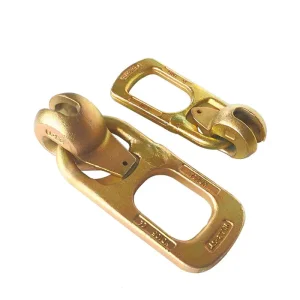
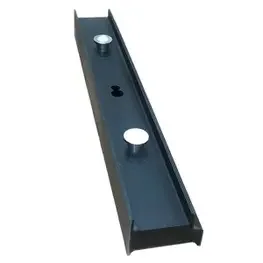
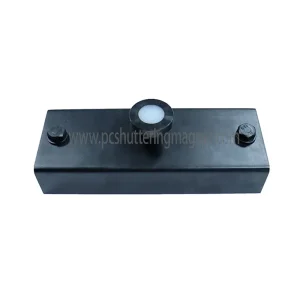
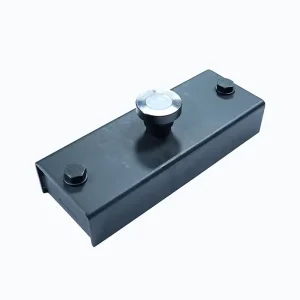
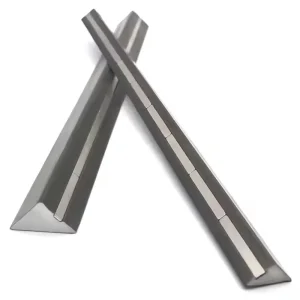
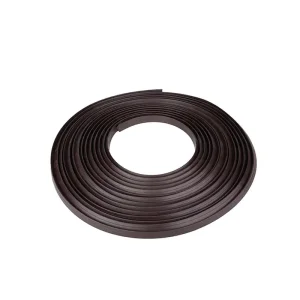
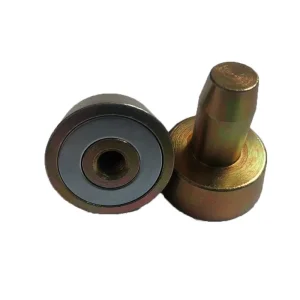
QCM Magnet specializes in offering complete magnetic fixing solutions for the production of precast concrete components. Our primary products include Shuttering Magnets and their corresponding accessories, Formwork Magnets, Magnetic Chamfering Strips, and various pre-embedded insert magnets. Utilizing magnetic fixing in precast concrete component production prevents damage to the platform, enhances work efficiency, reduces labor costs, and promotes economic efficiency as the magnetic fixing devices are reusable.
Who We Are: Qianci Magnet is a strong magnetic component factory, specializing in the production and research and development of formwork magnets, magnetic formwork, insert magnets, magnetic concrete chamferers and other products.
Our Business: Our business mainly involves precast concrete magnetic system solutions, helping you to better carry out concrete element production.
Our Strategy: Become a global leading manufacturer and excellent service provider of magnetic solutions for the precast concrete industry.
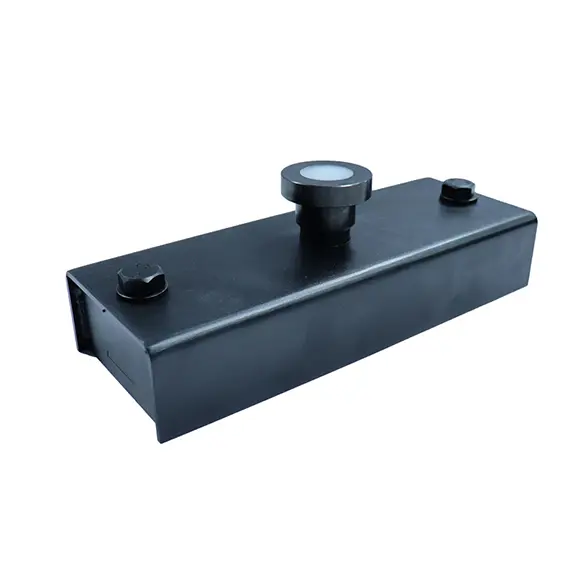
Precast concrete systems: Shuttering molds shape edges/openings on flat surfaces using magnetic fixation...

QCM, a global leader in magnetic components, will participate in UK Construction Week 2025 from May 7th to 9th...