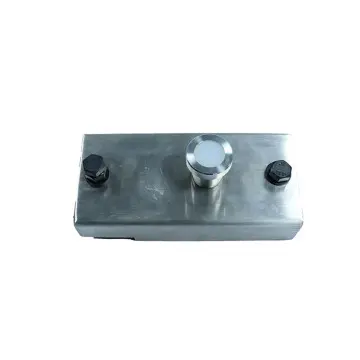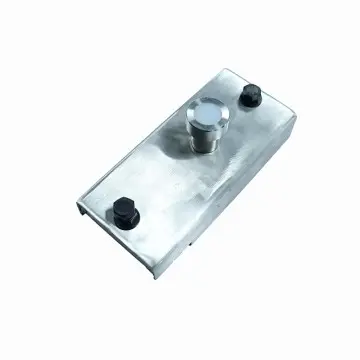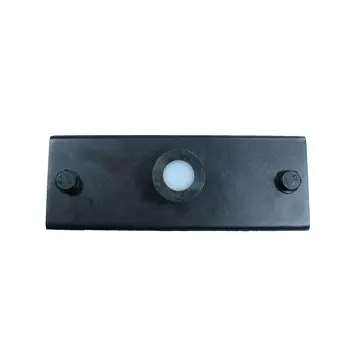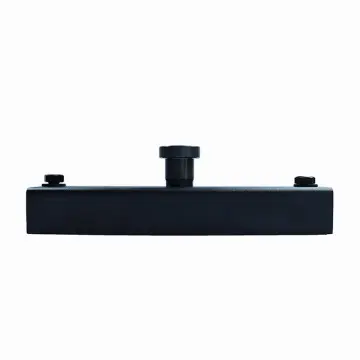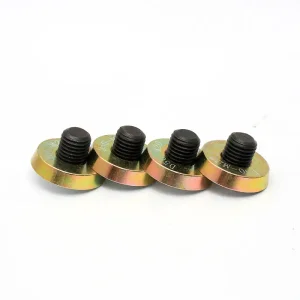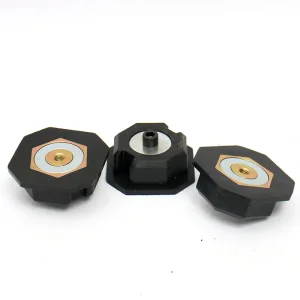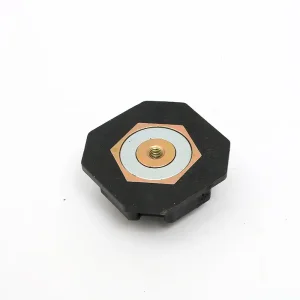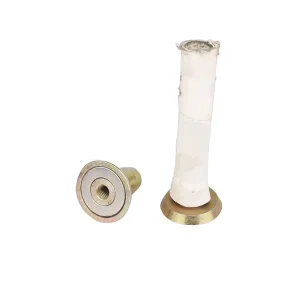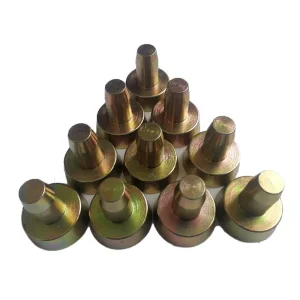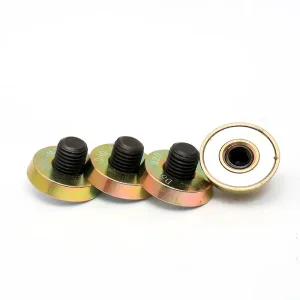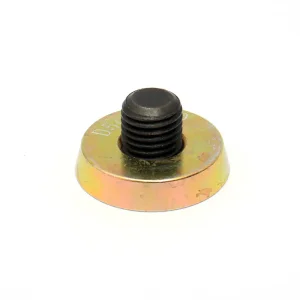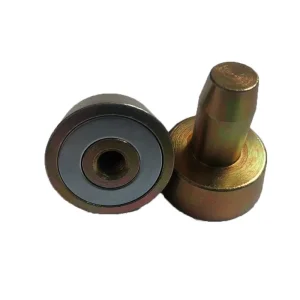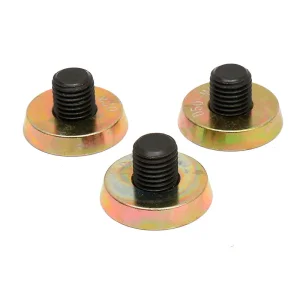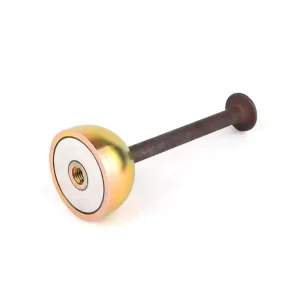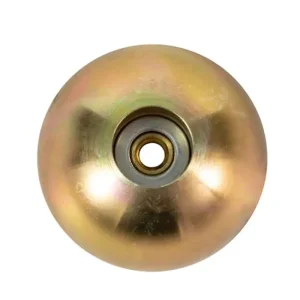
Japan’s construction sector is currently undergoing a paradigm shift, driven by the dual pressures of an aging workforce and the urgent need for earthquake-resilient infrastructure. As the pioneer of the "i-Construction" initiative, the Japanese Ministry of Land, Infrastructure, Transport and Tourism (MLIT) has been aggressively promoting precast concrete (PC) technologies to enhance productivity. At the heart of this revolution lies the Insert Magnet—a critical component that ensures the structural integrity and dimensional accuracy of precast elements.
With a projected shortage of 1.2 million construction workers by 2030, Japanese contractors are shifting from on-site casting to factory-controlled precast production. Magnetic fixing systems reduce labor hours by up to 40% compared to traditional bolting or welding methods.
In Japan, every precast joint must withstand high seismic loads. Our insert magnets are designed to secure embedded parts (electrical boxes, anchors, and sleeves) with zero displacement during high-frequency concrete vibration, meeting rigorous JIS A 5372 standards.
Global procurement managers looking to serve the Japan market must prioritize "Information Gain"—understanding the unique nuances of Japanese site conditions, such as the preference for N52 grade Neodymium magnets and anti-corrosive coatings that withstand humid coastal climates.
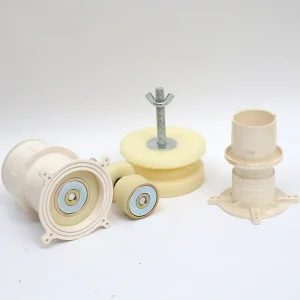
Whether it's securing Embedded PVC Pipe Fixed Magnets or Grout Connection Tube Locators, our systems ensure that tolerance levels stay within ±0.5mm, a critical requirement for Japan's modular skyscraper construction.
Japan’s "Green Transformation" (GX) policy targets carbon neutrality by 2050. Magnetic formwork is inherently sustainable, being reusable for over 3,000 cycles, significantly reducing timber waste and steel consumption in the Hokkaido and Tohoku regions.
We provide localized technical support, offering bespoke magnet designs that accommodate specific Japanese electrical box sizes and metric threading (M10, M12, M16) common in Kanto-region construction projects.
Integrating RFID chips into insert magnets to track component history and maintenance schedules—aligning with Japan’s move toward Digital Twin and Smart City technologies.
Projects in Japan
Highest Magnet Grade
Precision Tolerance
Quality Certified
Our insert magnets utilize ultra-high-grade Neodymium (NdFeB) with specialized structural housing that prevents "magnetic leap" or displacement even during 150Hz vibration frequencies common in Tokyo's high-density concrete pouring.
Yes. All our products for the Japan market are available with M10, M12, M14, and M20 metric threads, ensuring 100% compatibility with local Japanese anchors and socket systems.
With proper maintenance and cleaning, our stainless steel and nickel-plated magnets are designed to last for over 3-5 years, representing a significant ROI over disposable fixing methods.
We provide full material test reports (MTR), magnetic force certificates, and ISO 9001:2015 documentation to facilitate smooth entry into Japan and compliance with safety audits by major Japanese contractors like Taisei or Shimizu.
By eliminating the need for drilling holes in the steel casting platforms, magnetic fixing preserves the expensive equipment of the factory and removes the need for toxic chemical adhesives, aligning with Japan's decarbonization targets.
Get a customized magnetic fixing solution consultation today.
Send Inquiry Now