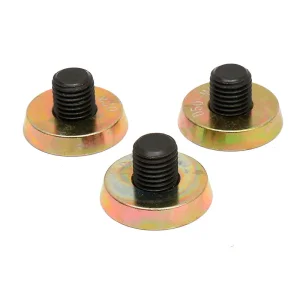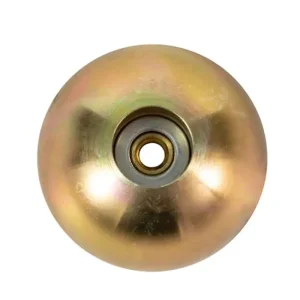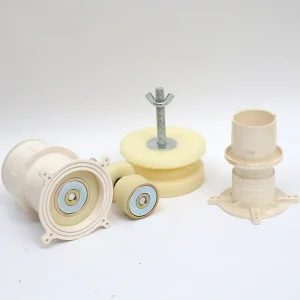
Specifically curated magnetic solutions optimizing precast production efficiency in the Cascades Region of Burkina Faso.
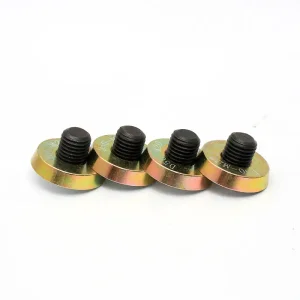
Banfora, positioned dynamically in the Cascade Region of Burkina Faso, is emerging as a critical trade and developmental corridor. As the region scales up its agricultural processing, trade hubs, and housing initiatives, traditional "on-site" casting methods are showing significant limitations. High ambient temperatures, seasonal precipitation patterns, and the critical need for structural durability have driven the demand for industrialized precast concrete solutions. At the core of this industrial shift lies the transition from mechanical welding and drilling of steel forms to advanced magnetic fixing technology.
"The implementation of magnetic precast systems in West Africa represents a pivotal leap, drastically cutting production cycles by up to 40% while preserving the longevity of casting beds worth thousands of Euros."
In precast concrete production, precise localization of conduits, electrical boxes, threaded rods, and lifting sockets is paramount. Historically, workers drilled holes directly into the expensive steel casting tables or welded temporary brackets to hold these inserts in place. This practice not only causes permanent damage to the structural integrity of the formwork but also increases mold refurbishing costs and labor times.
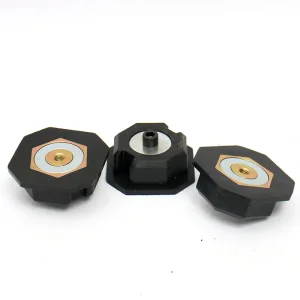
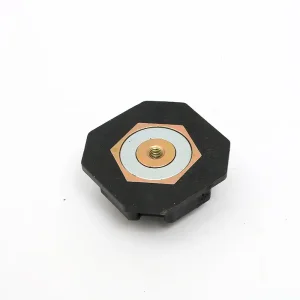
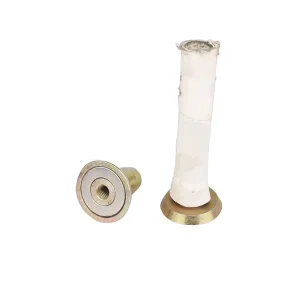
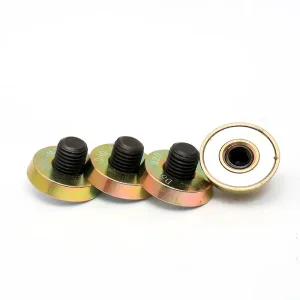
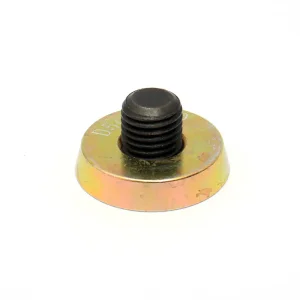
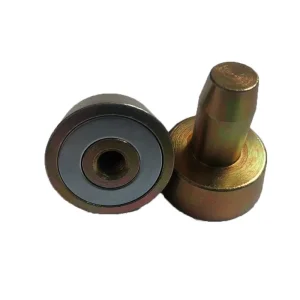
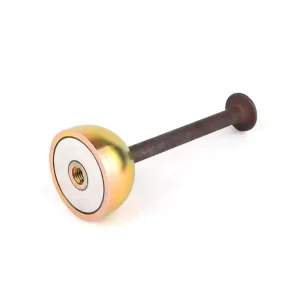
Insert Magnets (often referred to as socket fixing magnets, conduit locators, or magnetic recess formers) resolve this bottleneck. Utilizing high-performance Neodymium (NdFeB) magnetic circuits, these systems lock the embedded parts to the steel formwork table with immense shear and holding force. Once the concrete is poured and cured, the formwork can be demolded effortlessly without any residual damage.
For global contractors, engineering firms, and municipal developers in Burkina Faso, importing industrial magnetic systems can present complex logistical and technical challenges:
Optimized magnetic configurations designed to resist thermal degradation in tropical construction yards.
Strict quality control processes ensuring that rated holding capacities match actual field performance.
Threaded components and adapters designed to seamlessly interface with international pipe standards.
As the global precast concrete market integrates robotic placement systems (CAD/CAM plotting robots), the design of insert magnets is shifting toward automated compatibility. Modern factories now demand standardized exterior geometry, chamfered profiles for robotic claw grippers, and integrated pneumatic/hydraulic release valves. By investing in these forward-compatible designs today, manufacturers in Banfora position themselves to upgrade to semi-automated or fully automated assembly lines without scrap or redesign.
Comparing traditional precast fixing methods with advanced magnetic technology.
| Parameter | Traditional Drilling / Welding | Modern Insert Magnet Systems | Direct Impact on Banfora Operations |
|---|---|---|---|
| Formwork Table Lifespan | Severely shortened due to structural holes and welding marks. | Infinite protection; no physical alteration to table surfaces. | Reduces capitalization costs for new local start-ups. |
| Demolding Cycle Time | Slow; requires removing bolts, grinding down welds, and cleaning up surfaces. | Instantaneous release; magnetic switch mechanism. | Drastically increases daily panel output for tight contract deadlines. |
| Precision & Repeatability | Dependent on operator manual measurement for each batch. | High repeatability; compatible with standard positioning plates. | Ensures standard dimensions for modular housing. |
| Labor Requirements | Requires skilled welders and technicians for setup. | Easy execution; low learning curve for assembly line workers. | Mitigates local skill shortage in highly technical industrial roles. |
QCM Magnet specializes in offering complete magnetic fixing solutions for the production of precast concrete components. Our primary products include Shuttering Magnets and their corresponding accessories, Formwork Magnets, Magnetic Chamfering Strips, and various pre-embedded insert magnets. Utilizing magnetic fixing in precast concrete component production prevents damage to the platform, enhances work efficiency, reduces labor costs, and promotes economic efficiency as the magnetic fixing devices are reusable.
Using our expertise in magnetic components and our extensive experience in supporting the production of precast components, we have developed numerous new and practical magnetic fixing products. Our products come with complete specifications, excellent quality, ease of operation, and long service life. Additionally, we can promptly customize a variety of magnetic fixing parts to meet the diverse needs of our customers.
We are willing to share our expertise with you to help you solve your specific application needs for magnetic components.
Qianci Magnet is a strong magnetic component factory, specializing in the production and research and development of formwork magnets, magnetic formwork, insert magnets, magnetic concrete chamferers and other products.
Our business mainly involves precast concrete magnetic system solutions, helping you to better carry out concrete element production.
Become a global leading manufacturer and excellent service provider of magnetic solutions for the precast concrete industry.
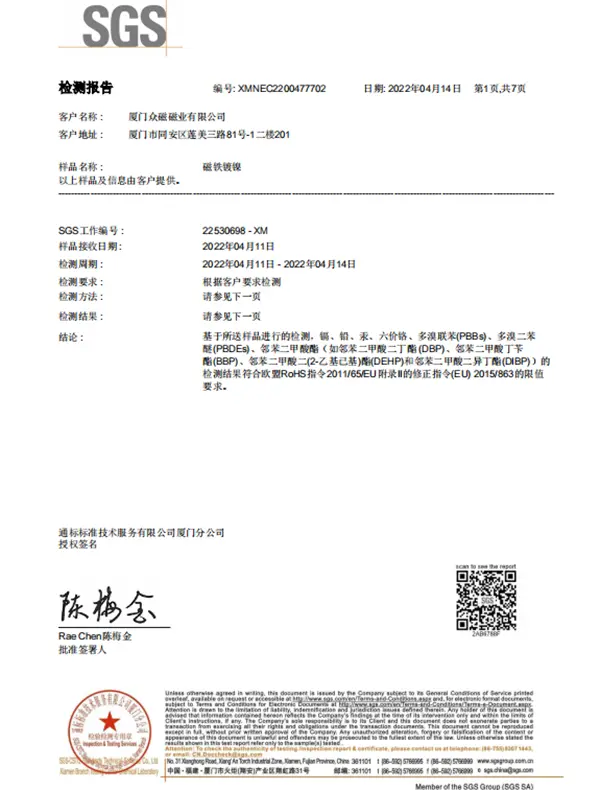
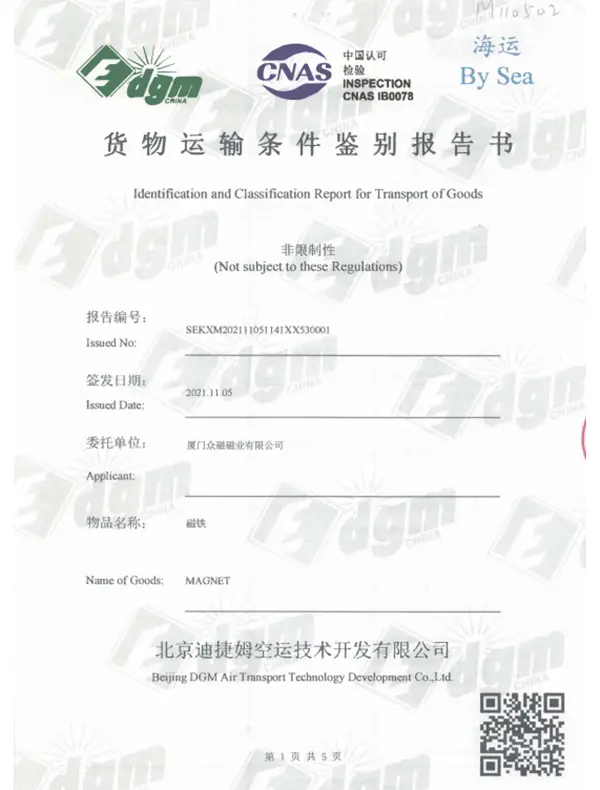
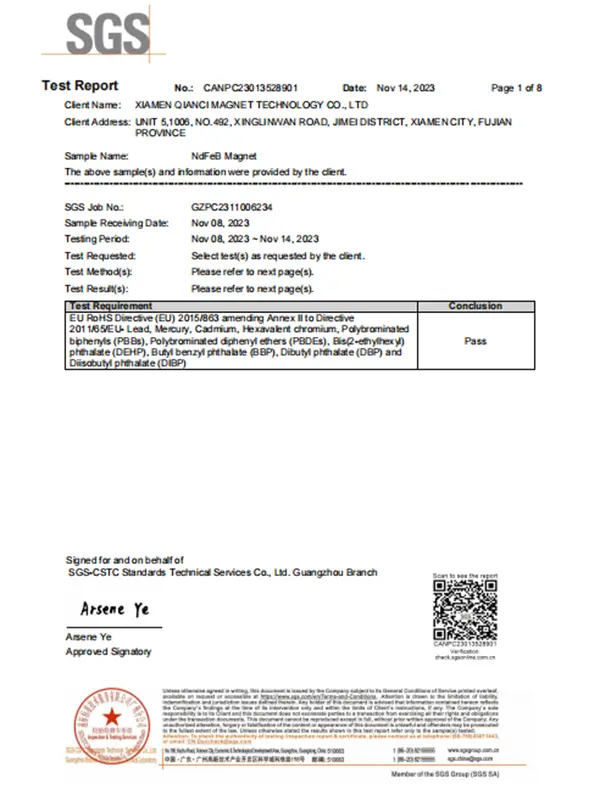
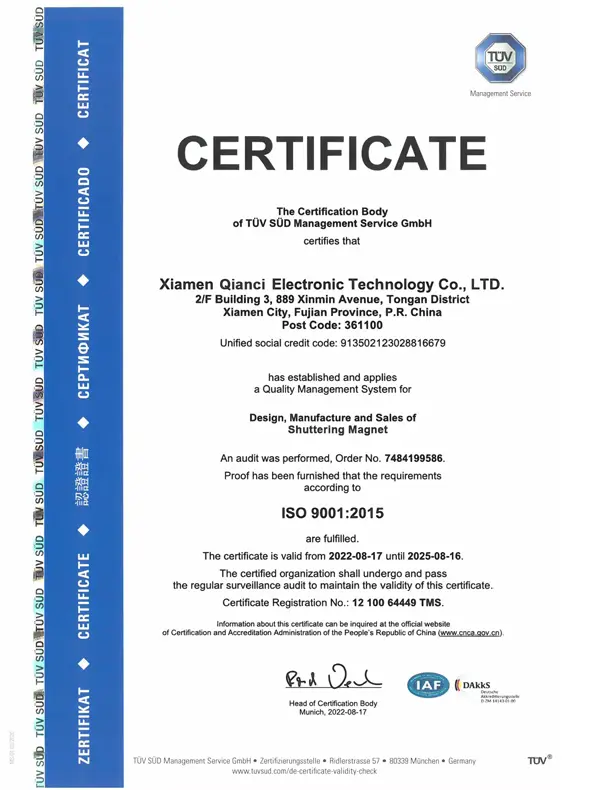
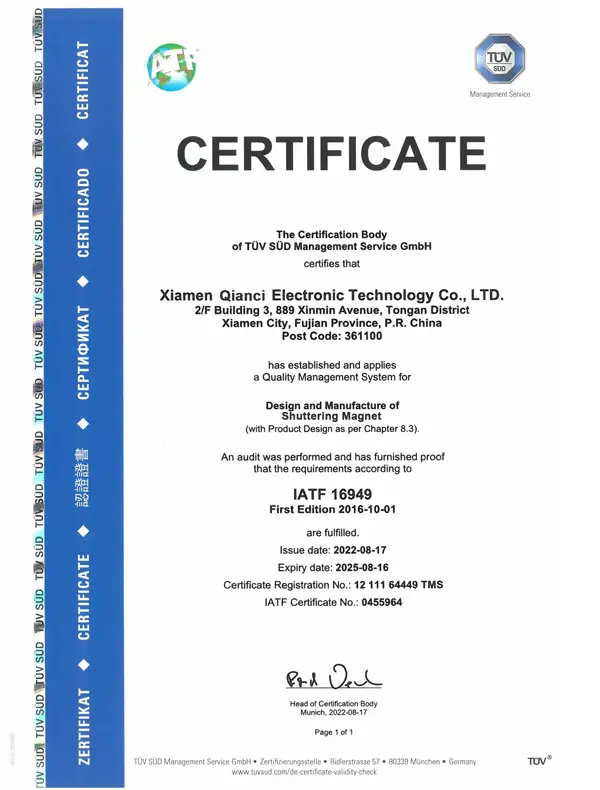
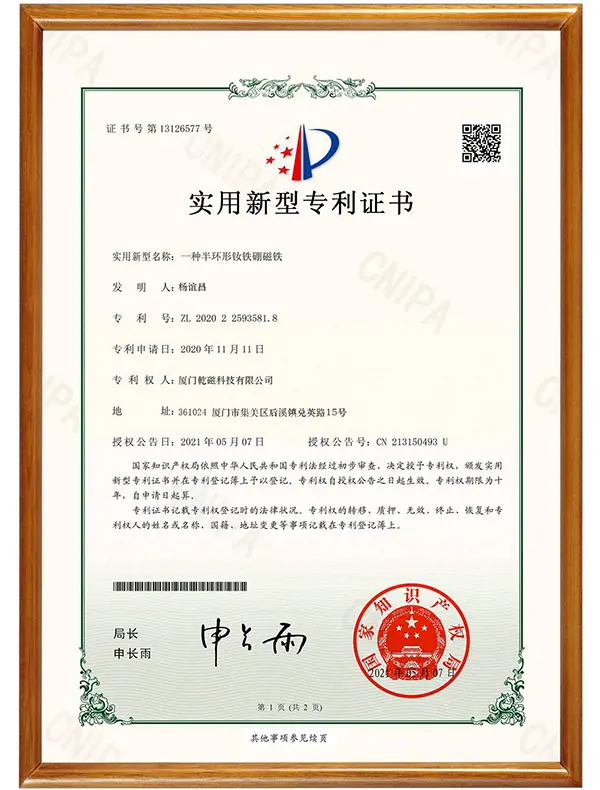
Manufacturing consistency verified by international quality institutions.
Stay informed about technical shifts in the global magnetic precast ecosystem.
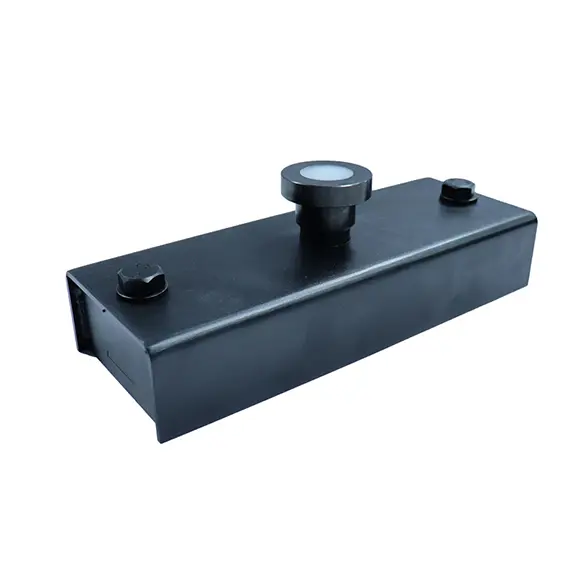
Precast concrete systems: Shuttering molds shape edges/openings on flat surfaces using magnetic fixation, while mold systems support more dynamic profiles...

QCM, a global leader in magnetic components, will participate in UK Construction Week 2025. From May 7th to 9th, showcasing the latest precast magnetics...
Exhaustive catalog of specialized magnetic anchors, locating plates, and recess formers matching European and ECOWAS architectural regulations.
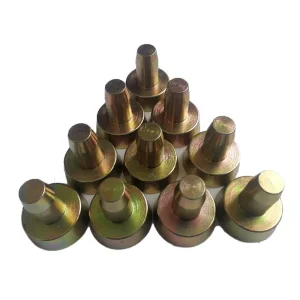
Essential technical insights on sourcing, handling, and utilizing precast insert magnets in industrial setups.
For operations in tropical zones with elevated outdoor manufacturing temperatures, we advise using NdFeB magnets with a minimum heat resistance class of 'H' (up to 120°C) or 'SH' (up to 150°C). Standard magnets rated for room temperature will undergo demagnetization when exposed to direct sun-warmed steel structures or thermal curing processes.
We use a combination of surface finish treatments. The internal neodymium raw magnets are plated with Ni-Cu-Ni layers. The external structural casing is made either of stainless steel (which prevents rust completely) or heavy carbon steel coated with black oxidation, zinc plating, or specialized anti-corrosion epoxy resins. Regular cleaning and oiling after use will prolong their functional lifespan indefinitely.
Typically, we process shipments through international sea freight landing at major regional hubs like the Port of Abidjan (Côte d'Ivoire) or the Port of Tema (Ghana). From these ports, goods are routed via reliable rail or truck lines directly into Banfora and Bobo-Dioulasso. For urgent, smaller custom batches, we can coordinate DHL/FedEx air shipping directly to Ouagadougou International Airport.
Yes, all QCM magnetic fixing systems are fully reusable. If maintained correctly—cleared of raw concrete slurry after demolding and stored away from extreme impact—they will maintain structural and magnetic performance for over 3 years of daily casting cycles.