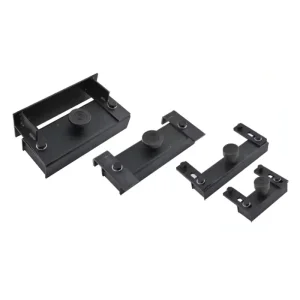
Wholesale Threaded Concrete Insert Solutions

Global Leader in High-Performance Magnetic Fixing & Precast Concrete Structural Reinforcement Systems.

Industry Insight

The Evolution of Threaded Concrete Inserts in Global Infrastructure

In the high-precision world of modern construction, the wholesale threaded concrete insert has evolved from a simple hardware component into a critical engineering anchor. As global architecture shifts towards modularity and precast systems, the demand for reliable, high-load-bearing threaded inserts has surged. These components are the unsung heroes that allow for the seamless integration of structural elements, electrical systems, and mechanical fixtures within solid concrete matrices.

🌐

Global Market Context

The global market for concrete accessories is projected to grow at a CAGR of 5.8%. Regions like North America and Europe are prioritizing "Green Building" initiatives, where precast concrete—enabled by threaded inserts—reduces site waste by up to 30%.

🏗️

Industrial Application

From high-speed rail sleepers to offshore wind turbine foundations, threaded inserts provide the necessary mechanical grip to withstand dynamic loads and seismic vibrations in extreme environments.

🔬

Material Science

Innovation in carbon steel Q235 and stainless steel (SUS304/316) ensures that modern inserts offer superior corrosion resistance, essential for the 50-100 year lifecycles required in public infrastructure.

Strategic Advantages of Chinese Manufacturing Efficiency

As a leading hub for industrial production, Chinese factories—particularly those specializing in magnetic components and concrete accessories—have redefined the cost-to-quality ratio. The efficiency of the Chinese supply chain is not merely about lower labor costs; it is about industrial clustering and R&D velocity.

"QCM Magnet leverages the localized industrial ecosystem to integrate neodymium magnet technology with heavy-duty steel forging, creating hybrid magnetic-threaded solutions that reduce formwork setup time by 45%."

Key efficiency drivers include:

  • Integrated Vertical Production: From raw steel processing to final zinc plating and magnetic assembly, everything happens within a single industrial zone, reducing logistics delays.
  • AI-Driven Quality Control: Modern facilities utilize automated vision systems to check thread pitch and depth with micron-level precision, ensuring 100% compliance with international standards like ISO 9001.
  • Rapid Prototyping: For custom wholesale orders, the turnaround from CAD design to physical sample is often less than 7 days, allowing global developers to iterate quickly.

Localized Application Scenarios: A Regional Analysis

The "Search Intent" for threaded inserts varies significantly across the globe. Understanding these localized needs is vital for procurement officers:

Region Primary Application Technical Requirement
North America Commercial Skyscrapers & Parking Structures UNC Threads, High Shear Strength, ASTM Compliance
European Union Residential Precast Panels & Passive Houses Metric (M-series), Thermal Break Compatibility
Southeast Asia Mass Rapid Transit (MRT) Infrastructure Galvanized Protection for High Humidity, Bulk Pricing
2500+

Global Projects Supplied

99.9%

Thread Precision Rate

15+

Years Engineering Expertise

ISO

Certified Quality Mgmt

Future Trends: AI and the Digital Twin of Concrete Inserts

The industry is moving toward "Smart Inserts." By embedding RFID tags or IoT sensors within the threaded housing, contractors can track the structural health of a building in real-time. Furthermore, the integration of BIM (Building Information Modeling) allows for the exact digital placement of thousands of inserts before a single drop of concrete is poured.

Expert Procurement Guide for Wholesale Buyers

When sourcing Threaded Concrete Inserts at scale, decision-makers must look beyond unit price. Total Cost of Ownership (TCO) is influenced by:

  1. Pull-out Strength Ratios: Ensure the manufacturer provides laboratory-certified load data.
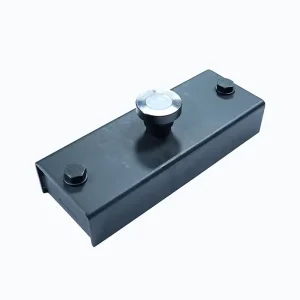
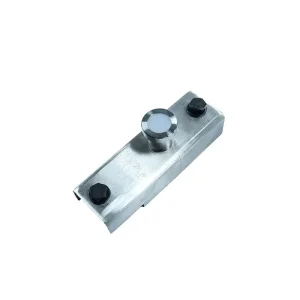
  2. Magnetic Compatibility: For precast plants, using magnetic-integrated inserts eliminates the need for drilling into steel beds, preserving expensive equipment.
  3. Sustainability Credentials: Sourcing from factories that use recycled steel and eco-friendly plating processes aligns with ESG targets.

Technical Q&A

Expert answers to the most common questions in the concrete anchoring industry.

What are the primary differences between Carbon Steel and Stainless Steel inserts? +
Carbon steel offers high tensile strength and cost-efficiency for indoor or dry environments. Stainless steel (SUS304/316) is mandatory for coastal regions, chemical plants, or any application exposed to corrosive elements, offering lifetime protection against rust expansion.
How does magnetic fixing improve precast efficiency? +
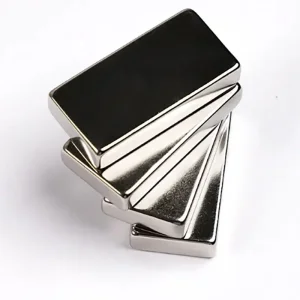
Traditional fixing requires welding or bolting to the formwork table, which damages the surface. Magnetic fixing uses high-power neodymium magnets to hold inserts in place, allowing for instant repositioning and zero table damage.
Can you customize thread patterns for specific international markets? +
Yes, we provide wholesale customization for Metric (M6-M36), UNC/UNF (US Standard), and BSW (British Standard) threading to ensure full compatibility with local hardware and seismic codes.
What quality certifications should a wholesale buyer look for? +
Minimum requirements include ISO 9001 for management, CE certification for the European market, and material mill certificates that prove the chemical composition of the steel used.