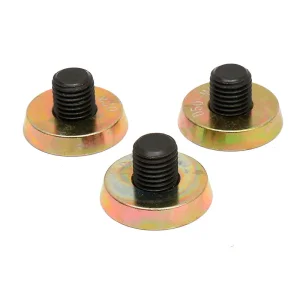
Explore our top-performing custom cylinder, block, pot, and embedded flat magnetic components designed for high-shear industrial applications.
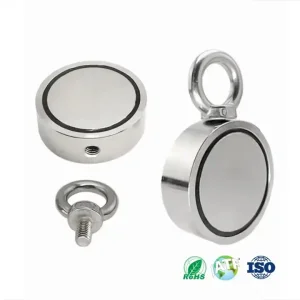
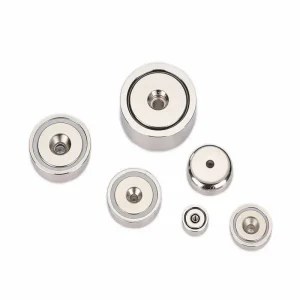
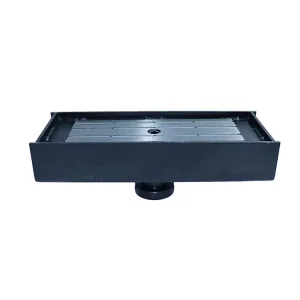
How modern miniature, flat magnetic architectures are transforming automation, precast civil engineering, and micro-device integrations.
Utilizing vacuum induction melting and customized strip casting, modern small flat magnets leverage NdFeB (Neodymium Iron Boron) and SmCo (Samarium Cobalt) configurations to output unmatched coercivity and flux density profiles within sub-millimeter tolerances.
Operating environments in heavy industries demand resilience. High-quality small flat magnets now feature advanced surface modification options including multi-layer Ni-Cu-Ni, Epoxy resin, Zinc, and Chrome plating, preventing oxidation up to continuous 350°C cycles.
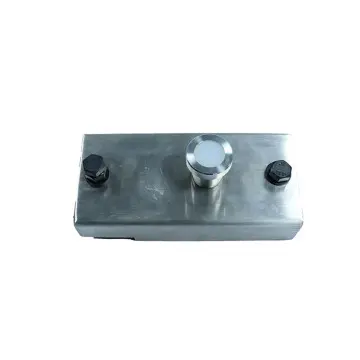
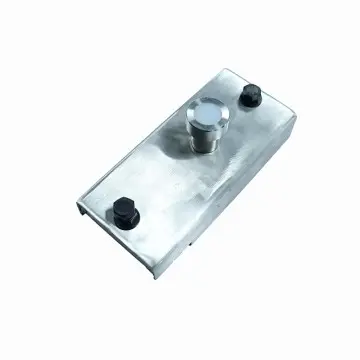
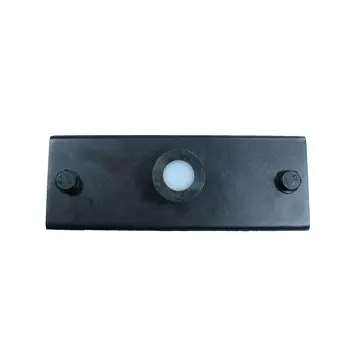
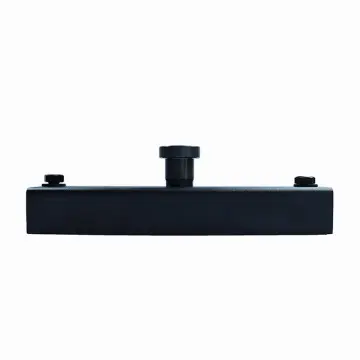
Flat magnet profiles maximize surface area contact to deliver optimized normal clamping force. Our proprietary cup and shuttering designs encase these magnets in carbon steel shells to direct magnetic flux lines directly to the work surface, increasing hold efficiency up to 200%.
Selecting the appropriate magnetic compound based on thermal limits, mechanical shear demands, and corrosive exposures.
| Magnetic Material Class | Common Grade Range | Remanence (Br) | Coercivity (Hcb) | Max Energy Product (BHmax) | Peak Temperature Limit |
|---|---|---|---|---|---|
| NdFeB (Neodymium) | N35 - N52, AH Series | 1.17 - 1.48 T | ≥ 828 kA/m | 263 - 414 kJ/m³ | 80°C to 240°C |
| SmCo (Samarium Cobalt) | YXG-24 to YXG-32 | 0.90 - 1.15 T | ≥ 640 kA/m | 180 - 240 kJ/m³ | 250°C to 350°C |
| Ferrite / Ceramic | Y25, Y30, Y35 | 0.35 - 0.43 T | ≥ 170 kA/m | 26 - 36 kJ/m³ | 250°C |
| Alnico (Cast/Sintered) | Alnico 5 to Alnico 9 | 0.60 - 1.35 T | ≥ 48 kA/m | 40 - 80 kJ/m³ | 450°C to 550°C |
Our flat pot magnets utilize high-grade carbon steel cups configured as magnetic circuits (Halbach array derivatives). By encasing the rare-earth core, the non-working face flux is redirected to the work surface, multiplying local vertical holding capability.
Exported batches maintain structural flatness up to 3 microns. This avoids micro-gaps when paired with flat industrial steel poles, guaranteeing zero loss of designed shear capacity under vibration stress.
Engineered specifically for precast concrete formwork systems, these magnets save labor, protect casting platforms, and streamline structural civil engineering.
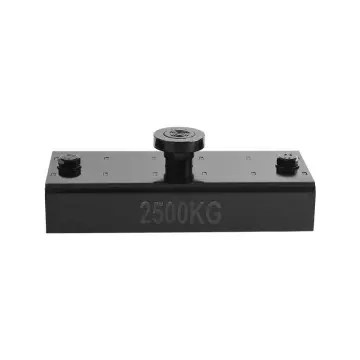
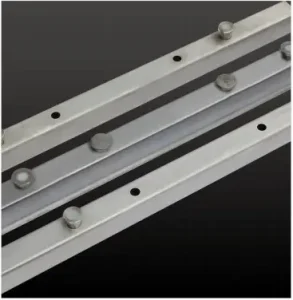
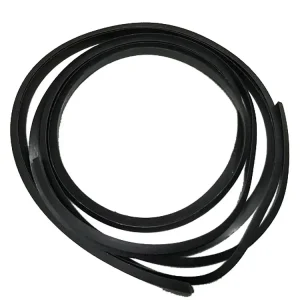
QCM Magnet (Qianci Magnet) specializes in offering complete magnetic fixing solutions for the production of precast concrete components. Our primary products include Shuttering Magnets and their corresponding accessories, Formwork Magnets, Magnetic Chamfering Strips, and various pre-embedded insert magnets.
Utilizing magnetic fixing in precast concrete component production prevents damage to the steel platform, enhances work efficiency, reduces labor costs, and promotes economic efficiency as the magnetic fixing devices are reusable and highly durable.
Using our expertise in magnetic components and our extensive experience in supporting the production of precast components, we have developed numerous new and practical magnetic fixing products. Our products come with complete specifications, excellent quality, ease of operation, and long service life. Additionally, we can promptly customize a variety of magnetic fixing parts to meet the diverse needs of our global customers.
Our roadmap as a global leading manufacturer of magnetic solutions for civil and heavy-duty precast engineering.
Qianci Magnet is a strong magnetic component factory, specializing in the production, research, development, and system integration of formwork magnets, magnetic formwork, insert magnets, and concrete chamferers.
Our business mainly involves precast concrete magnetic system solutions, helping precast plants globally scale up throughput, implement robotic handling, and transition to eco-friendly production.
To become the premier global leading manufacturer and service provider of advanced magnetic solutions for the precast concrete and mechanical fastening industry.
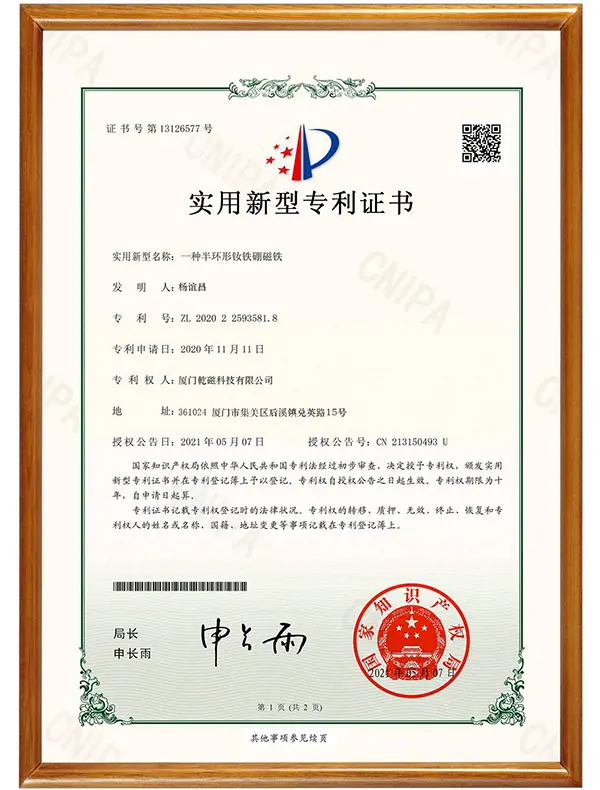
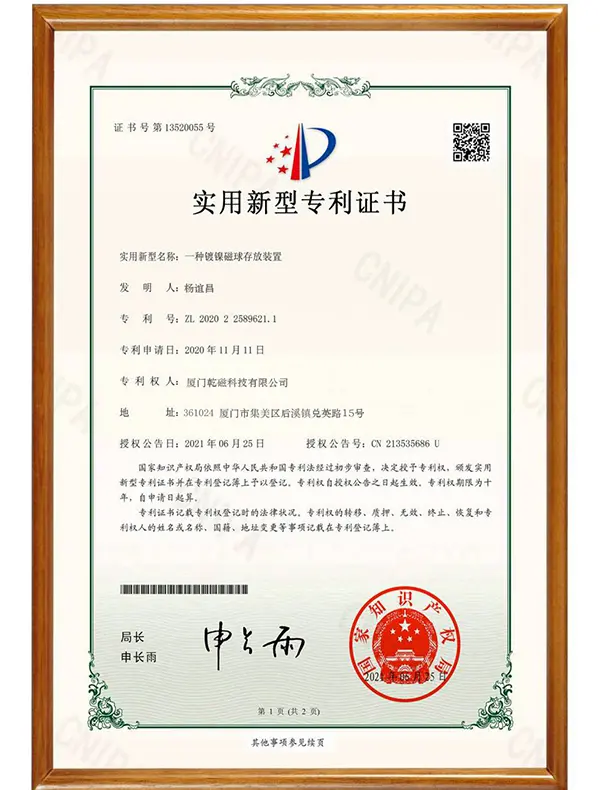
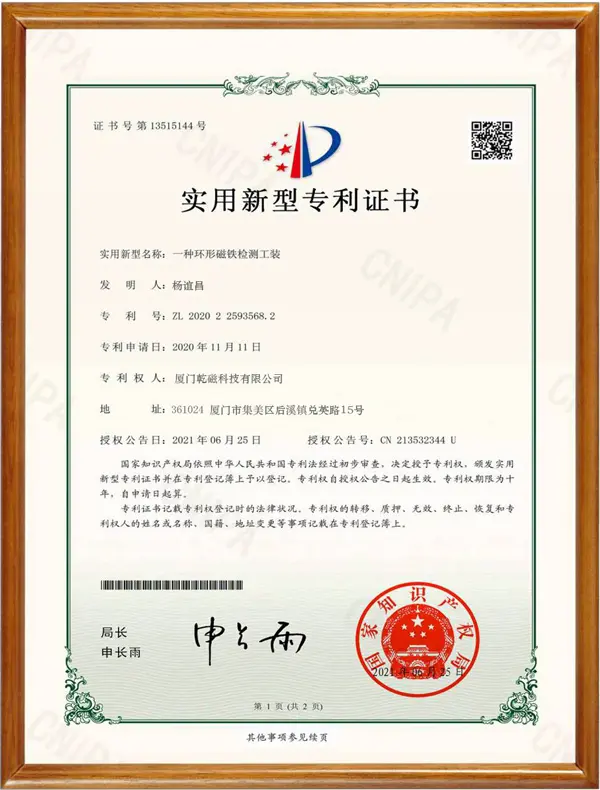
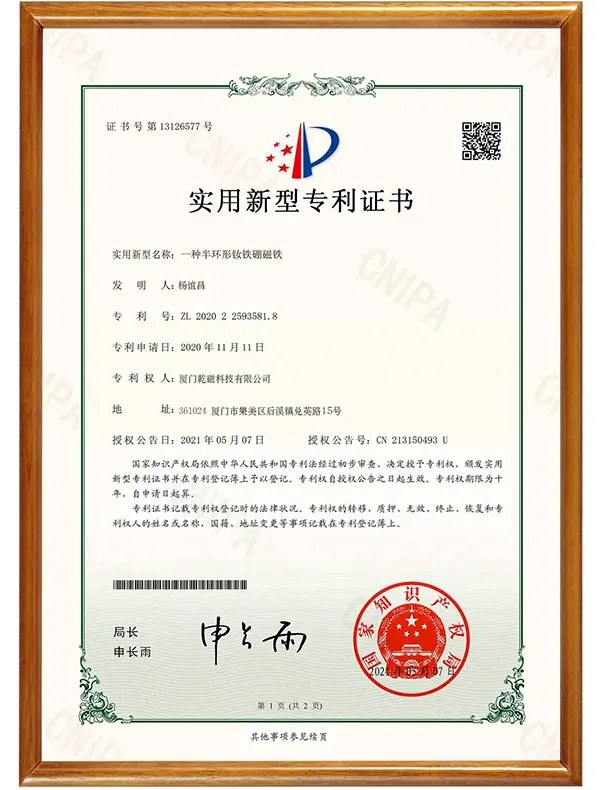
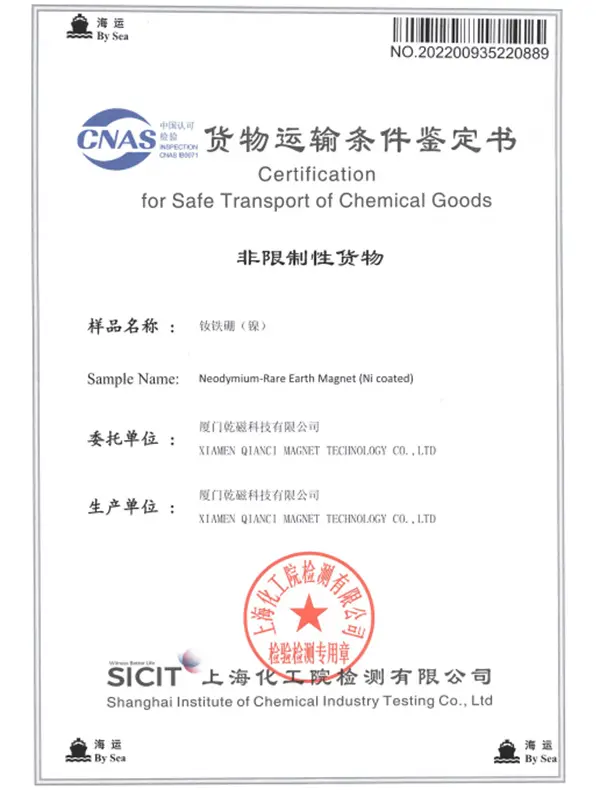
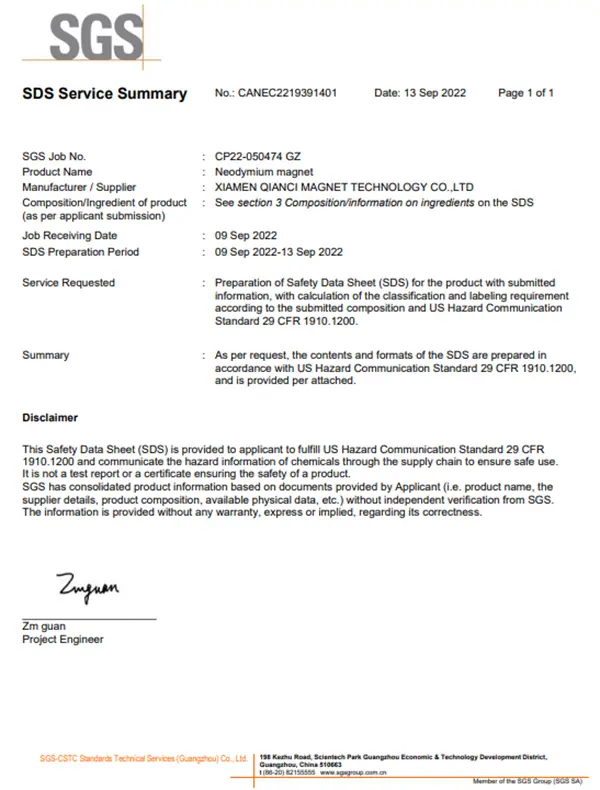
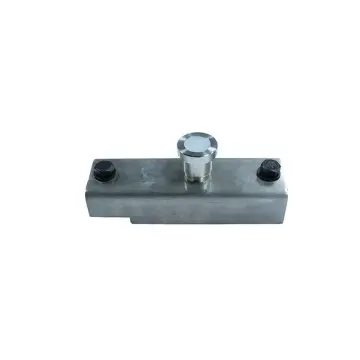
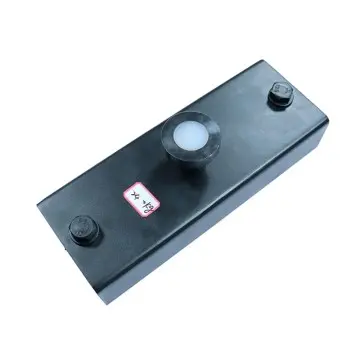
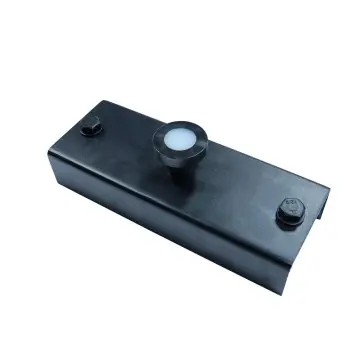
High-power modular shuttering magnets and fixing assemblies featuring integrated mechanical release levers.
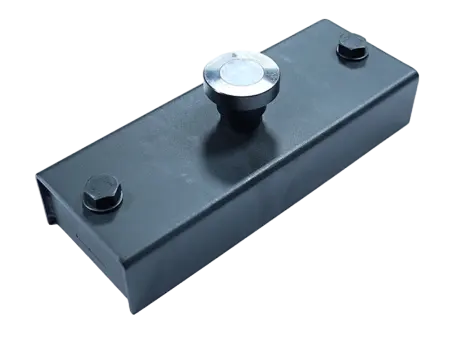
Features a 1600kg series with huge magnetic force, reusability, and extreme durability in concrete pouring.
Inquire Now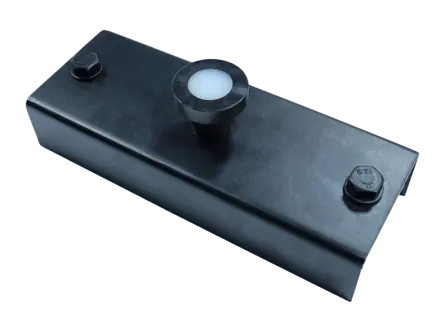
Increases factory floor productivity and structural mold placement accuracy.
Inquire Now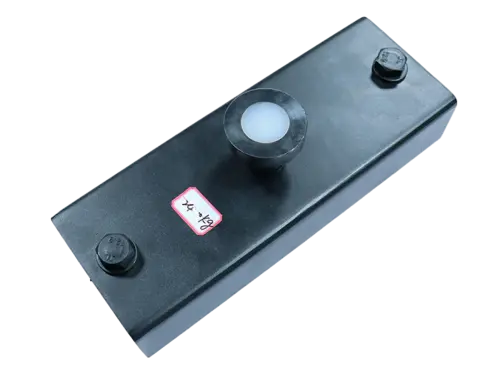
Engineered for heavy double-wall elements, columns, and concrete modular systems.
Inquire Now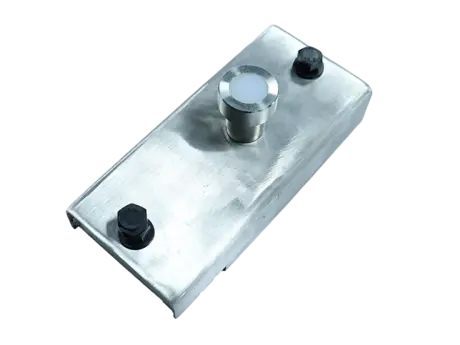
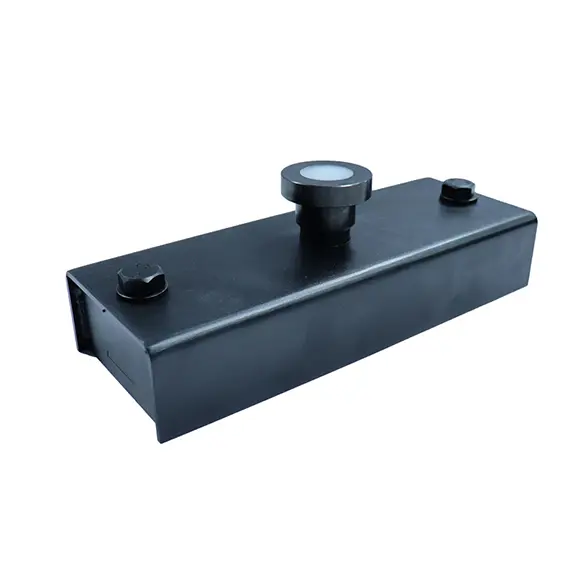
Typically utilized to secure high-precision side profiles and wood/steel formwork panels.
Inquire NowKeep up to date with manufacturing advances, exhibition appearances, and technological distinctions in structural fixing.
In precast concrete production, shuttering magnets are modular elements designed to clamp various generic profiles onto steel tables. In contrast, specialized mold systems integrate internal magnetic blocks directly into customized, dedicated shapes. Discover which system maximizes ROI for your plant layout...
Read Full Article →
QCM Magnet, a leading developer of permanent magnet assemblies, has announced its participation in the upcoming UK Construction Week 2025 in Birmingham. The engineering team will exhibit next-generation lightweight alloy shuttering boxes and magnetic chamfers designed for green building codes...
Read Full Article →Where the industrial magnetic industry is heading: from robot-assisted automation to eco-friendly rare-earth recycling initiatives.
In modern automated precast concrete factories, manual placement of formwork magnets is being replaced by heavy gantry robots. Future small flat magnets and shuttering boxes are designed with standardized robotic gripping interfaces, allowing mechanical arms to pick, place, activate, and release the magnetic hold based on CAD architectural files.
Traditional high-coercivity NdFeB magnets rely on Dysprosium (Dy) and Terbium (Tb) to maintain magnetic properties at high temperatures. Due to the scarcity and cost of these heavy rare earth elements, QCM's technical roadmap focuses on grain boundary diffusion (GBD) processes. This allows us to supply small flat magnets with extreme temperature resistance while lowering raw material costs for wholesale buyers.
Concrete slurries contain corrosive chemical additives. To ensure a lifecycle of over 10 years, flat industrial magnets now feature advanced hybrid coatings. Beyond standard Ni-Cu-Ni, our development of Everlube, Teflon, and chemical-vapor-deposited (CVD) Parylene coatings offers unprecedented resistance against concrete adhesion, high-pressure washes, and alkaline degradation.
Crucial engineering, sourcing, and material application questions answered by QCM Magnet's Chief Scientific Officer.
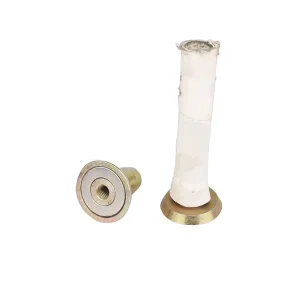
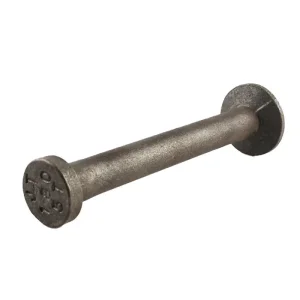
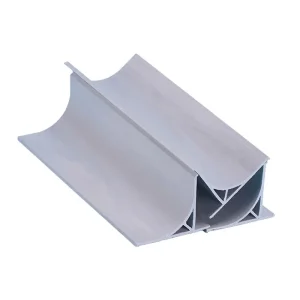
Complete your precast setup with robust lifting pin anchors, recess formers, concrete chamfers, and customized cup magnets.