
High-performance permanent magnet configurations designed for critical mechanical fixings, industrial shuttering, and structural components.
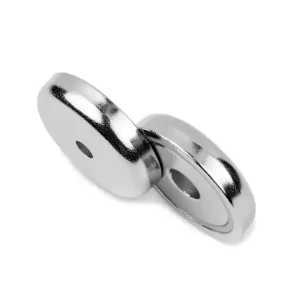
Advanced Neodymium iron boron pot configuration engineered with high-strength magnetic fields and threaded holes for versatile mechanical attachments.
View Product Details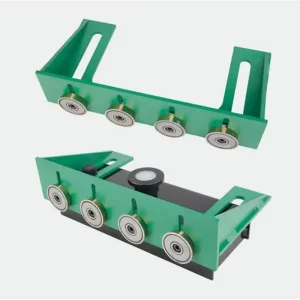
Premium shuttering magnet clamps engineered specifically to secure side molds within automated concrete production environments.
Get Pricelist & Specifications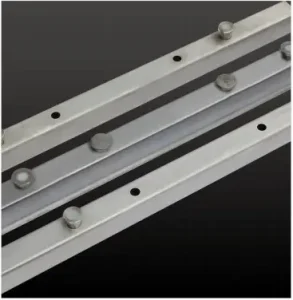
Innovative precast magnetic clamping systems integrated with single chamfer profiles for precision concrete edge profiling.
Contact Exporter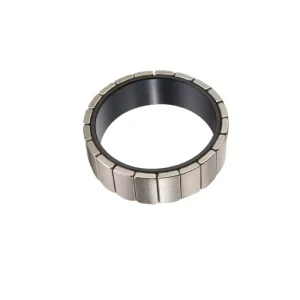
Specialized Halbach array magnetic orientation layouts offering amplified unilateral magnetic fluxes for high-torque motor operations.
Request Custom Assembly Price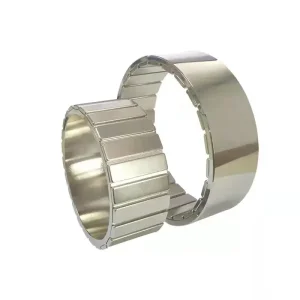
Ultra-efficient magnetic assemblies constructed for high-speed rotors, maximizing power density and minimizing heat generation.
View Motor Magnet Technical Specs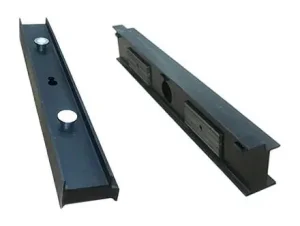
Integrated structural concrete shuttering panels using high-capacity NdFeB magnetic elements for modern construction automation.
Inquire with Manufacturer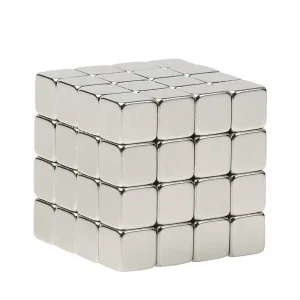
Super strong disc and block neodymium magnets manufactured to tight tolerances for luxury consumer box closures.
Get Bulk Packaging Pricing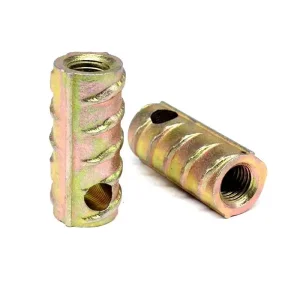
Heavy-duty magnetic fixtures designed to securely hold lifting anchors and insert pins during concrete pouring cycles.
View Insert CatalogIn modern manufacturing, construction, and precision electronics assembly, the pressure to optimize throughput while maintaining strict safety profiles has driven a transition from mechanical fasteners to advanced adhesive-backed magnetic solutions. An adhesive-backed magnet combines the temporary positioning power of high-grade permanent magnets with the permanent shear hold of high-performance pressure-sensitive adhesives (PSAs).
Traditionally, industrial assemblies relied heavily on drilling, threading, welding, or mechanical clipping. While robust, these methods damage structural surface integrity, introduce fatigue hot spots, and require skilled labor. When implementing structural adhesives with rare-earth magnets, engineers achieve even load distribution, eliminate localized mechanical stress, and prevent moisture ingress that causes galvanic corrosion.
Industrial-grade magnets utilize distinct materials depending on target magnetic pull force and operational environments:
To prevent oxidation of rare-earth elements, advanced multi-layer coatings are applied. Electroplated Nickel-Copper-Nickel (Ni-Cu-Ni), Epoxy, and chemical vapor deposited Parylene provide barriers to moisture and corrosive agents. When paired with adhesive backings, these coatings must possess optimal surface energy to allow the adhesive to wet out effectively.
Procurement professionals sourcing adhesive-backed magnets face a complex global landscape. Since rare-earth elements (Neodymium, Dysprosium, Praseodymium) are subject to geopolitical volatility and environmental regulatory controls, establishing partnerships with direct-to-factory suppliers that maintain robust raw material inventories is essential.
When evaluating suppliers, global enterprises prioritize vertical integration. A manufacturer that handles powder metallurgy, sintering, machining, plating, and tape lamination under one roof offers superior quality control and price protection. Additionally, physical testing facilities capable of measuring demagnetization curves (hysteresisgraphs), salt spray performance, shear strength, and adhesive peel resistance are vital for high-reliability components.
Ensures raw ore inputs comply with global environmental regulations, safeguarding brands against supply chain disruptions and human rights violations.
Precision-coated magnets aligned with context-specific adhesives (e.g., 3M 467MP, VHB, or modified acrylics) depending on substrate surface energy.
Advanced CNC machining and slicing machines maintain dimensional tolerances within +/- 0.05 mm, vital for automated pick-and-place lines.
Choosing the correct adhesive tape depends on the installation surface. High surface energy (HSE) substrates like stainless steel, aluminum, and copper readily bond with acrylic adhesives. Low surface energy (LSE) materials, such as polypropylene, polyethylene, and powder-coated steels, require specialized modified acrylic or rubber-based adhesives to prevent peeling.
QCM Magnet specializes in offering complete magnetic fixing solutions for the production of precast concrete components and advanced industrial assemblies. Our primary products include high-capacity Shuttering Magnets and their corresponding accessories, Formwork Magnets, Magnetic Chamfering Strips, and various pre-embedded insert magnets.
Utilizing magnetic fixing in precast concrete component production prevents damage to structural steel platforms, enhances work efficiency, reduces labor costs, and promotes economic efficiency through reusable tooling systems. With decades of material science expertise, we support customers globally to optimize manufacturing cycles.
Explore Our Whole Production Plant
Qianci Magnet is a professional magnetic component manufacturer specializing in the research, development, and high-volume fabrication of formwork magnets, insert magnets, magnetic chamfering profiles, and custom assemblies.

Our core operations deliver optimized precast concrete magnetic fixing systems and advanced industrial bonding magnets designed to streamline infrastructure construction and high-precision assembly lines globally.

We aim to establish global technical leadership in industrial magnetic fixings by investing in polymer bonding R&D, automated manufacturing, and zero-defect quality control workflows.
Engineering functional adhesive-backed magnets requires matching the magnetic force requirements with the mechanical load profiles of the adhesive layer. Below is a design grid that maps typical industrial pairings:
| Magnet Grade | Adhesive Specification | Operational Temp Range | Substrate Compatibility | Key Application Industry |
|---|---|---|---|---|
| NdFeB N52 (Rare Earth) | 3M 300LSE Acrylic | -40°C to +120°C | Powder Coats, Plastics, Glass | Consumer Electronics & Sensors |
| NdFeB N35SH (High Temp) | 3M VHB (Vapor-cured Acrylic) | -40°C to +150°C | Aluminum, Stainless Steel, Brass | Automotive Under-hood Components |
| Samarium Cobalt (SmCo26) | High-Performance Polyimide / Acrylic | -60°C to +250°C | Castings, Machined Steels | Aerospace & Heavy Process Plants |
| Anisotropic Ferrite | Double-Sided PE Foam Tape | -20°C to +80°C | Textured Plastics, Cardboard, Drywall | Point of Purchase (POP) Displays |
A common point of failure in magnetic design is confusing the perpendicular pull force (magnetic attraction perpendicular to the substrate) with shear resistance (the force required to slide the assembly along the surface). While magnetic force holds the components together, the adhesive backing carries the shear load under gravity.
To prevent sliding, the coefficient of friction must be optimized. In pot magnet designs, rubber or polyurethane coatings are applied directly to the magnet face. These coatings increase the friction coefficient by up to 300% compared to smooth nickel, while the internal rare-earth magnetic cores maintain perpendicular holding pressure.
In smartphones, tablet accessories, smart door locks, and security sensors, space is at a premium. Neodymium adhesive-backed magnets allow components to snap together securely without screws. Specialized die-cut adhesive backings ensure that thin-gauge magnets remain bonded to anodized aluminum housings, even after repeated drops and exposure to moisture.
Modern precast concrete production relies on steel casting tables. To position formwork profiles, structural steel plates, and conduit boxes without drilling into the tables, manufacturers use switchable magnetic boxes. In this sector, neodymium pot magnets are combined with structural polyurethane gaskets. These gaskets seal out concrete slurry while resisting vibration from mechanical compaction tables.
With the rise of Electric Vehicles (EVs), keeping vehicle weight low is a priority. Adhesive-backed magnets replace heavy steel brackets for mounting sensor brackets, headliners, and interior trim panels. High-coercivity (SH, UH, and EH grades) NdFeB magnets, paired with high-strength VHB tapes, are used to withstand the constant vibrations and thermal spikes of automotive engine chambers.
As industries seek greater efficiency and smaller form factors, the technical roadmap for adhesive-backed magnets focuses on two key goals: corrosion prevention and hybrid magnetic profiles.
To reduce dependence on scarce heavy rare-earth elements like Dysprosium (Dy) and Terbium (Tb), manufacturers are adopting Grain Boundary Diffusion. Instead of mixing these expensive elements throughout the magnet, GBD diffuses them along the grain boundaries of the sintered block. This technique raises thermal stability and coercivity while reducing raw material cost and volatility.
Achieving reliable bonds between polymer adhesives and metallic plating requires proper surface preparation. Industrial manufacturing lines increasingly use inline atmospheric plasma treatment to clean and prime the nickel-plated or epoxy-coated magnet surface. This process alters the surface chemistry of the coating, increasing surface energy and helping the adhesive wet out for a stronger bond.
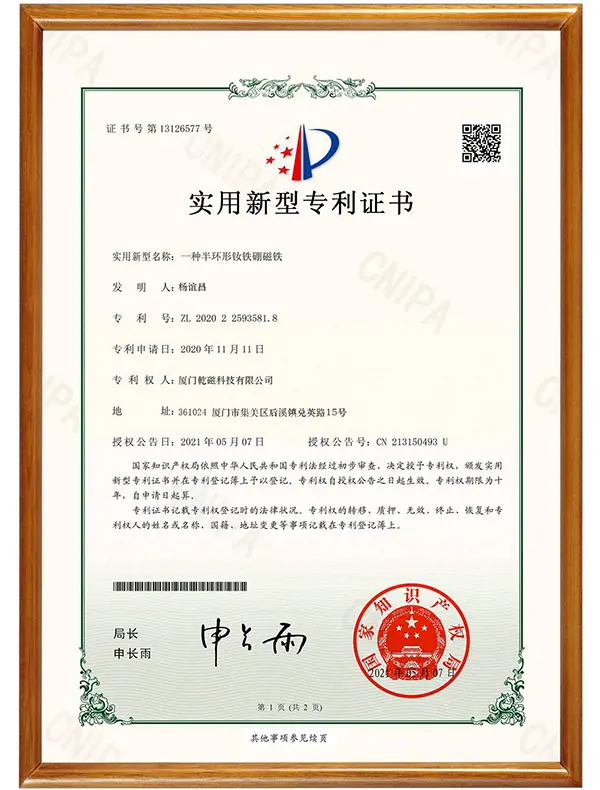
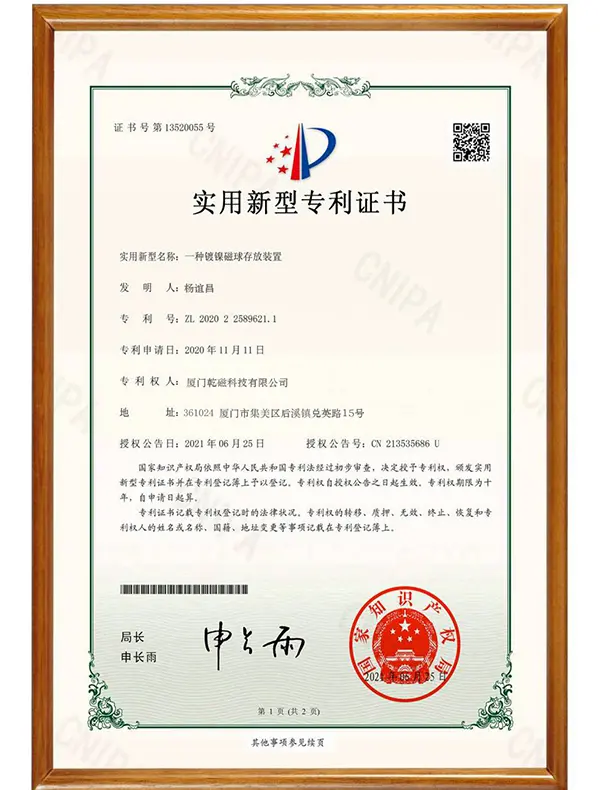
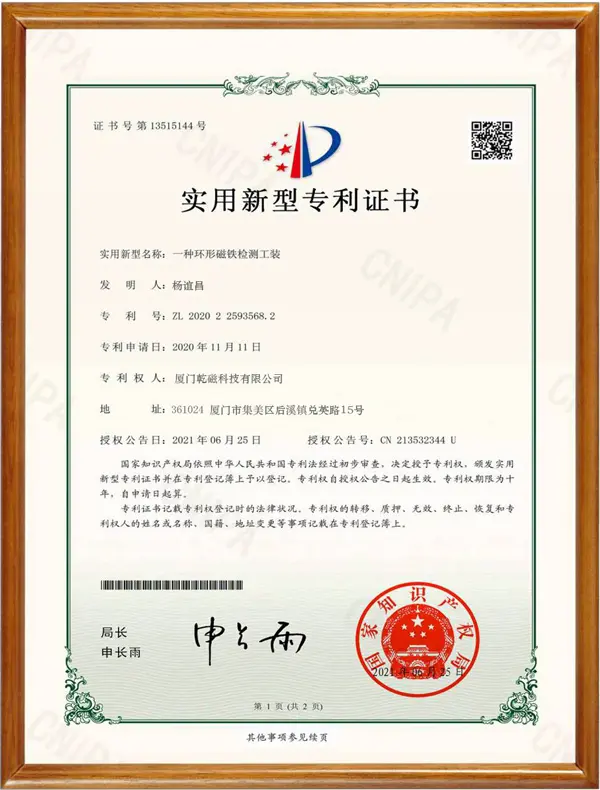
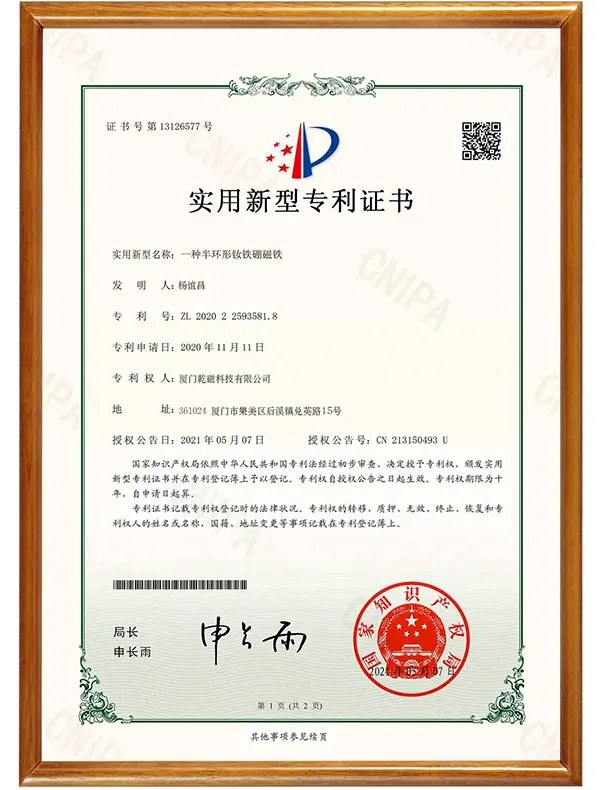
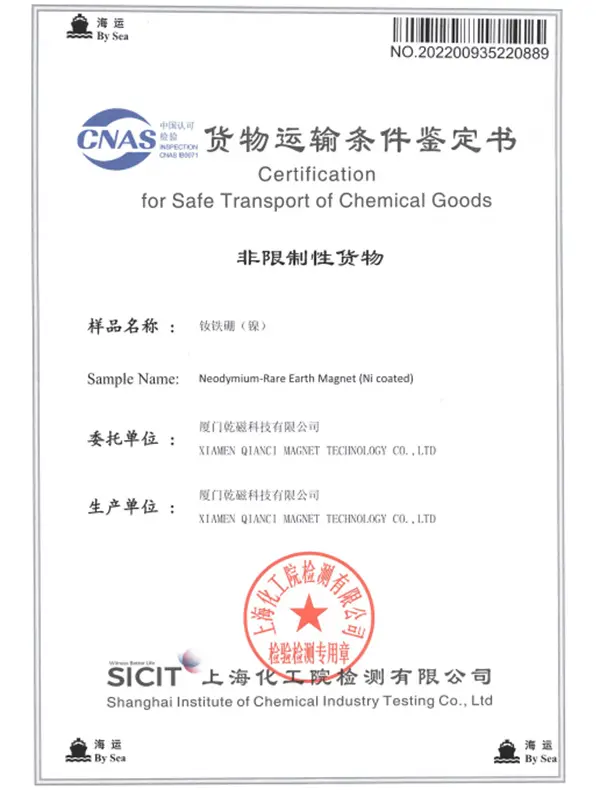
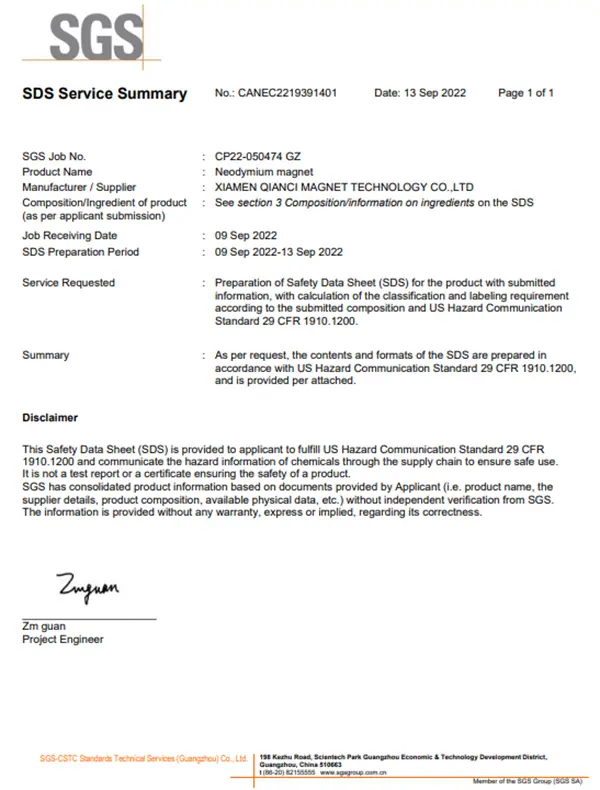
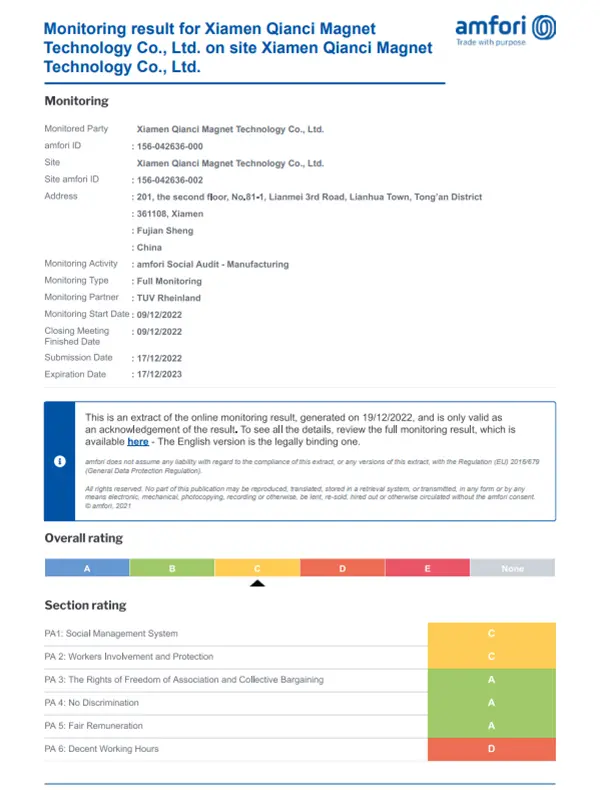
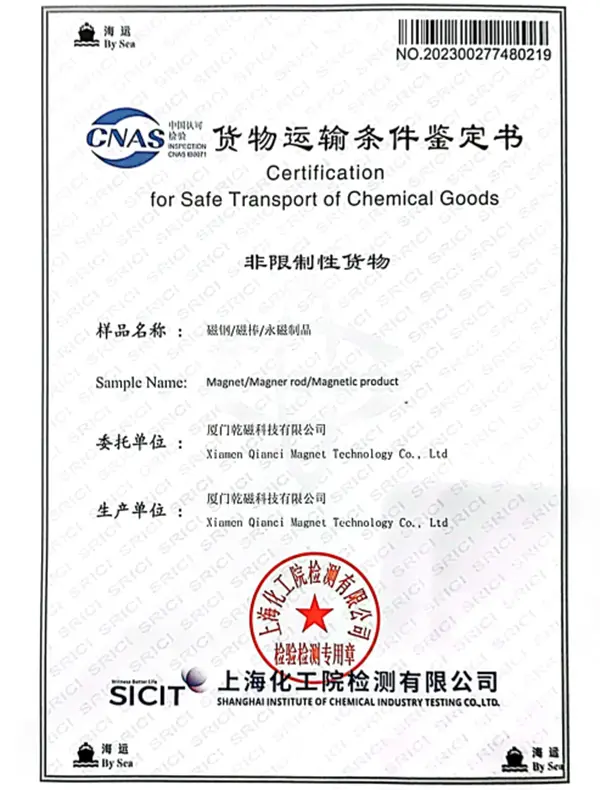
Our production plant operates under ISO 9001:2015, IATF 16949, and strict environmental compliance protocols to ensure batch reliability.
Stay updated with our latest industry insights, production tech updates, and upcoming trade shows.

Published on 2025-05-15: Learn the difference between precast concrete formwork elements and magnetic shuttering configurations for modern construction beds.
Read Complete News Article
Published on 2025-04-30: QCM, a manufacturer of magnetic solutions, will showcase its line of precast shuttering systems at UK Construction Week 2025 from May 7-9.
Read Event ScheduleTechnical answers to common engineering and procurement questions regarding adhesive-backed magnets.
Heavy-duty magnetic fixtures, Samarium Cobalt configurations, and concrete production hardware engineered to high industrial standards.
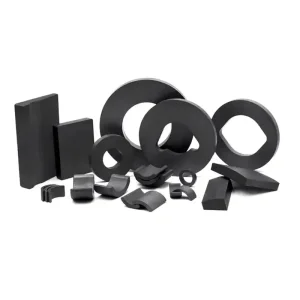
Anisotropic arc segment ferrite magnets manufactured for heavy-duty industrial electric motors, automotive cooling fans, and generator rotors.
Contact OEM Manufacturer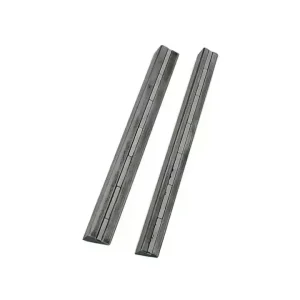
Durable steel chamfer profiles utilizing integrated neodymium magnets, designed to form clean bevel edges on precast concrete columns.
Inquire Factory Price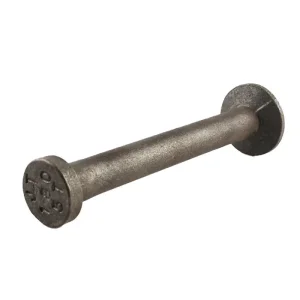
High-strength concrete anchors and accessories engineered to secure loads during the demolding, transport, and site assembly of precast elements.
Request Bulk Quote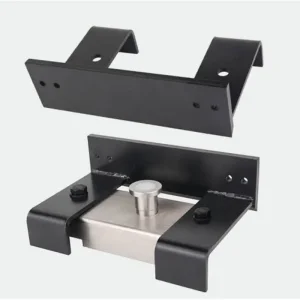
Interchangeable magnetic fixing boxes supplied with specialized adapters to lock down wood, aluminum, or steel formwork frames.
View Adapter Specifications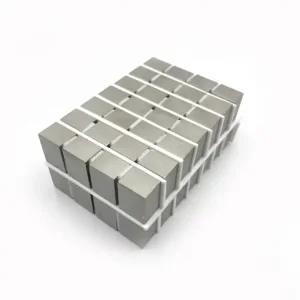
High-temperature radial-ring SmCo permanent magnets designed for sensor arrays and high-reliability aerospace components.
Request Sample & Design Assistance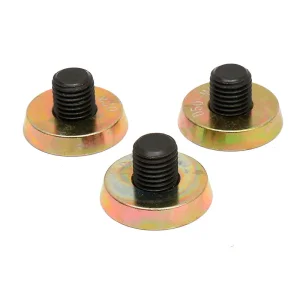
Specialized magnetic fixtures engineered to secure electrical conduit sockets and threaded sleeves directly to steel molds during casting.
Inquire for Precast Sockets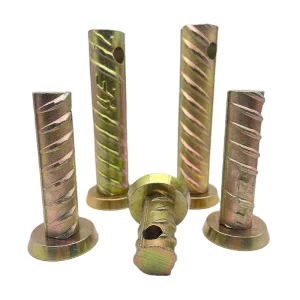
Industrial steel lifting sockets designed to embed into concrete components, ensuring safe and reliable lifting points.
Download Design Load Tables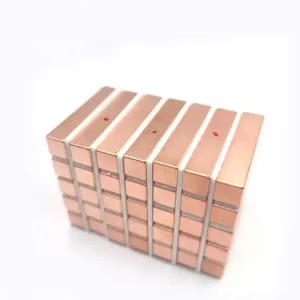
Custom-machined SmCo block magnets with corrosion-resistant coatings, built to operate continuously in ambient temperatures up to 300°C.
Request Material Safety Sheet