
Home >
Precast Concrete Magnets >
Custom Precast Lifting Socket Or Lifting Insert Magnets From Rebar Company, Products
1 / 5
Custom Precast Lifting Socket Or Lifting Insert Magnets From Rebar Company, Products
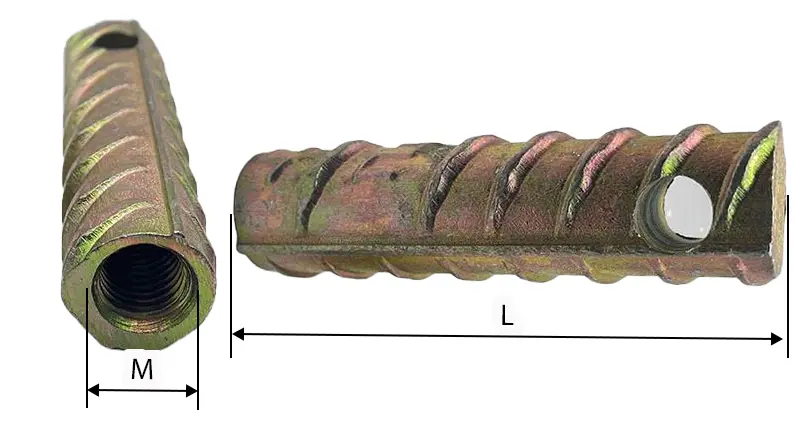
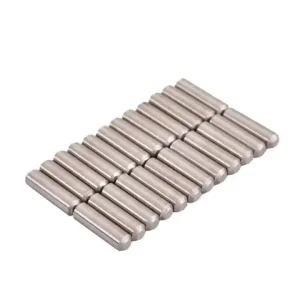
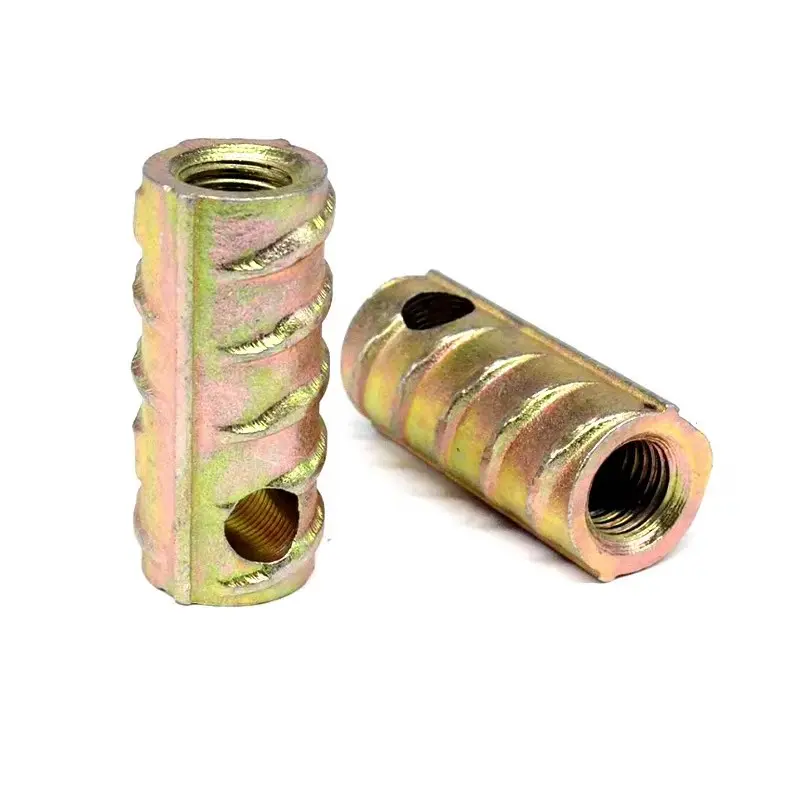
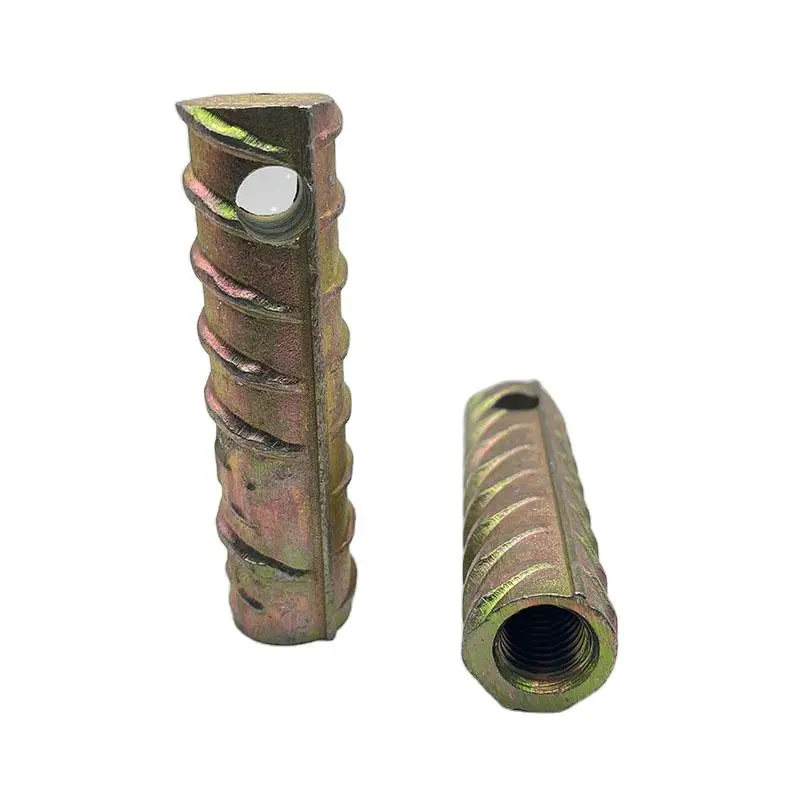
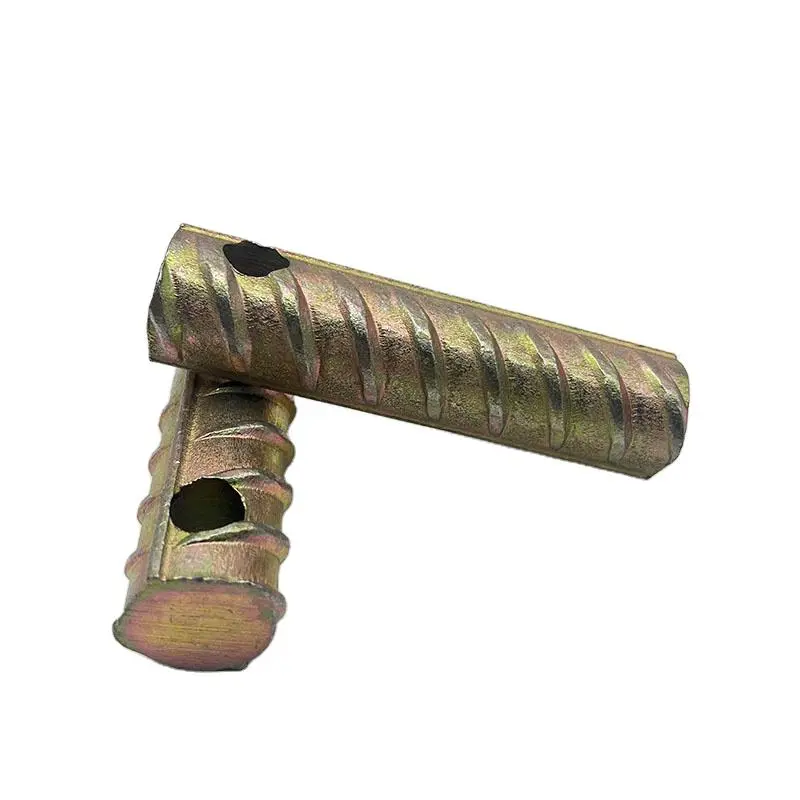
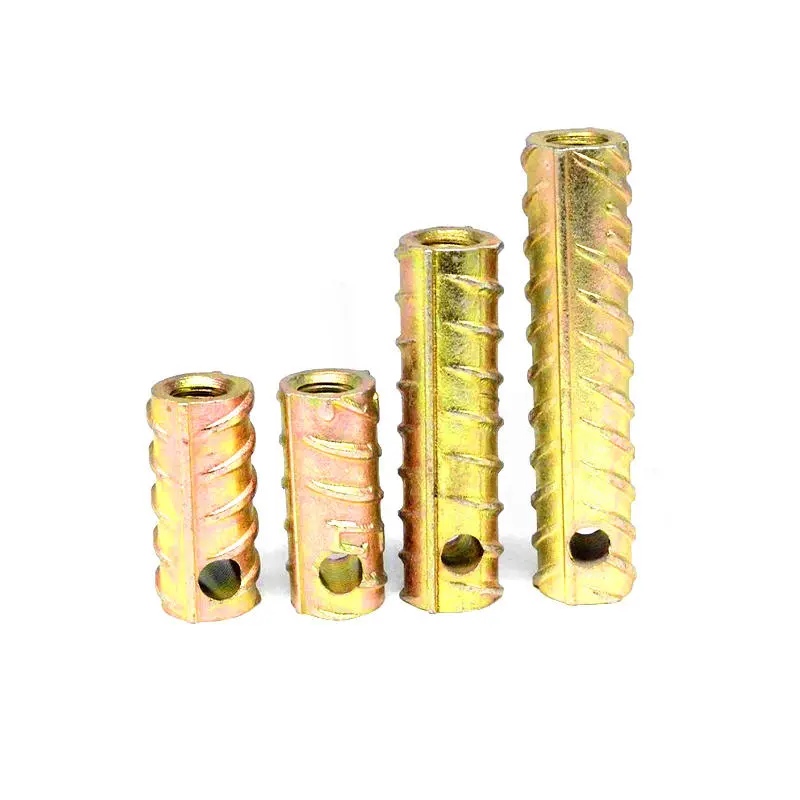
Precast lifting socket or lifting insert magnets from rebar are special devices used in the precast concrete industry for lifting, transporting and installing precast concrete components. They are available in a variety of sizes and load capacities, can be safely connected to lifting equipment, are suitable for a variety of precast concrete applications, and improve construction efficiency and safety.
Precast lifting sockets or lifting insert magnets from rebar are specialized devices used primarily in the precast concrete industry for lifting, transporting, and installing precast concrete elements. These sockets are embedded within concrete units and provide a secure point for attaching lifting devices, such as hooks or loops, facilitating safe handling during construction processes.
Key Features
Design and Material
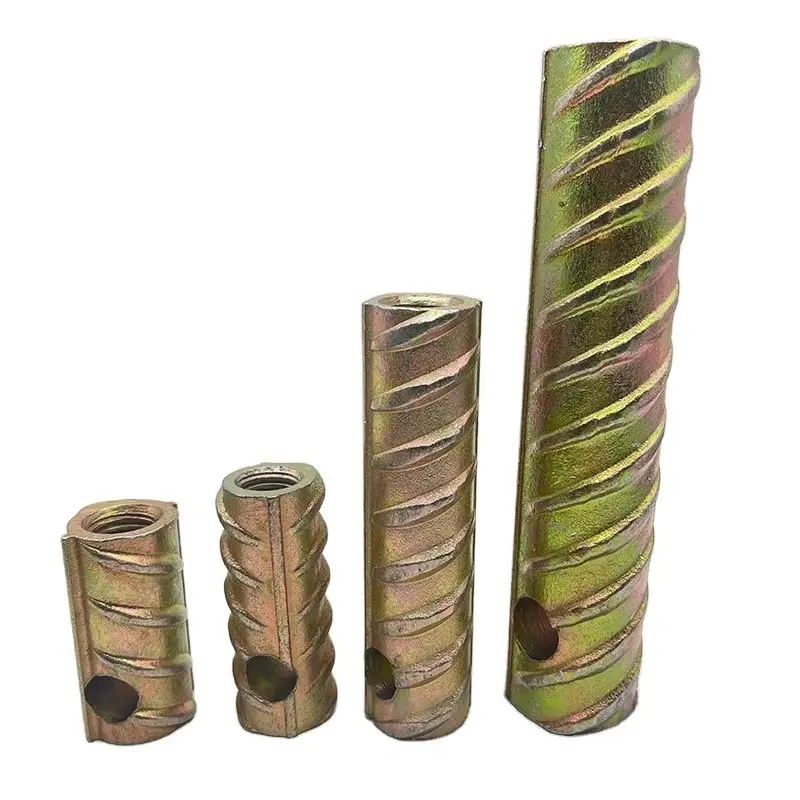
Made from high-quality Rebar. They come in various sizes and load capacities, ranging from 500 kg to 4,000 kg, depending on the specific application and requirements of the project.
Threaded Connection
The sockets feature a threaded design that allows for the secure attachment of lifting loops or eyes. Full engagement is required to ensure safety during lifting operations.
Structural Versatility
Used in walls, beams, slabs, and structural elements. Their compact size allows integration into thin concrete sections without compromising integrity.
Threaded Lifting Socket Dimensioning
Model
M (Thread Size)
L (Length mm)
QCM-12
12
80
QCM-14
14
50 / 80 / 100 / 120
QCM-16
16
50 / 80 / 100 / 120 / 150
QCM-18
18
70 / 80 / 150
QCM-20
20
60 / 80 / 100 / 120 / 150 / 180 / 200
QCM-24
24
120 / 150
Applications
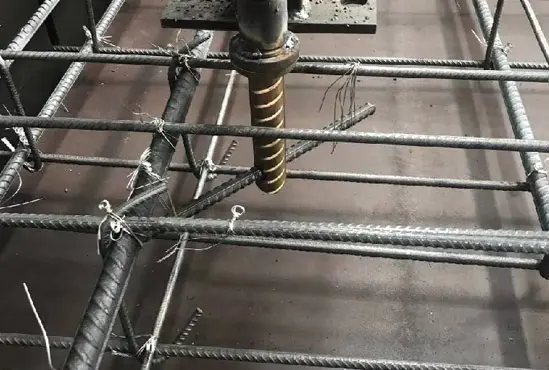
Lifting and Transporting: Threaded lifting sockets are essential for demolding and moving precast elements from one location to another. They provide a reliable anchoring point that can withstand the forces involved during lifting operations.
Installation: Once the precast units reach their destination, the sockets facilitate precise placement by allowing cranes or other lifting equipment to maneuver the elements into position safely.
Key Advantages
Reusability
Many threaded lifting systems are designed for multiple uses, making them cost-effective for contractors working with precast elements.
Safety Standards
Systems are tested to ensure they meet safety regulations, required to withstand loads significantly higher than actual operational use.
Ease of Use
Simplifies the connection process between lifting devices and the socket, reducing setup time and enhancing onsite efficiency.
In summary, threaded lifting sockets play a crucial role in modern construction practices involving precast concrete. Their robust design and versatility make them indispensable tools for safely handling heavy concrete components throughout various stages of construction.

Frequently Asked Questions
What is the load capacity of these lifting sockets?
The load capacities typically range from 500 kg to 4,000 kg, depending on the specific model and size selected for the project requirements.
Are these sockets suitable for thin concrete walls?
Yes, their compact design allows them to be easily integrated into thin concrete sections without compromising the structural integrity of the element.
What material are the lifting sockets made of?
These sockets are manufactured from high-strength Rebar/Steel to ensure maximum durability and safety during heavy lifting operations.
How does the threaded connection improve safety?
The threaded design ensures a secure, positive connection with lifting loops or eyes. When fully engaged, it prevents accidental disconnection during transport.
Can the lifting system be reused?
Yes, many of these threaded systems are designed for reusability, providing a cost-effective solution for long-term construction projects.
Do these products meet international safety standards?
Yes, they are rigorously tested to withstand loads much higher than their rated capacity to ensure compliance with construction safety regulations.