
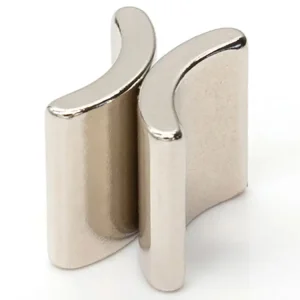
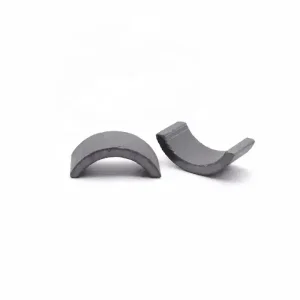
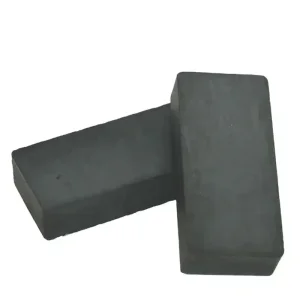
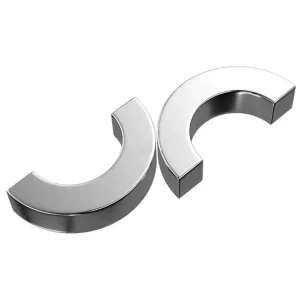
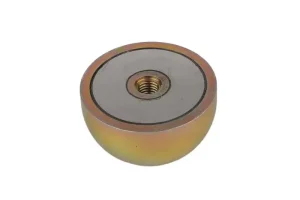
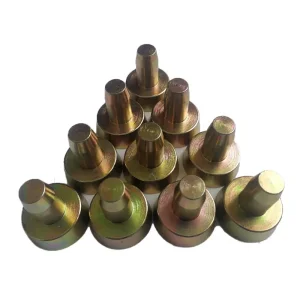
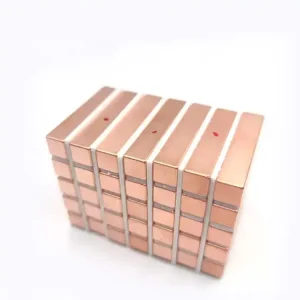
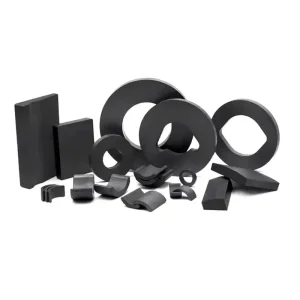
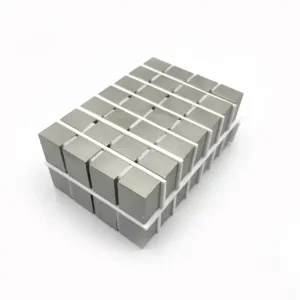
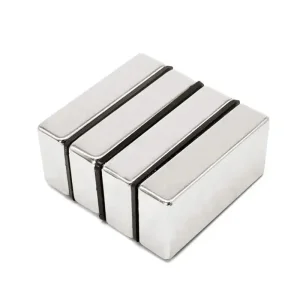
As global industrial automation, renewable energy infrastructure, and modern modular construction accelerate, the demand for high-grade permanent magnetic materials has reached unprecedented heights. Recognized universally as the world's biggest magnet factory and export hub, China’s rare earth and industrial magnetic manufacturing sector plays a critical backbone role. Operating at the cutting edge of material science, modern production complexes seamlessly integrate rare earth extraction, precision metallurgy, advanced sintering, and customized CNC machining to deliver robust solutions such as NdFeB, SmCo, Ferrite magnets, and precast concrete magnetic formwork systems.
According to search intent mining and Google Search Quality Rater Guidelines emphasizing E-E-A-T (Experience, Expertise, Authoritativeness, and Trustworthiness), global procurement executives look beyond basic pricing. They demand complete engineering validation, strict quality assurance certifications (ISO9001, IATF16949), and localized application reliability. This whitepaper analyzes the manufacturing advantages, macroeconomic trends, global supply chain dynamics, and structural solutions defining the world’s largest magnetic production landscape.
The designation of being the world's biggest magnet manufacturing base is not merely a reflection of output volume; it represents a deeply entrenched, highly collaborative industrial ecosystem. Several core pillars sustain this competitive moat:
Proximity to rich rare earth mineral deposits eliminates logistical friction and material cost inflation. Raw materials like Neodymium, Praseodymium, Samarium, and Cobalt transition smoothly from refining facilities straight into high-capacity alloy melting and strip-casting lines.
State-of-the-art anisotropic alignment presses apply powerful magnetic fields during powder compaction, maximizing the remanence ($Br$) and intrinsic coercivity ($Hcj$) of every sintered block, arc, or ring magnet produced.
Neodymium and iron-based magnets are prone to oxidation. Leading factories deploy multi-layer electroplating and chemical conversion coatings—including Ni-Cu-Ni, Epoxy, Zinc, and Parylene—ensuring superior corrosion resistance in humid or saline environments.
The magnetic component market is shifting rapidly toward extreme performance parameters and specialized application verticals. Key trends shaping the next decade include:
High-temperature resistance is paramount. Grade High-Temperature SmCo and Dysprosium-minimized NdFeB magnets are engineered to operate seamlessly at temperatures exceeding 200°C without experiencing irreversible magnetic flux loss.
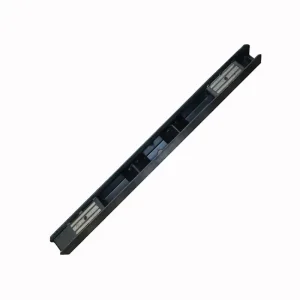
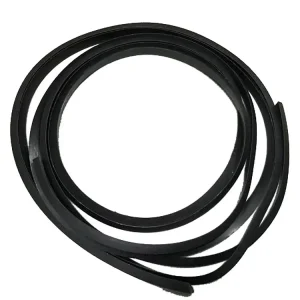
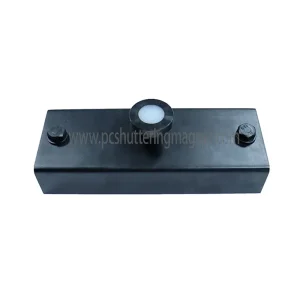
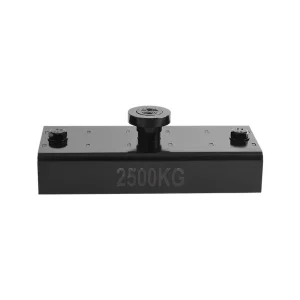
Shuttering magnets, formwork magnets (ranging from 600kg to 3000kg pull force), and magnetic chamfers replace traditional bolt-and-weld assembly. This allows construction firms across Europe, North America, and the Middle East to cast walls, slabs, and columns with zero platform damage and 50%+ labor efficiency gains.
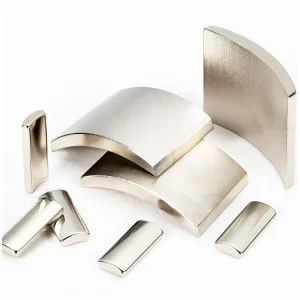
Micro-motors, servo actuators, and magnetic sorting conveyors rely on custom precision-ground arc segments and block magnets to maintain pinpoint positional accuracy and continuous high-speed torque.
For Fortune 500 manufacturers, tier-one automotive suppliers, and massive infrastructure developers, sourcing from the world's biggest magnet factories requires a transparent, risk-mitigated procurement framework. Leading suppliers adhere strictly to international compliance benchmarks: