Neodymium-Iron-Boron (NdFeB) magnets, often referred to as "King Magnets," remain the cornerstone of modern industrial advancement. As of 2024, the global neodymium market is undergoing a structural shift. With the surge in Electric Vehicle (EV) adoption and Renewable Energy (Wind Turbine) projects, demand for high-coercivity NdFeB has reached unprecedented levels.
China continues to dominate the supply chain, accounting for over 85% of global rare earth processing. However, the industry is moving towards sustainable sourcing and circular economy models, where recycling of rare earth elements from end-of-life motors is becoming a technical priority for OEM factories.
OEM factories are integrating AI-driven quality control to monitor magnetic flux consistency and coating thickness in real-time. This reduces defects in large-scale stator and rotor production.
New "Grain Boundary Diffusion" (GBD) technology allows companies to achieve high temperature resistance (SH, UH, EH grades) while significantly reducing the use of expensive Dysprosium (Dy) and Terbium (Tb).
The construction sector is pivoting to Modular Integrated Construction (MiC). Magnetic fixing systems, such as shuttering magnets, are now essential for the automated production of concrete elements.
The roadmap for neodymium technology is focused on three pillars: Efficiency, Durability, and Miniaturization.
In Europe and North America, the focus is on Precast Concrete Automation. Magnetic formwork systems drastically reduce the labor hours required for setup, catering to regions with high labor costs. In Southeast Asia, the demand is driven by Micro-Motor OEM assemblies for home appliances and hard disk drives.
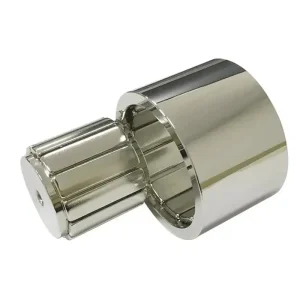
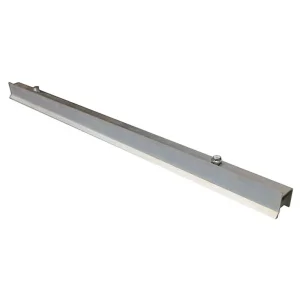
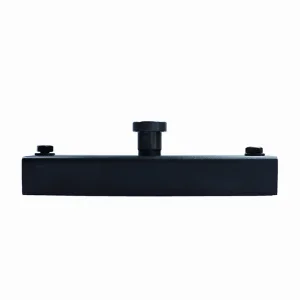
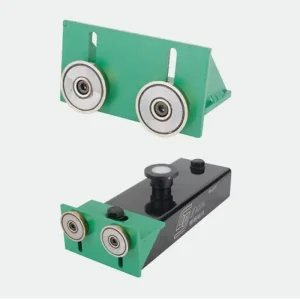
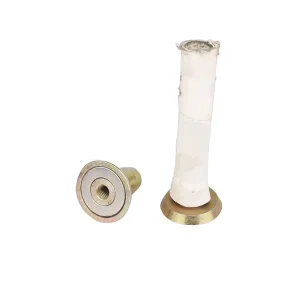
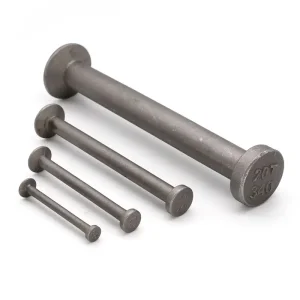
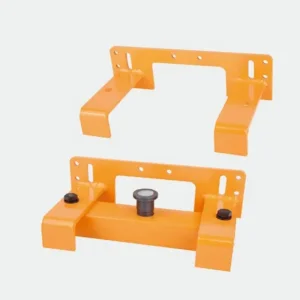
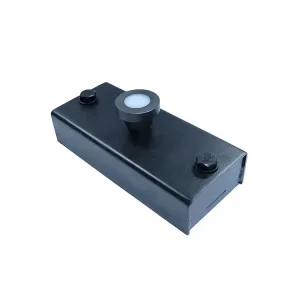
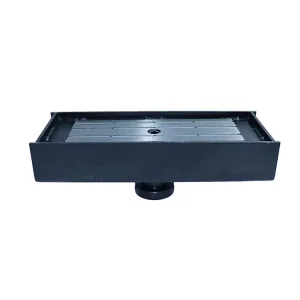
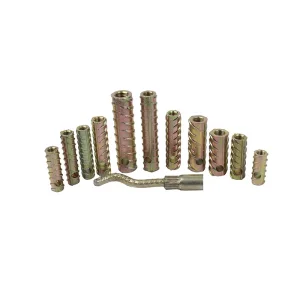
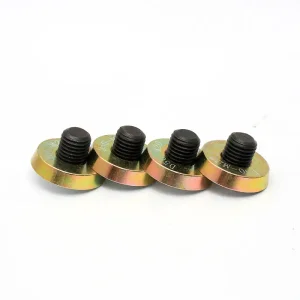
QCM Magnet specializes in offering complete magnetic fixing solutions for the production of precast concrete components. Our primary products include Shuttering Magnets and their corresponding accessories, Formwork Magnets, Magnetic Chamfering Strips, and various pre-embedded insert magnets.
Utilizing magnetic fixing in precast concrete component production prevents damage to the platform, enhances work efficiency, reduces labor costs, and promotes economic efficiency as the magnetic fixing devices are reusable. Our expertise in magnetic components and extensive experience allows us to customize parts to meet diverse customer needs.
Qianci Magnet is a strong magnetic component factory, specializing in the R&D of formwork magnets, insert magnets, and magnetic concrete chamferers.
Providing global precast concrete magnetic system solutions to improve concrete element production efficiency.
To become a global leading manufacturer and excellent service provider of magnetic solutions for the precast industry.
Scenario A: High-Rise Residential Construction
Solution: Use of 2100KG Shuttering Magnets with Carbon Steel Housing. This ensures precise alignment of wall panels, reducing finishing time by 40%.
Scenario B: High-Efficiency Electric Powertrains
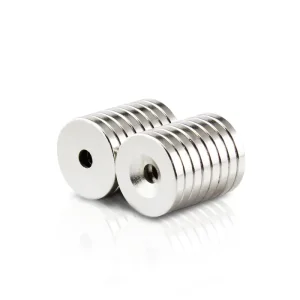
Solution: Implementation of N42H and N38H Neodymium grades for BLDC motors. These provide high torque-to-weight ratios essential for modern drones and EV stators.
Scenario C: Civil Engineering & Marine Recovery
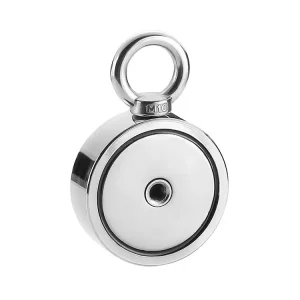
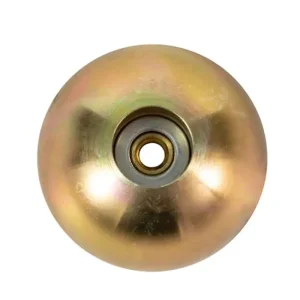
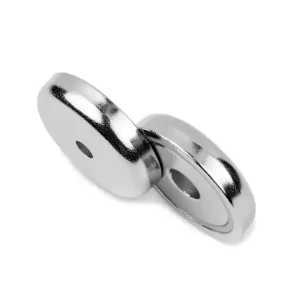
Solution: D48mm Neodymium Pot Fishing Magnets with stainless steel hooks for underwater asset recovery and site clearing.
A: A top-tier factory must possess ISO9001 certification, advanced sintering furnaces, and precise CNC machining capabilities. Most importantly, it should provide comprehensive E-E-A-T validated testing reports for magnetic flux, coercivity, and salt spray resistance.
A: Carbon steel provides a higher magnetic permeability, allowing for a more focused and powerful clamping force. However, for highly corrosive environments, OEM companies often offer customized anti-rust coatings or hybrid designs.
A: Standard NdFeB magnets (N-series) lose magnetism above 80°C. For industrial motors, OEM factories recommend SH (150°C) or UH (180°C) grades to ensure long-term reliability under thermal load.
A: While the permanent magnet itself lasts for decades, the mechanical housing (shuttering box) is subject to wear. Proper maintenance—cleaning concrete residue and oiling the switch—can extend service life to 3-5 years of daily use.