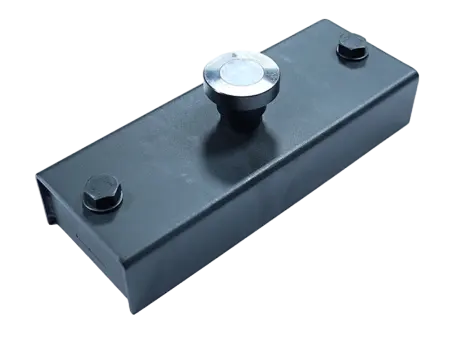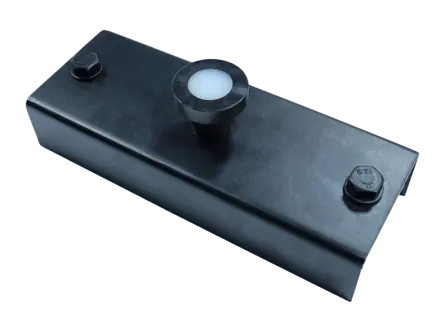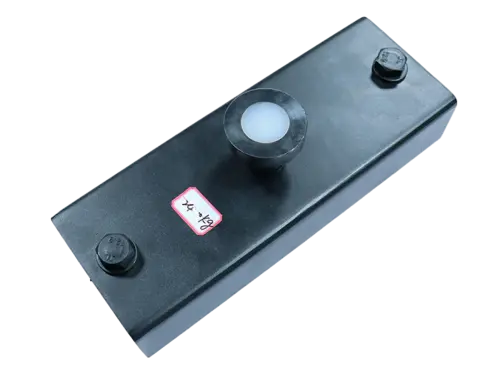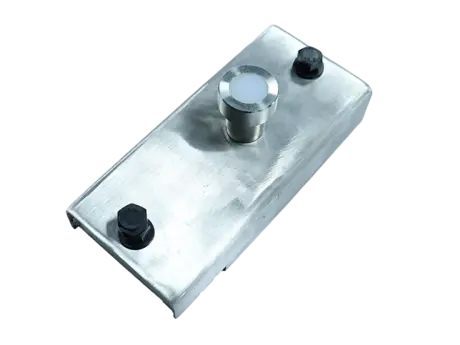
Explore our heavy-duty precast construction magnetic tools engineered for maximum durability, reusable operations, and exceptional load-bearing capacities.
An in-depth guide to modern NdFeB industrial technologies, structural integrity, and application protocols in automated civil engineering and precast formwork systems.
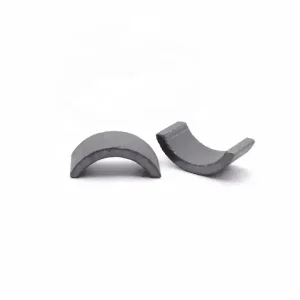
Rare-earth permanent magnets represent the pinnacle of modern magnetics, primarily utilizing alloyed combinations of Neodymium, Iron, and Boron (NdFeB). Sintered NdFeB stands as the most robust commercially viable permanent magnetic material. In industrial precast operations, magnetic assemblies utilize optimized configurations to direct magnetic flux lines effectively. The primary objective is to maximize the holding force (shear and pull-off tension) while maintaining thermal stability under curing conditions.
To prevent performance degradation during steam curing or high-temperature cycles (typical in precast concrete consolidation processes), our rare-earth systems integrate high-coercivity materials (grades ranging from N35 up to specialized high-temperature resistance grades like 38UH or 40SH). The magnetic core is structurally shielded against chemical and mechanical stresses by heavy-duty carbon steel or stainless-steel housings, focusing the flux fields directly toward the contact surface for superior gripping power.
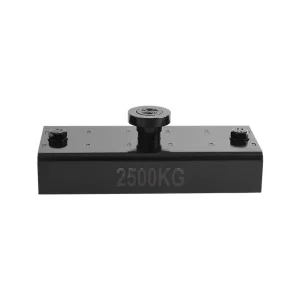
“Using high-performance sintered Neodymium (NdFeB) combined with Finite Element Method (FEM) design, our magnetic systems provide up to 2500 kg (5500 lbs) of active clamping force without warping or surface deformation.”
In the industrialized construction sector, efficiency and mold preservation are key. Traditional formwork systems relied heavily on welding or mechanical bolting directly into the casting beds. This destructive practice degrades steel beds, shortens equipment lifespans, and introduces dimensional inconsistencies in the finished concrete elements. Magnetic fixing systems solve this challenge by offering a non-destructive, reusable clamping method.
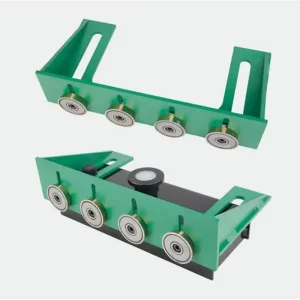
Our magnetic boxes operate via an ergonomic on/off lever or pushbutton mechanism. When engaged, the magnetic block makes direct contact with the steel platform, applying thousands of kilograms of holding force. Pulling the button disengages the unit, allowing for easy repositioning. This system reduces formwork setup and dismantling times by up to 70%, yielding substantial labor savings and increasing turnover rates for production molds.
Watch our industrial operations in action, detailing how our engineering team crafts durable magnetic fixing systems from raw sintered NdFeB blocks to finished structural assemblies.
The global competitiveness of our rare-earth magnet products is anchored in our strategic location within China's premier rare-earth processing industrial cluster. China commands over 85% of the world's rare-earth mining, separation, and metallurgical refinement capacity. By operating our production facility in this integrated ecosystem, we gain direct, uninterrupted access to raw materials like Neodymium oxide, Praseodymium oxide, and Dysprosium-Iron alloys.
This localized supply chain integration minimizes transport costs, raw material price fluctuations, and lead times. It allows us to manage quality control from the chemical synthesis phase through sintering, precision machining, multi-layer coating, and final assembly testing. This vertical integration makes custom engineering services—such as developing custom formwork clamps, specialized magnetic chamfers, or high-thrust shuttering systems—cost-effective and efficient.
International industrial procurement teams require consistent, certified quality. To meet these expectations, our manufacturing protocols align with ISO 9001:2015 standards, CE declarations of conformity, and international safety compliance guidelines. Our magnetic systems are designed to withstand the harsh environments of precast concrete plants, including constant moisture, concrete slurry exposure, and strong physical vibrations.
We provide comprehensive packaging solutions designed for global logistics. Because strong magnetic fields can interfere with aircraft navigation, our specialized air freight packaging utilizes heavy steel shielding plates and non-conductive spacing materials, complying with IATA Packing Instruction 953 requirements. For ocean transport, we use moisture-proof, anti-corrosion barrier coatings to protect our products from salt spray during transit.
Our magnets feature multi-layer coatings (Nickel-Copper-Nickel, Zinc, Epoxy, or Polyurethane) to withstand wet concrete slurry exposure.
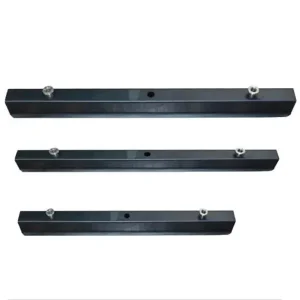
Our shuttering systems use custom-engineered magnetic arrays to maximize physical holding power per square centimeter.
Every magnetic assembly undergoes rigorous pull-testing under simulated production conditions before shipment.
To support global partners, we provide comprehensive technical files, structural load calculations, and application manuals. For infrastructure projects in North America, Western Europe, and Asia-Pacific, we align our designs with local safety regulations and standard practices. If standard dimensions do not fit your custom formwork, our design team can deliver tailored CAD models within 48 hours to resolve compatibility issues before production begins.
Pioneering magnetic innovation for the global precast concrete and industrialized construction sectors.
Qianci Magnet is a strong magnetic component factory, specializing in the production, research, and development of formwork magnets, magnetic formwork, insert magnets, magnetic concrete chamferers, and related magnetic accessories.
Our business focuses on precast concrete magnetic system solutions, helping operations optimize their production lines, improve concrete element accuracy, and lower labor costs through reusable magnetic fixing assemblies.
We strive to be a leading global manufacturer and service provider of magnetic solutions for the precast concrete industry. We combine technical expertise with responsive support to solve complex holding and fixing challenges.
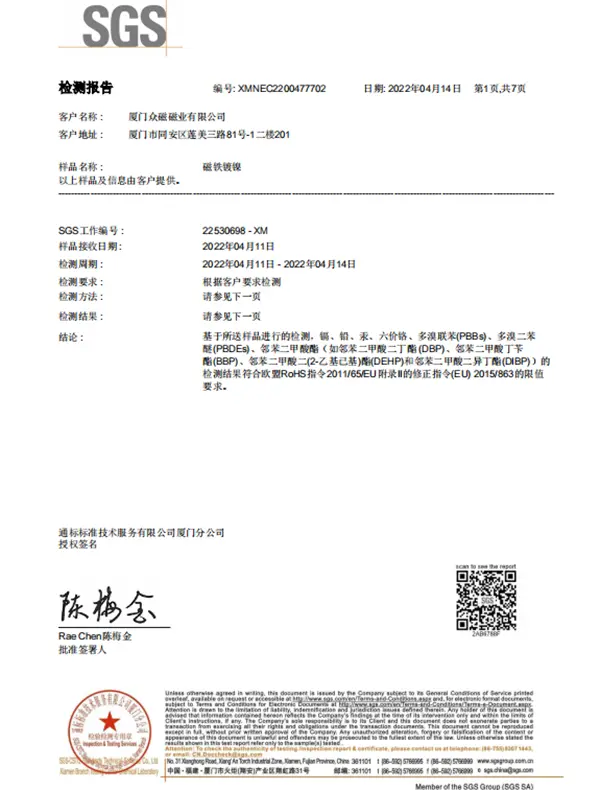
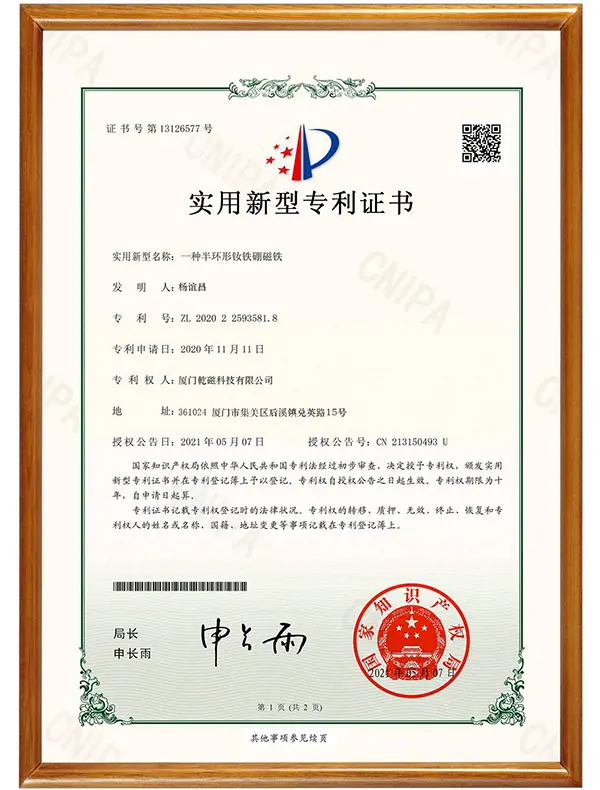
Our commitment to quality is validated by international regulatory compliance certifications, including ISO, CE, and RoHS standards.
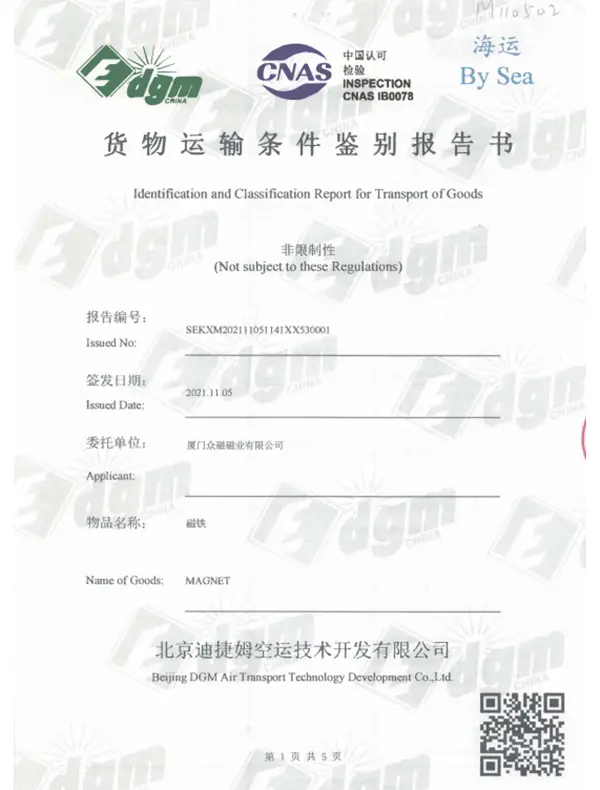
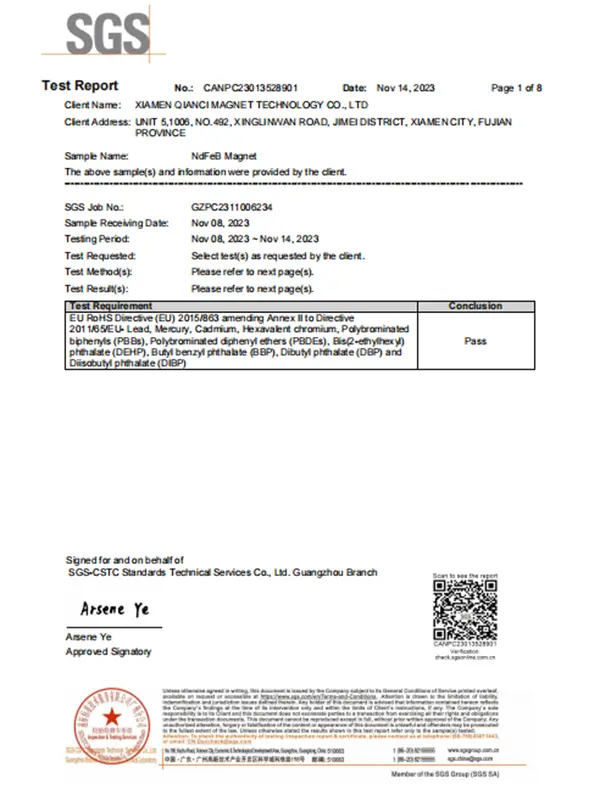
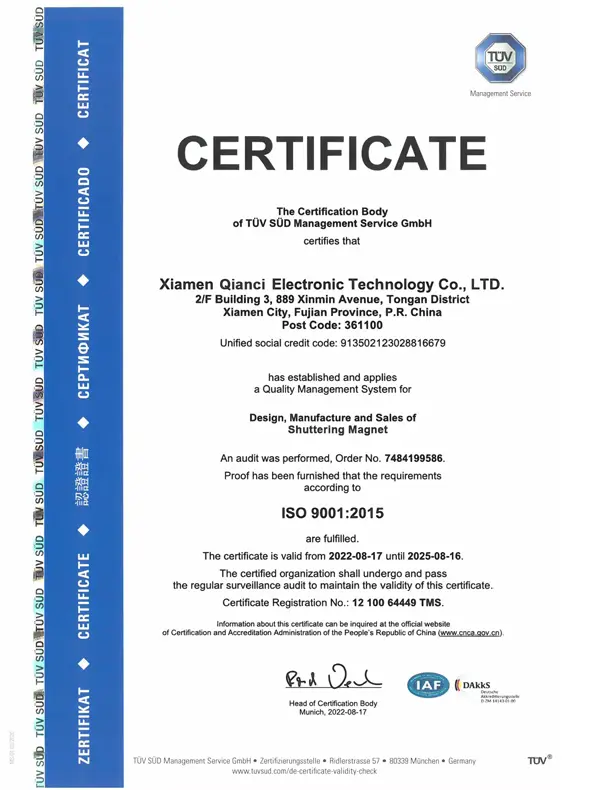
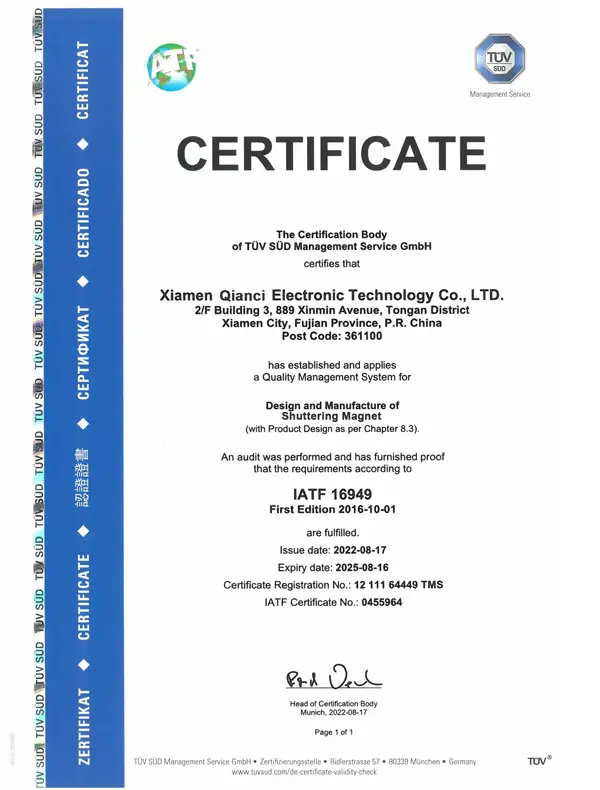
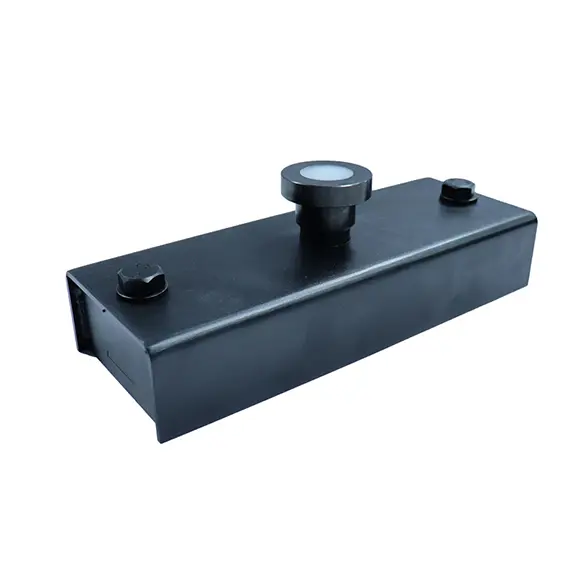
Discover our newly engineered products, built to increase operational safety, durability, and throughput on your production floor.
Stay up to date with QCM Magnet's event participation, innovations, and technical knowledge sharing.
Precast concrete systems: Shuttering molds shape edges/openings on flat surfaces using magnetic fixation, while mold...
Read Article
QCM, a global leader in magnetic components, will showcase its newest systems at UK Construction Week from May 7th to 9th...
Read ArticleIndustrial magnet applications vary significantly depending on the regional structure type, production line layout, and automation level. Key deployment profiles include:
The precast industry is transitioning toward automated manufacturing lines, often utilizing robotic arms to pick, place, and lock shuttering boxes. This shift requires magnetic assemblies to feature standardized handling grooves and clean surfaces for sensor detection.
Environmental standards also influence design choices. Reducing material waste through durable, reusable magnetic systems aligns with green building standards like LEED and BREEAM. By replacing welding and drilling processes, precast plants can lower energy consumption, minimize steel plate wear, and extend the lifespan of their production machinery.
Common questions from structural engineers, procurement managers, and production directors regarding magnets in precast concrete systems.
Explore our specialized fixing inserts, chamfers, and high-force shuttering magnet components for modern precast factories.