Custom Thin Strong Magnets Manufacturer & Quotes

Precision-engineered Neodymium, SmCo, and Permanent Magnetic Assemblies for Advanced Aerospace, Consumer Electronics, and Precast Concrete Industries.

Core Magnetic Formwork & Shuttering Solutions

Explore our industrial-grade structural fixing magnet systems designed to streamline global precast concrete production and mechanical assemblies.
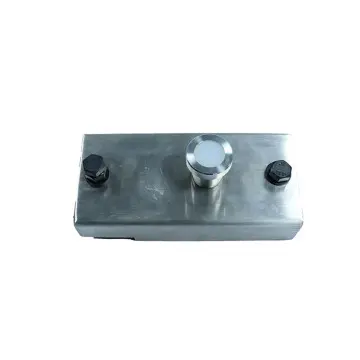
2200 lbs precast concrete stepping shuttering magnet

2200 lbs precast concrete stepping shuttering magnet

Designed for precast step and side formwork fixings, offering high durability and heavy-load capacity.

Get Quote & Info
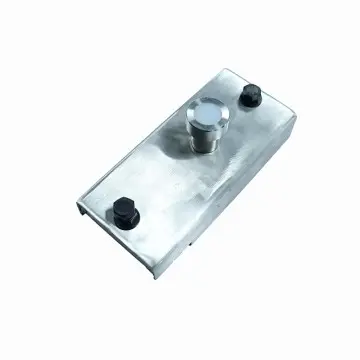
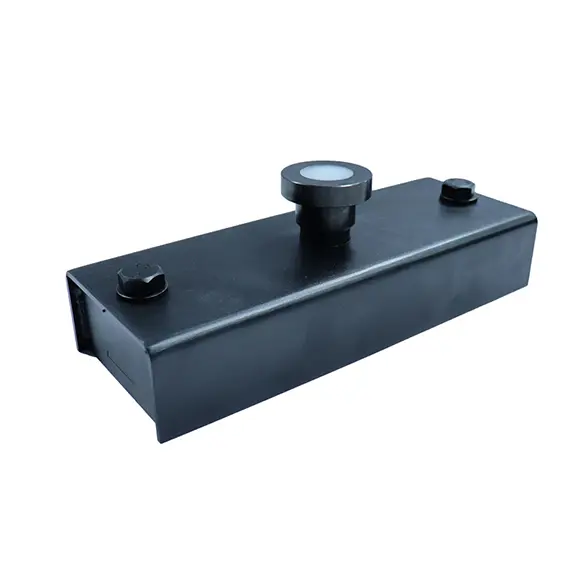
2800 lbs / 1300 kg pulling force precast shuttering magnet

2800 lbs / 1300 kg pulling force precast shuttering magnet

A heavy-duty magnetic box designed to secure concrete edge molds on vibrating steel casting beds.

Get Quote & Info
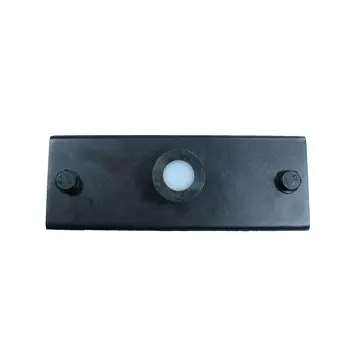
4000 lbs Carbon Steel precast concrete shuttering magnet

4000 lbs Carbon Steel precast concrete shuttering magnet

Engineered with a high-resistance carbon steel shell to withstand corrosive concrete plant settings.

Get Quote & Info
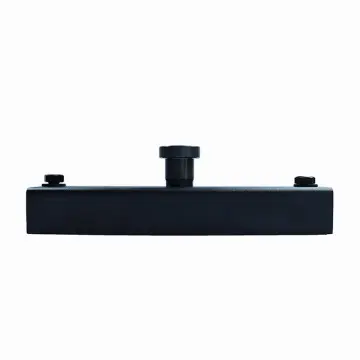
2000 lbs Carbon Steel Precast Concrete Shuttering Magnet

2000 lbs Carbon Steel Precast Concrete Shuttering Magnet

High-efficiency structural concrete component magnet designed for rapid manual or robotic operations.

Get Quote & Info
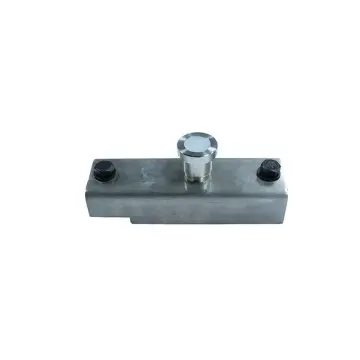
600kg/1320 lbs magnetic force shuttering magnet

600kg/1320 lbs magnetic force shuttering magnet

Compact footprint, perfect for thin concrete panels, lightweight structures, and automated lines.

Get Quote & Info
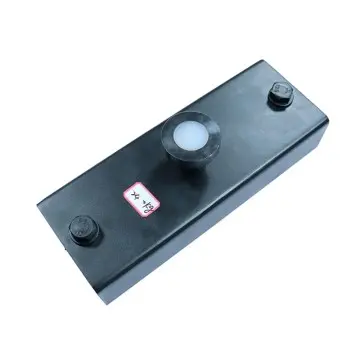
5300 lbs strong magnetic force precast concrete magnet

5300 lbs strong magnetic force precast concrete magnet

Ultra-powerful shuttering magnet system targeted at thick structural columns and structural load walls.

Get Quote & Info
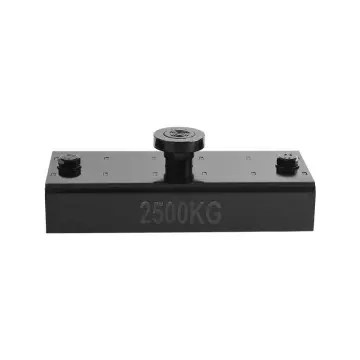
5500 lbs Carbon Steel Shuttering of Precast Concrete Elements

5500 lbs Carbon Steel Shuttering of Precast Concrete Elements

Maximum-strength carbon steel fixing block ensuring zero shifting during high-amplitude concrete vibration.

Get Quote & Info
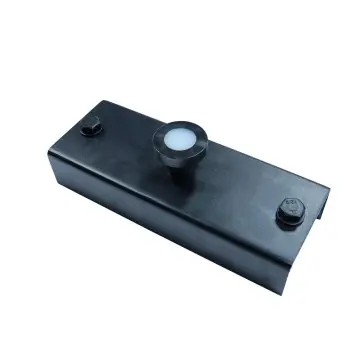
4600 lbs Carbon Steel Precast Concrete Shuttering Magnet

4600 lbs Carbon Steel Precast Concrete Shuttering Magnet

Optimized force-to-weight ratio to ease workforce fatigue during high-volume formwork setups.

Get Quote & Info

Thin Strong Magnets: Global Industrial Context & Technical Realities

Understanding the balance between micro-thickness structural limitations and maximum magnetic force delivery.

1. Modern Engineering Demands

As microelectronics, aerospace sensors, and high-efficiency electric motors shrink, the demand for ultra-thin, high-energy permanent magnets has expanded. Design engineers require magnetic profiles below 1.0mm that still deliver robust pull forces.

🔬

2. Neodymium vs. SmCo Profiles

For operations under 80°C, Neodymium (NdFeB) grades like N52 deliver optimal magnetic flux. However, for extreme heat profiles up to 350°C, Samarium Cobalt (SmCo) becomes essential to avoid thermal demagnetization in thin applications.

📦

3. Coating & Durability

Thin magnets are fragile. Advanced coating methods—such as Ni-Cu-Ni, Epoxy, and chemical vapor deposited Parylene—are vital to protect thin Neodymium profiles from oxygen degradation and impact fragmentation.

N52
Highest Magnetic Grade Available
±0.01mm
Micro-Slicing Tolerances Achieved
<0.5mm
Ultra-Thin Industrial Capabilities
100%
Automated QA Surface Inspection

Engineering Challenges & The Chinese Factory Advantage

Why custom manufacturing thin magnets requires advanced metallurgy and why Chinese supply chains remain unmatched.

The Self-Demagnetization Factor in Thin Profiles

When a magnet's thickness decreases relative to its surface area, the demagnetizing field inside the magnet increases. This is known as the L/D (Length to Diameter) ratio limitation. Designing custom thin magnets requires deep knowledge of coercivity (Hcj). Simply using a standard magnet grade in a thin form factor will often lead to instant self-demagnetization under external fields or high temperatures. A specialized manufacturer selects grades with elevated internal coercivity (UH, EH, or AH series) to guarantee stable magnetic performance over the long term.

Precision Wire-Cutting and Slicing Processes

Sintered NdFeB is exceptionally hard and brittle. Processing it into thickness sheets of 0.5mm or less requires diamond-wheel slicing machines or multi-wire EDM (Electrical Discharge Machining) systems. Standard mechanical cutting causes edge micro-cracking, which severely degrades the magnetic field path and mechanical strength. Chinese manufacturing hubs, specifically in Zhejiang and Ningbo, have spent decades optimizing these mechanical processes to minimize micro-cracking, achieving yield rates that far surpass those of Western counterparts.

China's Unparalleled Factory and Materials Ecosystem

China accounts for over 85% of the world's rare earth permanent magnet production capacity. This concentration yields massive cost and technological benefits:

  • Direct Access to Raw Oxides: Seamless sourcing of Neodymium, Dysprosium, and Terbium prevents upstream delays and minimizes volatile price spikes.
  • Integrated Plating Facilities: Environmental and chemical processing zones nearby allow rapid application of custom anti-corrosive platings.
  • Sub-Assembly Integration: Factories can easily combine thin magnets with custom stamped metal backings, steel cups, or precast concrete fixtures under one roof.

Custom Specification Reference Matrix

Grade Group Max Temp Standard Thickness Corrosion Resistance
NdFeB (N52) 80°C ≥ 0.5mm Medium (Requires coating)
NdFeB (38EH) 200°C ≥ 0.8mm High (Epoxy/Parylene)
SmCo (Sm2Co17) 350°C ≥ 0.4mm Excellent (Uncoated ok)
Ferrite (Y30-Y35) 250°C ≥ 2.0mm Impervious to oxidation

About QCM Magnet

QCM Magnet specializes in offering complete magnetic fixing solutions for the production of precast concrete components. Our primary products include Shuttering Magnets and their corresponding accessories, Formwork Magnets, Magnetic Chamfering Strips, and various pre-embedded insert magnets.

Utilizing magnetic fixing in precast concrete component production prevents damage to the platform, enhances work efficiency, reduces labor costs, and promotes economic efficiency as the magnetic fixing devices are highly reusable.

Using our expertise in magnetic components and our extensive experience in supporting the production of precast components, we have developed numerous new and practical magnetic fixing products. Our products come with complete specifications, excellent quality, ease of operation, and long service life. Additionally, we can promptly customize a variety of magnetic fixing parts to meet the diverse needs of our customers.

Who We Are

Qianci Magnet is a strong magnetic component factory, specializing in the production and research and development of formwork magnets, magnetic formwork, insert magnets, magnetic concrete chamferers and other products.

Our Business

Our business mainly involves precast concrete magnetic system solutions, helping you to better carry out concrete element production.

Our Strategy

Become a global leading manufacturer and excellent service provider of magnetic solutions for the precast concrete industry.

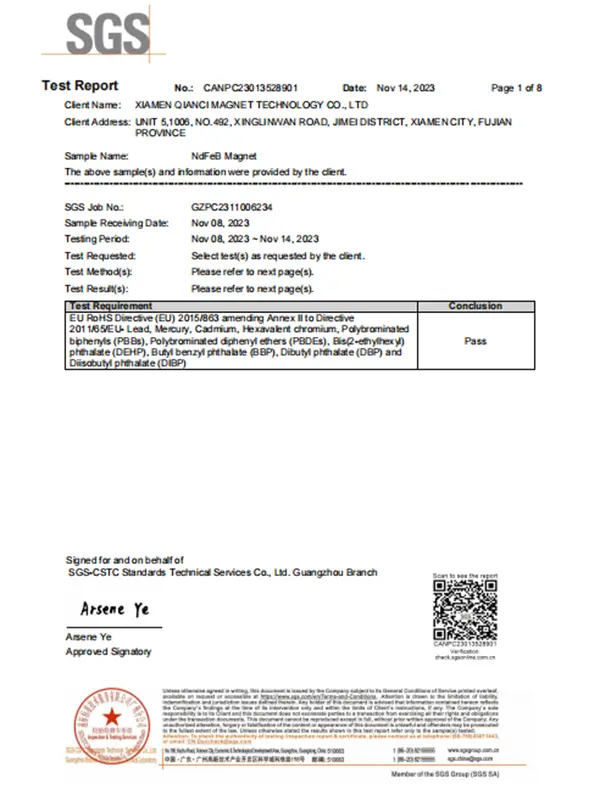
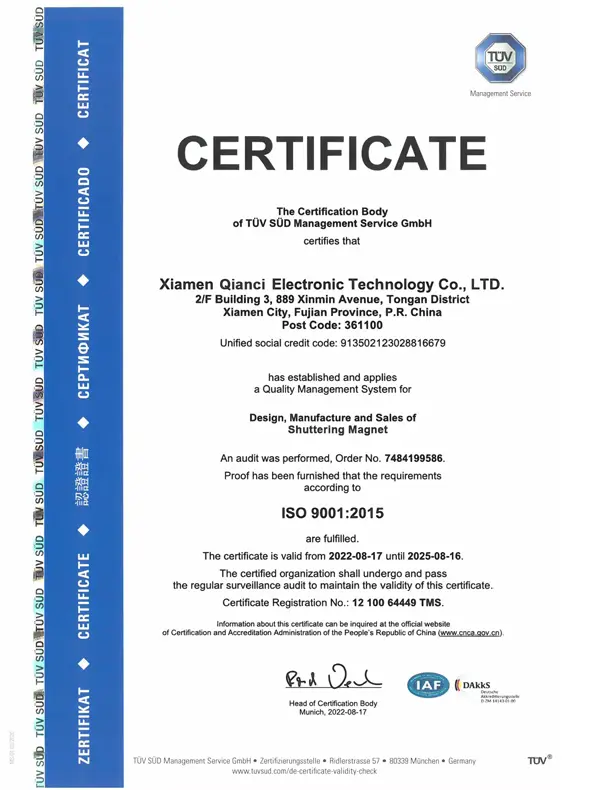
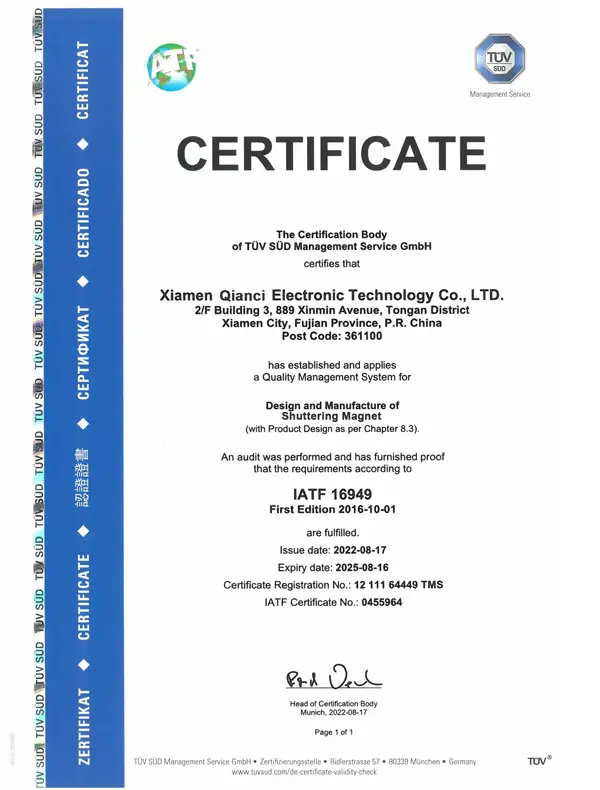
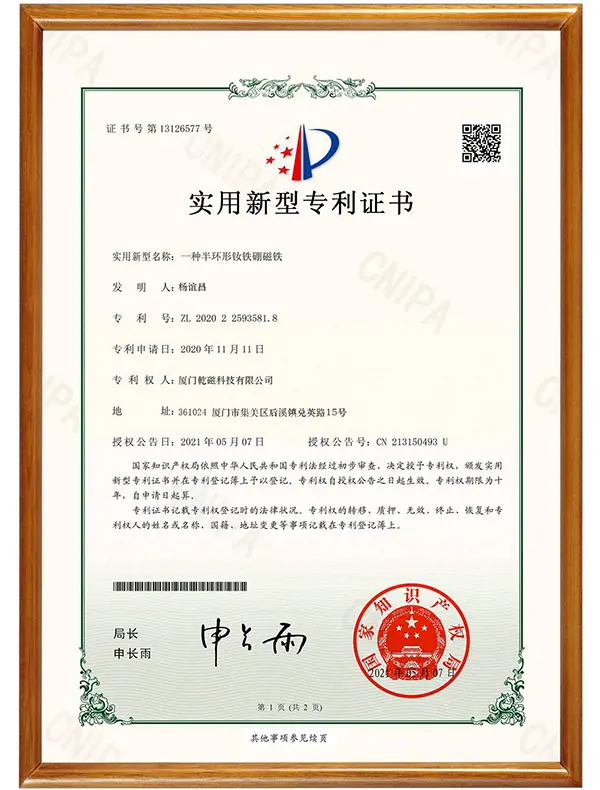
Our Certified Quality Infrastructure

Every magnet and magnetic fixing assembly leaves our plant under strict ISO standards, providing global enterprises with absolute peace of mind.
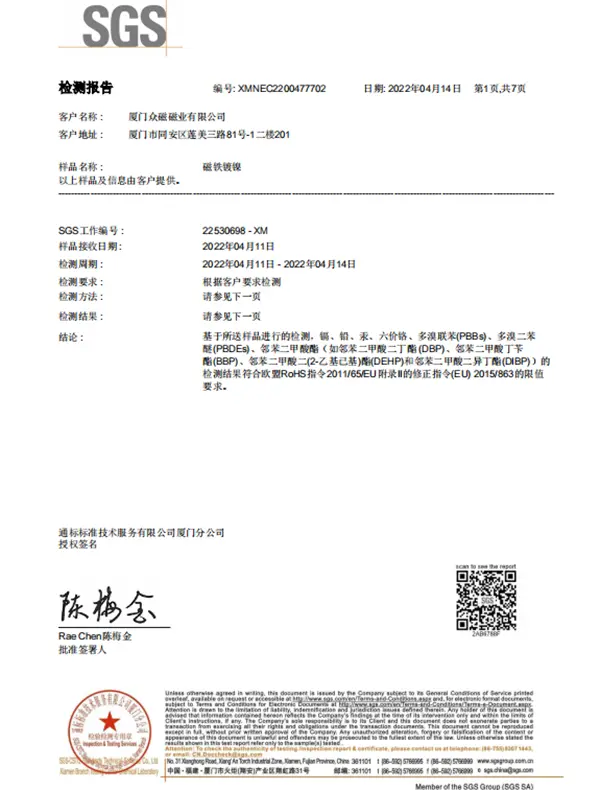
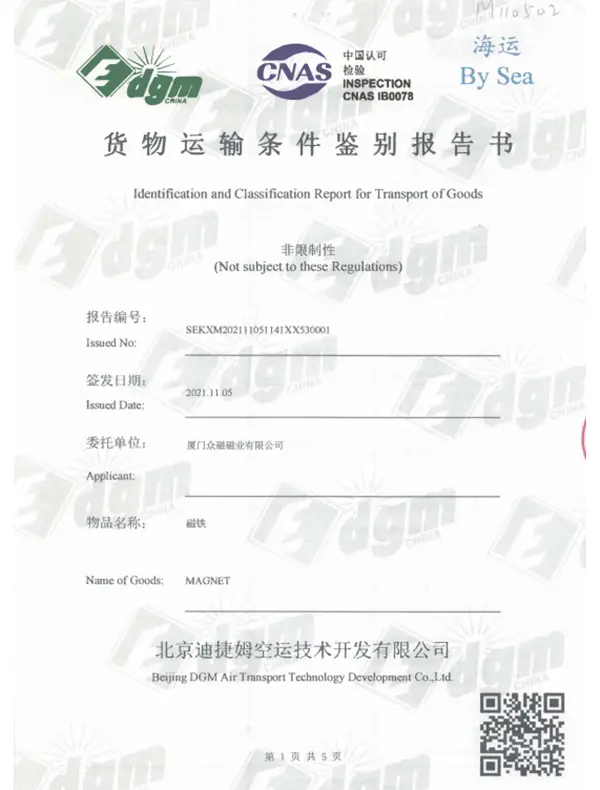
QCM Magnet Certificate
QCM Magnet Certification
Industrial Magnet Standard
Manufacturing Authorization Certificate
Quality Compliance Certificate
Factory Audit Certification

B2B Sourcing Guide: Navigating Custom RFPs for Thin Strong Magnets

Avoid expensive delays and design mistakes by specifying exactly what your production line demands.

How to Solicit Accurate Manufacturer Quotes

B2B procurement of magnets differs dramatically from off-the-shelf purchasing. Because thin magnets are highly susceptible to chipping and thermal shifts, your RFP (Request for Proposal) should include the following core parameters:

  • Magnetic Grade & Performance Curve: State whether your design requires standard N52, high-temperature NdFeB (e.g., 42SH, 38EH), or SmCo. Request demagnetization curves if operating near temperature limits.
  • Dimensional Tolerances: Standard mechanical tolerances are +/-0.1mm. If your design utilizes precise micro-electronics or tight mechanical slots, specify micro-machined tolerances down to +/-0.01mm.
  • Direction of Magnetization: Is the magnet axially magnetized (through the thickness) or diametrically magnetized (across the width)? For thin block and disc formats, axial magnetization is standard, but specialized applications may require multi-pole or radial patterns.
  • Coating Type: Environmental exposures (humidity, salt spray, chemicals) dictate the plating choice. Ni-Cu-Ni is the standard choice, while Epoxy provides superior salt water defense. Parylene-C is typically chosen for biomedical or vacuum environments.
  • Packaging Standards: Because strong thin magnets attract each other violently, they can self-shatter during transit. Specify plastic spacers between each piece and magnetic shielding packaging (steel lining) for air transport.

Custom Permanent Magnets & Magnetic Insert Adapters

Customized permanent magnet rings, precast concrete fixing inserts, and heavy industrial magnetic system solutions.

Custom Precast Formwork with Shuttering System Magnet Exporters

Custom Precast Formwork with Shuttering System Magnet

Professional grade multi-layer magnetic shuttering system for global precast concrete manufacturers.

Get Quote & Info
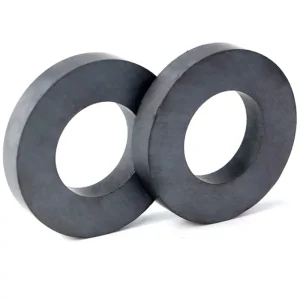
China Professional Y35 Y40 Permanent Subwoofer Motor Magnet

Y35 Y40 Permanent Subwoofer Motor Ring Ferrite Magnet

Large ring ferrite speaker magnets designed to optimize performance in high-output acoustic setups.

Get Quote & Info
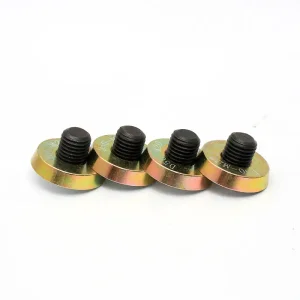
OEM 50 kg Magnetic Fixing Insert Concrete Magnet

OEM 50 kg Magnetic Fixing Insert Concrete Magnet

Custom embedded thread magnet designed to anchor construction lifting sockets to steel tables.

Get Quote & Info
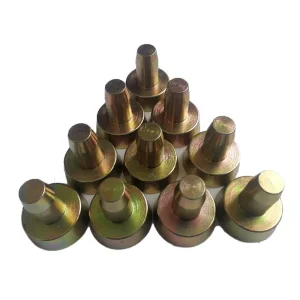
China Grout Connection Tube Magnet Conduit Locators

China Grout Connection Tube Magnet Conduit Locators

Specialized magnetic locators for grout connection tubes, assuring alignment in modular concrete casting.

Get Quote & Info
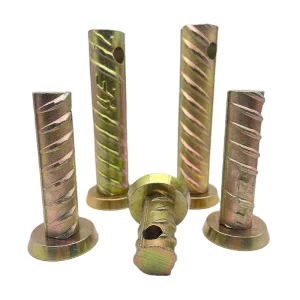
Buy Precast Concrete Threaded Lifting Socket

Precast Concrete Threaded Lifting Socket for Construction

High-strength threaded socket systems designed for heavy precast concrete element extraction.

Get Quote & Info
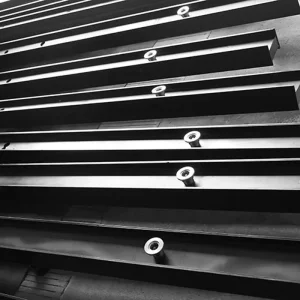
China Wall Magnetic Formwork System For Concrete

China Wall Magnetic Formwork System For Concrete

Complete wall edge shuttering structural components featuring built-in high-force NdFeB circuits.

Get Quote & Info
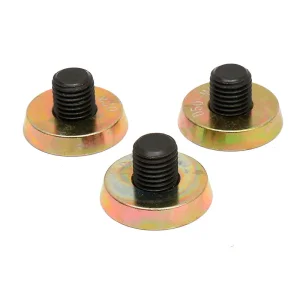
Buy QCM Inserted Socket Fixing Magnets

Buy QCM Inserted Socket Fixing Magnets Insert Magnet

Optimized magnetic core inserts providing robust, repeatable holding forces without plate damage.

Get Quote & Info
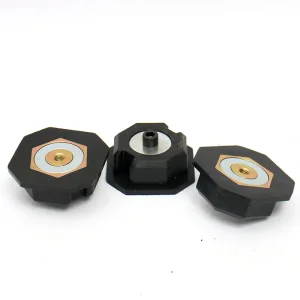
OEM Concrete Electric Box Insert Magnets Exporter

OEM Concrete Electric Box Insert Magnets Exporter

Engineered magnetic fixing block designed to hold junction and electrical boxes firmly during pour cycles.

Get Quote & Info

Corporate News & Technical Insights

Stay up to date with QCM Magnet's development, industry exhibitions, and structural magnetic technologies.

Formwork vs Shuttering difference
Technical Article | 2025-05-15

What is the difference between Formwork and Shuttering?

Precast concrete systems: Shuttering molds shape edges and openings on flat casting tables using integrated magnetic fixation assemblies, while traditional formwork refers to temporary containment frameworks...

QCM UK Construction Week 2025
Corporate Event | 2025-04-30

QCM Set to Redefine Construction Efficiency at UK Construction Week 2025

QCM, a global leader in magnetic components, will participate in UK Construction Week 2025. From May 7th to 9th, our technical engineering team will showcase high-strength shuttering setups and magnetic fixings...

Custom Thin Strong Magnets - FAQ

Get answers to critical design, materials, manufacturing tolerances, and bulk ordering questions.

What is the absolute minimum thickness achievable for custom strong magnets?
For Neodymium (NdFeB) and Samarium Cobalt (SmCo) magnets, we can achieve an ultra-thin profile of 0.3mm to 0.5mm depending on the overall surface area. Slicing structural components below this threshold is possible but increases fragility, complicating downstream handling and assembly.
How do you protect thin NdFeB magnets from rusting or oxidation?
Since thin magnets lack bulk volume, even surface oxidation can degrade their performance. We apply specialized coatings like Electroplated Nickel-Copper-Nickel (Ni-Cu-Ni), Epoxy Resin, or vacuum-deposited Parylene. Epoxy and Parylene are particularly effective for humid, acidic, or medical settings.
Why does a thin magnet sometimes feel weaker than a thicker magnet of the same grade?
This is dictated by the permeance coefficient (Pc) and self-demagnetization. As a magnet gets thinner, its internal demagnetizing field increases, reducing the operating magnetic flux density. To combat this, we use materials with higher coercivity (Hcj) to maintain peak field strength in thin configurations.
Can you customize shuttering magnets for specific precast mold heights?
Yes. We routinely engineer custom precast shuttering systems from 600 kg up to 2500 kg pulling force. By altering the steel frame layout and combining optimized magnetic blocks, we fit exact formwork profiles for precast concrete walls, steps, or columns.
What are the lead times and MOQ for custom thin magnet quotes?
Lead times generally range between 2 to 4 weeks depending on the complexity of slicing, plating, and testing. Minimum Order Quantities (MOQ) depend on the overall volume of material, typically starting at 100 to 1,000 units for micro-components.