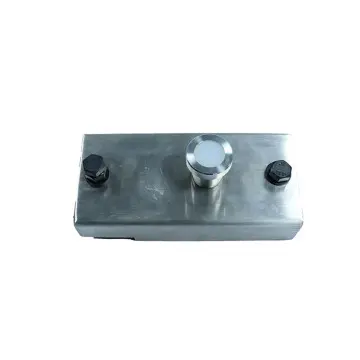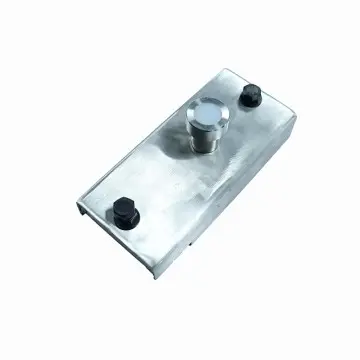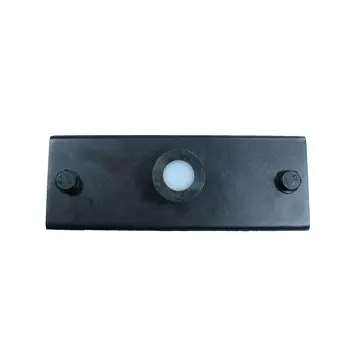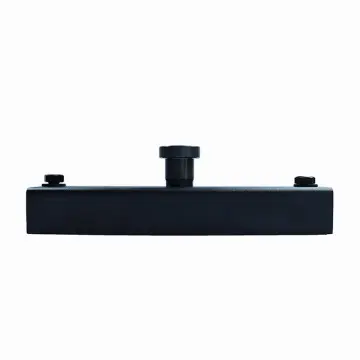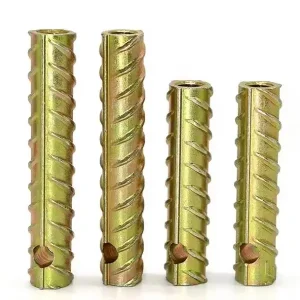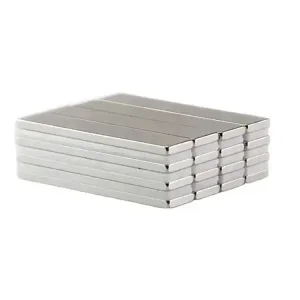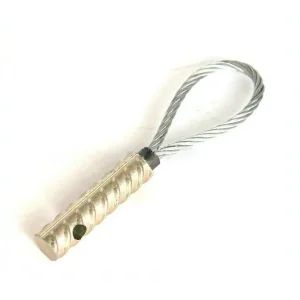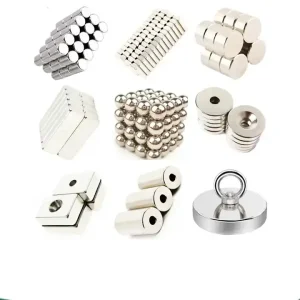
High load capacity inserts engineered for modern precast architectural components
The global construction industry is undergoing a structural paradigm shift toward off-site prefabrication. Driven by the critical imperatives of reducing carbon footprints, minimizing on-site waste, and accelerating project completion schedules, the demand for precast concrete components has reached unprecedented heights. In this modular framework, precast concrete lifting inserts and sockets act as the vital structural anchors that guarantee safety, mechanical integrity, and transit security during demolding, yard transport, and final site rigging.
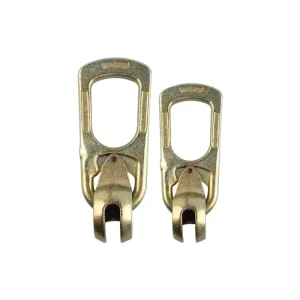
Lifting inserts range from simple pin anchors and utility anchors to highly sophisticated threaded sockets (such as solid rod or tubular versions), spread anchors, and wire rope loops. The metallurgy of these components dictates their performance; low-carbon high-ductile steel is preferred to prevent brittle failures under sudden impact loads. As projects scale globally, infrastructure developments like deep tunnels, elevated rail systems, and offshore wind foundations require heavy-duty lifting assemblies capable of handling configurations exceeding 50 metric tons per single load point.
When sourcing precast concrete lifting inserts, procurement executives constantly balance cost efficiency against structural reliability. Chinese manufacturers, particularly those concentrated in industrialized hubs, have established a complete manufacturing supply chain that delivers significant advantages:
Immediate access to local top-tier steel mills allows direct procurement of certified alloy steel, reducing material transport overheads and raw material costs by up to 25% compared to Western counterparts.
Advanced Chinese plants utilize automated robotic units for cold forming threaded sleeves and forging foot anchors. This ensures micro-millimeter precision across bulk production runs of 100,000+ units.
Most export-oriented factories feature in-house testing labs equipped with ultrasonic detectors, tensile strength testers, and salt-spray corrosion chambers to guarantee compliance with DIN, EN, and ASTM standards.
Furthermore, Chinese factories offer highly competitive tooling costs, enabling rapid prototyping for customized dimensions. Whether an engineering firm requires a unique socket length for thin-wall panels or specialized stainless-steel grades (such as Grade 316) for marine breakwater segments, Chinese factories can deliver optimized designs from CAD to final product in fraction of the standard lead time.
Pioneering magnetic solutions designed to preserve steel beds and accelerate panel preparation
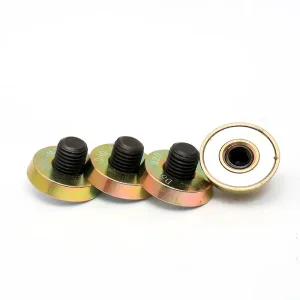
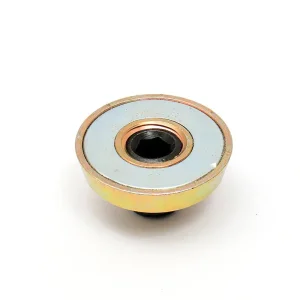
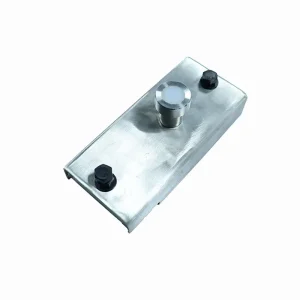
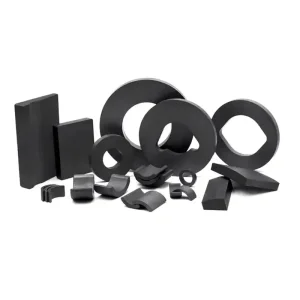
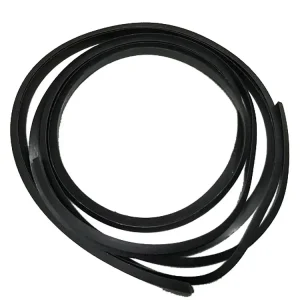
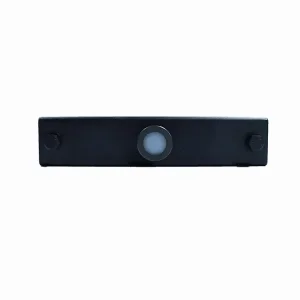
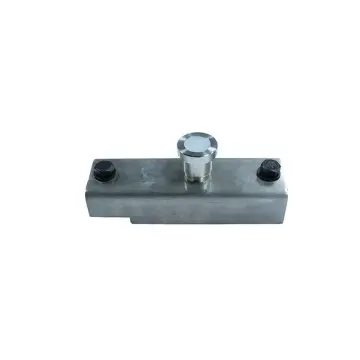
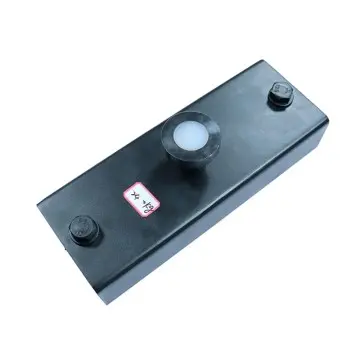
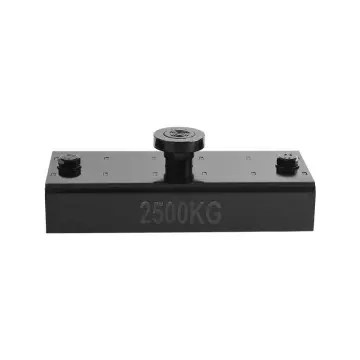
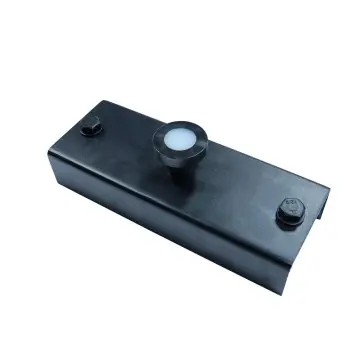
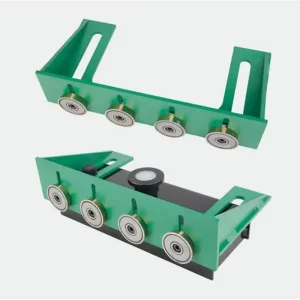
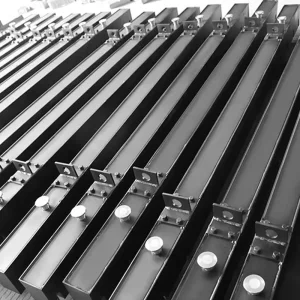
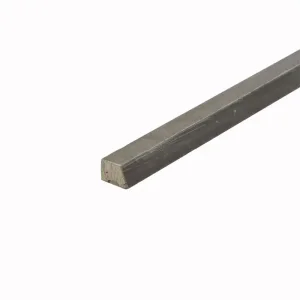
QCM Magnet specializes in offering complete magnetic fixing solutions for the production of precast concrete components. Our primary products include Shuttering Magnets and their corresponding accessories, Formwork Magnets, Magnetic Chamfering Strips, and various pre-embedded insert magnets.
Utilizing magnetic fixing in precast concrete component production prevents damage to the casting platform, enhances overall work efficiency, reduces manual labor costs, and significantly promotes long-term economic efficiency as the magnetic fixing devices are robustly reusable.
Using our expertise in magnetic components and our extensive experience in supporting the production of precast components, we have developed numerous new and practical magnetic fixing products. Our products come with complete specifications, excellent quality, ease of operation, and long service life. Additionally, we can promptly customize a variety of magnetic fixing parts to meet the diverse needs of our customers.

Qianci Magnet is a strong magnetic component factory, specializing in the production and research and development of formwork magnets, magnetic formwork, insert magnets, magnetic concrete chamferers and other products.

Our business mainly involves precast concrete magnetic system solutions, helping you to better carry out concrete element production.

Become a leading global manufacturer and excellent service provider of magnetic solutions for the precast concrete industry.
Procuring mechanical lifting hardware from China requires thorough verification to protect job sites from hazardous mechanical failures. Engineers and procurement officers must inspect the following specifications before approving final mass production and container shipments:
Modern precast operations are actively moving away from traditional, destructive fixing methods like welding or drilling formwork beds. Welding onto steel sheets ruins the expensive casting surface, necessitating frequent replacement and raising operational costs. The implementation of modern magnetic fixing solutions allows precast plants to reuse magnetic assemblies tens of thousands of times.
Advanced magnetic boxes, shuttering systems, and insert magnets automatically secure reinforcement profiles and blockouts directly to the steel formwork bed. This approach minimizes setup time, requires fewer workers, and yields cleaner architectural panels. In an increasingly competitive global infrastructure market, migrating to magnetic fixing directly impacts a plant's profitability and lowers its carbon footprint.
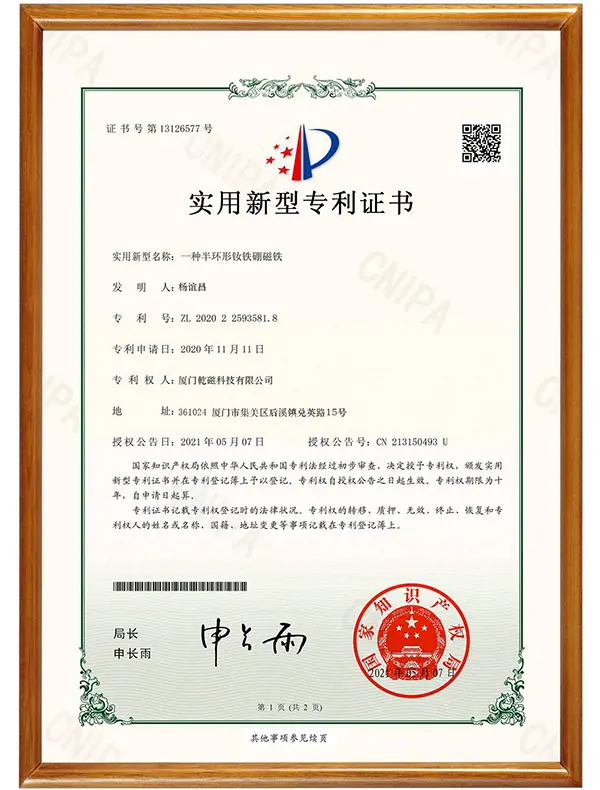
Verified manufacturing processes complying with global precast safety and trade regulations
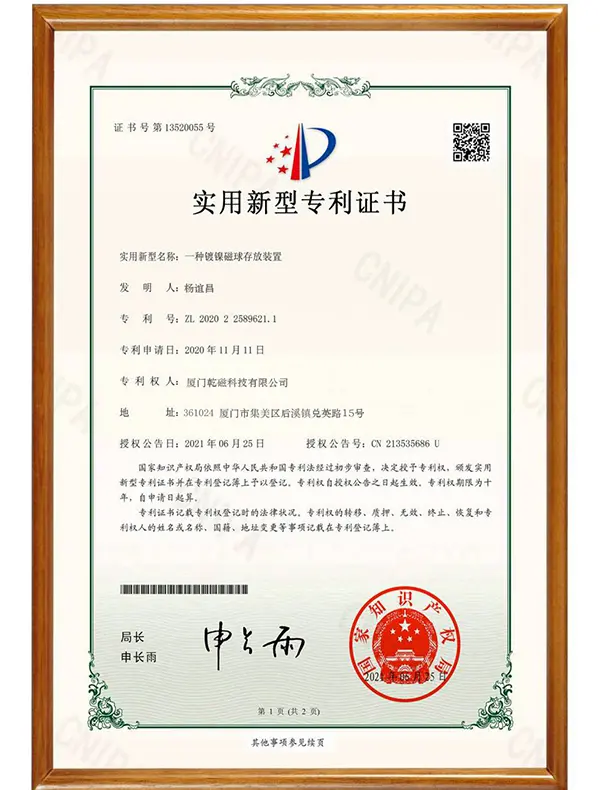
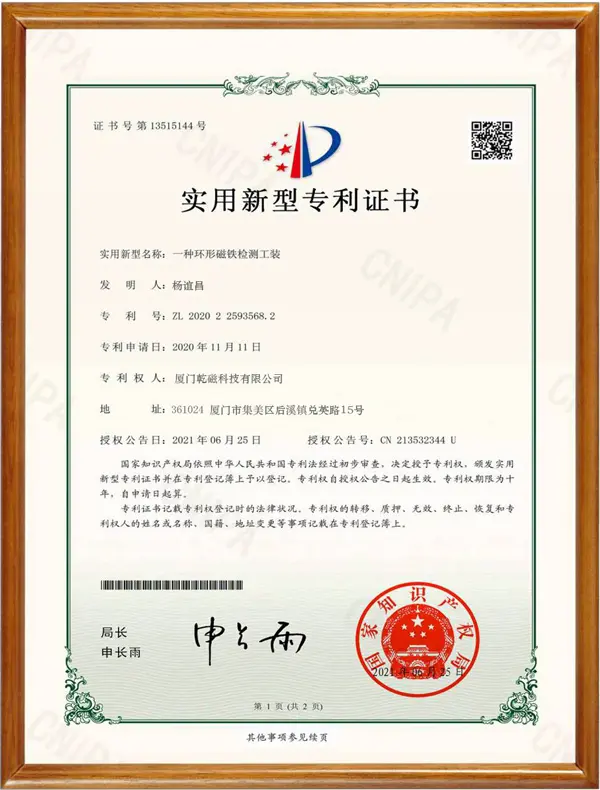
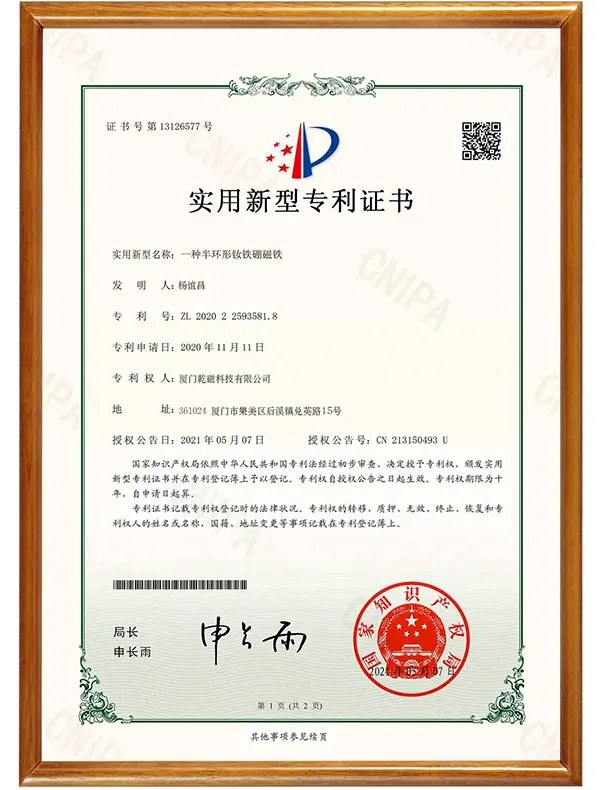
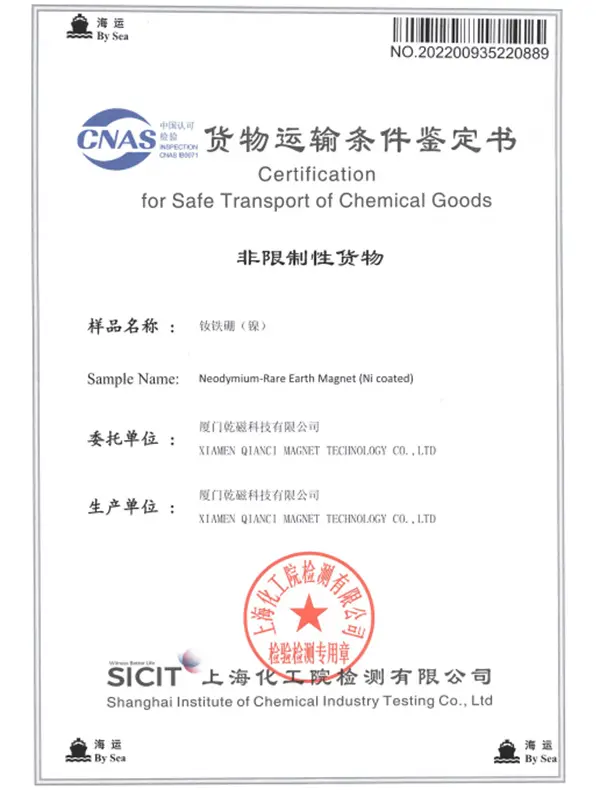
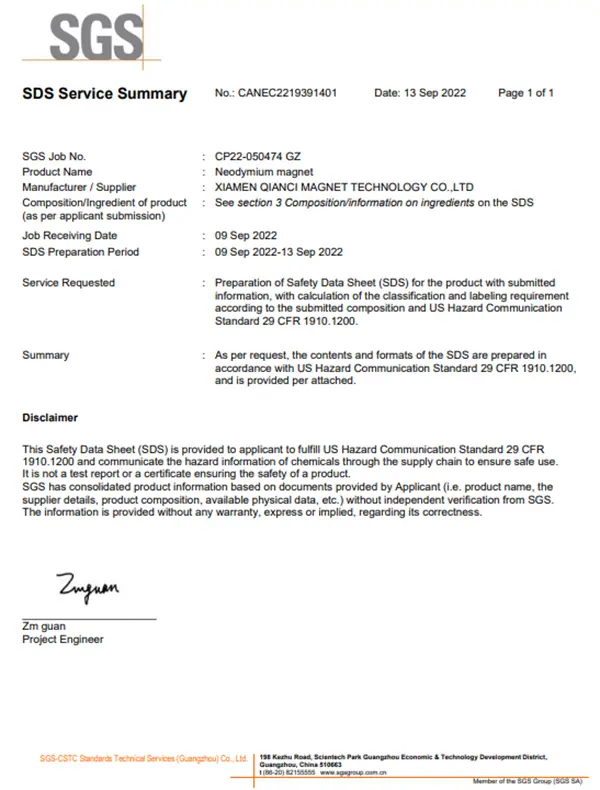
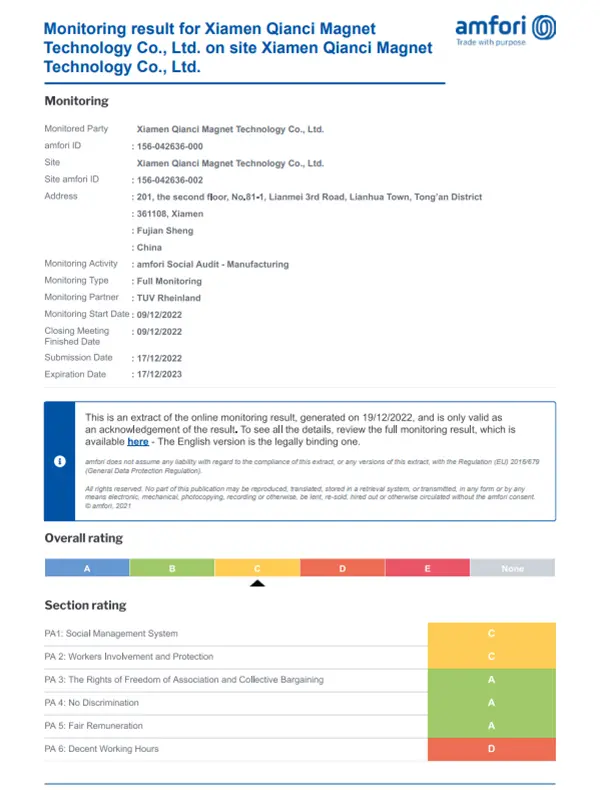
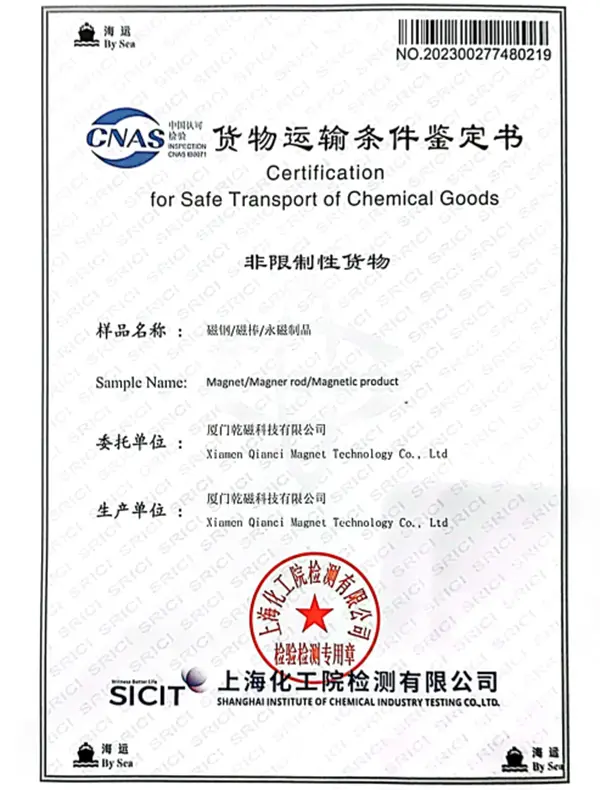
Answers to critical engineering questions about installation, load limits, and safety standards
Latest updates regarding precast trade exhibitions and mechanical innovations
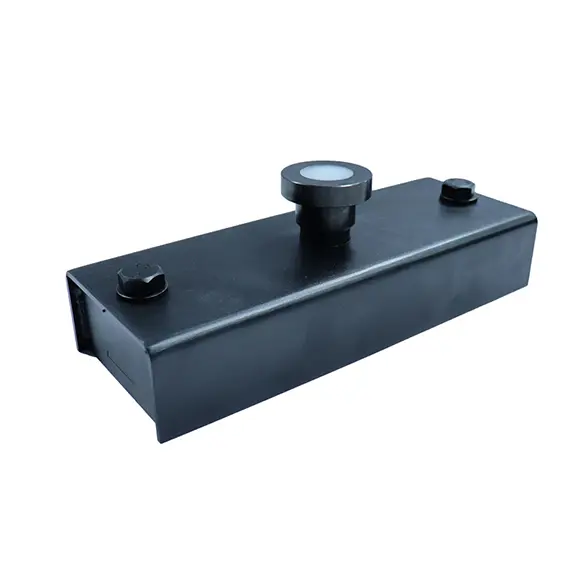
Precast concrete systems: Shuttering molds shape edges/openings on flat surfaces using magnetic fixation, while mold...

QCM, a global leader in magnetic components, will participate in UK Construction Week 2025. From May 7th to 9th, at S...
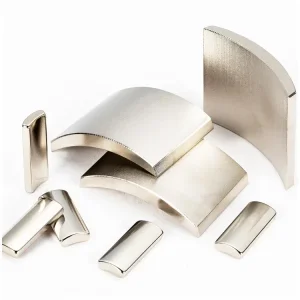
Engineered anchors, custom magnetic cores, and high-tensile connecting components