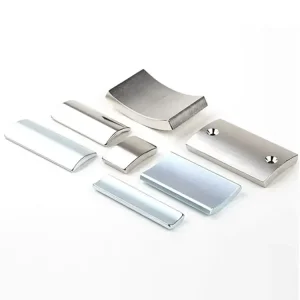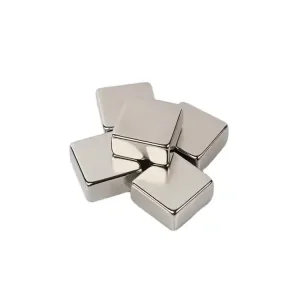
Explore our highly-engineered magnetic assemblies. Built with military-grade rare earth alloys, designed for harsh precast environments, heavy industrial lifting, and acoustic system integration.

An engineering deep-dive into high-performance rare-earth magnetic circuits, global supply chain optimization, and the precast industrial landscape.
Highest Rare-Earth Grade Available
Maximum Shuttering Pull Force
Certified Manufacturing Standards
Magnetic Force Stability Testing
A systematic analysis of material choices, flux optimization path, and extreme environmental durability engineering.
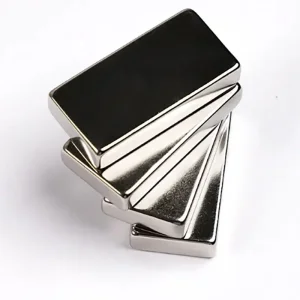
Sintered Neodymium-Iron-Boron ($Nd_2Fe_{14}B$) structures require precise crystal alignment during compaction under high magnetic fields. This alignment ensures maximum residual induction ($B_r$) and high intrinsic coercivity ($H_{cj}$), preventing demagnetization from external fields, impacts, or vibrations.
Industrial bar magnets are vulnerable to oxidation in concrete casting yards. We protect our NdFeB assemblies with multi-layered plating: Ni-Cu-Ni electroplating, specialized zinc deposits, and high-integrity black epoxy coats. These coatings survive harsh chemical environments and high humidity.
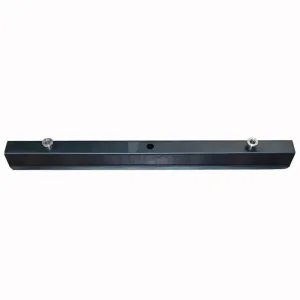
Using 3D Finite Element Analysis (FEA), we design custom magnetic pathways. Placing high-permeability iron poles around sintered NdFeB blocks redirects and concentrates the magnetic flux. This structural setup increases holding force at the contact face while keeping the magnet compact.
Jet-milling alloy ingots into 3-5 micron powder, maintaining strict oxygen-free environments to prevent premature oxidation.
Compacting powder inside alignment presses to orient magnetic domains, laying the groundwork for high performance.
Heating under high-vacuum conditions to bond particles into dense blocks, ensuring long-term structural integrity.
Wire-EDM and diamond-wheel grinding slice blocks down to sub-millimeter tolerances, ready for protective plating.
How our heavy-duty magnet products meet regional engineering codes and technical standards across global markets.
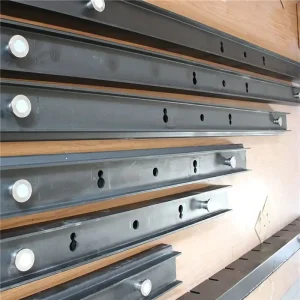
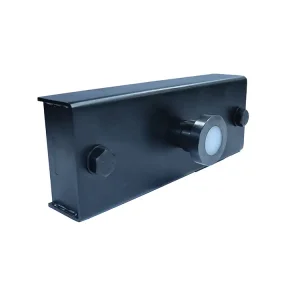
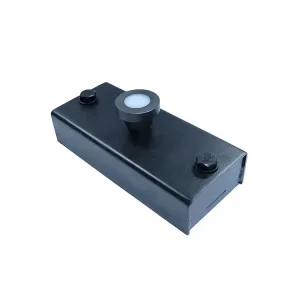
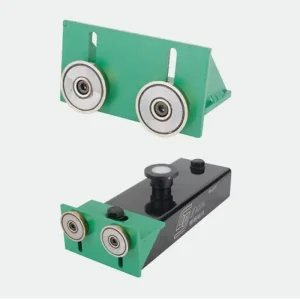
In the US and Canada, precast concrete plants must meet Precast/Prestressed Concrete Institute (PCI) standards. Our shuttering magnets (such as the 2200 lbs to 5500 lbs models) provide secure, weld-free formwork stabilization, helping plants comply with OSHA safety rules and preserve steel casting beds.
Our European partners require compliance with CE marks and EN 13369 guidelines. The structural steel and neodymium configurations in our precast magnets are built to withstand high cycle rates and automatic robotic de-molding. This makes them a reliable choice for modern European precast facilities.
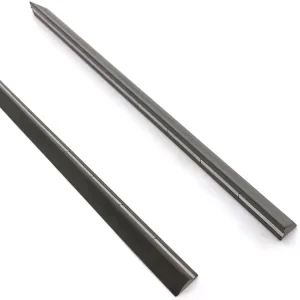
Rapid infrastructure developments across Asia-Pacific and the Middle East need cost-effective, high-yield production methods. Our magnetic chamfers, magnetic steel profiles, and robust recovery pot systems streamline precast setups, cutting down mold assembly time by over 70%.
Why sourcing from our specialized manufacturing cluster in China ensures quality, cost efficiency, and fast delivery.
Our facility sits close to rare earth mining and refining hubs in China. This gives us stable access to high-purity Neodymium, Dysprosium, and Praseodymium, shielding our global clients from raw material shortages and sudden price swings.
We handle every step in-house, from sintering raw alloy powders to CNC steel machining, plating, and final pull-force testing. This integrated workflow helps us maintain tight tolerances and offer reliable performance across all product batches.
Our engineering team can quickly draft and build custom magnetic fixing components, adaptor brackets, and steel chamfer systems. This flexibility allows us to deliver tailored products to our clients faster than traditional suppliers.
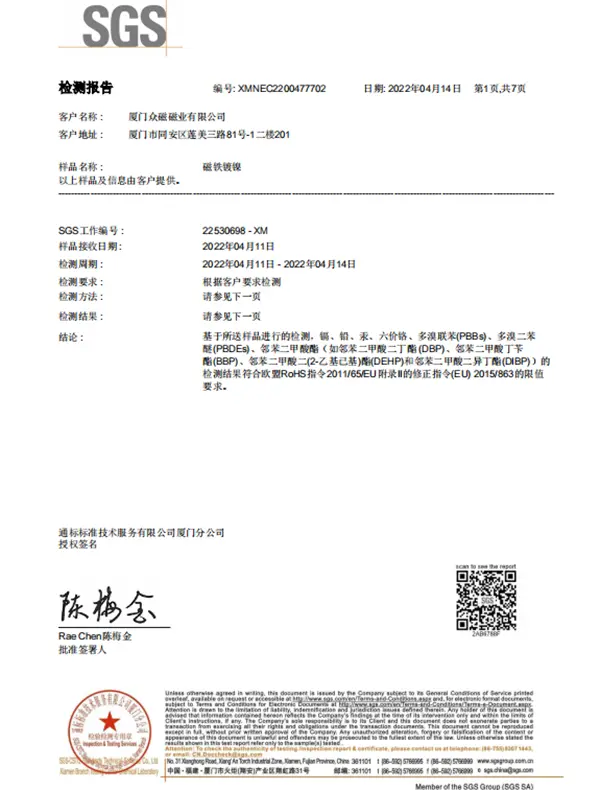
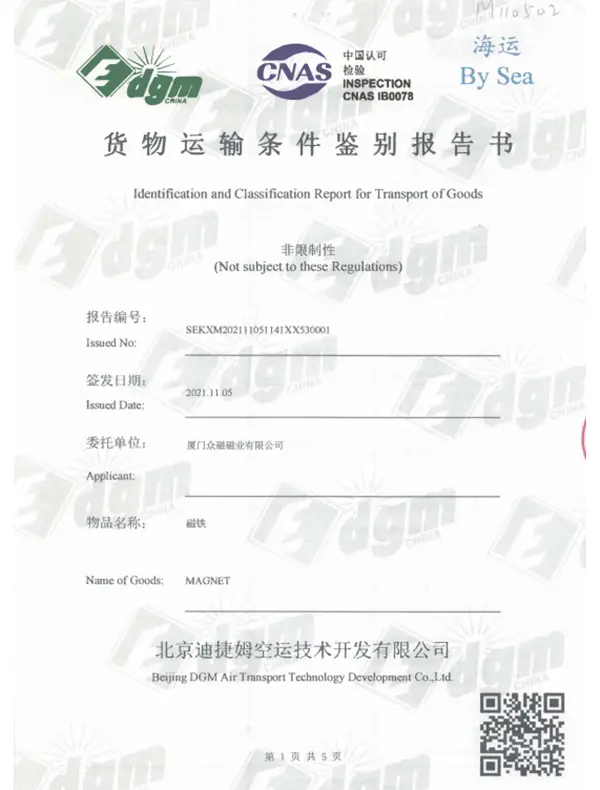
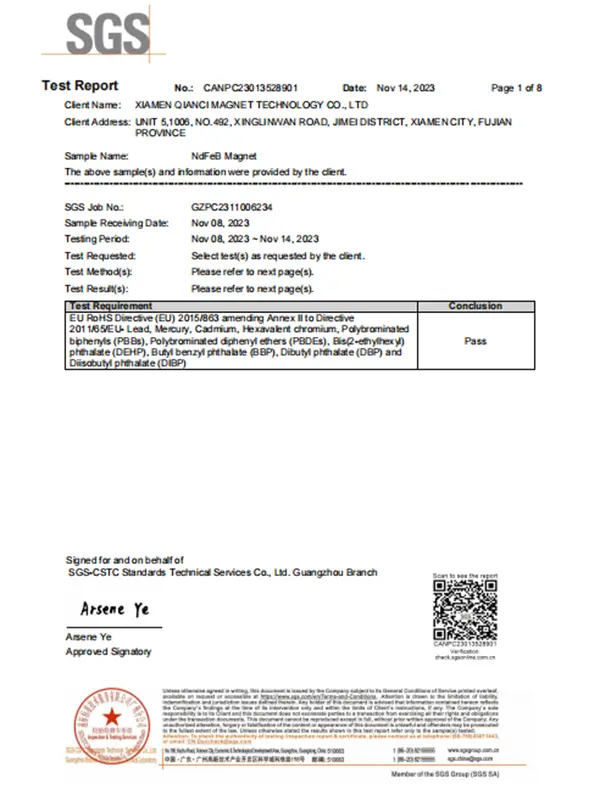
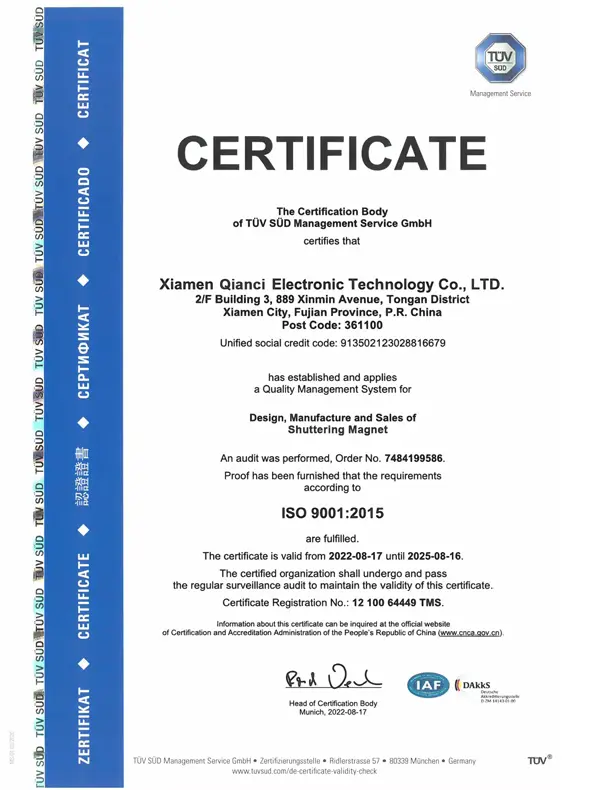
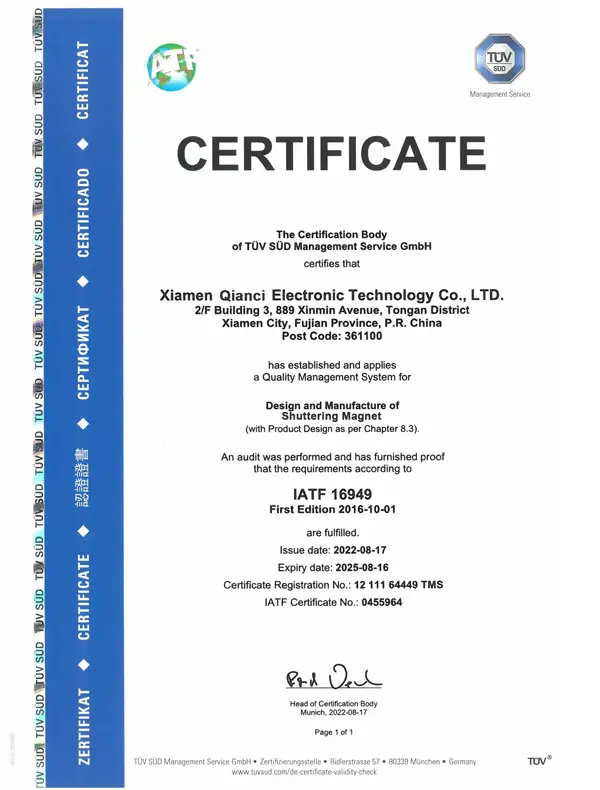
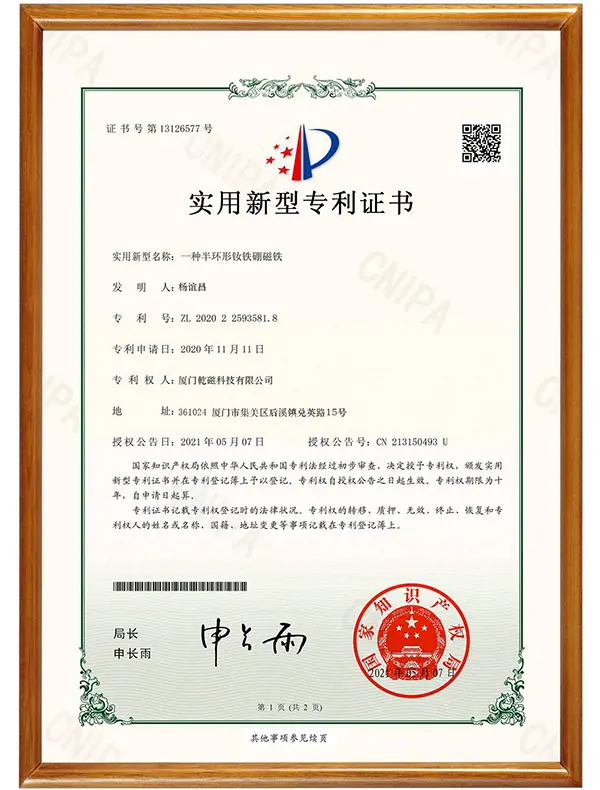
Our manufacturing facility runs under strict quality management frameworks, verified by top third-party testing agencies.
Stay up to date with the latest developments in magnetic technology, industrial exhibitions, and construction innovations.
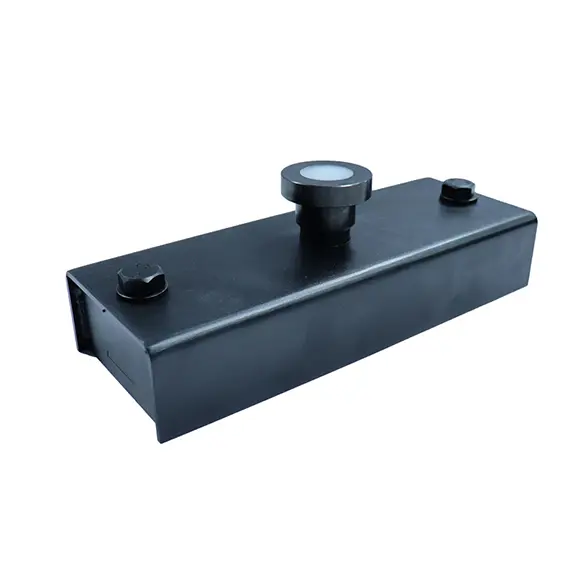
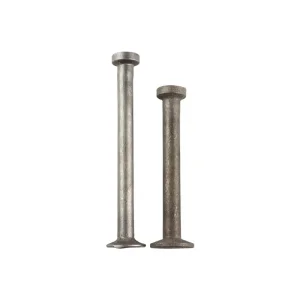
Precast concrete systems: Shuttering molds shape edges and openings on flat surfaces using magnetic fixation, while mold setups are engineered to withstand concrete pressure during casting.

QCM, a leading manufacturer of magnetic components, will showcase its range of magnetic fixings at UK Construction Week, demonstrating solutions that improve on-site productivity.
Technical answers to common questions about selecting, maintaining, and using industrial rare-earth magnets.
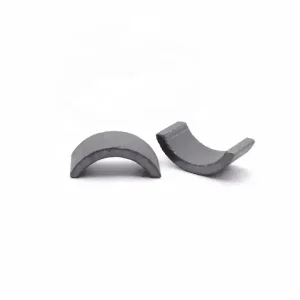
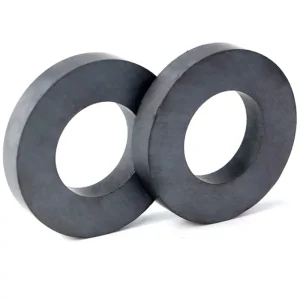
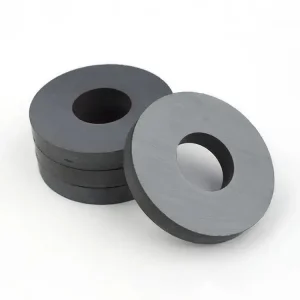
Neodymium magnets ($NdFeB$) offer much higher magnetic force relative to their size, making them ideal for high-load applications like shuttering boxes and lifting systems. Ferrite magnets are more cost-effective and highly resistant to corrosion and high temperatures, which makes them a popular choice for speakers and motor drives.
Standard Neodymium magnets operate reliably up to 80°C. Above this point, they can begin to lose magnetic force. For higher-temperature environments, we add alloying elements like Dysprosium ($Dy$) to create customized grades (such as SH, UH, or EH) that can withstand temperatures up to 200°C.
The holding force of a shuttering magnet drops sharply if there is an air gap. Concrete dust, rust, or oil on the steel bed acts as a gap, reducing the magnetic grip. Keeping the steel table clean helps ensure the magnet maintains its full specified pull force.
Every batch of our magnets is tested on a calibrated hydraulic pull tester. This machine measures the peak force required to pull the magnet vertically off a clean, thick steel plate. We share these test reports with our clients to verify performance before shipping.
Explore our high-performance magnet products, built for structural concrete production, acoustic engineering, and industrial separation applications.