Explore our premium industrial-grade permanent magnets and custom magnetic fixing assemblies manufactured to strict international engineering tolerances.
In the modern global industrial landscape, the demand for high-performance, compact, and ultra-strong magnetic solutions is growing at an unprecedented rate. Sintered Neodymium-Iron-Boron (NdFeB) and Samarium Cobalt (SmCo) magnets represent the pinnacle of advanced magnetic engineering, enabling design innovations across diverse sectors. From mini actuator systems in high-tech medical instruments to large-scale magnetic fixing installations in prefabricated concrete infrastructure, permanent magnets serve as key components of automated, efficient, and sustainable production lines.
As industrial processes transition towards Automation and Smart Manufacturing, the physical and magnetic limits of rare earth elements are constantly pushed. Structural engineers and procurement officers are no longer searching merely for "magnets," but are seeking highly engineered magnetic solutions designed to operate under harsh, high-vibration, thermal, and corrosive environments. The market demands highly customizable geometries, tight dimensional tolerances down to +/-0.05 mm, and specialized protective coatings like multi-layer Nickel-Copper-Nickel (Ni-Cu-Ni), Epoxy, Zinc, or custom Everlube finishes to ensure decades of reliable operational lifetimes.
Navigating the supply chain for rare earth materials requires deep technical and logistical insight. When procurement teams look to buy small strong magnets, selecting the right partner—specifically differentiating direct manufacturing factories from trading intermediaries—is critical for both cost management and quality control. Direct factories, particularly those situated in major rare-earth processing hubs in China, offer direct access to raw material processing, sintering kilns, advanced wire-cutting machinery, and automated assembly operations.
For industrial buyers, purchasing directly from an OEM/ODM factory like Qianci Magnet ensures complete transparency regarding material certification, hysteresis loop measurements, and thermal degradation characteristics. Furthermore, industrial factories possess the technical capabilities to design custom magnetic circuits, such as optimized Halbach Arrays, which focus and amplify the magnetic flux in targeted directions, minimizing material mass while maximizing holding force.
Selecting the appropriate magnetic material requires a detailed understanding of the mechanical, thermal, and magnetic limits of each alloy. Below is a comprehensive engineering comparison table designed to assist project engineers in selecting the correct material for their operational environment:
| Property Parameter | Sintered Neodymium (NdFeB) | Samarium Cobalt (Sm2Co17) | Industrial Relevance / Application Impact |
|---|---|---|---|
| Remanence (Br) | 1.03 to 1.48 Tesla (10.3 - 14.8 kG) | 0.90 to 1.15 Tesla (9.0 - 11.5 kG) | Directly dictates maximum potential magnetic flux density. |
| Coercivity (Hcj) | ≥ 12 to ≥ 35 kOe | ≥ 15 to ≥ 28 kOe | Resistance to demagnetization from external magnetic fields. |
| Max Energy Product (BHmax) | 30 to 52 MGOe | 20 to 32 MGOe | Determines the volumetric efficiency; higher BHmax means smaller size. |
| Max Working Temperature | 80°C (Standard) to 230°C (AH Grades) | 250°C to 350°C (High-Temp Grade) | Critical for heavy-duty electric motors and hot curing precast beds. |
| Corrosion Resistance | Poor (Requires multi-layer plating) | Excellent (Often used bare/uncoated) | Determines long-term durability in wet concrete or outdoor applications. |
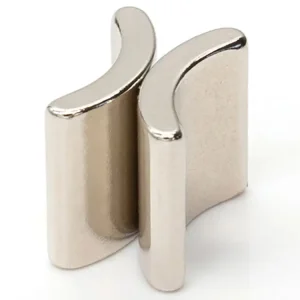
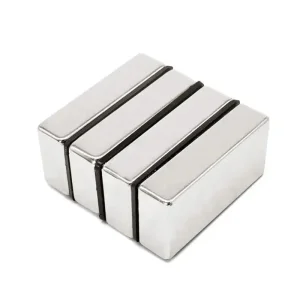
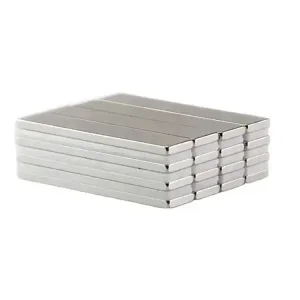
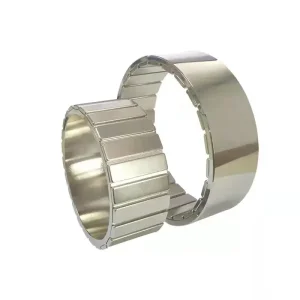
For applications operating under standard ambient temperatures where physical space is highly constrained—such as robotics sensors, electronics components, and standard precast magnetic shutters—sintered Neodymium block magnets (such as China Permanent Strong Neodymium-Iron-Boron Nd-Fe-B Block Magnets) provide the highest volumetric efficiency. Conversely, for high-temperature motor applications and specialized downhole drilling equipment, China Rare Earth Samarium Cobalt Motor Magnets are highly recommended due to their exceptional thermal stability and resistance to oxidation.
One of the largest scale industrial applications of small, high-density strong magnets is within precast concrete manufacturing systems. In modern precast concrete construction, structural steel forms must be securely fixed to steel casting beds to mold columns, walls, floor slabs, and custom-designed concrete elements. Historically, this process required drilling holes directly into structural steel beds or welding forms in place—practices that severely degraded tooling plates, reduced dimensional accuracy, and incurred high labor costs.
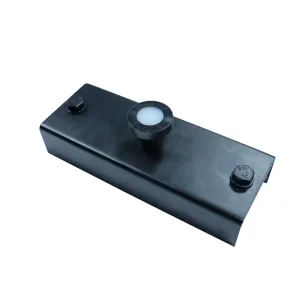
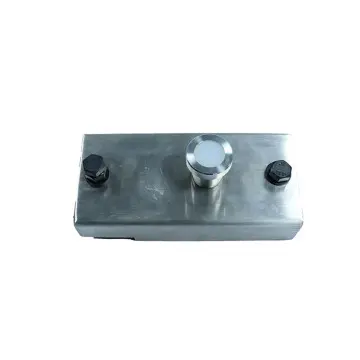
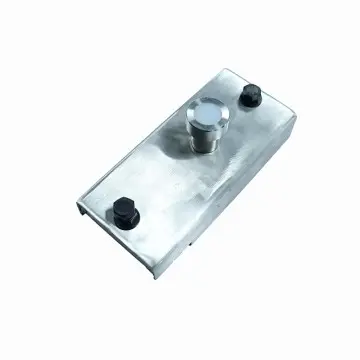
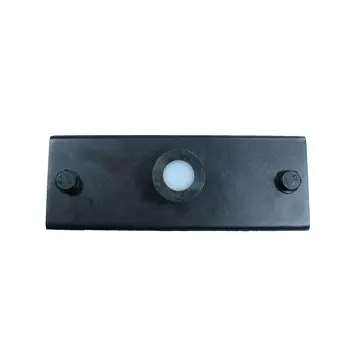
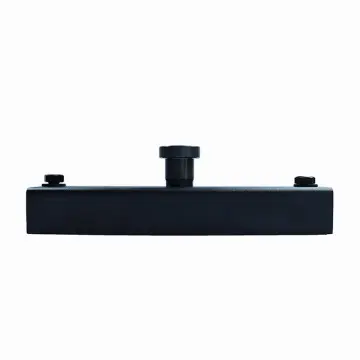
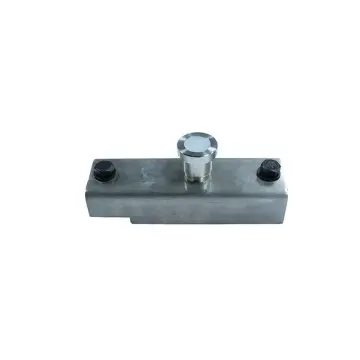
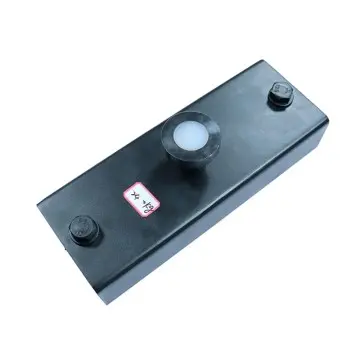
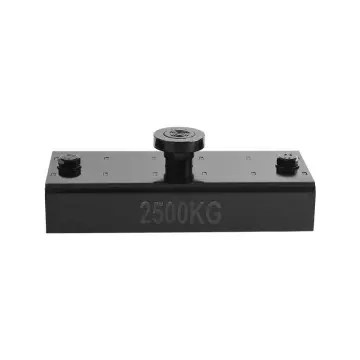
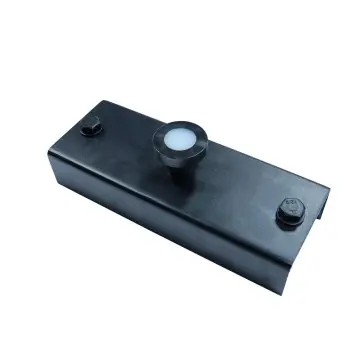
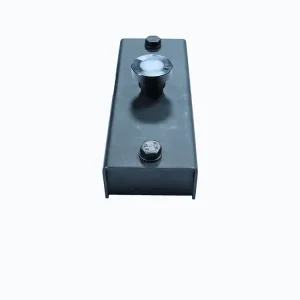
Magnetic shuttering systems (like the 4600 lbs Carbon Steel Shuttering of Precast Concrete or the Wholesale 2200 lbs to 5300 lbs Shuttering Magnet boxes) revolutionized the industry. Incorporating strong NdFeB block magnets housed in a carbon steel structure with an integrated mechanical press-button, these systems allow workers to engage or disengage up to 2400 kg (5300 lbs) of holding force instantly.
When the button is pressed down, the high-performance magnetic core comes into direct, flush contact with the steel table, locking the formwork system securely in place. When the concrete curing cycle is complete, a standard releasing lever is used to pull up the magnetic core, allowing rapid demolding and repositioning. This system eliminates weld repairs on casting beds, dramatically speeds up turnover times, and ensures high dimensional repeatability.
Industrial housings feature carbon steel with black oxidation, hot-dipped zinc coatings, or high-grade stainless steel to resist wet abrasive concrete and harsh cleaning chemicals.
Spring-loaded release systems and optimized activation knobs allow operators to control multi-ton magnetic forces with standard hand tools, maximizing safety on site.
Custom flux conductors guide magnetic paths to increase contact holding force, ensuring the magnet does not slip during intense high-frequency concrete compaction vibration.
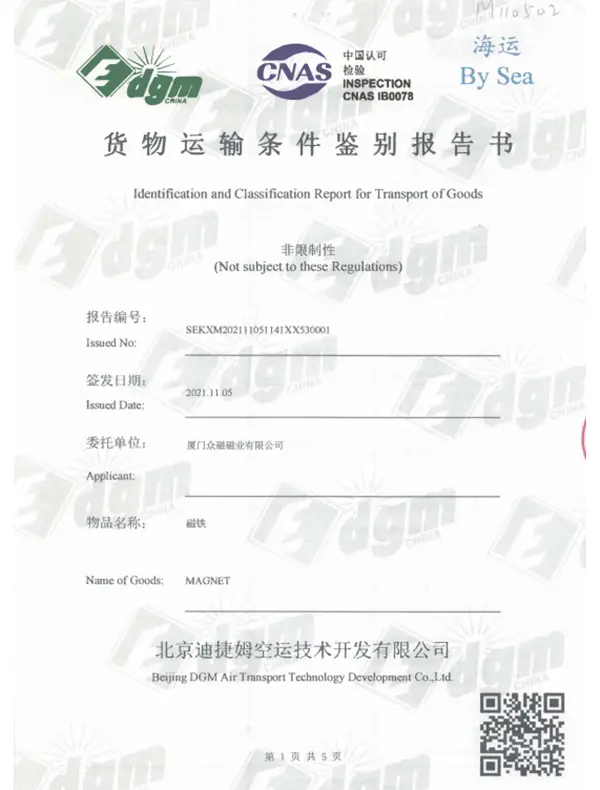
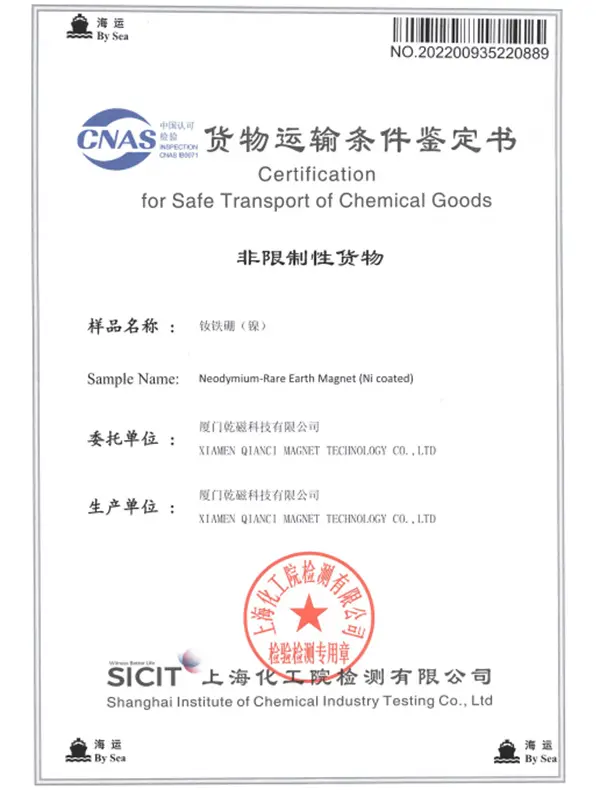
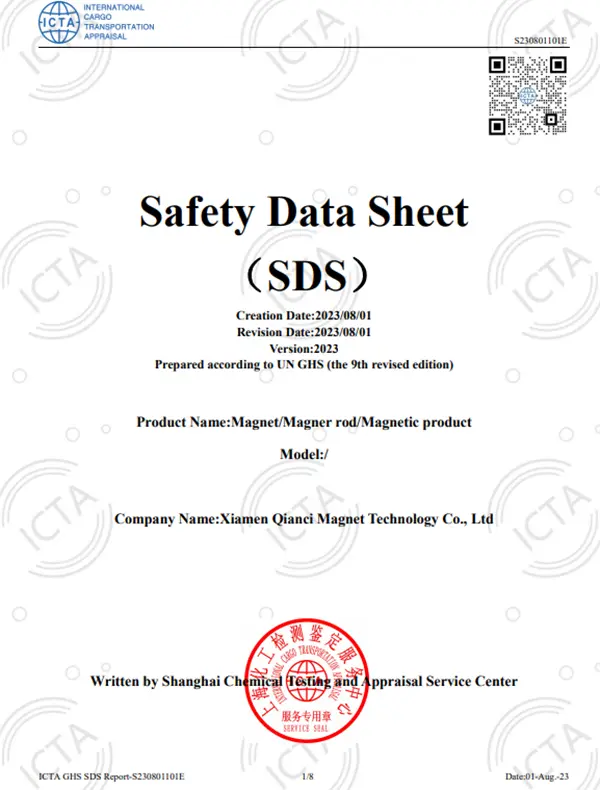
Importing high-strength industrial magnets involves navigating complex safety, environmental, and air freight regulations. The International Air Transport Association (IATA) classifies magnetized material as Class 9 Hazardous Goods if the magnetic field strength exceeds specific thresholds at a distance of 4.6 meters from the packaging. Leading exporters like Qianci Magnet design and supply customized metal sheet shielding containers to redirect magnetic flux internally, ensuring shipments safely comply with IATA packing instructions 953 and can be shipped without logistical delays.
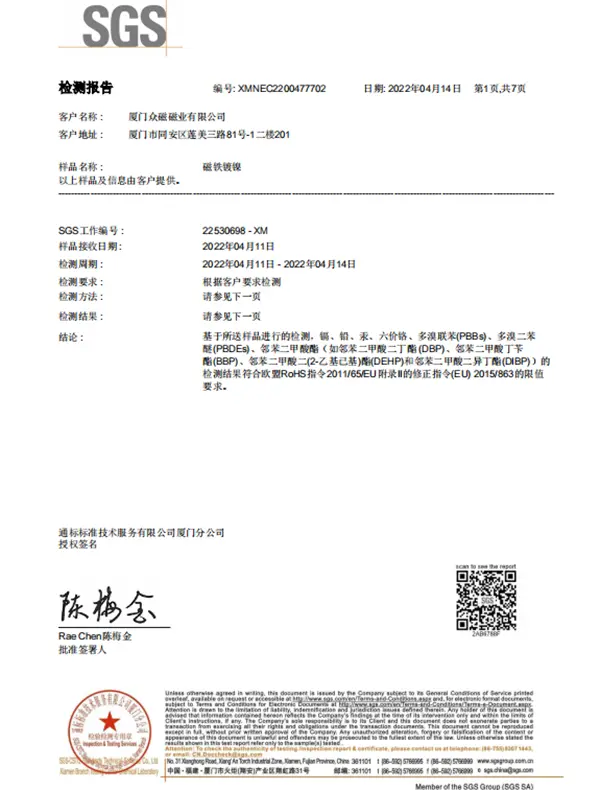
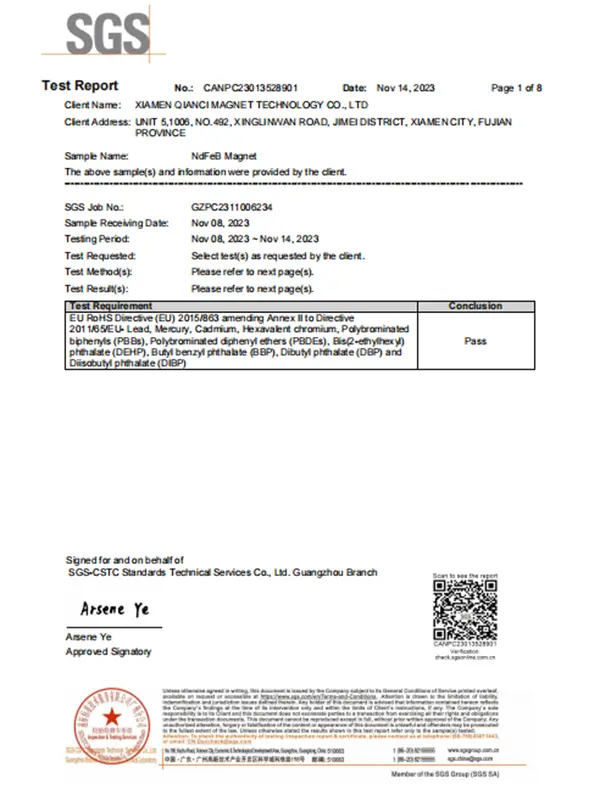
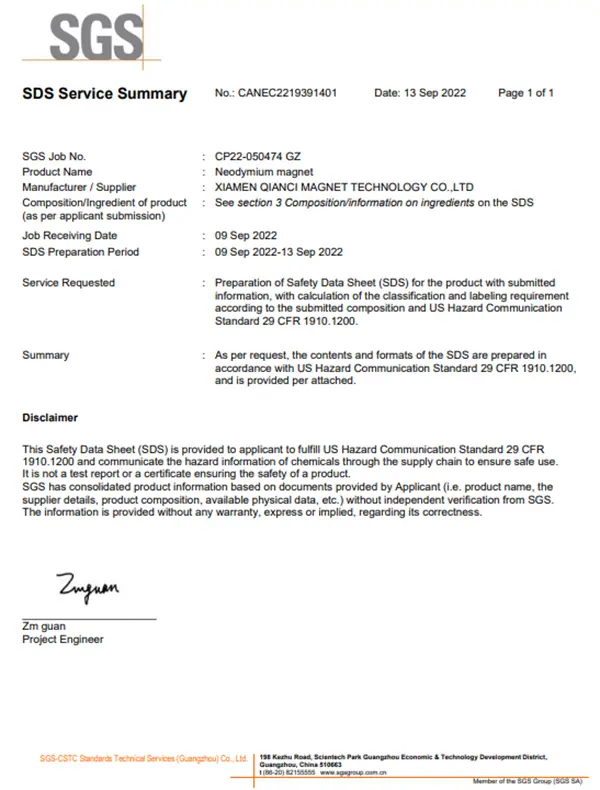
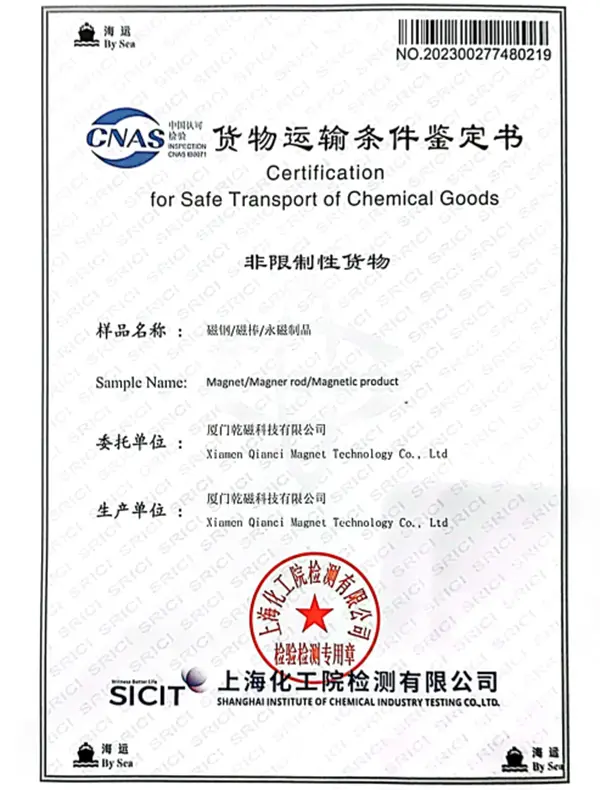
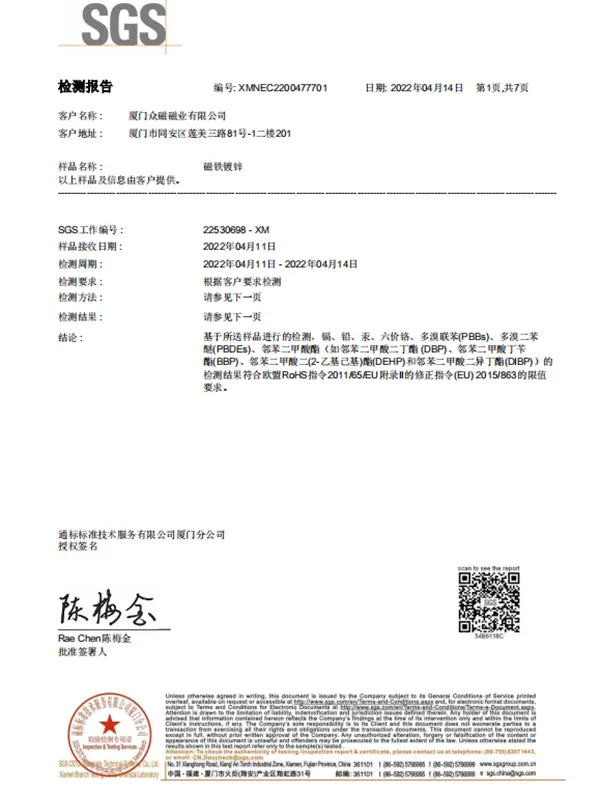
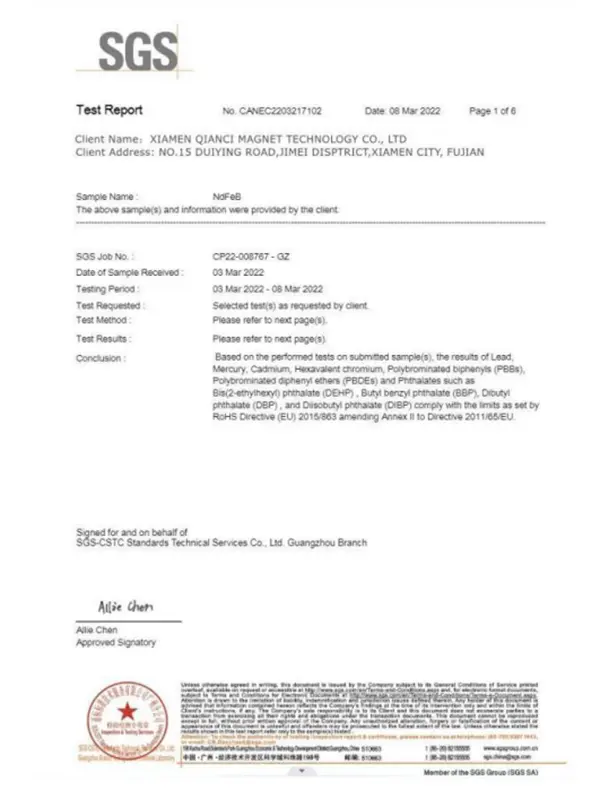
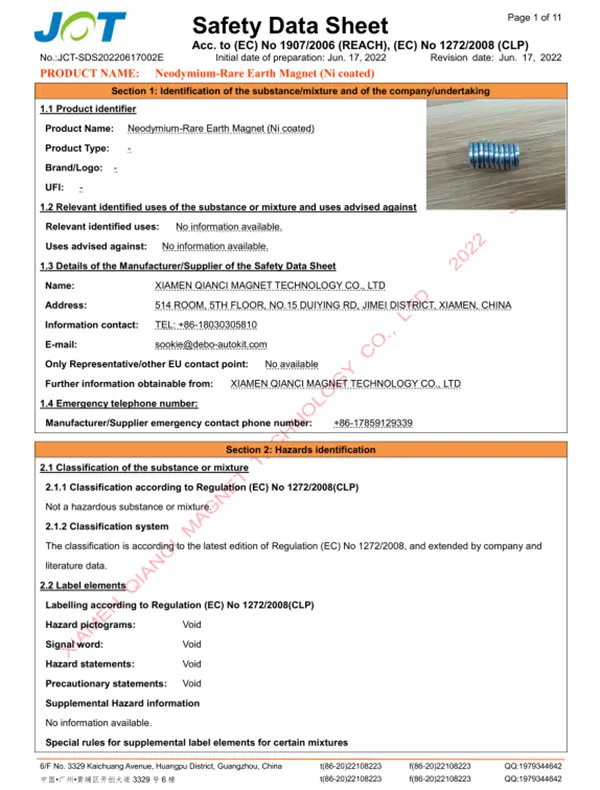
Furthermore, for industrial applications in the European Union and North America, compliance with chemical safety regulations is mandatory. Our permanent magnets and shuttering products strictly adhere to the Registration, Evaluation, Authorisation and Restriction of Chemicals (REACH) regulation and the Restriction of Hazardous Substances (RoHS) directive. This guarantees that all protective coatings, adhesives, and base alloys are free from hazardous concentrations of lead, cadmium, mercury, and hexavalent chromium.
The future of permanent magnetic systems is closely linked with resource sustainability and automation integration. With rare earth mining and refining representing carbon-intensive operations, research is heavily focused on optimizing demagnetization resistance while reducing reliance on Heavy Rare Earths (HREs) like Dysprosium (Dy) and Terbium (Tb). Our engineering team is tracking developments in Grain Boundary Diffusion (GBD) technology, which allows factories to apply HREs selectively along the crystalline grain boundaries rather than throughout the entire alloy matrix, preserving high thermal stability while reducing material costs.
In parallel, precast concrete factories are shifting towards fully automated robotic shuttering positioning arms. Future magnetic shuttering boxes are being developed with mechanical interfaces optimized for pneumatic or automated robotic actuators, allowing robotic arms to accurately position, lock, and unlock magnetic shutters without human intervention, leading to high-speed, zero-error construction workflows.
Your trusted manufacturing partner for advanced industrial magnetic systems and precast concrete fixing solutions.
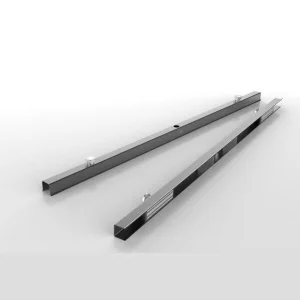
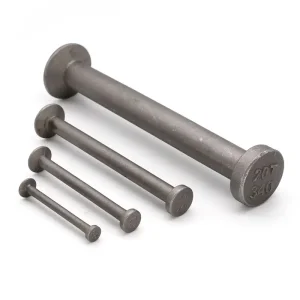
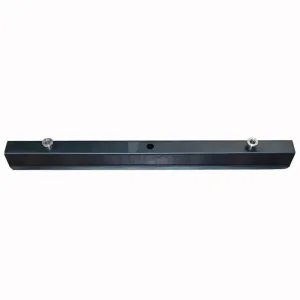
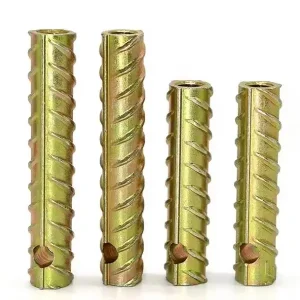
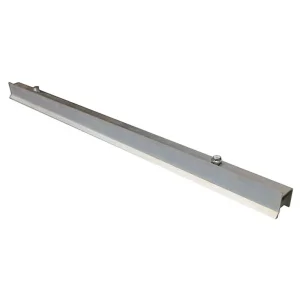
QCM Magnet (Qianci Magnet) specializes in offering complete magnetic fixing solutions for the production of precast concrete components. Our primary products include Shuttering Magnets and their corresponding accessories, Formwork Magnets, Magnetic Chamfering Strips, and various pre-embedded insert magnets.
Utilizing magnetic fixing in precast concrete component production prevents damage to the casting platform, enhances work efficiency, reduces labor costs, and promotes economic efficiency as the magnetic fixing devices are reusable. Using our expertise in magnetic components and our extensive experience in supporting the production of precast components, we have developed numerous new and practical magnetic fixing products.
Our products come with complete specifications, excellent quality, ease of operation, and long service life. Additionally, we can promptly customize a variety of magnetic fixing parts to meet the diverse needs of our customers. We are willing to share our expertise with you to help you solve your specific application needs for magnetic components.
Explore our most trusted high-capacity precast magnets, featuring integrated mechanical safety releases and optimized steel housings.
New structural magnetic tools optimized for modern precast casting beds and industrial automation.
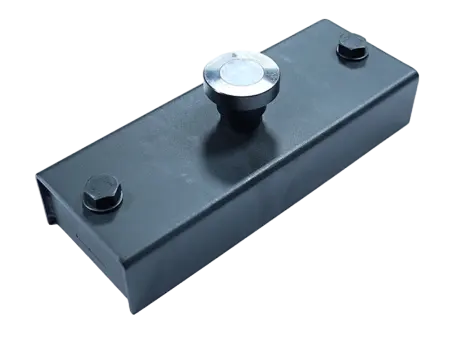
The shuttering magnet for concrete formwork is a proven safe and efficient tool in precast concrete production. It features a 1600kg series with a large magnetic force, reusability, and durability.
Learn More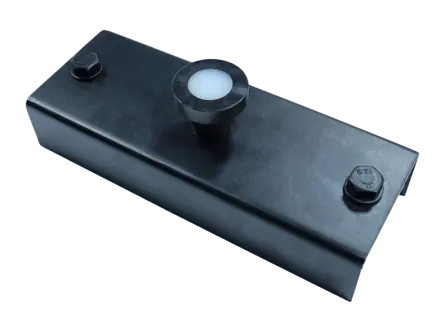
The advantages of 4600 lbs(2100kg) pull force Precast Concrete Shuttering Magnet for Concrete Formwork in product manufacturing are obvious, it can increase productivity and quality improvement.
Learn More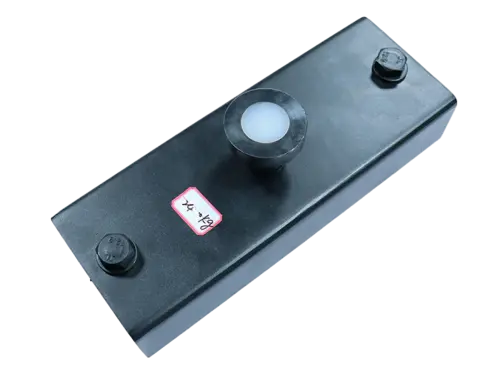
This precast magnets with 5300 lbs(2400kg) magnetic force is a popular product in Europe now. Its powerful magnetism can handle a variety of usage scenarios, such as house construction walls.
Learn More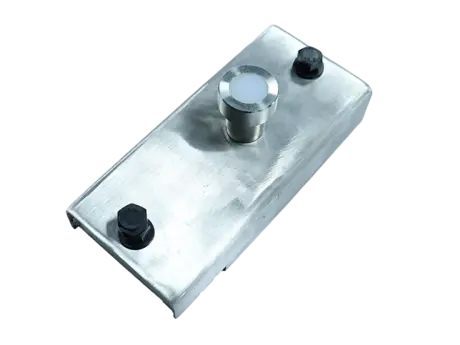
The 1300kg vertical tensile force neodymium precast concrete magnet is commonly used to hold the side moldings of precast concrete elements (e.g. flat floor slabs, walls) in place.
Learn MoreFind direct answers to critical design, testing, thermal, and compliance questions regarding industrial magnets.
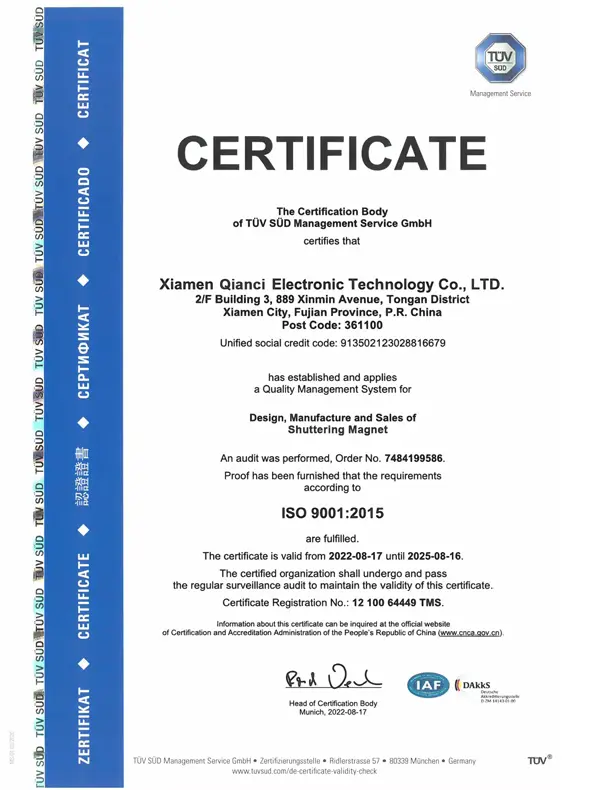
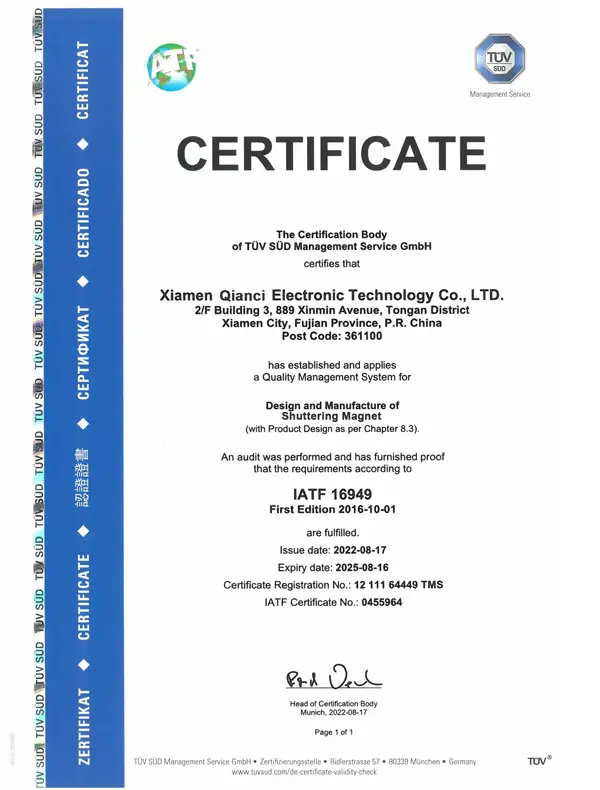
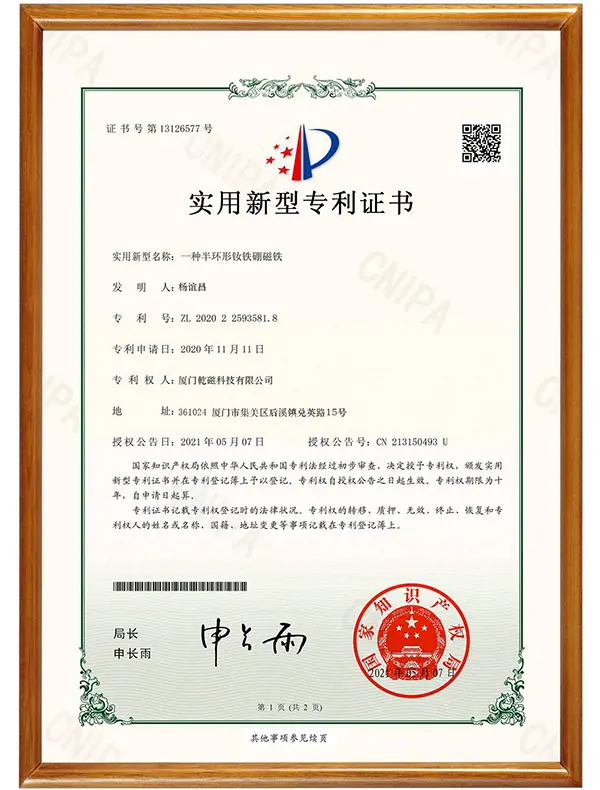
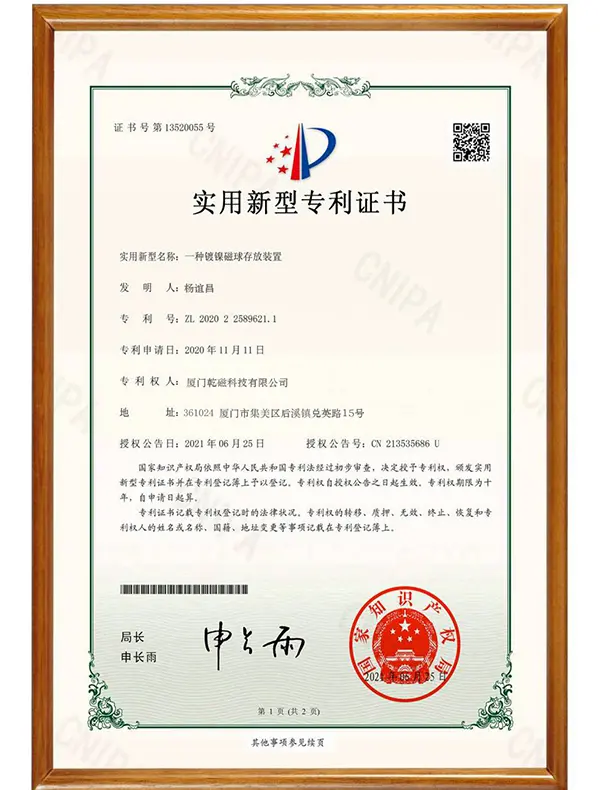
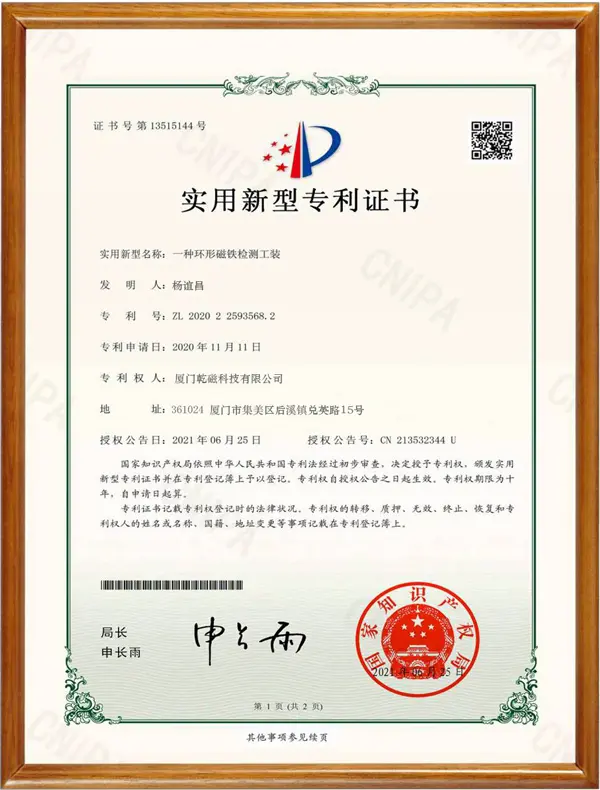
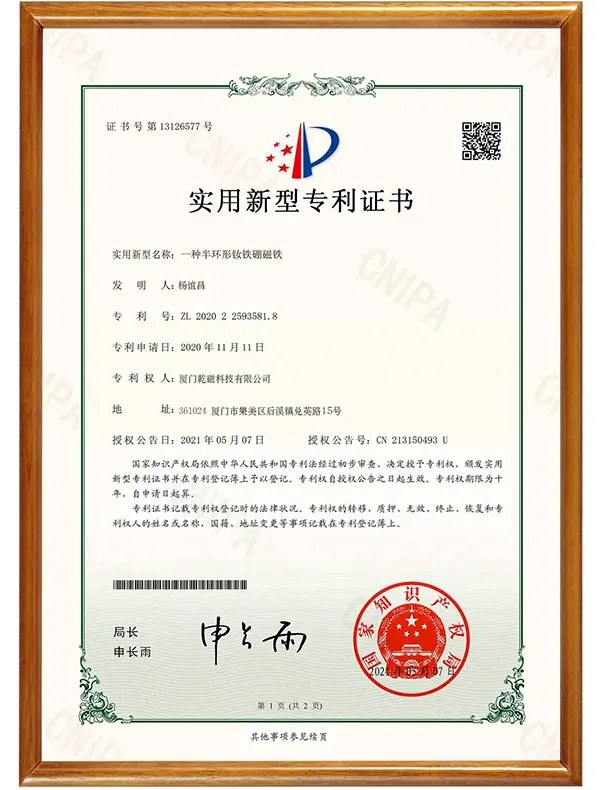
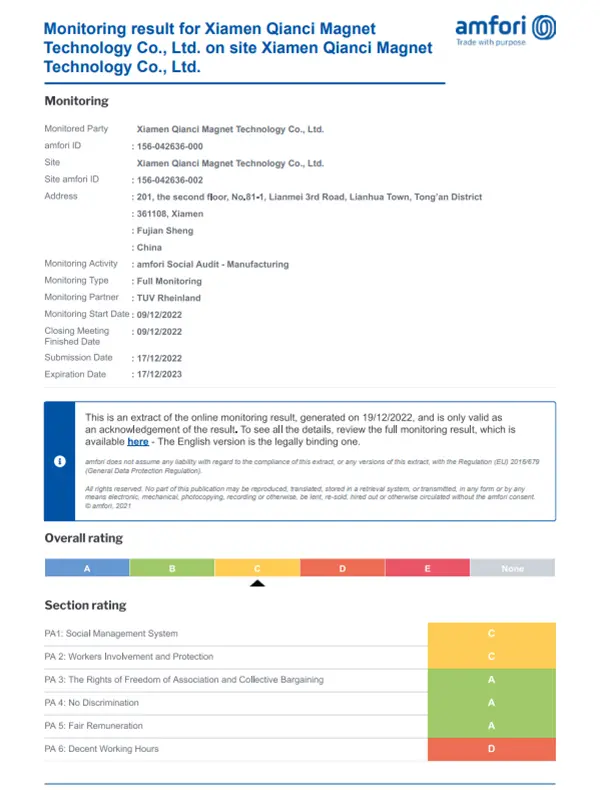
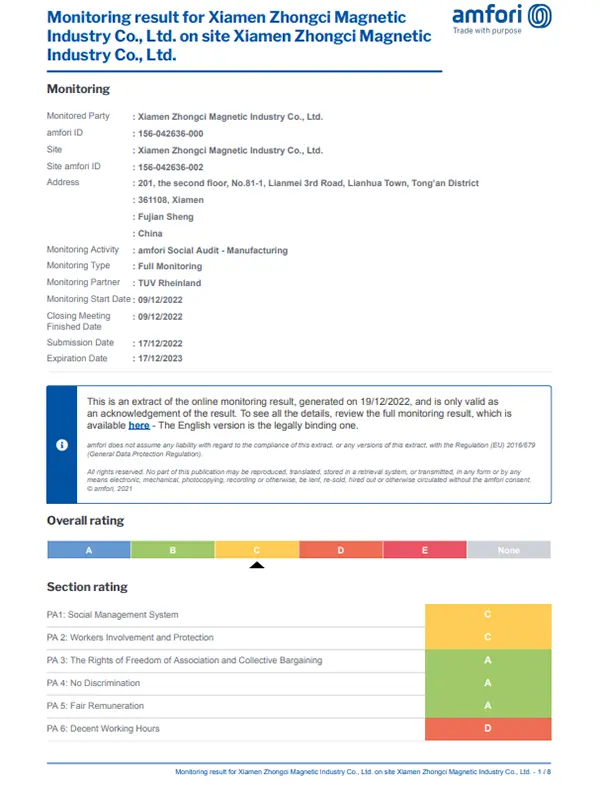
Our manufacturing facility and final assemblies conform to strict quality guidelines verified by international agencies.
Keep up with the latest technological developments and industry events in global magnetic solutions.
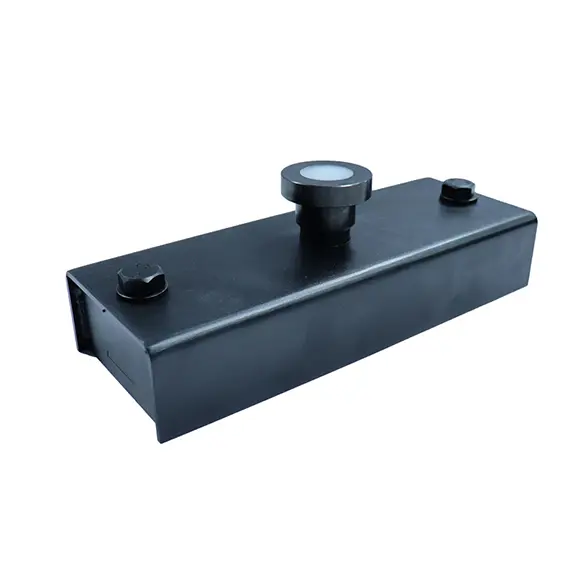
Precast concrete systems: Shuttering molds shape edges/openings on flat surfaces using magnetic fixation, while mold systems secure larger perimeter profiles and panels.

QCM, a global leader in magnetic components, will participate in UK Construction Week 2025. From May 7th to 9th, the engineering team will showcase magnetic fixing products designed to improve site throughput.
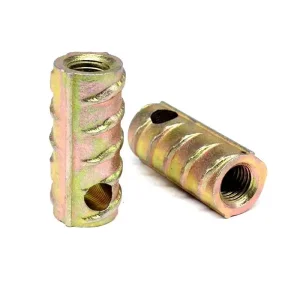
Select specialized magnetic profiles, internal socket inserts, and high-coercivity countersunk magnetic components.