In the contemporary landscape of civil engineering, the transition from traditional cast-in-situ methods to sophisticated Precast Concrete Systems has revolutionized construction timelines and structural integrity. At the heart of this revolution lies the Lifting Anchor System—a critical component that bridges the gap between manufacturing precision and on-site assembly safety.
For global suppliers and construction companies, procurement of lifting anchors is no longer a simple transactional process. It is a strategic decision involving metallurgical science, load distribution kinetics, and strict regulatory compliance. This document explores the macro-economic drivers, technical advancements, and procurement frameworks necessary for high-stakes concrete projects.
The global demand for high-strength lifting anchors is projected to grow by 6.4% CAGR through 2030. Key drivers include the rise of modular housing in Europe and massive infrastructure expansions in Southeast Asia. Suppliers are now prioritizing traceability and Material Test Reports (MTRs) to mitigate the risks associated with multi-national supply chains.
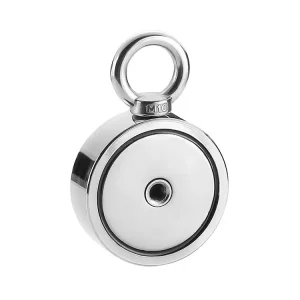
Reliability is non-negotiable. Modern anchors must meet international standards such as ASTM A1064, EN 13155, and OSHA 1926.704. Our systems utilize high-grade alloy steel with anti-corrosion treatments, ensuring that the 5:1 safety factor is maintained even in extreme environments like offshore wind farm foundations.
The "AI tech feel" in manufacturing isn't just aesthetic. Leading companies like QCM Magnet are integrating ultrasonic testing and automated forging systems to detect micro-fractures invisible to the human eye, ensuring every anchor delivered to your site is 100% defect-free.
Modern concrete suppliers face the challenge of balancing speed with absolute safety. Our integrated solutions combine magnetic fixing technology with mechanical lifting anchors to create a seamless workflow.
The roadmap for lifting technology is moving towards "Smart Anchors" and "Eco-Friendly Metallurgy."
Transitioning from standard carbon steel to Duplex Stainless Steel and Chromium-plated alloys to enhance longevity in saline environments.
Embedding RFID tags within lifting anchors to provide real-time data on load history, installation dates, and manufacturer authentication via mobile apps.
Anchors designed specifically for robotic lifting arms, featuring standardized "grip zones" to facilitate fully automated building assembly.

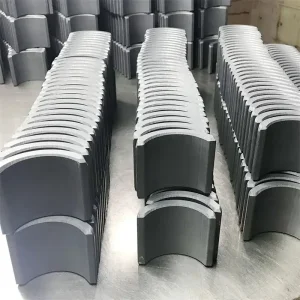
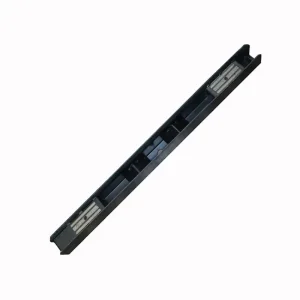
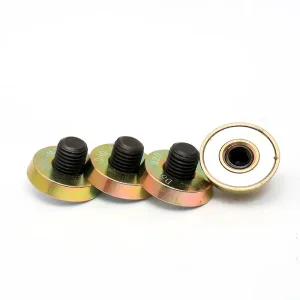
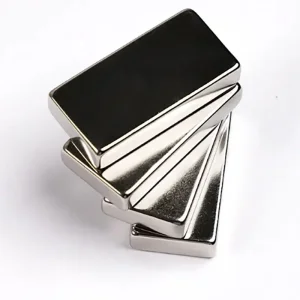
Qianci Magnet is a strong magnetic component factory, specializing in the production and research and development of formwork magnets, magnetic formwork, insert magnets, magnetic concrete chamferers and other products. Utilizing magnetic fixing in precast concrete component production prevents damage to the platform, enhances work efficiency, reduces labor costs, and promotes economic efficiency.

Our business mainly involves precast concrete magnetic system solutions, helping you to better carry out concrete element production. We provide complete magnetic fixing solutions, including Shuttering Magnets, Formwork Magnets, and various pre-embedded insert magnets.

Become a global leading manufacturer and excellent service provider of magnetic solutions for the precast concrete industry. We are willing to share our expertise with you to help you solve your specific application needs for magnetic components.
Navigating the complexities of international building codes requires a partner who understands local nuances. We provide:
2025-05-15 - Precast concrete systems: Shuttering molds shape edges/openings on flat surfaces using magnetic fixation, while mold systems handle the larger volumetric structures. Our latest magnetic solutions are designed to bridge this gap effectively.
2025-04-30 - QCM, a global leader in magnetic components, will participate in UK Construction Week 2025. From May 7th to 9th, we will showcase the latest advancements in lifting clutch integration and shuttering efficiency.
New research shows that reusable magnetic fixing systems can reduce the carbon footprint of precast plants by up to 12% by eliminating single-use welding materials and reducing structural waste.