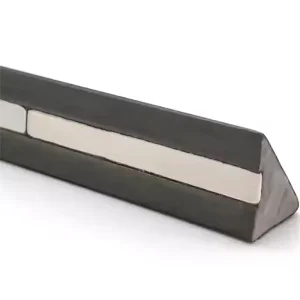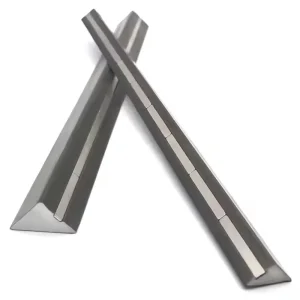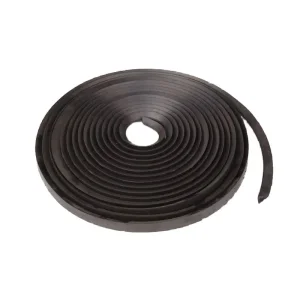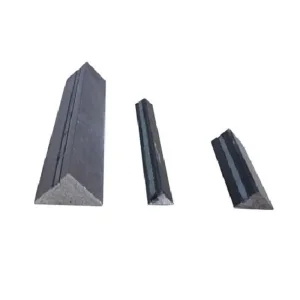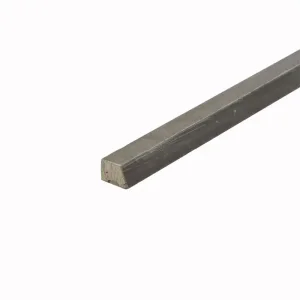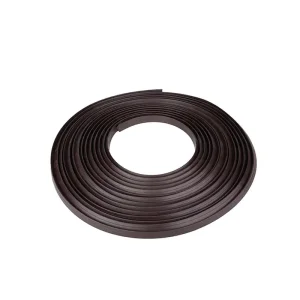
Engineered for seamless steel-shuttering integration, providing clean bevels without mechanical drilling or welding.
Berlin, a hub for architectural design and infrastructural revitalization, is setting global benchmarks for circular economy goals in construction. Driven by the German Federal Ministry's strict regulations for building safety and energy efficiency, the regional precast concrete industry is undergoing a paradigm shift towards Modern Methods of Construction (MMC). Today's engineering standards demand structural components that present not only impeccable strength but also pristine aesthetic finishes and precise bevel profiles.
In traditional precast yards, chamfers—which create beveled edges to prevent crumbling, ease demolding, and hide joint lines—were secured using screws, nails, or spot welds. However, in modern German precast plants utilizing high-precision steel tables, mechanical anchoring causes permanent, costly damage to the formwork surfaces. Magnetic Concrete Chamfer technology solves this problem. It uses permanent Rare Earth Neodymium (NdFeB) magnets embedded within steel, urethane, or rubber profiles. This allows for instant attachment and removal without leaving any residue or damage.
The primary function of a magnetic concrete chamfer is to provide robust holding power against the hydrostatic pressure of wet concrete. Under intense vibration (often exceeding 50 Hz in precast shaking tables), standard physical adhesives fail. An engineered magnetic chamfer utilizes a closed magnetic circuit, focusing the magnetic field on the contact side. This dramatically increases the holding capacity while preventing concrete slurry from entering the magnet's housing.
For Berlin's regional climate conditions, which experience high humidity and freeze-thaw cycles, components must be made of corrosion-resistant materials. The steel chamfers are protected with advanced electrophilic coatings or zinc plating, while urethane models offer flexible deflection properties to handle non-linear edge creations. These options satisfy the strict Eurocode 2 structural concrete standards.
"For engineering firms in Berlin, using magnetic chamfers on steel platforms reduces mold setup time by up to 95% and guarantees sharp, chamfered corners that require no hand finishing or repair after stripping."
Choosing the right magnetic chamfer material is crucial for matching concrete formulations, casting temperatures, and reuse cycle requirements:
| Chamfer Type | Core Characteristics | Durability / Reuse Count | Ideal Application |
|---|---|---|---|
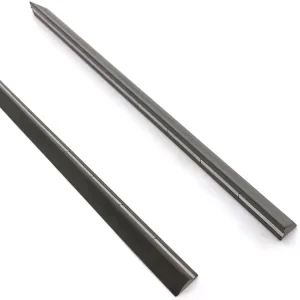
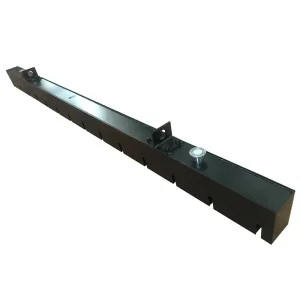
| Triangular Steel Chamfer | High magnetic density, integrated NdFeB magnets, zero dimensional variance. | Extremely High (>500 cycles) | Flat slabs, columns, heavy precast elements with straight profiles. |
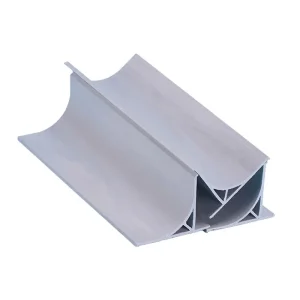
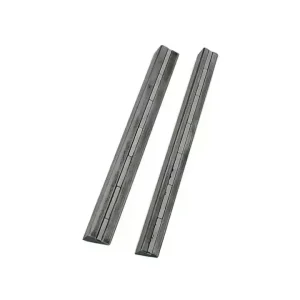
| Magnetic Urethane Chamfer | Flexible, chemical and oil resistant, non-chipping, mild elastic deflection. | Medium-High (100–300 cycles) | Modular panels, decorative panels, textured concrete facades. |
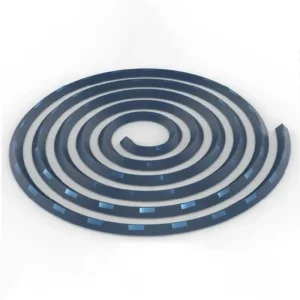
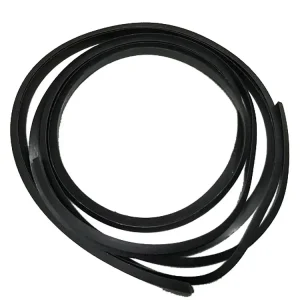
| Magnetic Rubber Chamfer | Highly flexible, cost-effective, easily cut to custom lengths on site. | Medium (50–100 cycles) | Circular/curved structures, rapid-turnaround construction projects. |
Leveraging automated manufacturing, rigorous QA, and raw material access to secure competitive advantages for Berlin builders.
In today's global supply chain environment, European construction companies face challenges like material shortages, strict environmental rules, and rising energy costs. QCM Magnet addresses these challenges by combining China's industrial manufacturing efficiency with European quality standards.
Our Factory 4.0 production center in China uses automated precision machinery and rigorous testing to ensure every batch of magnetic chamfers matches exact dimensions. We use Helmholtz coils and fluxmeters to perform detailed demagnetization tests, ensuring our permanent NdFeB magnets maintain their holding strength even when exposed to concrete vibration and high curing temperatures.
High-grade construction magnets, steel profiles, and specialized insert fixtures designed to optimize precast concrete production.
QCM Magnet specializes in offering complete magnetic fixing solutions for the production of precast concrete components. Our primary products include Shuttering Magnets and their corresponding accessories, Formwork Magnets, Magnetic Chamfering Strips, and various pre-embedded insert magnets.
Utilizing magnetic fixing in precast concrete component production prevents damage to the platform, enhances work efficiency, reduces labor costs, and promotes economic efficiency as the magnetic fixing devices are reusable. We promptly customize a variety of magnetic fixing parts to meet the diverse needs of our customers.
Everything you need to know about the specification, operation, and maintenance of magnetic chamfer systems in commercial projects.
Our magnetic chamfers are engineered with high-strength Neodymium (NdFeB) magnets, providing a strong magnetic force that keeps the chamfer strip in place against heavy hydrostatic pressure and intense precast table vibration. The magnetic circuit is designed to focus the pull force entirely on the bottom and side contact faces.
Yes. Our steel magnetic chamfers undergo electro-plating or blackening treatments to prevent rust. Our urethane and rubber magnetic chamfers are naturally resistant to chemical additives, oil-based release agents, and moisture, making them ideal for high-humidity precast yards.
Absolutely. We customize chamfer angles (such as 45-degree bevels), custom trapezoidal profiles, and varying lengths to meet the architectural designs of your construction templates. Contact our engineering team with your drawings for custom solutions.
Keep the magnetic face clean of cured concrete debris and steel particles. Store them on a flat steel plate or dry storage rack. Clean them regularly with a formwork scraper and apply a light coat of anti-rust oil or mold release oil.