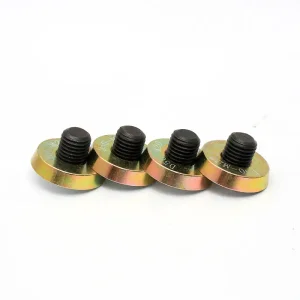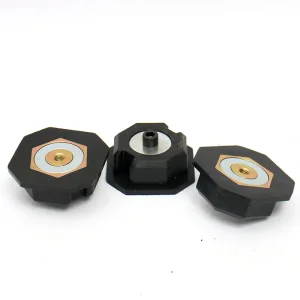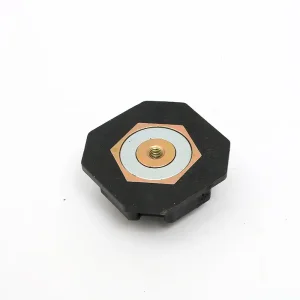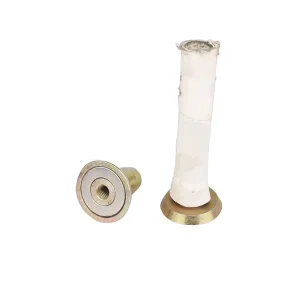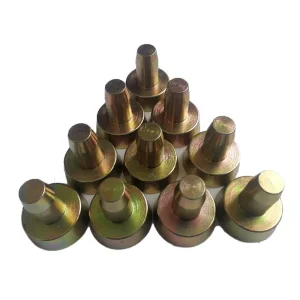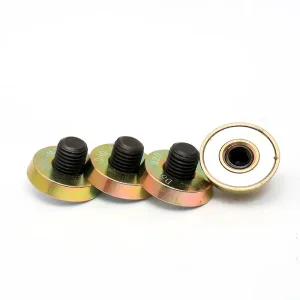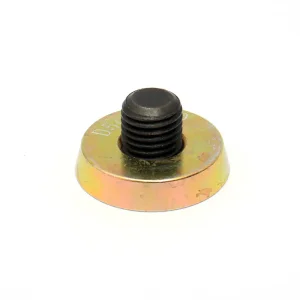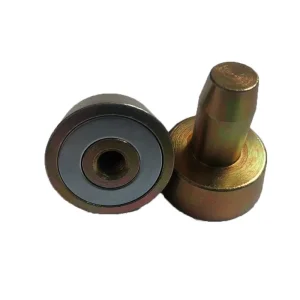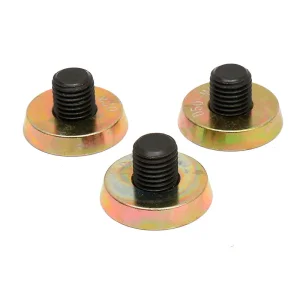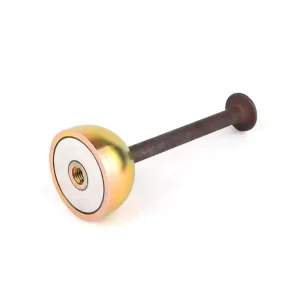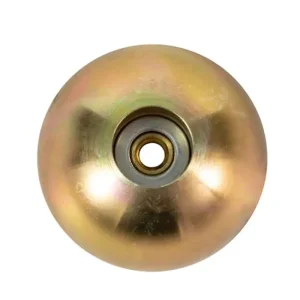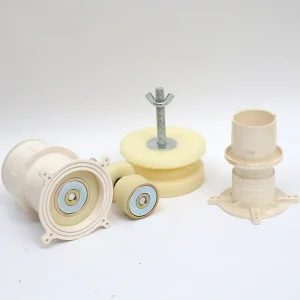
Ethiopia, often referred to as the "African Lion," is currently witnessing an unprecedented urban transformation. With Addis Ababa as the epicenter, the demand for high-quality housing, commercial complexes, and industrial parks has surged. This rapid growth has catalyzed the adoption of Precast Concrete Technology, where Insert Magnets play a pivotal role in ensuring structural integrity and production efficiency.
The Ethiopian construction market is transitioning from traditional cast-in-situ methods to mechanized precast assembly. Large-scale government projects, such as the 40/60 and 20/80 housing schemes, require standardized components that can be produced quickly and accurately. Insert magnets—used to fix electrical boxes, PVC pipes, and anchors during the concrete casting process—have replaced old-fashioned welding and bolting methods. This technological shift is reducing labor costs by up to 30% and cutting production cycles significantly for local Ethiopian manufacturers.
Globally, the precast industry is moving toward automation and digital integration. Rare-earth neodymium (NdFeB) magnets have become the industry standard due to their incredible power-to-weight ratio. As a leading manufacturer, we provide the Ethiopian market with the same technology used in European and American skyscrapers—magnets that offer vertical pull forces ranging from 50kg to over 2500kg, ensuring that formwork stays perfectly aligned under the immense pressure of vibrating concrete.
Understanding the technical nuances of insert magnets is essential for any SEO-driven growth strategy in the Ethiopian industrial sector. We categorize our tech roadmap into three pillars:
Utilizing N52 grade Neodymium magnets with triple-layer coating (Ni-Cu-Ni) to prevent corrosion in the diverse Ethiopian climate, from the humid highlands to the arid lowlands.
Encasing magnetic cores in stainless steel or high-strength carbon steel to withstand the mechanical shocks of precast manufacturing environments.
Developing custom-shaped magnets for specific Ethiopian building standards, including specialized recessed formers for lifting anchors and grout tube locators.
When evaluating the price of insert magnets in Addis Ababa, contractors must look beyond the initial capital expenditure (CAPEX) and consider the Total Cost of Ownership (TCO). Our pricing is structured to offer "Information Gain"—providing high-value data on how these tools pay for themselves.
Note: Prices vary based on raw material fluctuations (Neodymium) and shipping logistics to the Port of Djibouti. Contact us for a localized quote.
Aligning magnetic fixing technology with Ethiopia's Ministry of Urban Development and Infrastructure (MUDI) goals for sustainable urban growth.
Reducing waste and steel consumption in formwork by utilizing 100% reusable magnetic components, contributing to LEED and EDGE certifications.
Dedicated logistics routes from our factory to Ethiopian distributors, ensuring constant availability of spare parts and new modules.
Welding damages the expensive steel casting platforms used in plants. Magnets provide a non-destructive way to fix components, extending the life of your production tables by decades and ensuring better precision.
Maintenance is simple: keep the contact surface clean and free of concrete residue. We recommend a light coating of mold oil after each use to prevent any oxidation.
Yes! We specialize in OEM/ODM services. If you provide the technical drawings or the physical box used in your Ethiopian projects, we can create a custom magnetic locator for it.
Typically, production takes 15-20 days, and sea freight to Djibouti followed by truck transport to Addis Ababa takes another 25-30 days. We also offer air freight for urgent project needs.