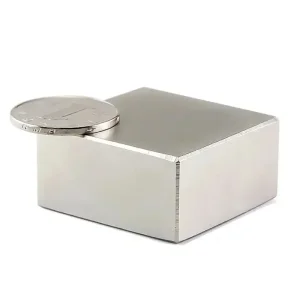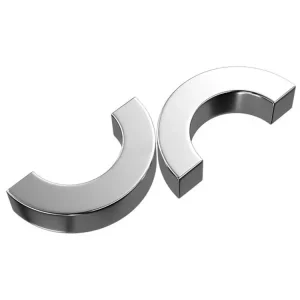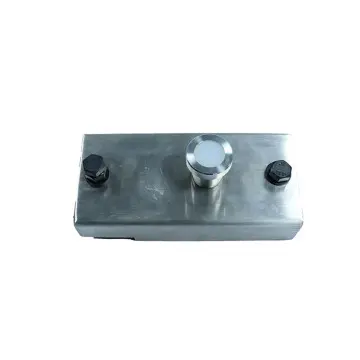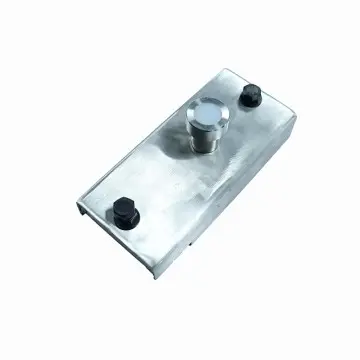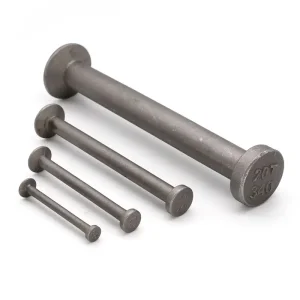
Explore our premium sintered NdFeB systems engineered for precast concrete formwork and magnetic positioning templates.
Sintered Neodymium-Iron-Boron (NdFeB) magnets stand as the absolute vanguard of modern permanent magnetic materials. Known as the "Magnet King," this rare-earth compound (Nd2Fe14B) delivers the highest maximum energy product (BHmax) and remanence (Br) of any material commercially available. Through advanced powder metallurgy, sintered NdFeB is meticulously manufactured to form an anisotropic crystalline structure, providing immense magnetic clamping force and high coercivity (Hcj) to resist demagnetization under heavy thermal and mechanical stresses.
In 2025, the global sintered NdFeB market is driven primarily by the transition toward high-efficiency electric motors, clean energy systems, and advanced mechanical tooling. Sintered NdFeB is critical for high-end automotive traction motors, wind turbine generators, acoustic hardware, and automation components. However, one of the most rapidly growing industrial sub-sectors is the civil engineering and precast concrete industry. The demand for reusable, extremely powerful magnetic assemblies to secure formwork without structural drilling has shifted the global precast market toward highly optimized NdFeB-based shuttering devices.
"The integration of sintered NdFeB into precast concrete assemblies has reduced structural setting times by up to 40% and virtually eliminated platform damage caused by traditional welding or bolting methods." - QCM Engineering Whitepaper
China commands over 85% of the world's sintered NdFeB processing capacity. The manufacturing advantage of a Chinese factory like Qianci Magnet is not merely based on competitive labor costs; it is deeply rooted in complete vertical integration. From rare-earth mining (specifically heavy rare earths like Dysprosium and Terbium used for high-temperature resistance grades) to raw material refining, ingot casting, powder milling, vacuum sintering, and precise wire-electrode cutting, our manufacturing process operates within an optimized, end-to-end supply chain ecosystem. This guarantees raw material stability, high grain boundary diffusion (GBD) technology implementation, and strict cost control.
Our raw material precision translates to tangible mechanical advantages on construction sites worldwide.
Industrial applications of NdFeB systems vary dramatically across regions depending on regulatory structures, raw material accessibility, and architectural designs:
Modern off-site construction utilizes automated tables that require high-power magnets (like our 2100kg / 4600 lbs shuttering systems) to firmly hold steel forms in place. The high magnetic flux density of NdFeB ensures that even during intense concrete vibratory compacting, formwork stays perfectly square and level.
For applications exposed to moisture, concrete slurry, and humidity, NdFeB is vulnerable to degradation. We resolve this by sealing the core magnets in high-grade stainless steel (SUS304) or heavy carbon steel shells with multi-layered plating (Nickel-Copper-Nickel or epoxy coats) to ensure longevity and rust resistance.
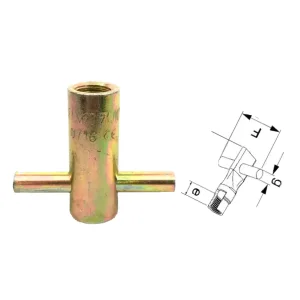
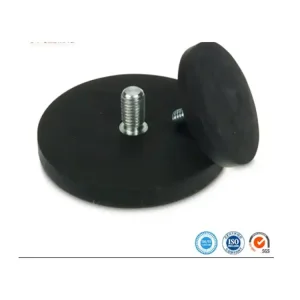
Global procurement offices source bespoke magnets integrated with thread adapters, rubber covers (M6/M8 sizes), and hook extensions. These systems allow quick installation of sensors, cable harnesses, and structural panels to steel molds without surface preparation.
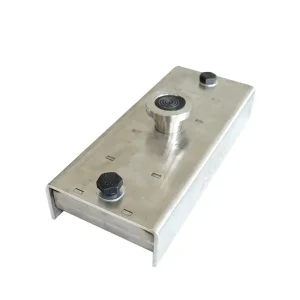
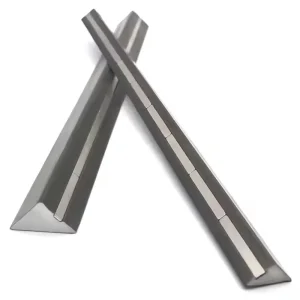
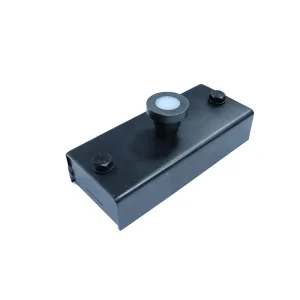
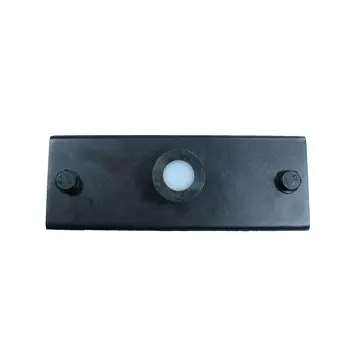
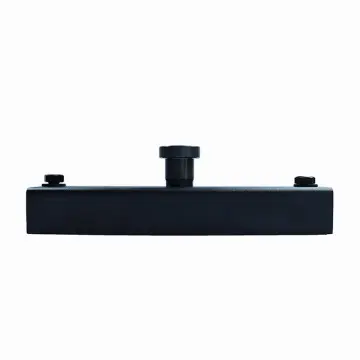
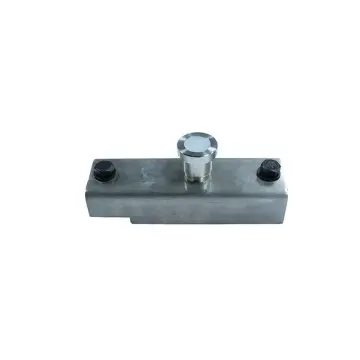
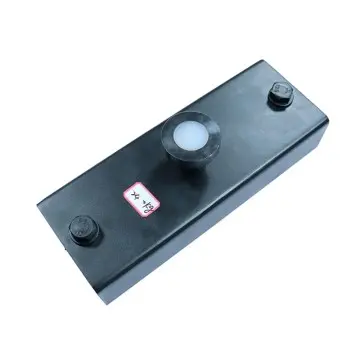
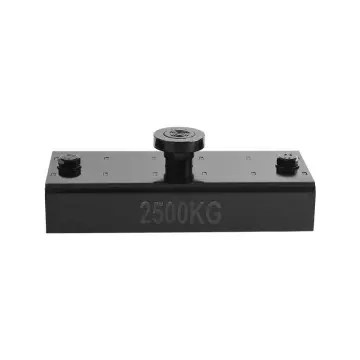
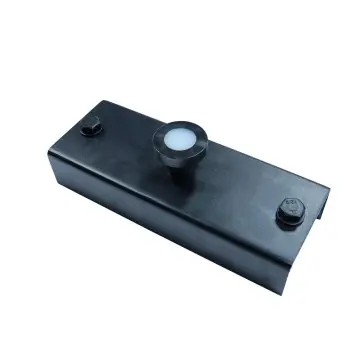
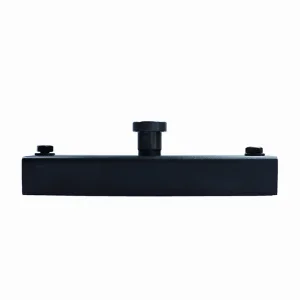
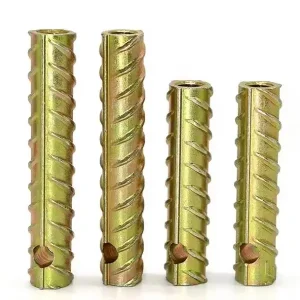
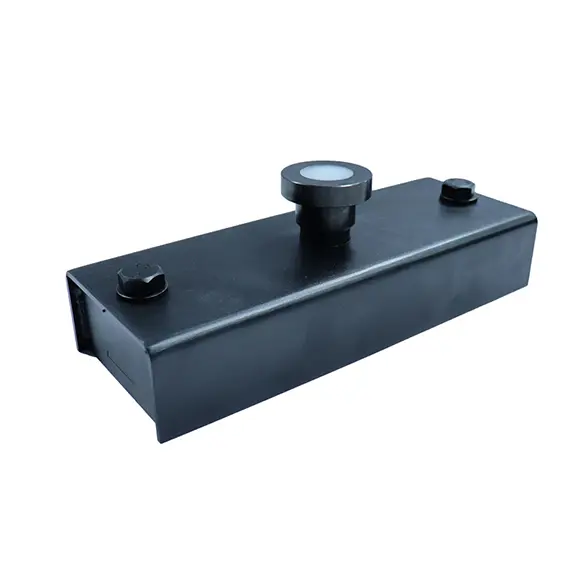
QCM Magnet specializes in offering complete magnetic fixing solutions for the production of precast concrete components. Our primary products include Shuttering Magnets and their corresponding accessories, Formwork Magnets, Magnetic Chamfering Strips, and various pre-embedded insert magnets.
Utilizing magnetic fixing in precast concrete component production prevents damage to the platform, enhances work efficiency, reduces labor costs, and promotes economic efficiency as the magnetic fixing devices are reusable.
Using our expertise in magnetic components and our extensive experience in supporting the production of precast components, we have developed numerous new and practical magnetic fixing products. Our products come with complete specifications, excellent quality, ease of operation, and long service life. Additionally, we can promptly customize a variety of magnetic fixing parts to meet the diverse needs of our customers.
Read More ProfileQianci Magnet is a strong magnetic component factory, specializing in the production and research and development of formwork magnets, magnetic formwork, insert magnets, magnetic concrete chamferers and other products.
Our business mainly involves precast concrete magnetic system solutions, helping you to better carry out concrete element production.
Become a global leading manufacturer and excellent service provider of magnetic solutions for the precast concrete industry.
Engineered for high load-bearing structural alignment and long production cycles.
Explore our newly developed products built with higher temperature stability grades and dynamic mechanical properties.
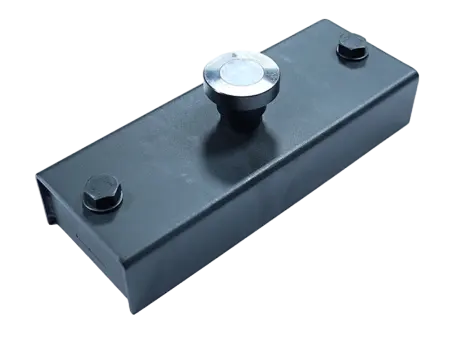
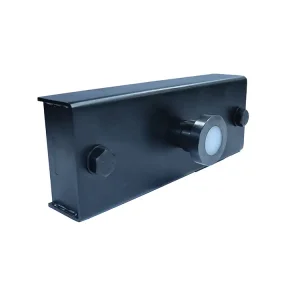
Features a 1600kg series with massive magnetic clamping force, extreme structural reusability, and durability.
View Product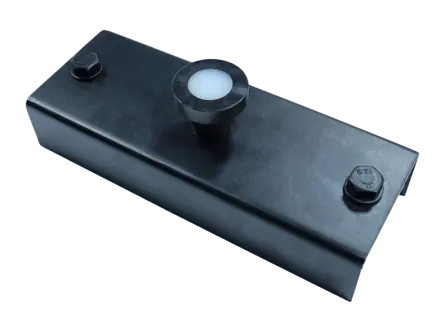
Offers a 2100kg pulling force that effectively optimizes cycle productivity and overall casting quality.
View Product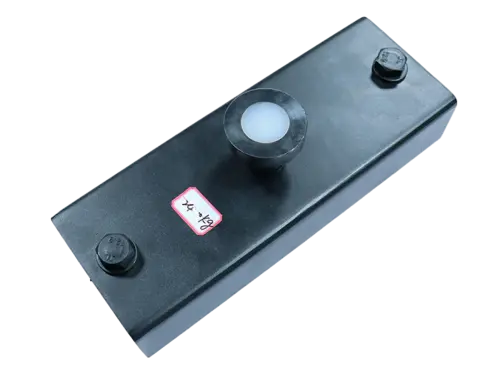
A highly popular standard in European architectural projects. Handles house construction walls with ease.
View Product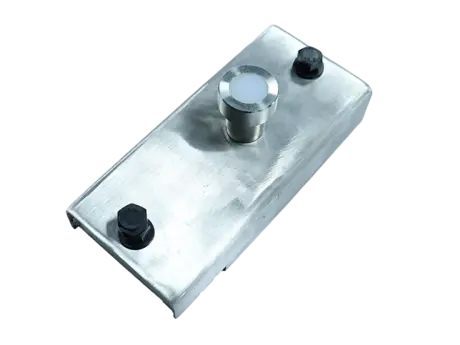
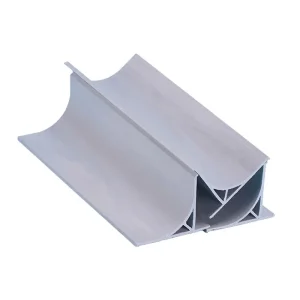
Commonly utilized to align and lock side moldings for precast concrete flat floor slabs and walls.
View ProductIn modern industrial sourcing, the procurement of sintered NdFeB components is shifting from off-the-shelf catalog searching to collaborative engineering partnerships. Buyers are looking for optimized magnetic circuits that leverage specialized finite element analysis (FEA) to reduce raw material weight while keeping holding forces constant.
To ensure high quality, global procurement teams must inspect critical factory parameters:
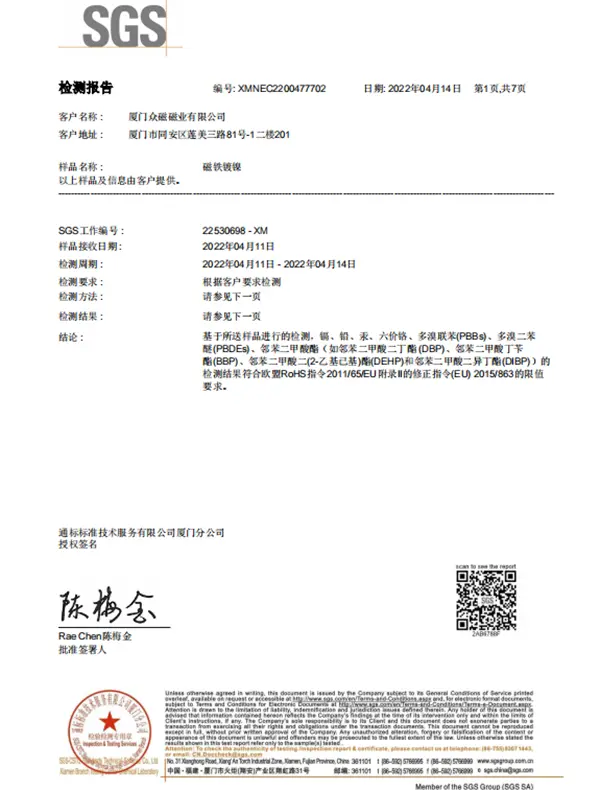
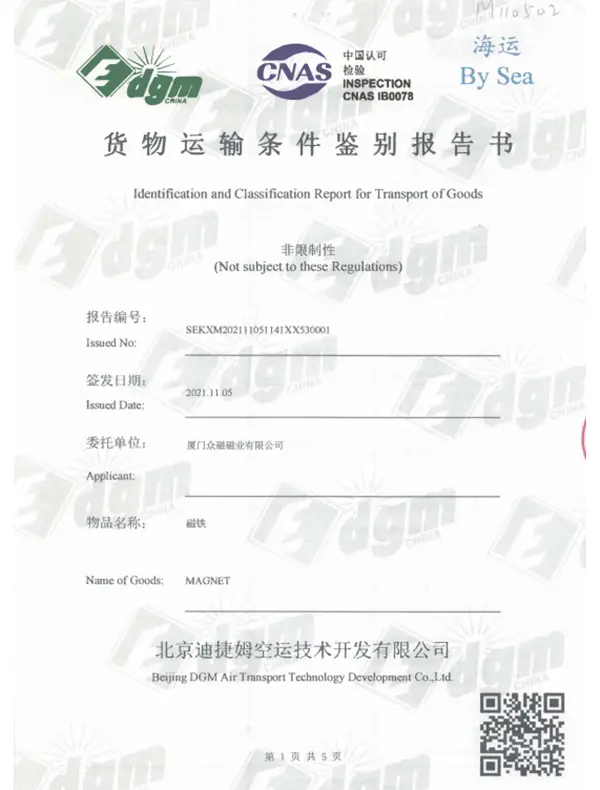
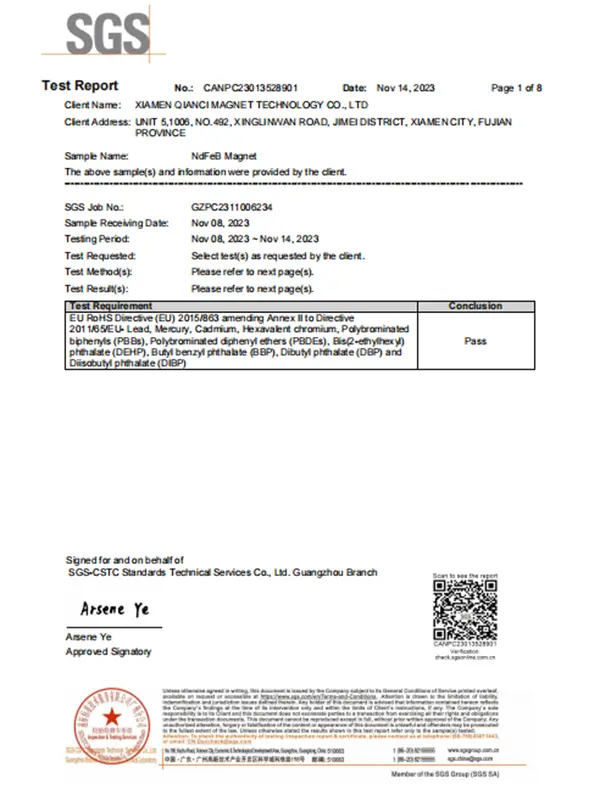
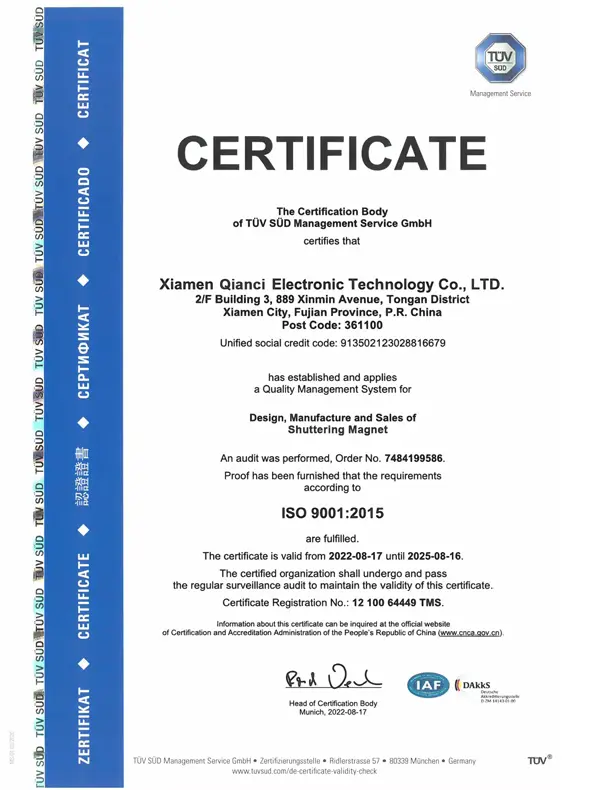
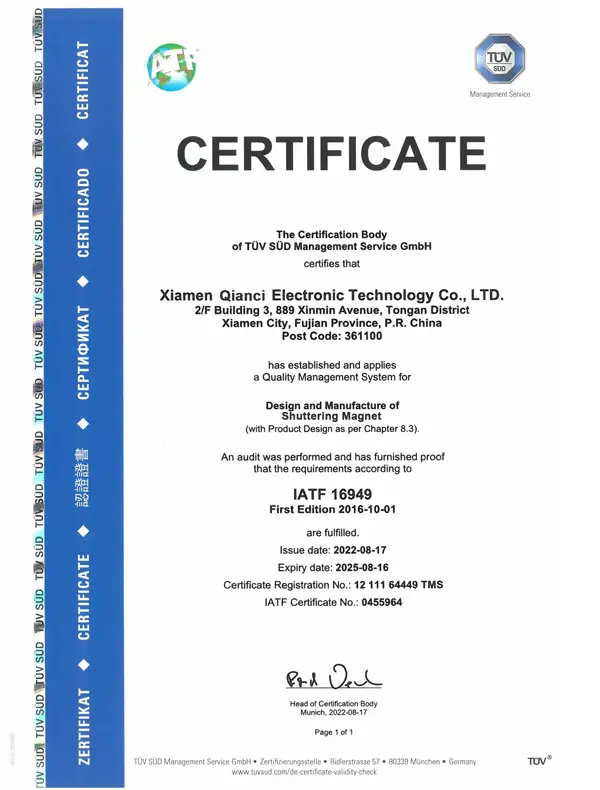
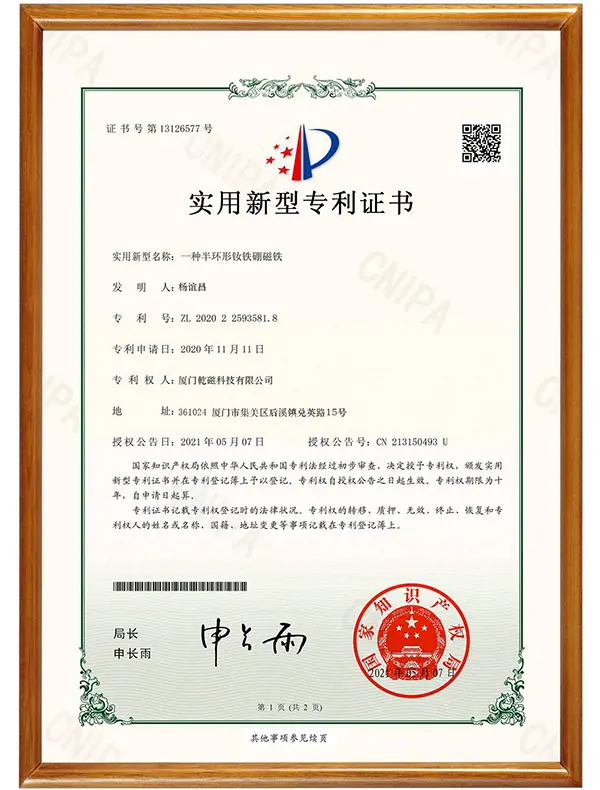
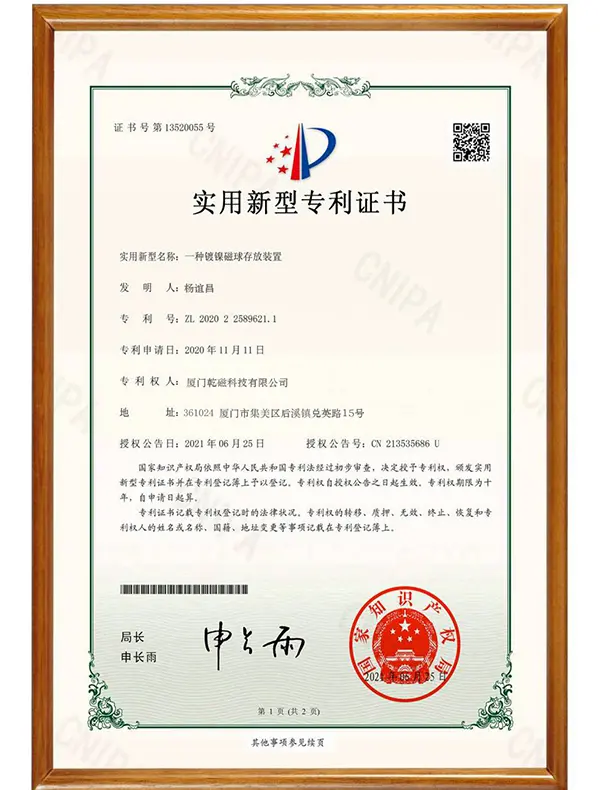
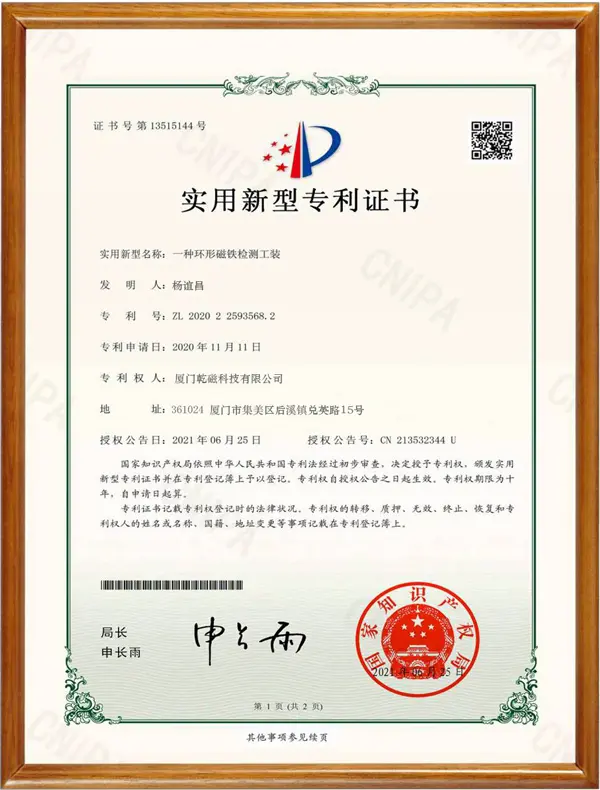
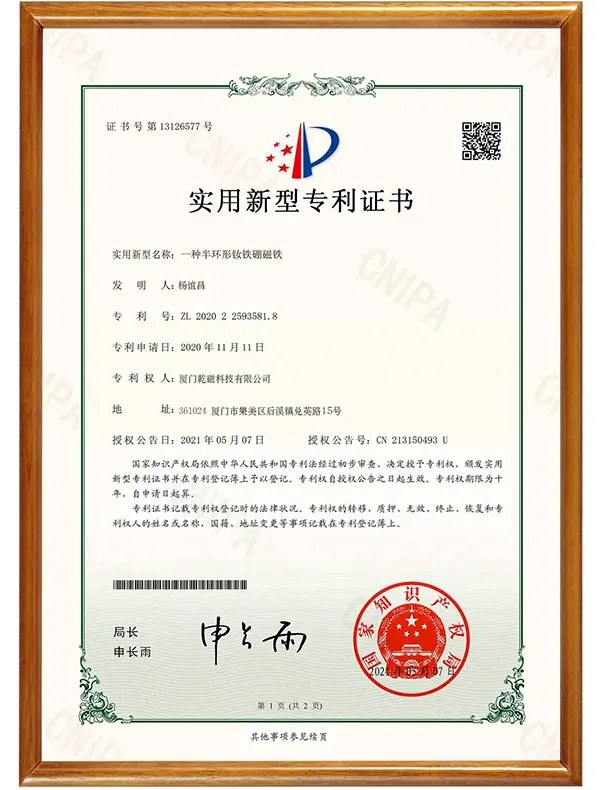
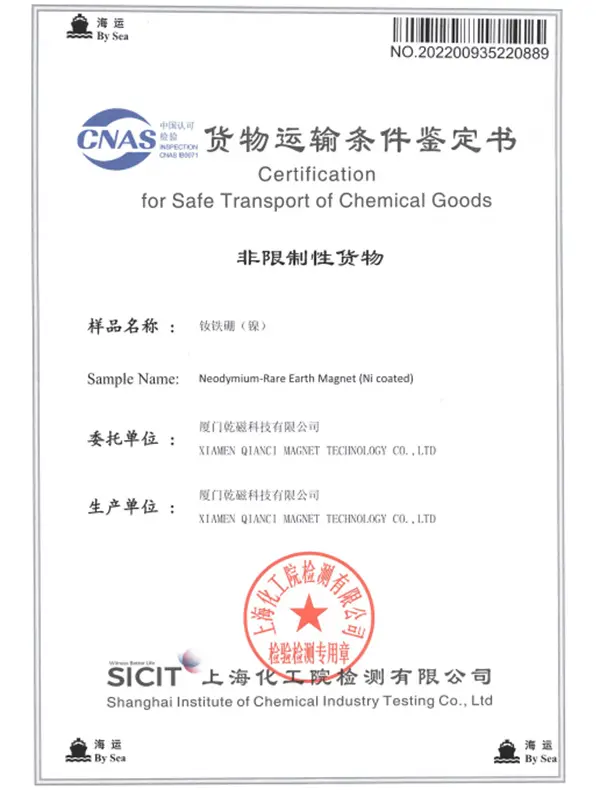
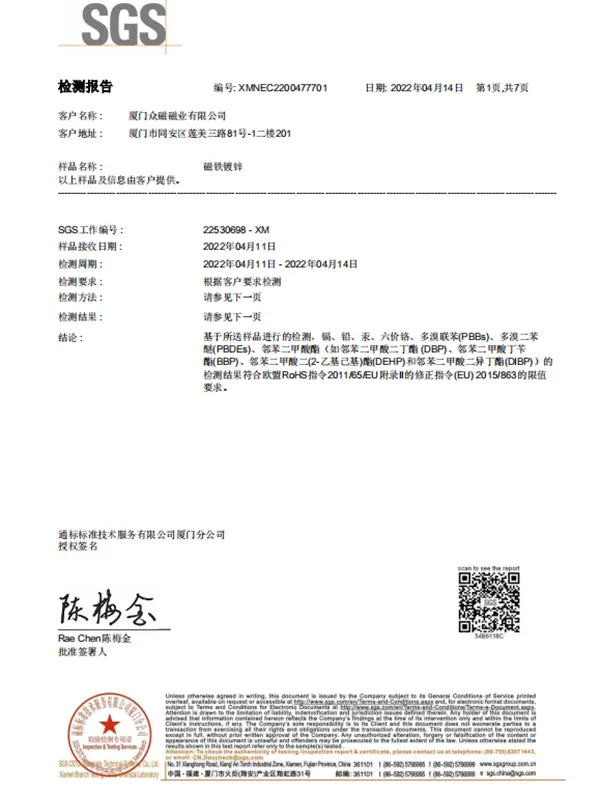
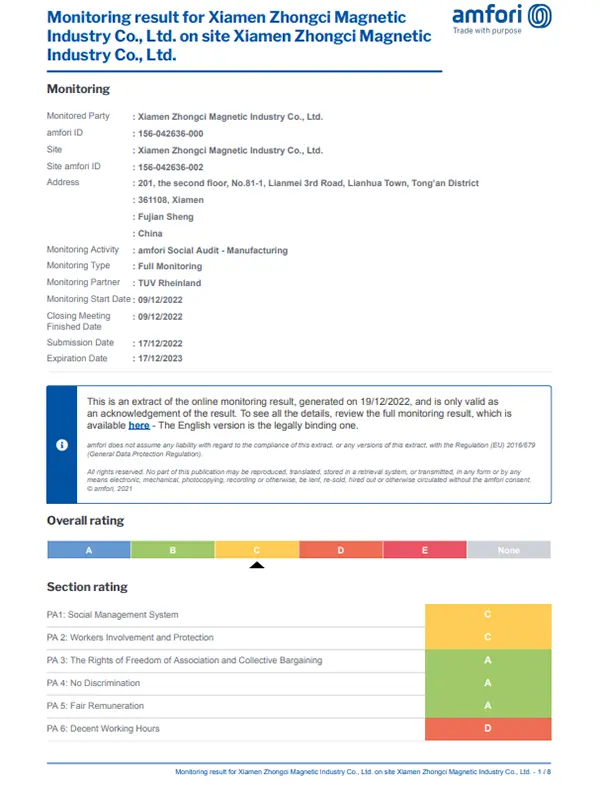
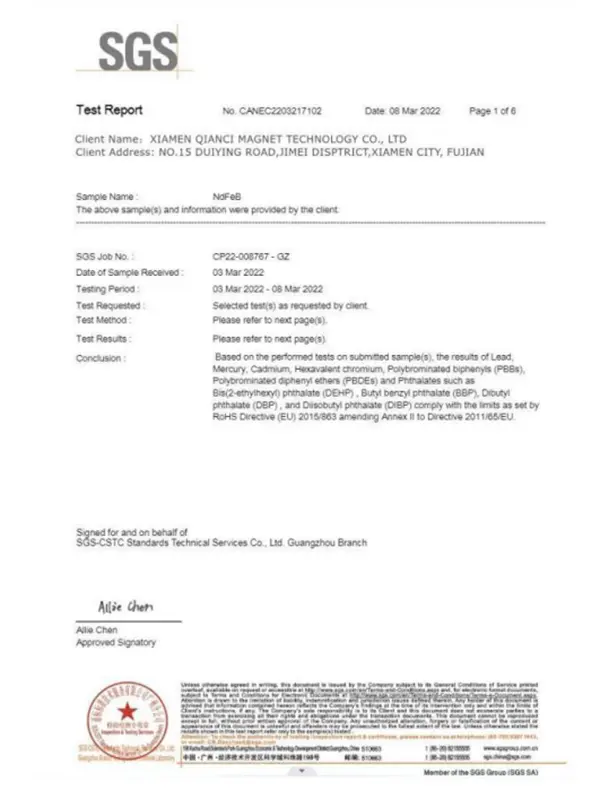
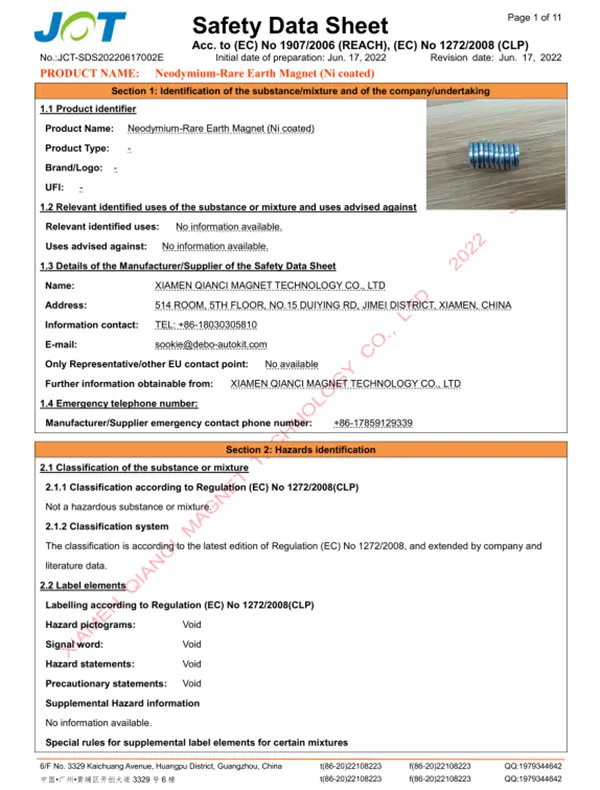
Conforming to international safety, environment, and quality management standards.
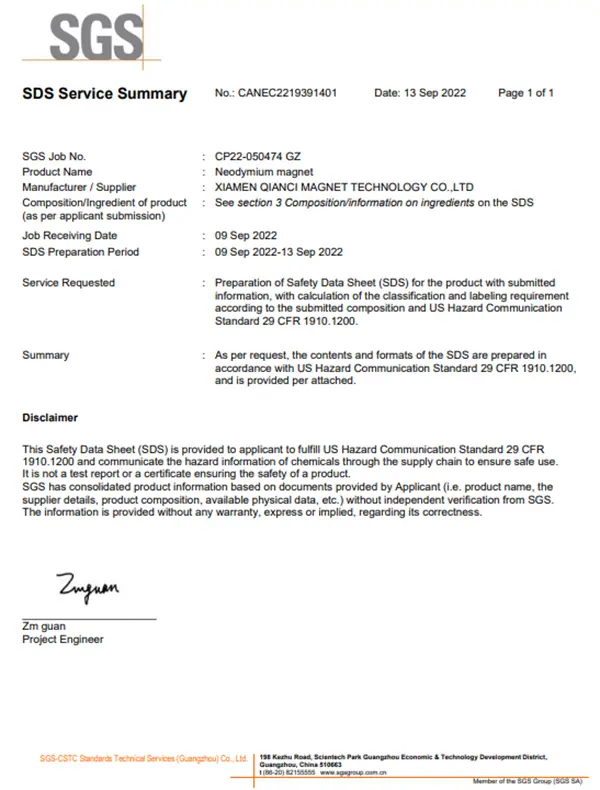
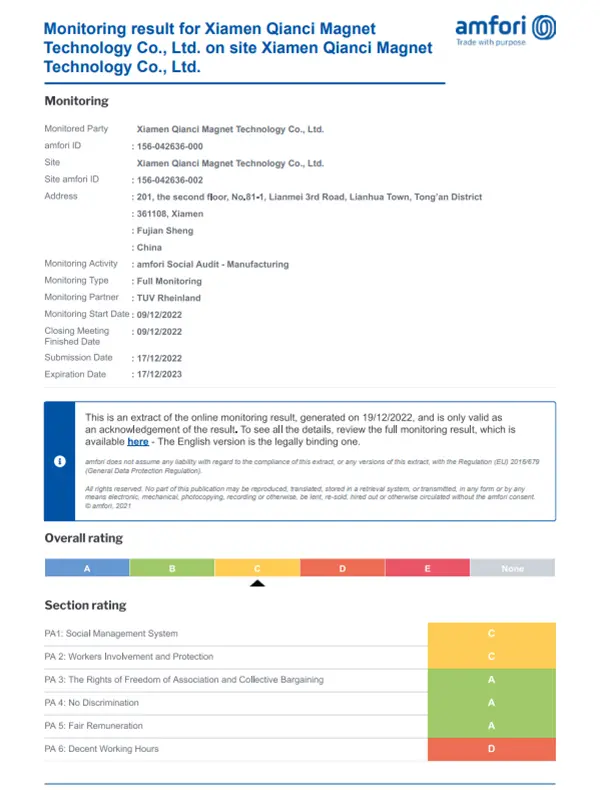
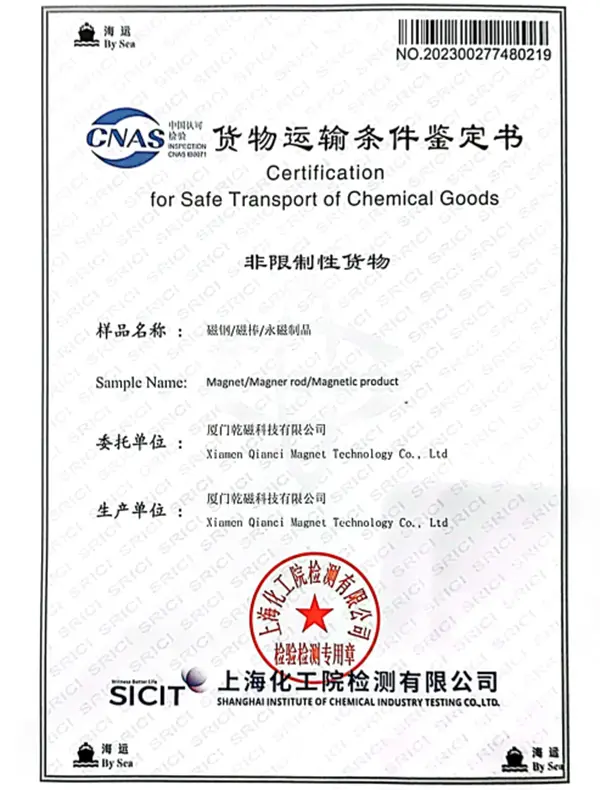
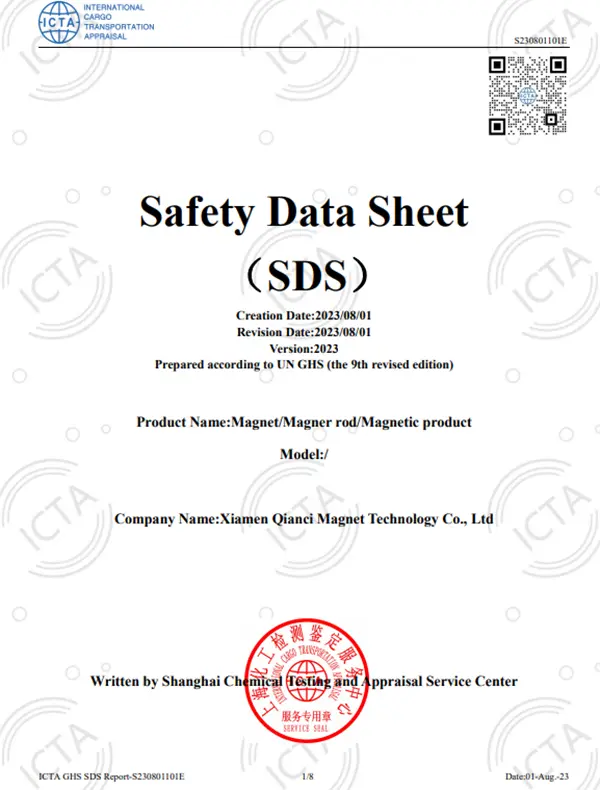
Stay informed with the latest updates from our research division and global industry exhibitions.
Precast concrete systems: Shuttering molds shape edges/openings on flat surfaces using magnetic fixation, while mold boxes hold entire structures. Selecting the right design is critical for dimensional precision.
Read Full Article
QCM, a global leader in magnetic components, will participate in UK Construction Week 2025. From May 7th to 9th, our team will showcase advanced precast concrete fixing solutions at Stand 34.
Read Full ArticleGet professional technical insights on sintered NdFeB systems directly from our engineering team.
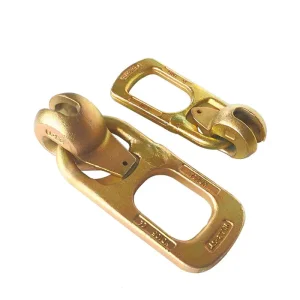
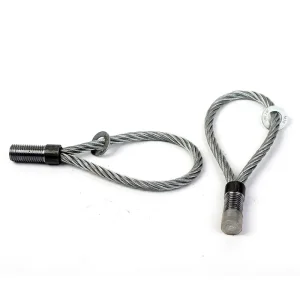
Providing high-precision components and durable lifting accessories for precast concrete plants worldwide.