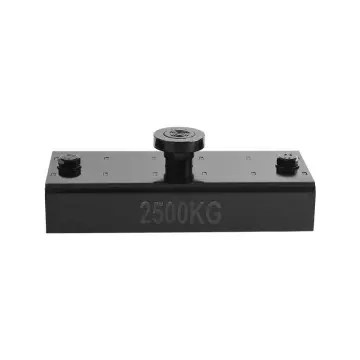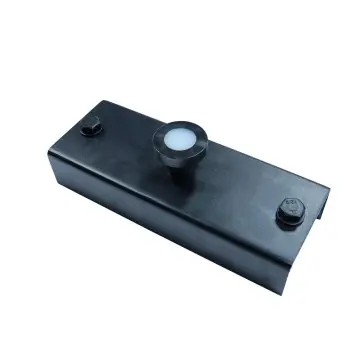
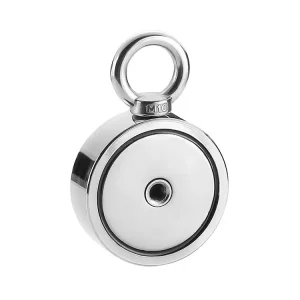
Explore our premium grade permanent magnetic systems engineered for extreme industrial performance, architectural casting, and recovery operations.
A Technical Whitepaper on Advanced Sintered Rare Earth Circuits and Modern Precast Concrete Integration
Historically, the term "natural magnet" referred exclusively to lodestone (magnetite, an iron oxide mineral). However, in modern industrial procurement and global supply chains, the semantic intent behind natural magnets has evolved. Today, international buyers, civil engineers, and OEM procurement managers use "natural magnet" to denote highly refined, raw permanent magnetic minerals processed into sintered Neodymium-Iron-Boron (NdFeB), Samarium Cobalt (SmCo), and hard barium/strontium Ferrite systems.
These advanced magnetic materials form the baseline of modern precast concrete manufacturing, automation tooling, and environmental recovery projects. Sintered NdFeB represents the pinnacle of modern magnetics, providing an unmatched energy product ($BH_{max}$ up to 52 MGOe). This allows industrial manufacturers like Qianci Magnet (QCM) to develop compact shuttering solutions that generate vertical clamping forces exceeding 2500 kg from components weighing less than 8 kg.
Three core technology paths driving industrial efficiency, thermal endurance, and mechanical longevity.
By arranging permanent magnets in a spatially rotating pattern, the magnetic field is augmented on one side of the array while cancelling the field to near-zero on the other. Essential for high-precision shuttering systems.
Utilizing high-grade SmCo (Samarium Cobalt) and high-coercivity NdFeB (UH/EH grades) allows our magnetic systems to operate in extreme environments up to 350°C without irreversible demagnetization.
Precast concrete sites expose magnets to moisture, cement dust, and release agents. Our specialized Ni-Cu-Ni, Epoxy, and Zinc coatings guarantee an extended service life under harsh, alkaline conditions.
Comprehensive pricing framework calculated against rare-earth indexes, magnetic performance metrics, and customization levels.
| Material Class | Common Industrial Grades | Holding Force Range | Max Operating Temp | Est. OEM Price Index (Per KG) | Primary Industrial Use Case |
|---|---|---|---|---|---|
| Sintered NdFeB (Neodymium) | N35 to N52, N38SH, N45UH | 500 kg - 3500 kg | 80°C - 180°C | $45.00 - $85.00 | Shuttering Magnets, Insert Fixings, High-Pull Fishing Tools |
| Samarium Cobalt (SmCo) | SmCo5, Sm2Co17 (26H - 32H) | 200 kg - 1500 kg | 250°C - 350°C | $90.00 - $150.00 | Aerospace Actuators, Deep-bore Drilling, Thermal Curing Systems |
| Hard Ferrite (Ceramic) | Y30, Y35, C5, C8 | 10 kg - 150 kg | 250°C | $4.50 - $9.00 | Low-cost Formwork Chamfers, holding jigs, magnetic scrap separators |
| AlNiCo Alloys | AlNiCo 5, AlNiCo 9 | 50 kg - 300 kg | 450°C - 550°C | $35.00 - $70.00 | Sensors, high-temperature calibration rigs, metallurgical holding |
*Note on Pricing Fluctuations: The pricing indices listed above serve as a baseline framework. Because permanent magnets are composed of critical rare earth elements such as Neodymium (Nd), Praseodymium (Pr), Dysprosium (Dy), and Cobalt (Co), raw material markets fluctuate weekly. OEM contracts with QCM Magnet often include hedging agreements or long-term raw material supply contracts to insulate large-scale civil engineering projects from price volatility.
How Strategic Industrial Clustering Safeguards Global Infrastructure Timelines
China controls over 70% of global rare earth extraction and more than 85% of refining capacities. As an OEM manufacturer located in this industrial epicentre, Qianci Magnet (QCM) gains access to high-purity rare-earth oxides without intercontinental transit delays. This geographic integration secures a highly stable raw material pipeline, eliminating the supply-chain bottlenecks commonly experienced by Western fabricators.
Our facility runs an integrated operation: from raw material alloying and vacuum induction melting (VIM) to powder milling, magnetic field pressing, sintering, and post-machining. This complete control over the production loop eliminates markup fees from external processors, allowing QCM to pass cost advantages down to precast yards, builders, and wholesalers.
Our quality assurance program is backed by state-of-the-art testing equipment, including industrial hysteresisgraphs, 3D laser scanners for dimension accuracy, and salt spray chambers for coating evaluation. Each batch of shuttering boxes and insert anchors is accompanied by pull-force certificates, verifying compliance with international building and safety standards.
Video Tour: Inside QCM Magnet's automated production facility, showcasing high-volume production of magnetic concrete formwork systems.
Proven operational metrics across residential, commercial, and heavy civil construction projects globally.
Bridging the gap between materials science and local engineering specifications.
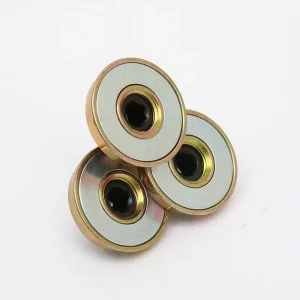
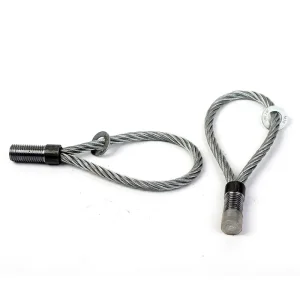
Modern precast concrete production is highly regulated. In Germany and Central Europe, precast factories utilize automated shuttering robots that require exact tolerance profiles (+/-0.2mm) on magnetic boxes. QCM's 2100kg magnetic systems are built with specialized release mechanisms designed for automatic picking arms. In the North American market, our wire rope thread lifting loops and socket fixing magnets comply with ASTM A370 and OSHA safety design factors, ensuring safe lifting of structural precast panels.
The global demand for high-strength permanent magnets is driven by electrification and green construction. The precast concrete method reduces on-site carbon emissions by up to 25% compared to cast-in-situ concrete. Because magnetic fixing devices are 100% reusable and replace destructive steel welding/bolting on steel casting beds, they are recognized as a core component of sustainable building certification programs (such as LEED and BREEAM).
As industry shifts toward Industry 4.0, QCM is researching "Smart Shuttering Systems" featuring embedded RFID and force-sensor chips. These integrations monitor the exact holding pressure of the magnet during vibration and curing cycles, sending wireless alerts if any displacement occurs. Additionally, we are actively improving the sustainability of our operations by incorporating up to 20% recycled NdFeB in industrial-grade holding magnets, reducing the overall carbon footprint of our rare-earth extraction cycles.
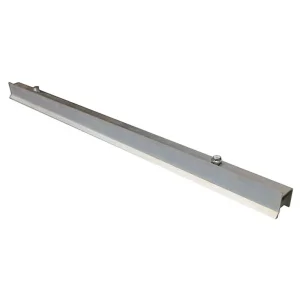
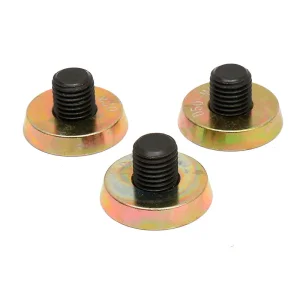
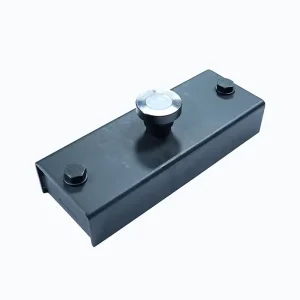
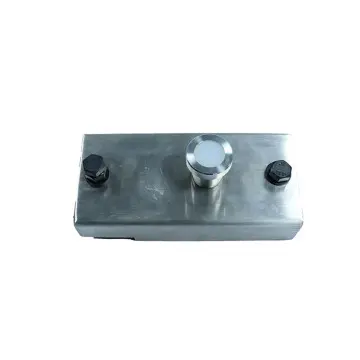
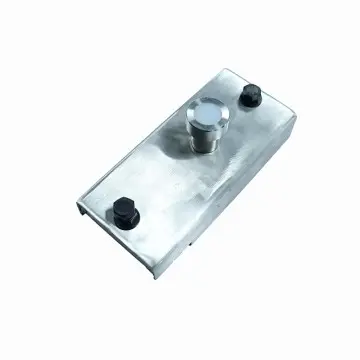
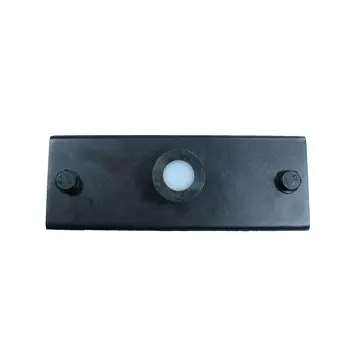
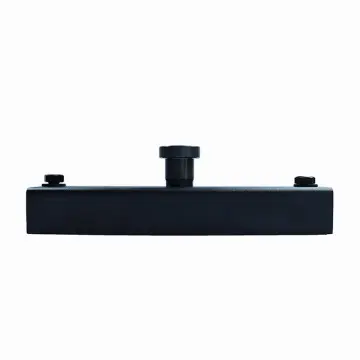
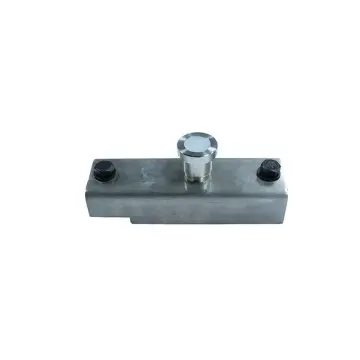
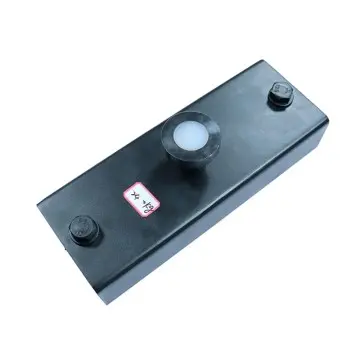
Industry-standard magnetic boxes and fixing components designed for precast beds and structural casting tables.
Technical answers to the most common questions regarding permanent industrial magnet specification, pricing, and maintenance.