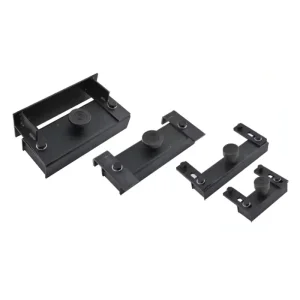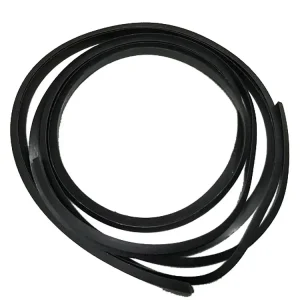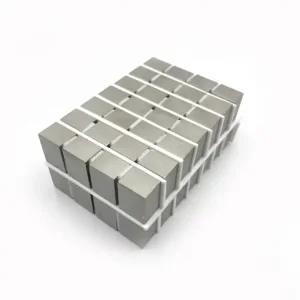
Explore our top-performing range of industrial magnetic assemblies, customized NdFeB magnets, and heavy-duty precast shuttering magnets engineered for extreme hold strength.
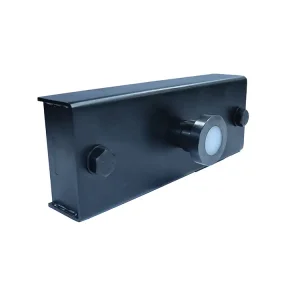
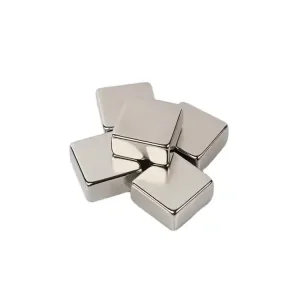
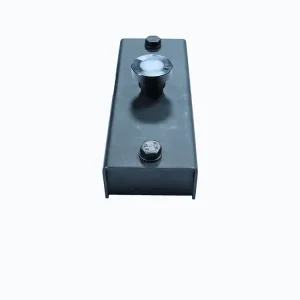
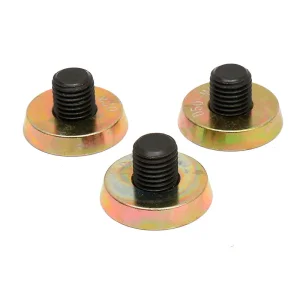
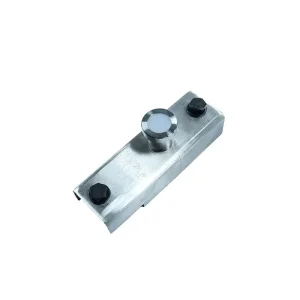
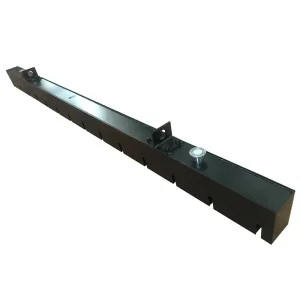
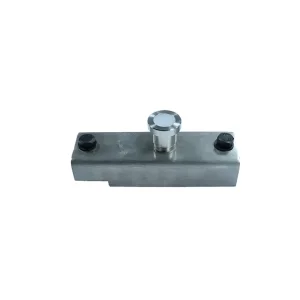
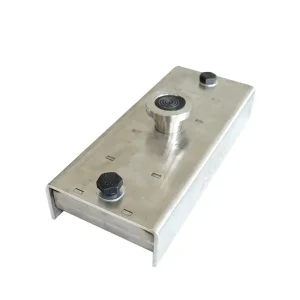
In modern industrial engineering, the demand for powerful magnet products has escalated due to the requirements of high-density energy conversion, precision robotics, and advanced precast construction. The core of this power lies in rare earth permanent magnets, specifically Sintered Neodymium-Iron-Boron (NdFeB) and Samarium Cobalt (SmCo). These materials provide magnetic energy densities ($(BH)_{max}$) exceeding 50 MGOe, enabling engineers to design highly compact mechanisms with superior holding capacities.
Choosing the correct magnet product goes far beyond standard magnetic force calculations. It requires a detailed analysis of metallurgical properties, demagnetization curves, and ambient conditions. Procurement managers must analyze three fundamental parameters: Remanence ($B_r$), which dictates the residual induction of the material; Coercivity ($H_c$), determining the resistance to demagnetization; and the Temperature Coefficient of Remanence ($\alpha B_r$), ensuring stability in thermal environments.
Sintered NdFeB is the strongest magnet material commercially available, ideal for high-impact applications like precast shuttering magnets and powerful block magnets. However, for extreme heat profiles (exceeding 150°C to 200°C), SmCo is often selected due to its excellent thermal stability and exceptional corrosion resistance without the need for plating. Qianci Magnet’s radial Samarium Cobalt alloys maintain their magnetic properties up to 350°C, filling a critical gap in aerospace, sensor, and deep-well drilling operations.
For international buyers, setting up a stable manufacturing channel requires a supplier with deep vertical integration. China controls more than 70% of the global rare-earth mining and refining supply chain. By sourcing directly from a vertically integrated factory like Qianci Magnet, buyers bypass middleman markups, gain direct oversight of metallurgical testing, and drastically reduce delivery times.
Vertical integration means raw alloys, high-vacuum induction melting, crushing, jet milling, magnetic field orientation pressing, and sintering occur under one roof. Automated CNC grinding, EDM wire slicing, and multi-stage surface treatments (like passivation, chemical nickel plating, and rubber-coated encapsulation) are fully controlled. This guarantees consistency across high-volume runs, keeping structural defects and dimensions well within narrow design margins (e.g., +/- 0.05 mm).
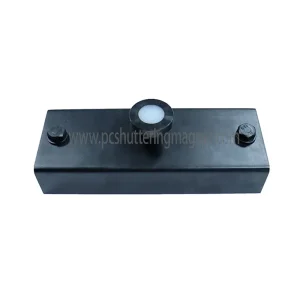
Precast shuttering magnets (such as 2100kg magnetic boxes or 5300 lbs shuttering systems) are standard tools in industrialized green construction. In precast yards, structural concrete components (walls, beams, columns) are cast on high-precision steel forms. Securely anchoring wood, carbon steel, or stainless steel profiles is critical. Traditionally, formwork was welded or bolted directly to platforms, destroying the expensive steel surface and shortening its lifespan.
Magnetic shuttering blocks fix these forms with intense shear and holding strength, releasing with the press of an integrated lever button. This technique eliminates surface damage to casting platforms, reduces mold assembly and disassembly labor by up to 70%, and makes the fixing mechanisms fully reusable across hundreds of casting cycles.
Large infrastructure developers, automation contractors, and industrial distributors look for reliable technical alignment and certified quality over simple price points.
Modern design processes rely on Finite Element Analysis (FEA) to verify magnetic flux lines and avoid stray fields. When procuring magnetic components (like recess formers, socket magnets, or block magnets), engineering departments require exact performance curves. Dimensional consistency is essential for auto-positioning robotic shuttering handlers (such as those from Sommer or Weckenmann) to grab, place, and release magnets without mechanical issues.
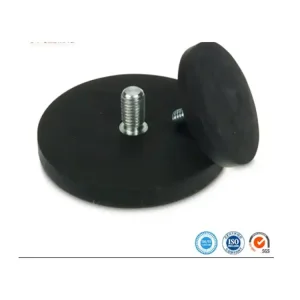
Precast yards are demanding environments containing abrasive concrete mixtures, alkaline wash water, and high relative humidity. Unprotected Neodymium magnets corrode rapidly, leading to mechanical expansion, cracking, and magnetic degradation. Strong shuttering magnets must be enclosed in carbon steel cases with heavy-duty anti-corrosion platings, or encased in stainless steel shells welded to prevent moisture ingress. Rubber-coated pot magnets protect delicate finishes while remaining highly resistant to shearing forces.
During concrete vibration, formwork is subjected to high dynamic forces. Shuttering magnets must deliver high shear resistance, preventing horizontal shifting. At Qianci Magnet, every batch undergoes shear and vertical tensile force testing on dedicated calibrated hydraulic test benches, ensuring each 2100kg magnet meets or exceeds its rated holding specifications under real-world vibration stresses.
Premium grade precast concrete shuttering magnets and heavy-duty fixing blocks designed for maximum industrial load efficiency.
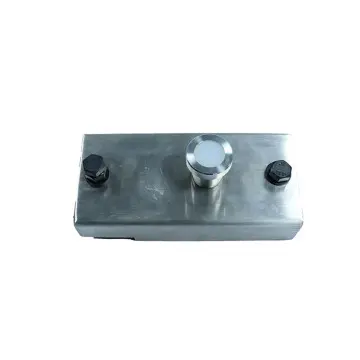
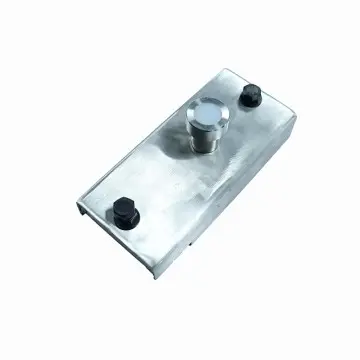
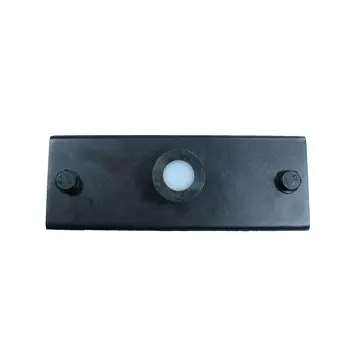
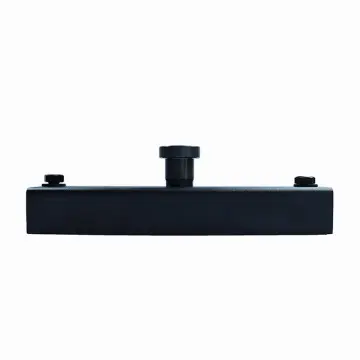
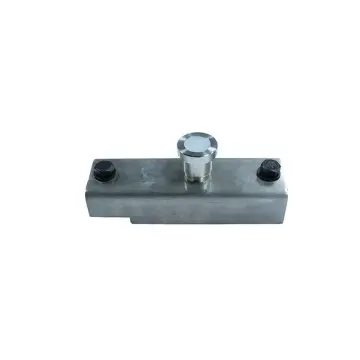
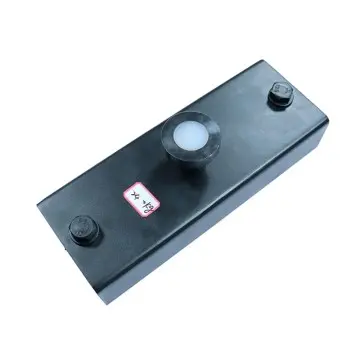
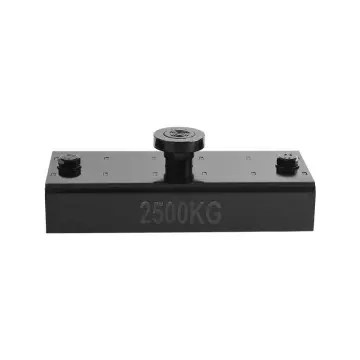
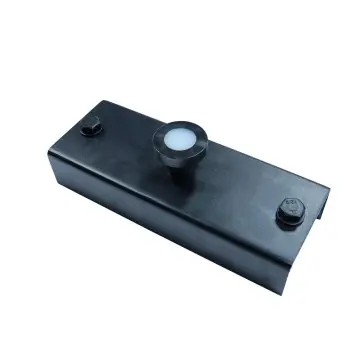
Industrial magnets are used in diverse applications, each presenting its own set of mechanical demands and ambient environments:
In European and Asian automated precast plants, magnetic systems are placed on steel tilt-tables via crane or robotic hand. These structures secure window frames, chamfers, and electric boxes, maintaining square, tight corner joints without drilling holes in casting platforms.
Prefabricated Prefinished Volumetric Construction (PPVC) requires three-dimensional steel casting molds. Highly specialized structural corner shuttering magnets are used to withstand high concrete pressure and dense rebar spacing, ensuring straight edges and clean openings.
Accelerated curing processes often place wet concrete assemblies inside curing chambers at temperatures between 60°C and 80°C. For these environments, custom high-coercivity NdFeB magnets (H, SH, or UH grade) or Samarium Cobalt systems are required to prevent thermal demagnetization.
Explore our newest developments in high-durability magnetic housing, modular adapter boxes, and next-generation precast shuttering designs.
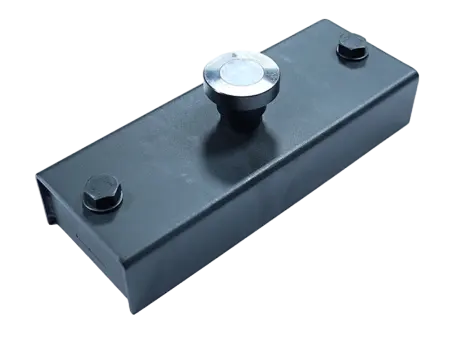
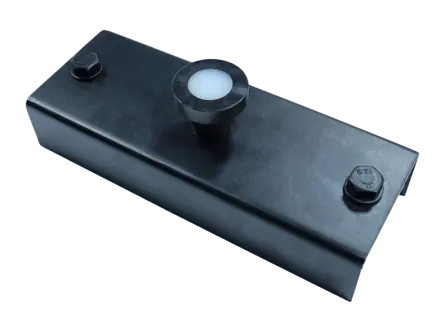
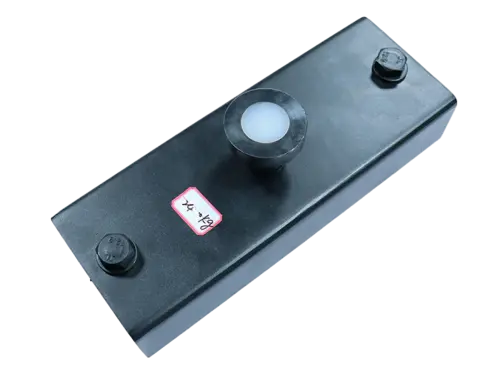
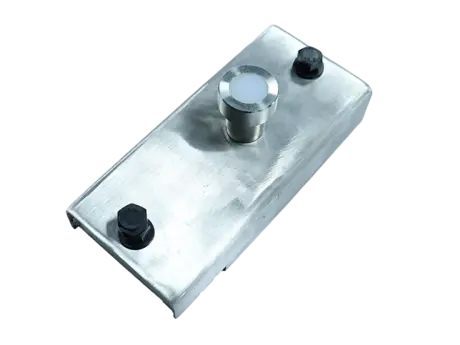
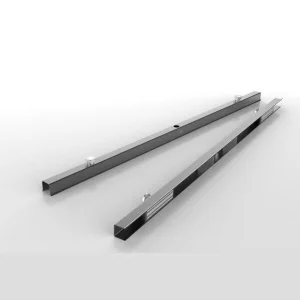
QCM Magnet specializes in offering complete magnetic fixing solutions for the production of precast concrete components. Our primary products include Shuttering Magnets and their corresponding accessories, Formwork Magnets, Magnetic Chamfering Strips, and various pre-embedded insert magnets. Utilizing magnetic fixing in precast concrete component production prevents damage to the platform, enhances work efficiency, reduces labor costs, and promotes economic efficiency as the magnetic fixing devices are reusable.
Using our expertise in magnetic components and our extensive experience in supporting the production of precast components, we have developed numerous new and practical magnetic fixing products. Our products come with complete specifications, excellent quality, ease of operation, and long service life. Additionally, we can promptly customize a variety of magnetic fixing parts to meet the diverse needs of our customers.
We are willing to share our expertise with you to help you solve your specific application needs for magnetic components.

Qianci Magnet is a strong magnetic component factory, specializing in the production and research and development of formwork magnets, magnetic formwork, insert magnets, magnetic concrete chamferers and other products.

Our business mainly involves precast concrete magnetic system solutions, helping you to better carry out concrete element production.

Become a leading global manufacturer and excellent service provider of magnetic solutions for the precast concrete industry.
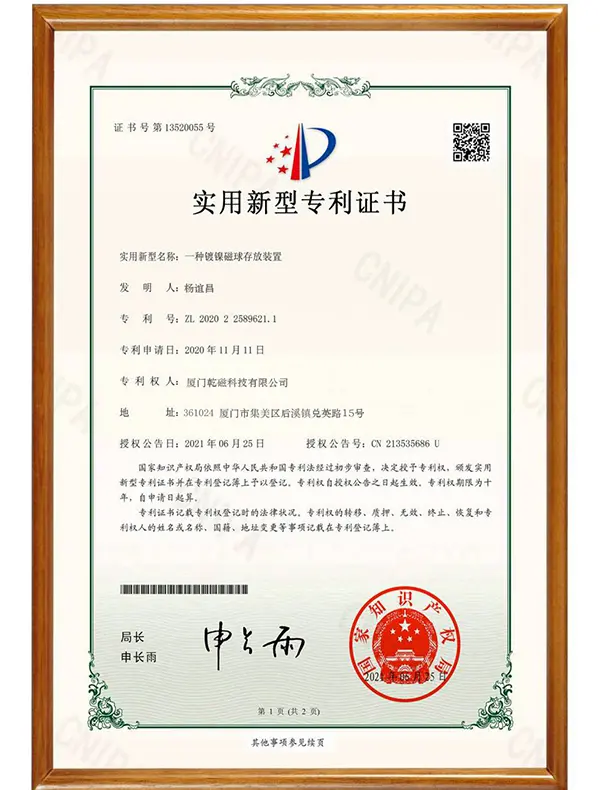
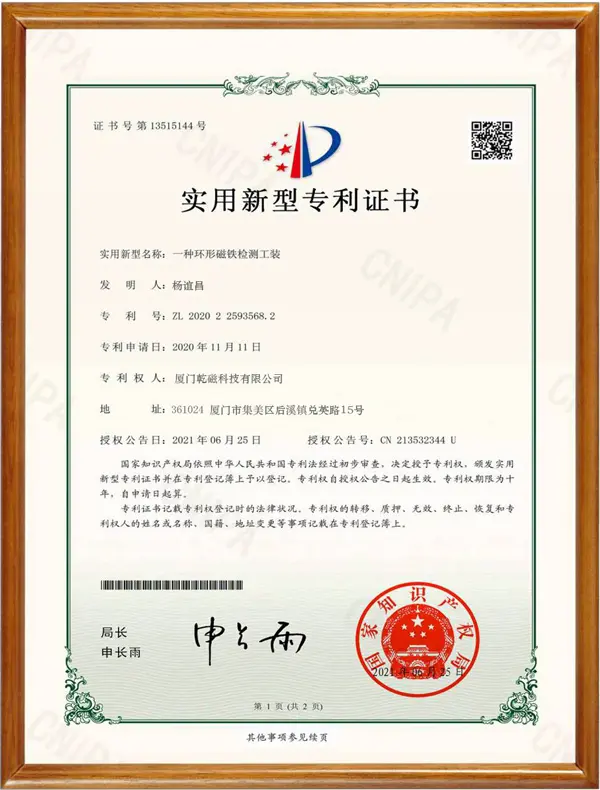
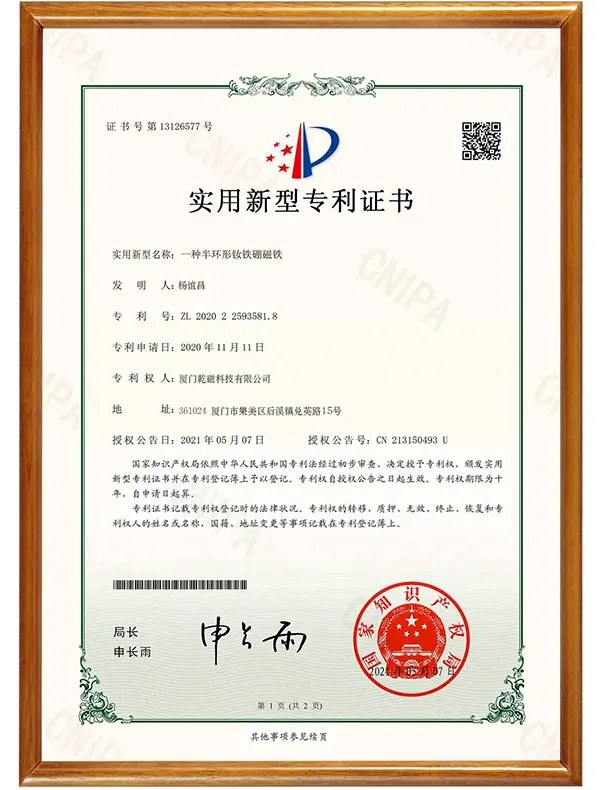
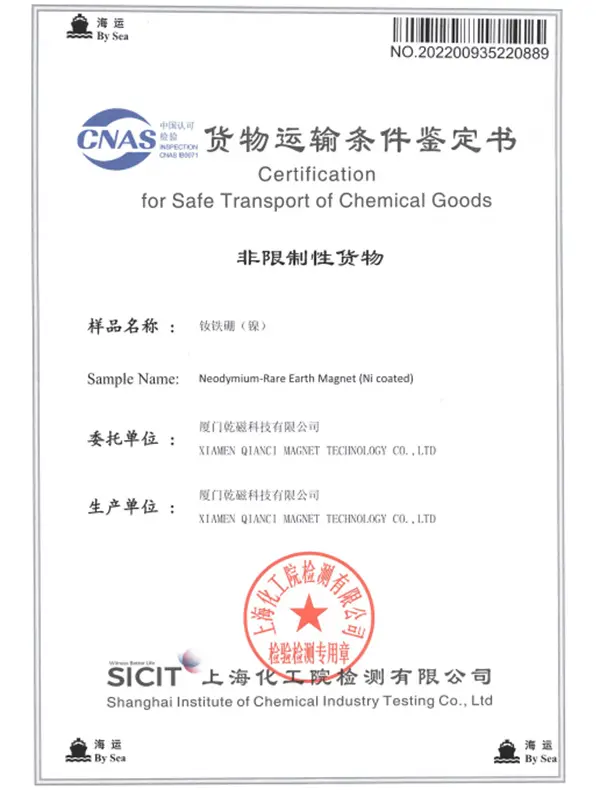
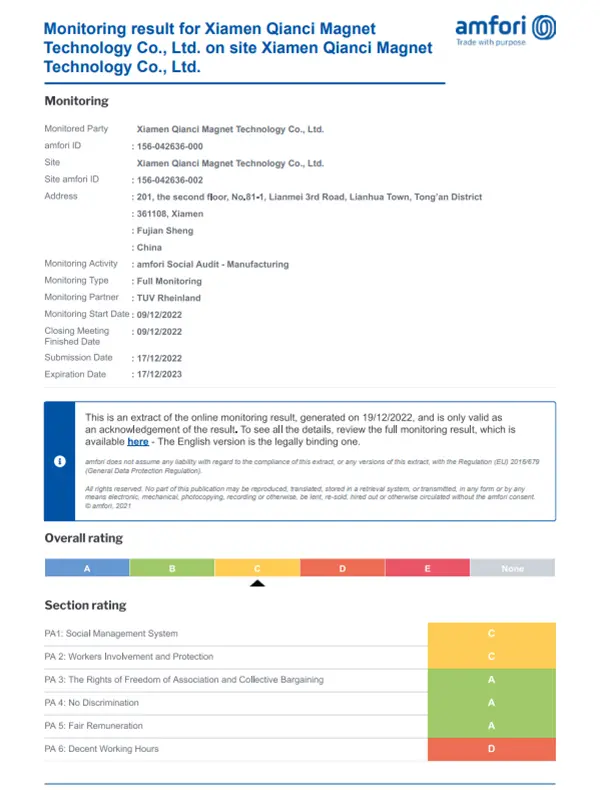
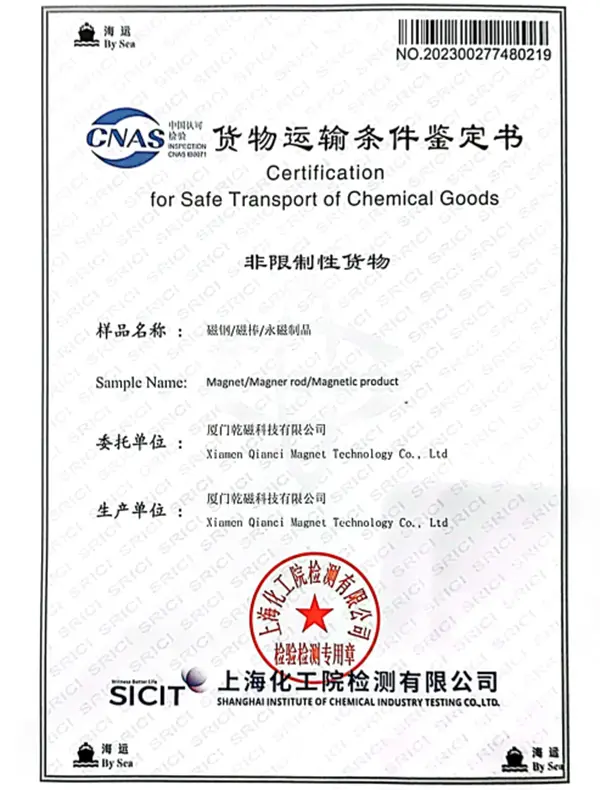
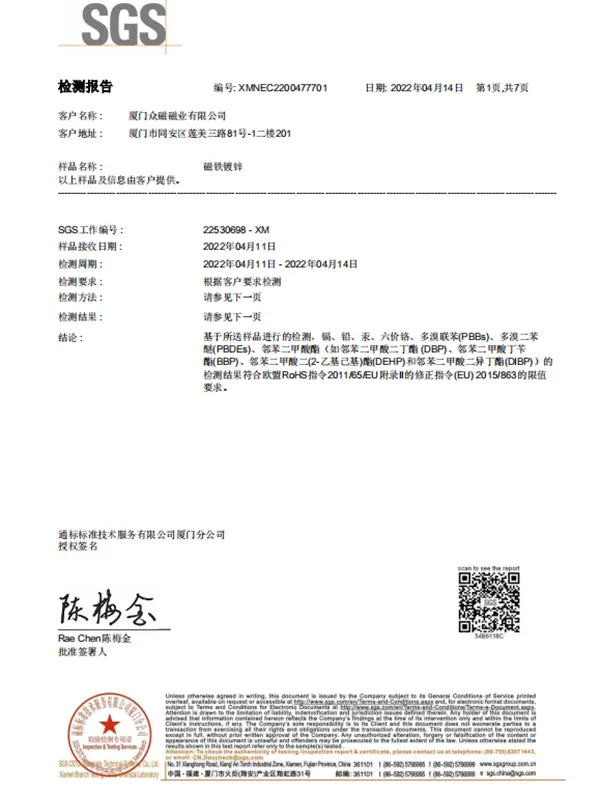
Compliance is the cornerstone of our engineering. We maintain rigorous test protocols to comply with global safety and performance benchmarks.


The industrial magnet industry is changing rapidly, driven by automation, material sciences, and environmental standards:
Find answers to common engineering questions regarding the application, maintenance, and specification of high-power industrial magnets.
The holding force (e.g., 1000 kg or 2100 kg) is measured on clean, flat, and thick structural steel plates (minimum 20mm thickness). Air gaps, scale, concrete slurry build-up, and steel plate thickness under 15mm will reduce the effective magnetic force significantly. Shear forces are typically 20-30% of the vertical holding capacity.
Industrial magnets experience demagnetization if subjected to temperatures exceeding their maximum operating threshold (standard grades are rated to 80°C; SH grades to 150°C; UH to 180°C). Exposure to strong external magnetic fields or structural cracking from physical impacts can also cause loss of field strength. Using protective carbon steel housings protects the inner cores from impact damage.
Stainless steel shells provide excellent resistance to oxidation, rust, and chemical corrosion in highly wet precast yards. Carbon steel is stronger, but requires zinc, nickel, or polyurethane coatings to prevent rust and degradation from moisture exposure.
Ensure the contact face of the magnetic block remains clean, flat, and free of dry concrete residue. Use a wire brush or scraper to clean the surface, and periodically apply industrial oil or WD-40 to prevent surface rust on carbon steel components.
Stay informed about global trade shows, technical developments, and our latest product releases.
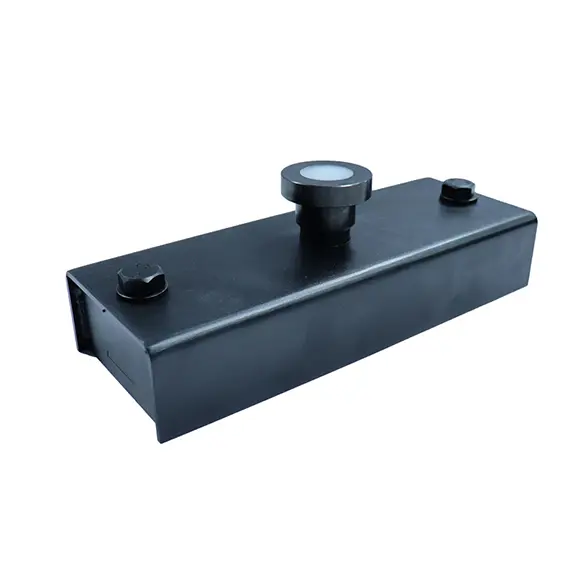
Precast concrete systems: Shuttering molds shape edges and openings on flat surfaces using magnetic fixation, while mold systems secure larger profiles...

QCM, a global leader in magnetic components, will participate in UK Construction Week 2025. From May 7th to 9th, our team will showcase advanced magnetic fixings...
Explore our highly customized SmCo permanent magnets, rubber-coated pot magnets, recess formers, and custom magnetic chamfers.