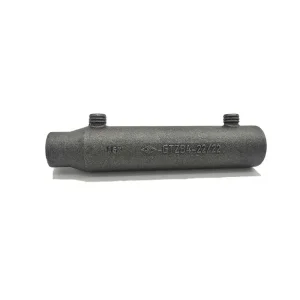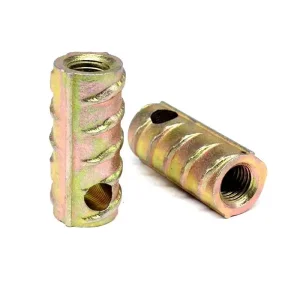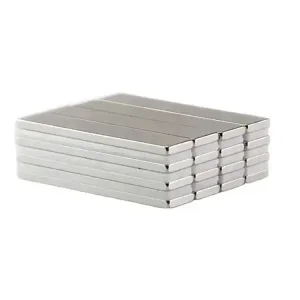
Ferrule inserts serve as critical structural anchors within precast concrete systems, bridging the gap between raw concrete matrices and dynamic steel fixtures. As civil projects demand higher safety parameters, the technological execution of these small thread systems becomes paramount. Selecting the correct ferrule inserts is no longer merely a dimensional choice; it involves complex evaluations of material science, stress distribution, anti-corrosion barriers, and automated installation methodologies.
The operational limits of ferrule inserts are governed by the mechanical properties of their raw alloys. The choice between low-carbon steel, alloy steel, and stainless steel dictates performance under fatigue, ambient chemical aggression, and peak load distributions.
| Material Type | Yield Strength (Min) | Tensile Strength (Min) | Primary Environmental Application |
|---|---|---|---|
| Grade 5.8 Carbon Steel | 400 MPa | 500 MPa | Dry indoor environments, temporary fixtures |
| Grade 8.8 Alloy Steel | 640 MPa | 800 MPa | Structural joints, dynamic wind loads |
| 304 (A2) Stainless Steel | 210 MPa | 500-700 MPa | General outdoor construction, urban humidity |
| 316 (A4) Stainless Steel | 220 MPa | 500-800 MPa | Marine offshore, chemical plants, wastewater |
Due to the alkaline environment inside concrete and potential exposure to moisture, carbon steel ferrule inserts require heavy-duty surface protection. The most common treatments include zinc plating, hot-dip galvanizing (HDG), and sherardizing. HDG remains the benchmark for outdoor structures, offering a thick zinc-iron alloy barrier that provides decades of sacrificial protection against oxidation.
Heavy-duty ferrule inserts anchor overhead electrical catenary systems, signal equipment, and acoustic barriers on highway retaining walls. These connections withstand vibration and cyclical wind loads.
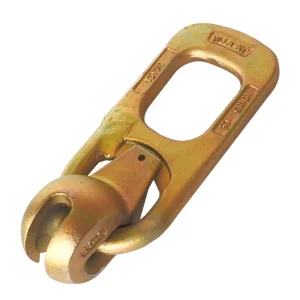
Onshore and offshore wind energy towers rely on deep-embedded structural anchor rings. Heavy-duty threaded socket inserts transfer stress from tower flanges directly into structural concrete bases.
In Prefabricated Prefinished Volumetric Construction, dimensional precision is critical. High-accuracy ferrule inserts enable fast alignment and tensioning of multi-module joints.
In modern manufacturing, global buyers seek more than just low-cost parts. Reliability, responsiveness, and consistent quality are critical. QCM Magnet's advanced production facility incorporates Industry 4.0 practices to deliver reliable structural concrete accessories and magnetic components.
By shifting from traditional lathe turning to multi-station cold forging, QCM achieves significant efficiency and material grain alignment. Cold forging increases the tensile strength of the insert body by hardening the steel structure, and it eliminates the micro-cracks common in machined components. Our automated lines produce components within strict dimensional tolerances, ensuring reliable thread engagement.
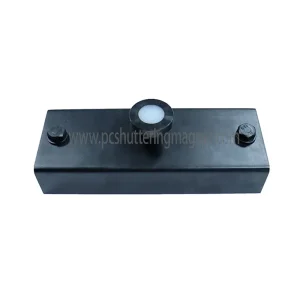
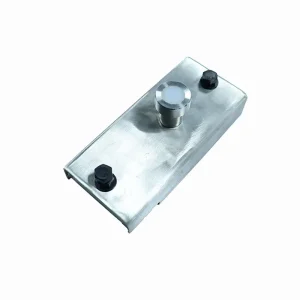
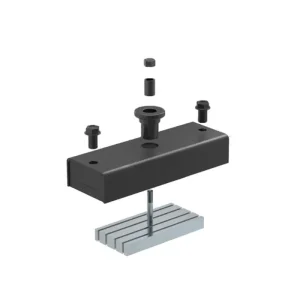
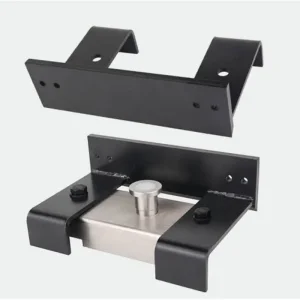
QCM's core advantage lies in our deep understanding of industrial magnetic fields. By combining structural steel ferrule inserts with custom magnetic socket profiles, we supply integrated solutions that eliminate the need to drill into the precast steel casting beds. The magnetic shuttering systems hold the inserts firmly in position during wet concrete casting and vibration, and they release easily once curing is complete.
Located near the key maritime logistics hubs of Ningbo and Shanghai, our factory ensures efficient, predictable shipping schedules. We maintain deep agreements with domestic steel mills to secure high-quality raw alloy wire rods, ensuring cost stability even during periods of global market fluctuation.
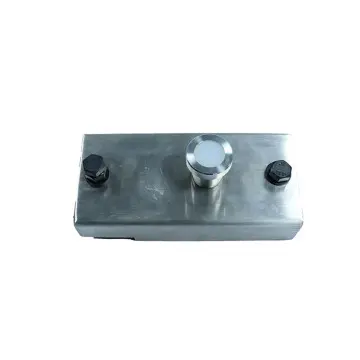
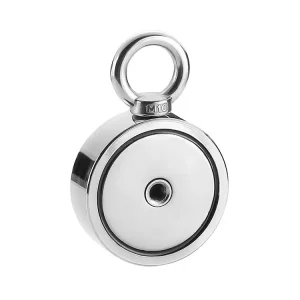
Reliable clamping force for architectural panel formwork.
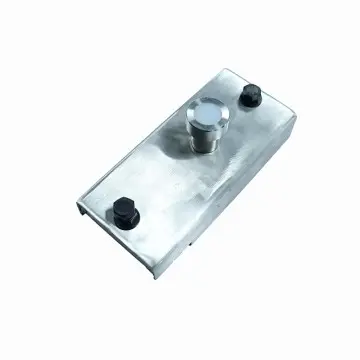
Widely used for anchoring side molds on flat concrete surfaces.
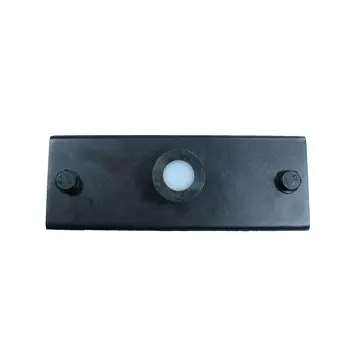
High-grade carbon steel construction with strong clamping force.
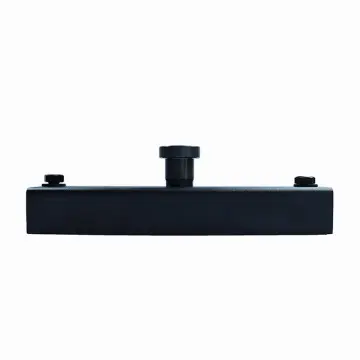
Compact form factor for thin wall panel production.
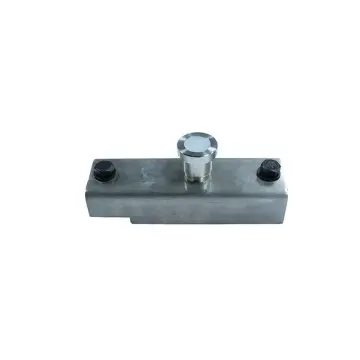
Versatile magnetic system for quick setups.
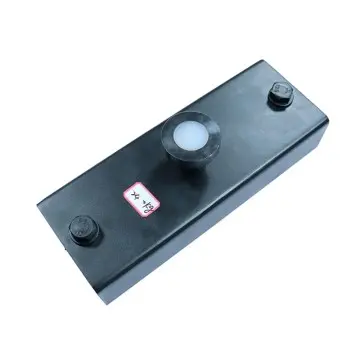
High-holding force for heavy structural precast casting.
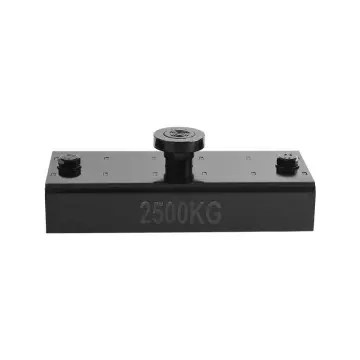
Strong magnetic fixation system for precast element edges.
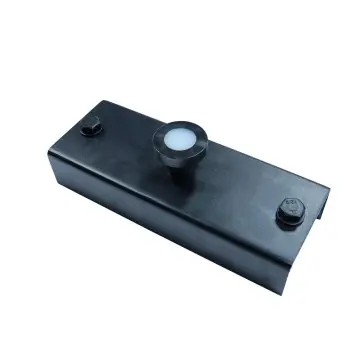
Durable carbon steel housing with high magnetic hold.
Global procurement teams must balance unit costs with structural safety metrics. Specifying structural ferrule inserts requires close coordination between procurement managers and design engineers.
A minor mismatch between metric (M) and imperial (UNC/UNF) threads can lead to thread stripping or reduced load capacities on site. Ensure that all manufacturing drawings specify thread pitch, depth, and standards (e.g., ISO 965 or ANSI/ASME B1.1).
Always query suppliers regarding their testing parameters. Inserts must have a clearly stated safety margin, typically a 3:1 ratio for static connections and a 5:1 ratio for lifting elements. Ensure that your design calculations account for both tension (pull-out) and shear (transverse) force distributions.
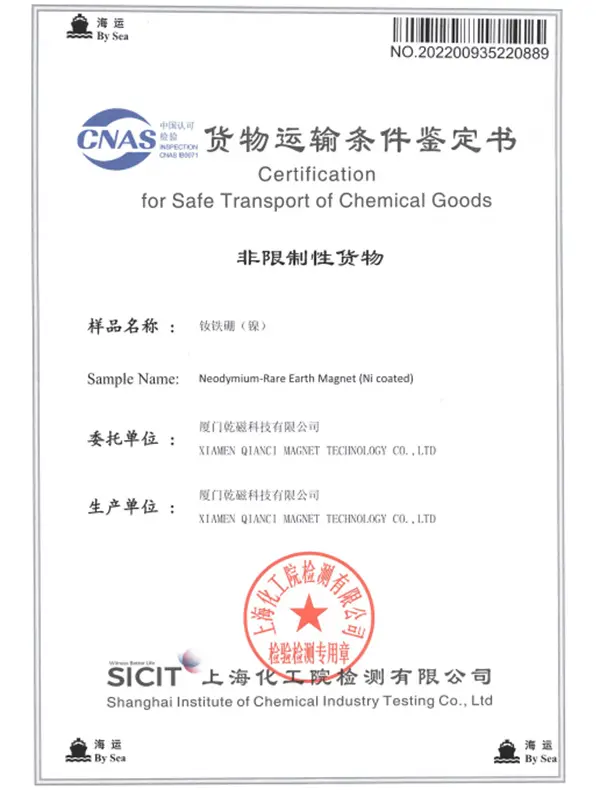
Never bypass material certificates. Structural projects require raw material mill certificates to verify yield strength, chemistry, and heat treatment batches. QCM provides EN 10204 3.1 certification with every delivery to ensure traceable compliance.
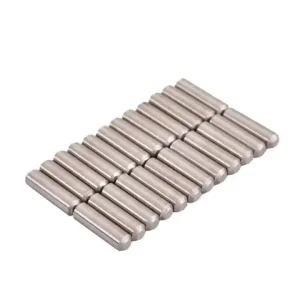
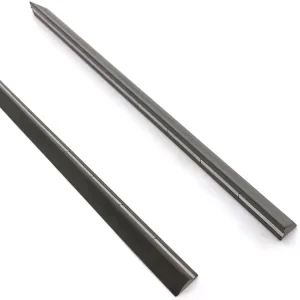
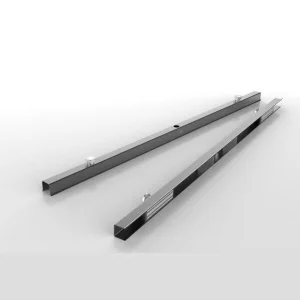
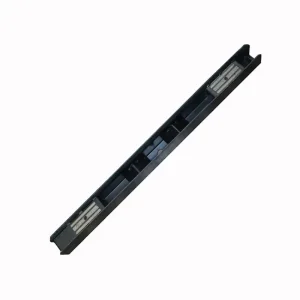
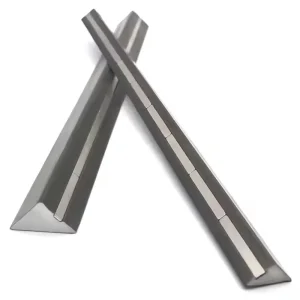
QCM Magnet specializes in offering complete magnetic fixing solutions for the production of precast concrete components. Our primary products include Shuttering Magnets and their corresponding accessories, Formwork Magnets, Magnetic Chamfering Strips, and various pre-embedded insert magnets.
Utilizing magnetic fixing in precast concrete component production prevents damage to the casting platforms, enhances assembly speed, reduces overall labor costs, and promotes economic efficiency, as the magnetic fixing devices are designed for reuse over long lifetimes.