Leakage Level (Hermetically Sealed)
Dynamic Balancing Precision
Max Operating Temperature (SmCo)
Maximum Holding Dynamic Pull
Modern industrial fluid management systems demand absolute sealing integrity, especially when handling volatile, corrosive, hazardous, or high-purity media. As a premier custom pump magnet manufacturer, we engineer state-of-the-art permanent magnetic couplings and dynamic rotor assemblies designed to eliminate the primary point of failure in chemical process pumps: the dynamic mechanical seal. By replacing mechanical friction barriers with magnetic field flux pathways, we achieve true hermetic separation.
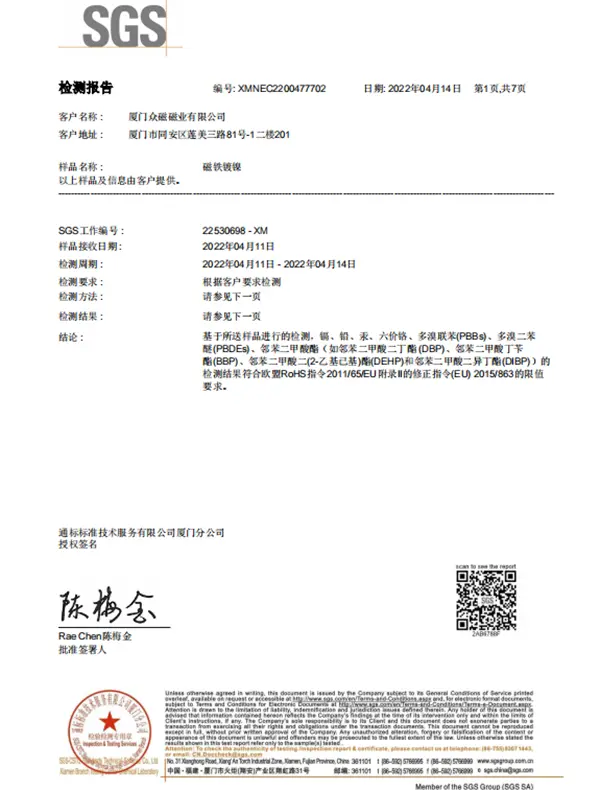
The operating principal of a magnetic drive pump relies on an inner and outer magnetic rotor assembly. The outer rotor, driven by the motor shaft, transfers torque across a stationary containment shell to the inner rotor, which is directly coupled to the impeller. Because there is no physical connection crossing the pressure boundary, the system operates completely leak-free, complying with the most rigorous environmental standards globally, including EPA regulations and ATEX safety directives.
Information Gain Insight: Unlike standard magnetic components, customized pump magnet assemblies require advanced consideration of eddy current losses within the containment shell. Our manufacturing process utilizes advanced finite element analysis (FEA) to design slot structures and choose premium nickel alloys, reducing heating and power losses by up to 22% compared to standard configurations.
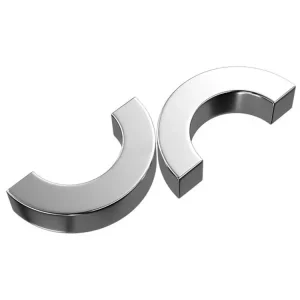
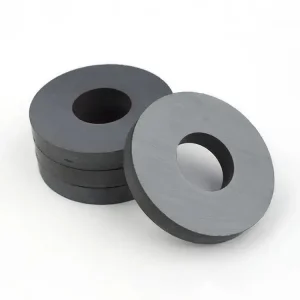
Reliability under harsh conditions requires deep metallurgical and magnetics expertise. Our production lines integrate rare earth magnet compounds (Neodymium Iron Boron and Samarium Cobalt) to address specific thermal, chemical, and pressure environments:
Designed for maximum torque density at lower operating temperatures (up to 180°C). Utilized in high-efficiency industrial fluid systems requiring compact profiles.
Essential for high-temperature operations (up to 350°C) and acidic/oxidizing environments. Provides outstanding thermal stability and demagnetization resistance.
Hermetic barrier methods using 316L Stainless Steel, Titanium Grade 2, PEEK, or Hastelloy C-276 sleeves, completely isolated via precision micro-laser welding.
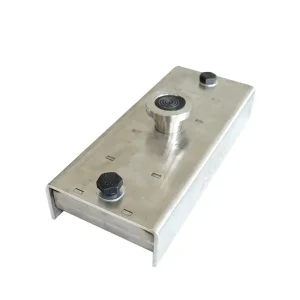
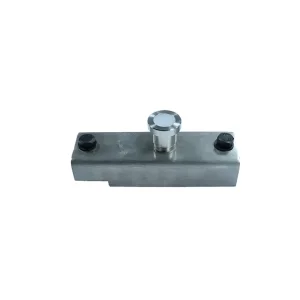
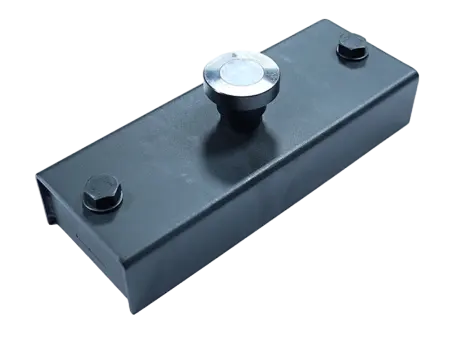
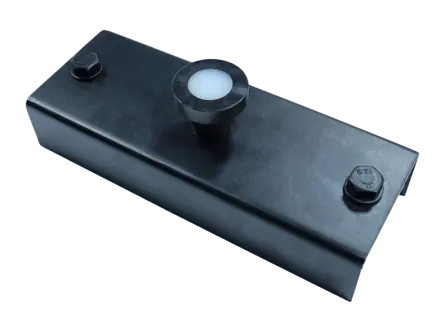
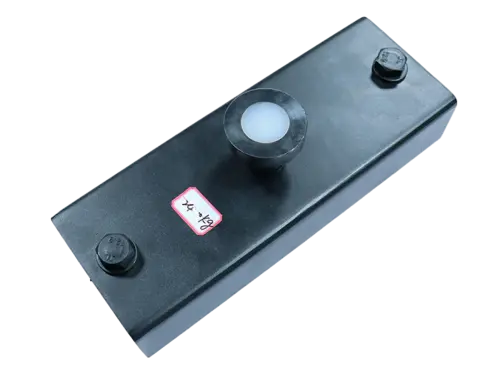
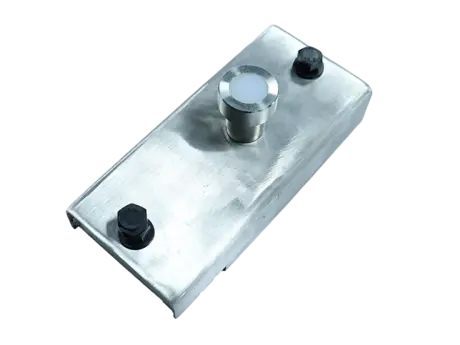
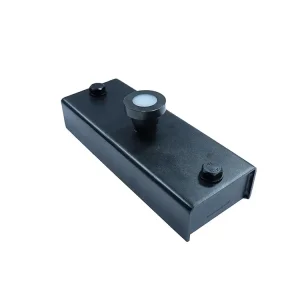
QCM Magnet (Qianci Magnet) specializes in offering complete magnetic fixing and torque transmission solutions. Historically built on high-capacity industrial precast concrete magnetic fixing systems, we have scaled our precision engineering competencies to encompass high-precision custom pump magnet components.
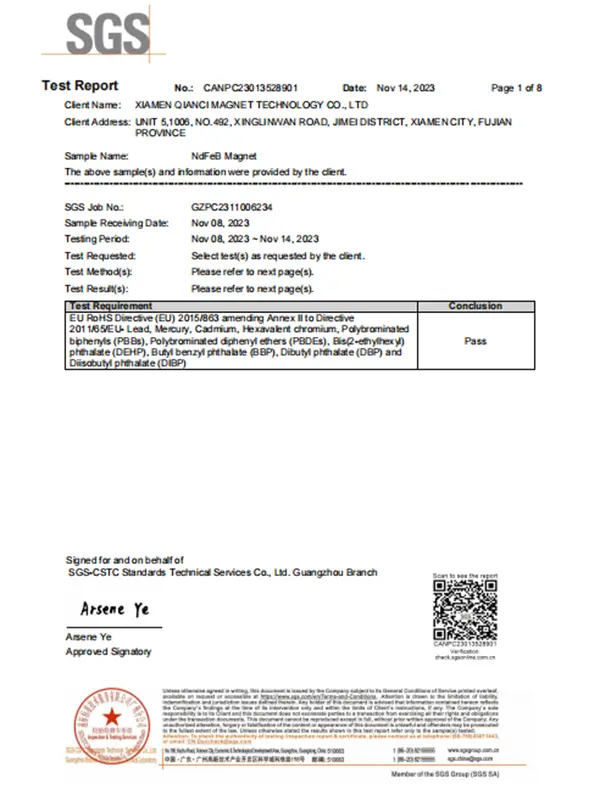
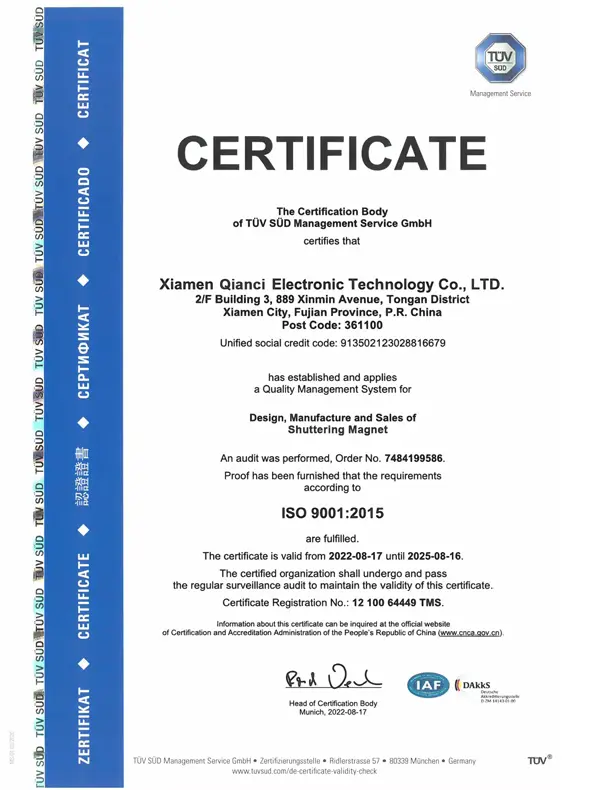
Our capabilities cover the entire value chain: from sintering high-coercivity NdFeB and SmCo alloys to ultra-precise CNC machining, hermetic sealing, and dynamic balancing (conforming to ISO 1940 standard). This synthesis of structural heavy-duty magnet manufacturing and precision micro-machining ensures QCM Magnet remains the primary supplier for customers seeking extreme reliability.
In the context of the global transition towards sustainable manufacturing, emission reduction is no longer optional. Industrial pump manufacturers face strict regulations concerning VOCs (Volatile Organic Compounds) and hazardous air pollutant emissions. In response, sectors such as chemical refining, API pharmaceutical manufacturing, semiconductor wet process chemistry, and hydrogen transportation are migrating exclusively to magnetically coupled containment systems.
Our role as a custom pump magnet manufacturer is to supply high-efficiency magnetic cores capable of weathering extreme environments. For instance, in chemical vapor deposition (CVD) equipment and wafer rinsing baths, magnetic drive pumps handle corrosive mixtures containing hydrofluoric acid, high-concentration hydrogen peroxide, and organic solvents. Any contamination from mechanical seal breakdown or magnetic alloy corrosion can ruin production batches worth millions. Consequently, we employ high-purity fluoropolymer linings and laser-welded Hastelloy shells to ensure maximum purity and corrosion resistance.
At first glance, high-speed micro-pump rotors and heavy-duty precast concrete shuttering magnets seem unrelated. However, from a structural engineering standpoint, they share core physical fundamentals:
Technical Roadmap: Looking ahead to 2025-2030, our R&D efforts focus on integrating smart predictive maintenance elements directly into the magnetic assemblies. By integrating passive resonant sensors, our next-generation pump couplings will communicate real-time operating temperatures and detect micro-cracks before dynamic failure occurs.
Published: 2025-05-15
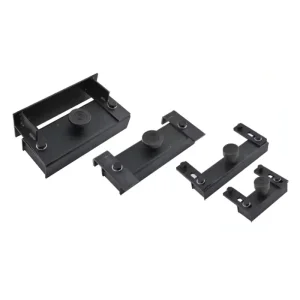
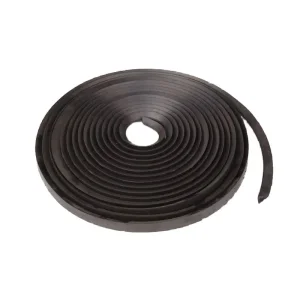
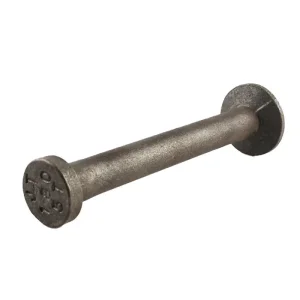
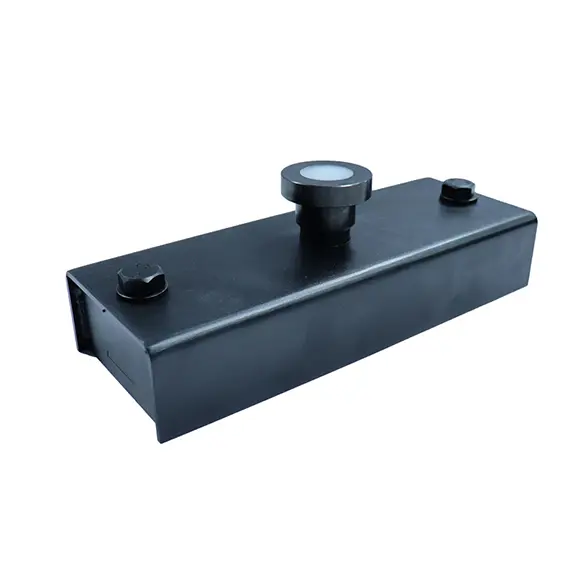
Precast concrete systems rely on distinct structural fixings. Shuttering magnets secure boundary panels on casting tables, whereas specialized formwork profiles integrate structural formwork components into unified, reusable frameworks.

Published: 2025-04-30
QCM will showcase dynamic magnetic fixings and precision coupling technologies in London. Visit our engineers to discuss dynamic containment solutions and customized component integration.