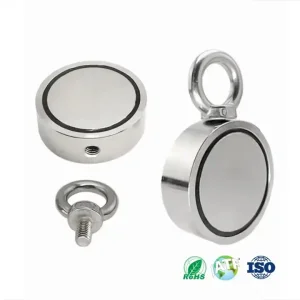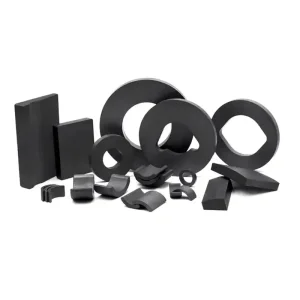
As the primary hub for Neodymium (NdFeB) and Samarium Cobalt (SmCo) production, China accounts for over 90% of the world's high-performance magnetic materials. Ultra Strong Magnets are no longer mere components; they are the "vitamins" of modern industry, driving efficiency in green energy, electric vehicles (EVs), and advanced robotics.
QCM Magnet leverages this geographical advantage to provide factory-direct, high-grade permanent magnets that meet the stringent demands of global Tier-1 manufacturers. Our integration within the supply chain ensures that raw material purity is maintained, translating to higher coercivity and better thermal stability in the end products.
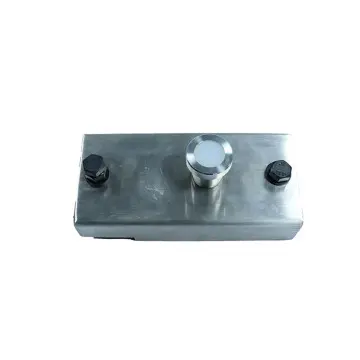
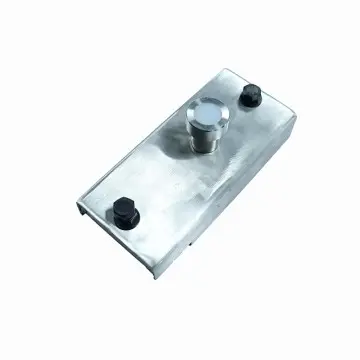
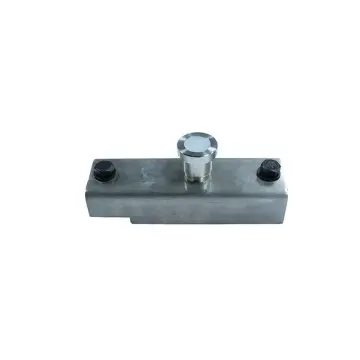
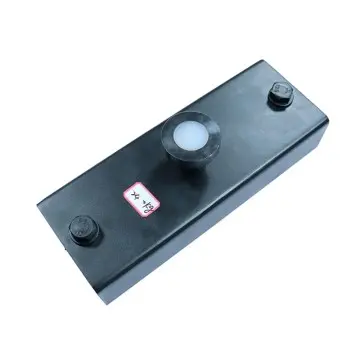
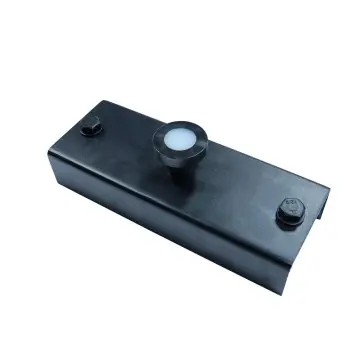
Traditional formwork methods involving drilling and welding are becoming obsolete. The modern precast industry demands modularity and speed. QCM’s Shuttering Magnets and Magnetic Formwork Systems offer a non-destructive fixing solution that protects the expensive steel platform while drastically reducing setup time.
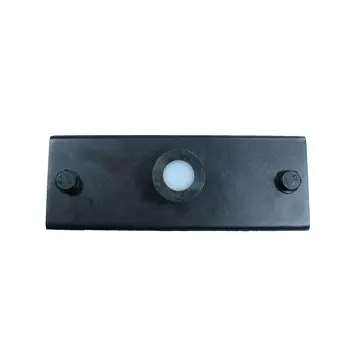
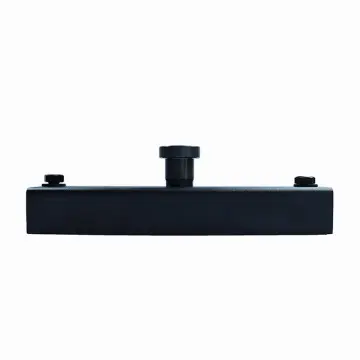
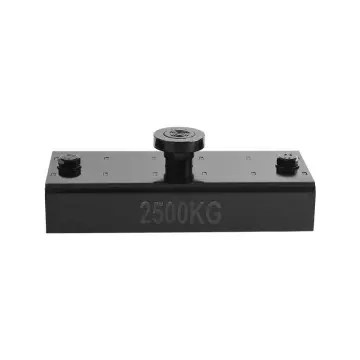
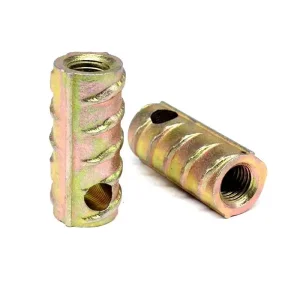
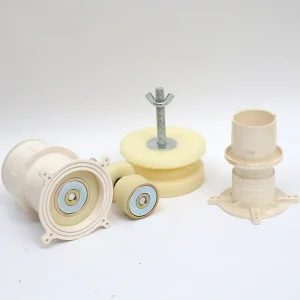
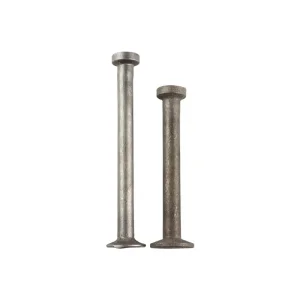
Our solutions include Magnetic Side Rail Systems and Lifting Socket Inserts. By utilizing high-flux density neodymium magnets encased in robust carbon steel boxes, we provide pulling forces ranging from 600kg to 2500kg, ensuring that formwork stays perfectly aligned even under the intense vibration of concrete pouring.
Case Study: A European construction firm switched to QCM 2100kg shuttering magnets, resulting in a 40% reduction in labor hours and a 100% elimination of platform repair costs caused by welding scars.
Exporting high-strength magnets requires rigorous compliance with international standards. QCM products are RoHS and REACH certified, ensuring they are free from hazardous substances. Furthermore, our manufacturing processes are ISO 9001:2015 certified, guaranteeing consistent quality across every batch.
Magnetic materials are classified as dangerous goods for air transport. QCM specializes in Magnetic Shielding Packaging, allowing for safe and fast air freight. For sea freight, we provide anti-corrosion vacuum sealing, essential for maintaining the integrity of NdFeB magnets during long transit times.
QCM is not just a manufacturer; we are an R&D powerhouse. Our roadmap for 2025-2030 focuses on three core pillars:
Development of NdFeB grades that can withstand 250°C without significant demagnetization, bridging the gap between Neodymium and SmCo.
Integrating IoT sensors into shuttering magnets to monitor clamping force in real-time, preventing mold displacement before it happens.
Implementing a "closed-loop" system to recover rare earth elements from end-of-life industrial magnets, reducing environmental impact.
A: N52 is currently the highest grade for commercial Neodymium magnets, offering significantly higher Magnetic Flux Density (Br) and Maximum Energy Product (BHmax) compared to N35. This allows for smaller magnets to achieve greater pulling forces.
A: Most QCM magnets feature a Ni-Cu-Ni (Nickel-Copper-Nickel) triple-layer plating. For precast concrete applications, we often use black epoxy or stainless steel housing to protect against the alkaline environment of concrete.
A: No, they require a magnetic (ferrous) steel surface. They will not work on aluminum or wooden platforms. The surface should be clean and flat to ensure maximum contact and pulling force.
A: Yes. We specialize in Halbach arrays, specialized motor segments, and custom-designed shuttering boxes tailored to unique formwork profiles.
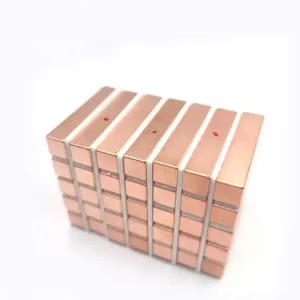
When discussing China Ultra Strong Magnets, it is essential to understand the material science that differentiates a standard industrial magnet from a high-performance assembly. The synergy between rare-earth elements like Dysprosium (Dy) and Terbium (Tb) allows for the creation of magnets that maintain their magnetic dipole orientation even under external demagnetizing fields. At QCM Magnet, we utilize vacuum induction melting (VIM) technology to ensure that the grain structure of our NdFeB magnets is uniform, leading to superior energy products (BH max) that can exceed 52 MGOe.
A shuttering magnet is not just a block of magnet; it is a complex magnetic circuit. By using high-permeability steel yokes, we direct the magnetic flux to the bottom surface, creating a concentrated "clamping" force that is exponentially stronger than an open magnet. This design, often incorporating a "push-button" mechanism, allows the user to engage and disengage thousands of pounds of force with a single hammer strike or foot press. This mechanical advantage is critical in the precast concrete industry, where precision to the millimeter is required for structural integrity.
In the global construction market, the shift towards "Integrated Building Systems" (IBS) and "Prefabricated Prefinished Volumetric Construction" (PPVC) has turned magnets into a strategic asset. By reducing the reliance on skilled labor for formwork setup, companies can mitigate the risks of labor shortages and rising costs. Furthermore, the reusability of QCM magnetic systems—often lasting over 10 years with proper maintenance—provides a Return on Investment (ROI) that traditional methods cannot match.
As a leading exporter, QCM is acutely aware of the environmental footprint of rare earth mining. We are actively partnering with refineries that implement "Green Mining" techniques, utilizing ion-exchange resins to reduce water waste. Our commitment to sustainability extends to our product lifecycle; we provide refurbishing services for magnetic boxes, replacing damaged internal components while keeping the outer steel housing in use, significantly reducing the carbon footprint per construction project.
From the bustling construction sites in Dubai to the high-tech precast factories in Germany, QCM Magnets are at work. We have established localized distribution hubs in Singapore, the USA, and the Netherlands to ensure that our clients receive technical support in their time zone. This localization is backed by a deep understanding of regional building codes and safety regulations, such as the European EN standards and the American ACI codes for precast concrete handling.
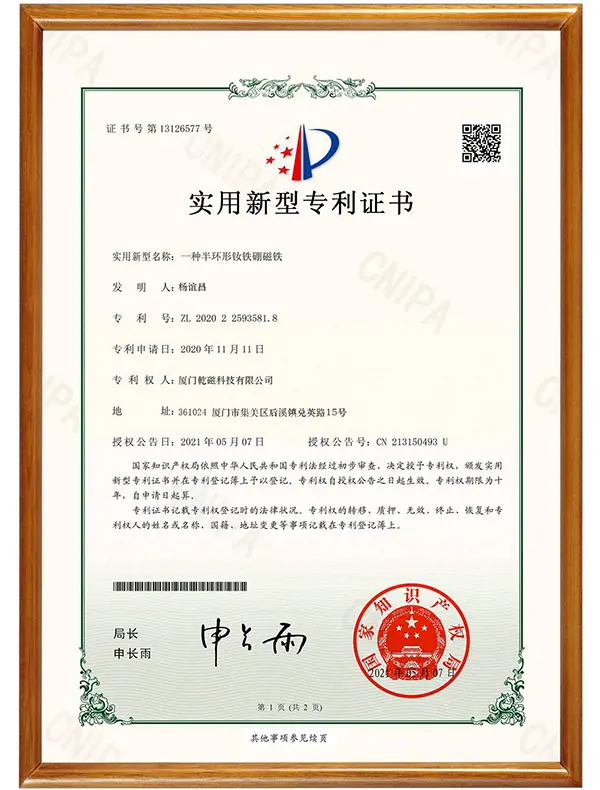
An in-depth guide on magnetic fixation vs. traditional mold openings for flat surface casting.
Showcasing the next generation of 2500kg tensile force magnets for the British construction market.