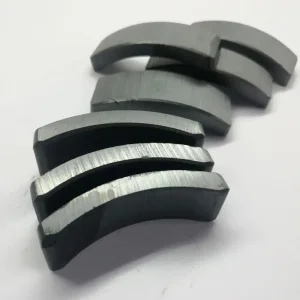
As the global supply chain transitions toward deep automation, high-precision industrial manufacturing, and zero-carbon energy architectures, sintered neodymium magnets (NdFeB) have emerged as the foundational critical material. Characterized by their unparalleled Maximum Energy Product ($(BH)_{max}$), these rare earth permanent magnets enable extreme miniaturization of electric powertrains, highly reliable robotic automation, and revolutionary heavy mechanical construction.
China stands as the global epicenters for rare earth processing, refining, and alloy manufacturing. Leveraging integrated raw material supply lines, advanced metallurgy research, and localized processing clusters, top Chinese exporters like Qianci Magnet (QCM) provide unmatched supply security, technical customization, and cost stabilization.
By directly managing the transition from raw oxide materials to finished sintered blocks, QCM ensures tight tolerance controls, stable coercivity indices, and optimal surface coatings (such as multilayer Ni-Cu-Ni, Epoxy, and chemical passivations) that prevent oxidation in severe industrial environments.
Modern engineering projects require specialized magnetic parameters. While Neodymium magnets offer the highest magnetic force-to-weight ratio, Samarium Cobalt (SmCo) and Ceramic Ferrite alloys provide distinct advantages in thermal resilience and corrosion conditions.
| Magnetic Material Type | Max. Operating Temp (°C) | Remanence ($B_r$) | Coercivity ($H_{cb}$) | Max. Energy Product ($(BH)_{max}$) | Corrosion Resistance |
|---|---|---|---|---|---|
| Sintered NdFeB (Neodymium) | 80 - 230 °C | 1.0 - 1.45 T | ≥ 850 kA/m | 35 - 55 MGOe | Low (Requires advanced plating) |
| Samarium Cobalt (SmCo) | 250 - 350 °C | 0.8 - 1.1 T | ≥ 600 kA/m | 18 - 32 MGOe | Excellent (Highly stable without coating) |
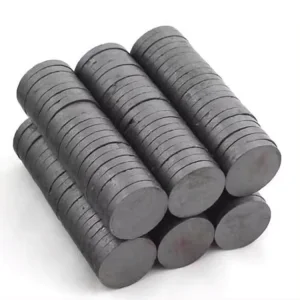
| Ceramic Ferrite | 250 - 300 °C | 0.2 - 0.4 T | ≥ 150 kA/m | 1.0 - 5.0 MGOe | Outstanding (Oxide material, immune to rust) |
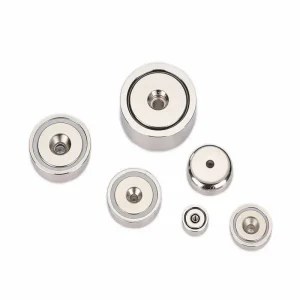
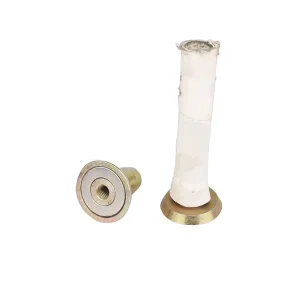
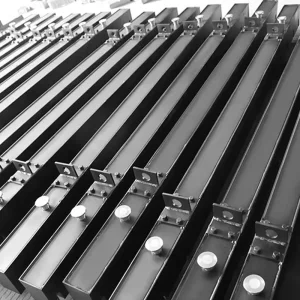
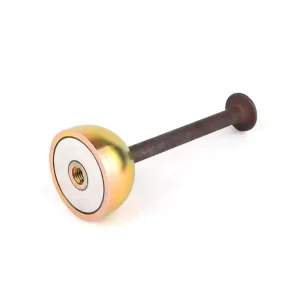
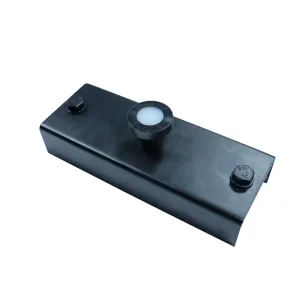
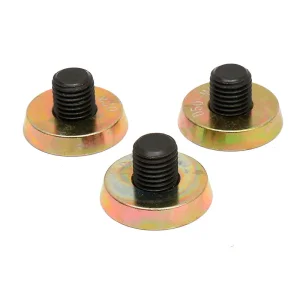
QCM Magnet specializes in offering complete magnetic fixing solutions for the production of precast concrete components. Our primary products include Shuttering Magnets and their corresponding accessories, Formwork Magnets, Magnetic Chamfering Strips, and various pre-embedded insert magnets.
Utilizing magnetic fixing in precast concrete component production prevents damage to the platform, enhances work efficiency, reduces labor costs, and promotes economic efficiency as the magnetic fixing devices are reusable.
Using our expertise in magnetic components and our extensive experience in supporting the production of precast components, we have developed numerous new and practical magnetic fixing products. Our products come with complete specifications, excellent quality, ease of operation, and long service life. Additionally, we can promptly customize a variety of magnetic fixing parts to meet the diverse needs of our customers.
Qianci Magnet is a strong magnetic component factory, specializing in the production and research and development of formwork magnets, magnetic formwork, insert magnets, magnetic concrete chamferers and other products.
Our business mainly involves precast concrete magnetic system solutions, helping you to better carry out concrete element production.
Become a global leading manufacturer and excellent service provider of magnetic solutions for the precast concrete industry.
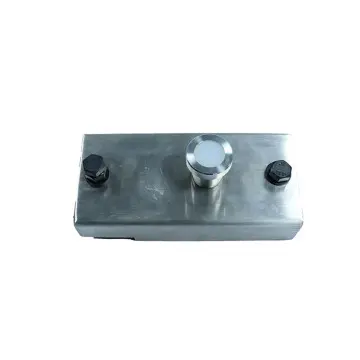
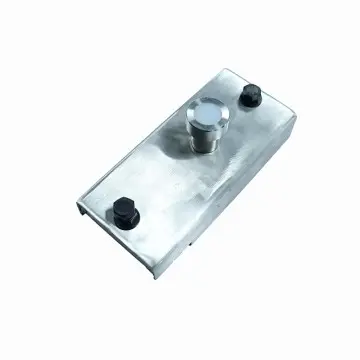
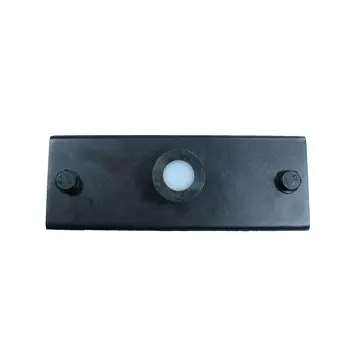
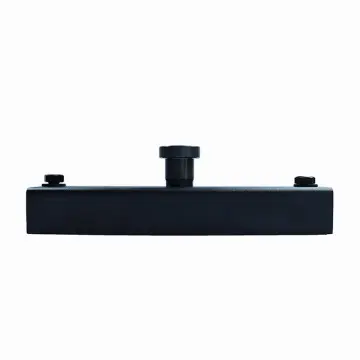
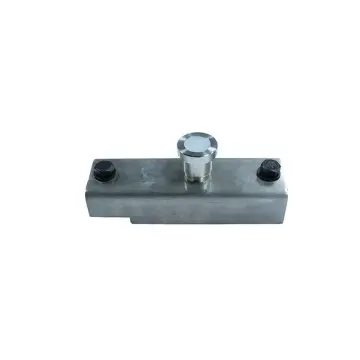
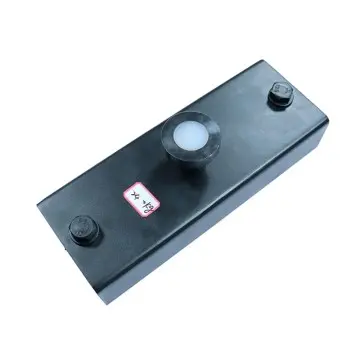
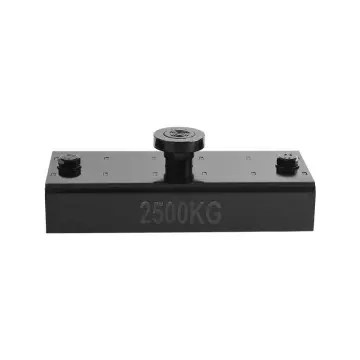
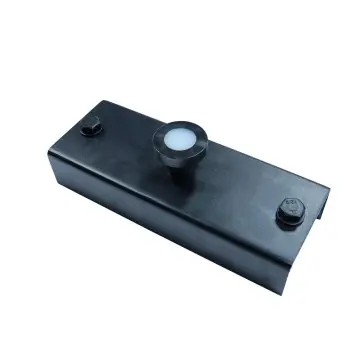
Our R&D team is continuously pushing the boundaries of magnetic containment technology, ensuring greater safety factors, lighter enclosures, and superior durability.
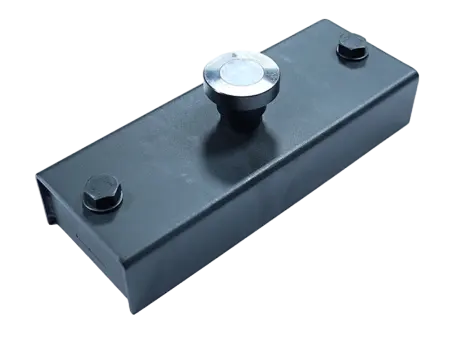
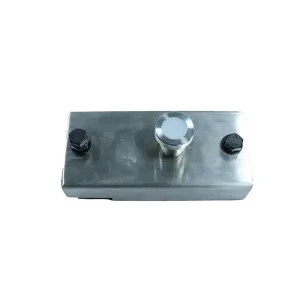
The shuttering magnet for concrete formwork is a proven safe and efficient tool in precast concrete production. Features a 1600kg series with a large magnetic force.
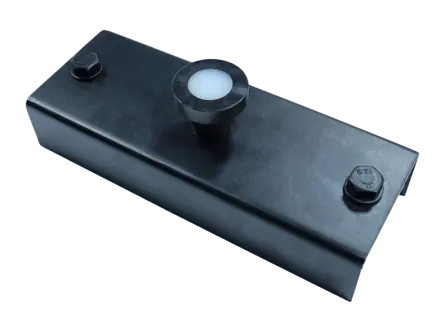
Highly durable precast concrete shuttering magnet, designed to increase productivity and quality improvement in heavy structural environments.
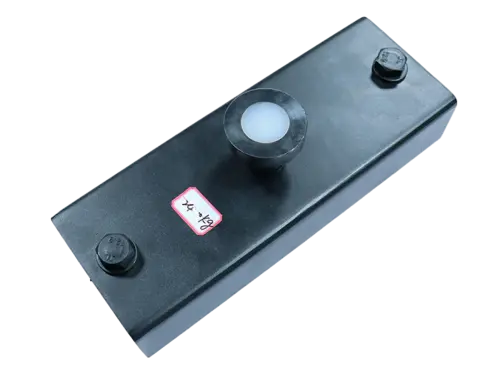
A highly popular system in the European precast market. Handles heavy-duty wall panel production and house construction components with ease.
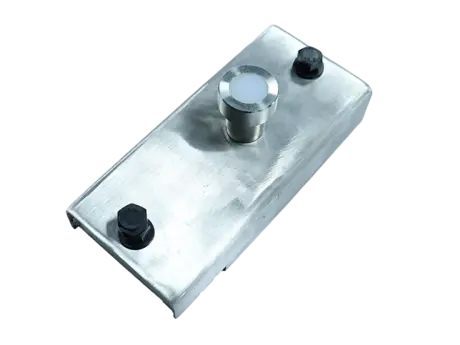
Commonly engineered to hold side moldings of flat floor slabs and precast panels securely in place on vibration steel tables.
Our magnetic systems are deployed globally across diverse environments. By optimizing magnetic circuits for specific local materials and regional regulations, we guarantee localized compatibility.
In European modular housing construction, steel formwork tables represent major capital assets. Traditional mechanical drilling and welding destroy the flat precision of the beds. QCM’s shuttering magnets provide up to 2500 kg of holding force, secured entirely by magnetic attraction. This system:
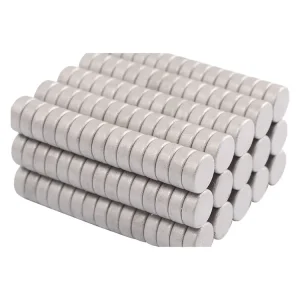
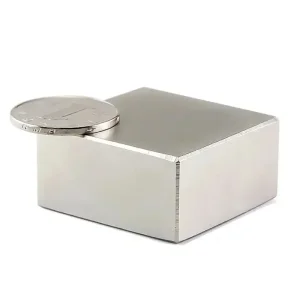
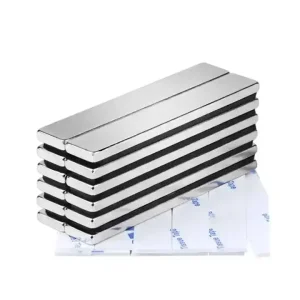
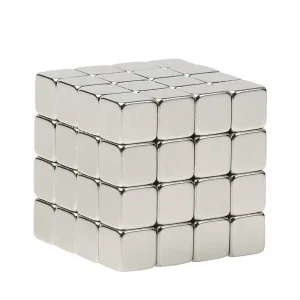
High-grade NdFeB block magnets (N52, N54, N55) are engineered for automated optical pick-and-place robots, automated guided vehicles (AGVs), and high-frequency tactile armatures. Our direct factory export ensures that precision manufacturing tolerances of +/-0.05mm are consistently met, ensuring seamless integration into precision machinery.
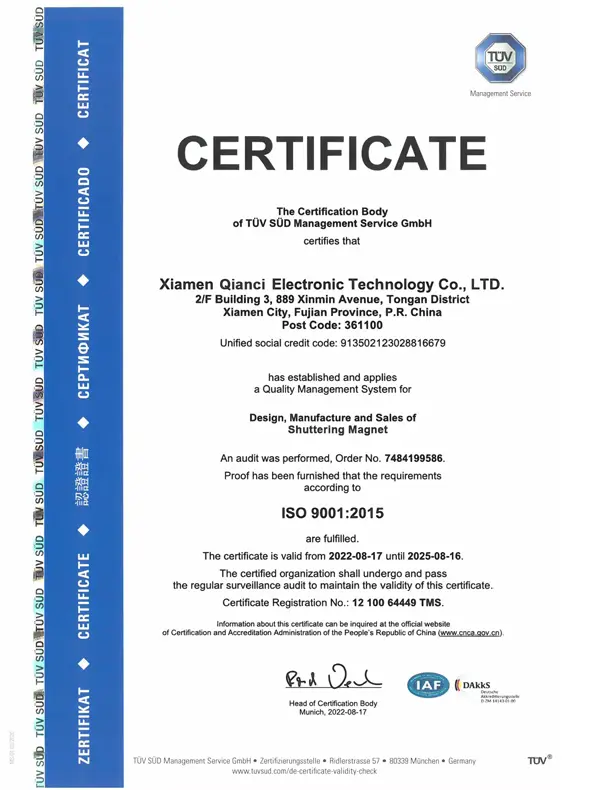
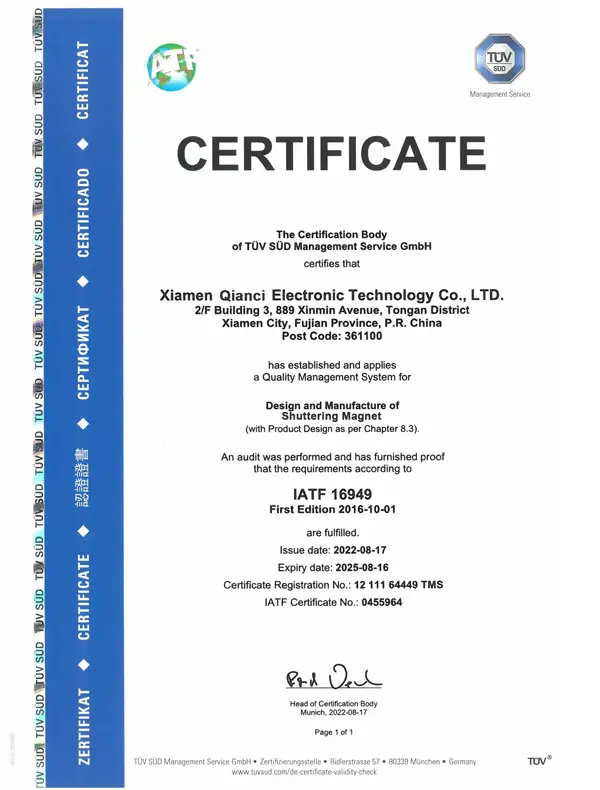
True reliability is proven through strict process auditing. Our factory operates under the ISO 9001 quality management structure, ensuring that every batch of sintered neodymium alloy and finished magnetic assembly passes rigorous flux testing, salt spray testing (SST) for anti-corrosion performance, and magnetic degradation trials.
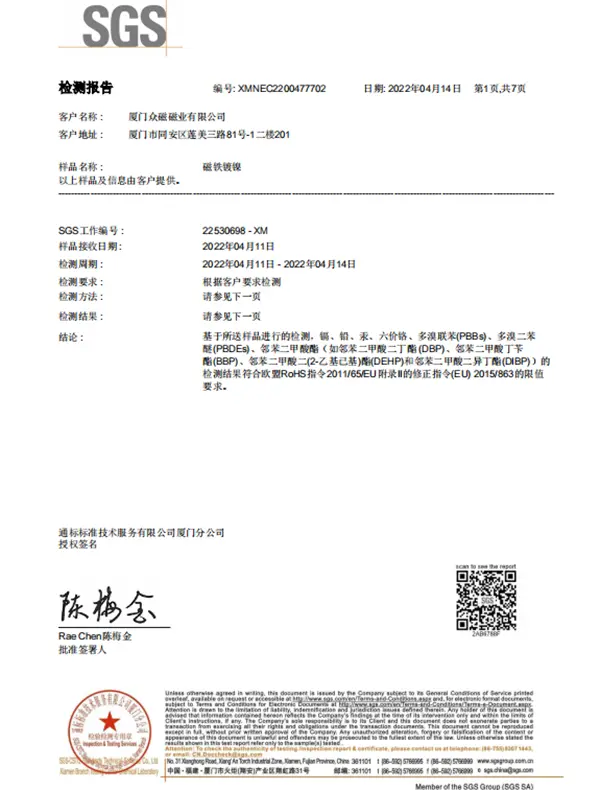
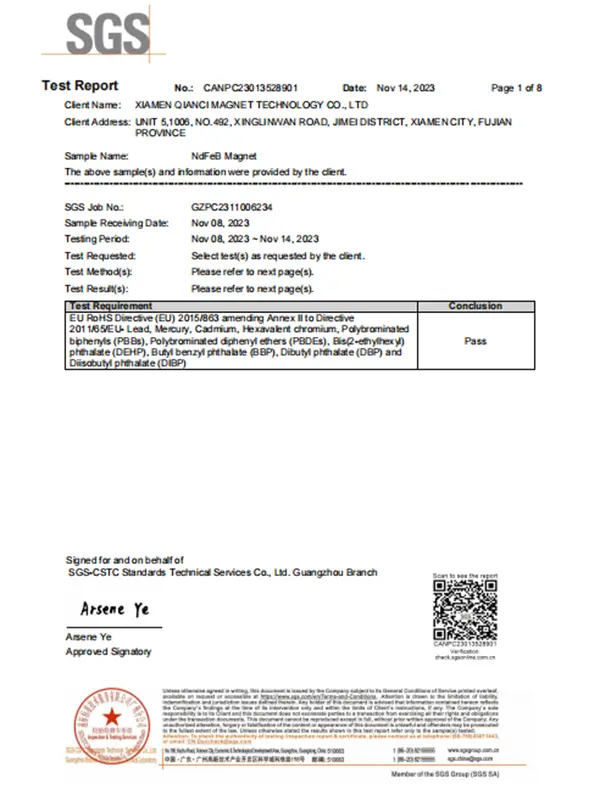
All exported products comply with the European Union's RoHS Directive (2011/65/EU) and REACH Regulation (EC 1907/2006). We guarantee that no hazardous substances are introduced during our smelting, powder metallurgy, or plating processes. This is critical for our partners in Germany, France, the UK, and North America.
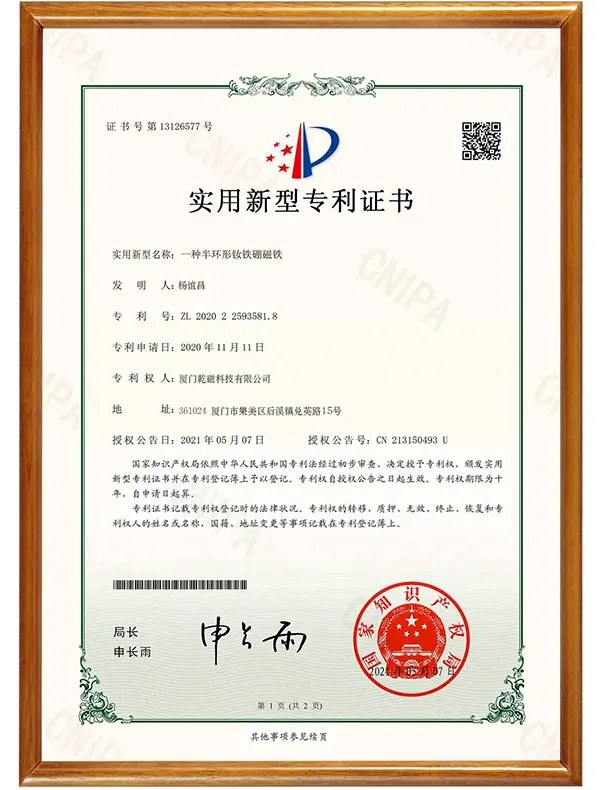
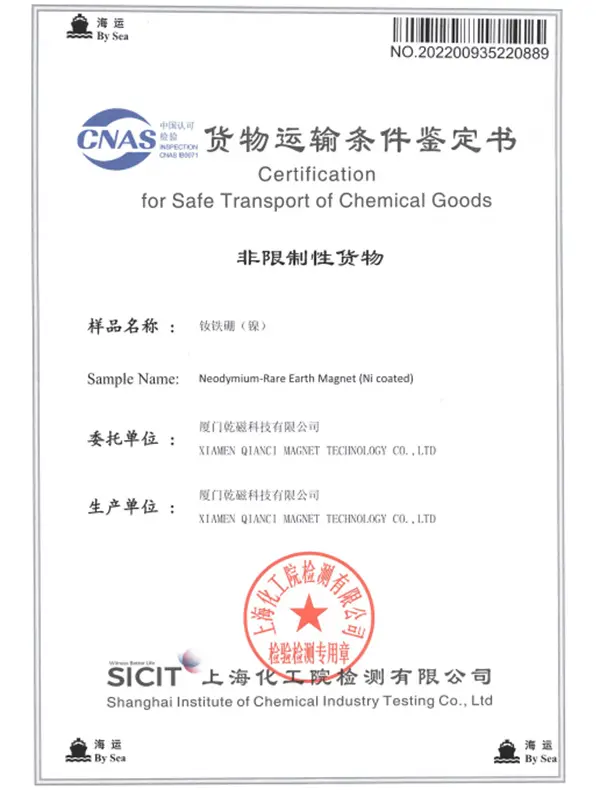
Stay updated with the latest technological transformations, structural material research, and international exhibition schedules.
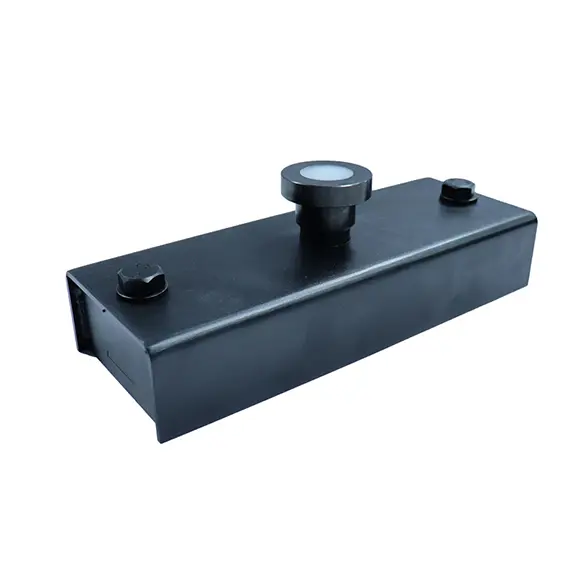
Precast concrete systems: Shuttering molds shape edges/openings on flat surfaces using magnetic fixation, while mold magnets hold active structural inserts in place...

QCM, a global leader in magnetic components, will participate in UK Construction Week 2025. From May 7th to 9th, at Stand 504, we will showcase how neodymium systems optimize precast efficiency...
Our engineers answer critical questions frequently raised by international procurement managers, QA auditors, and automation designers.