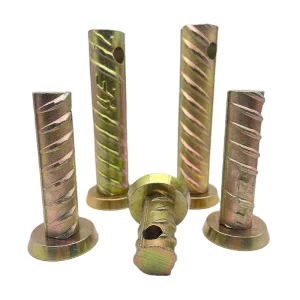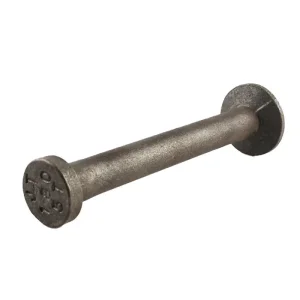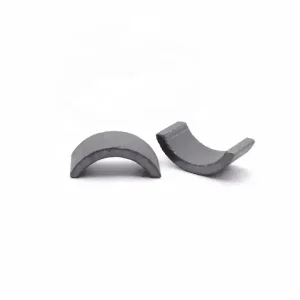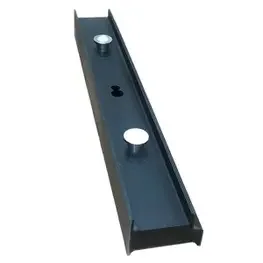
Browse our baseline inventory of performance-grade neodymium assemblies, concrete formwork systems, and specialized structural magnets engineered for high-performance deployment.
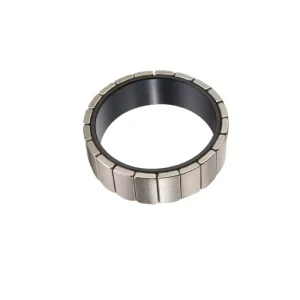
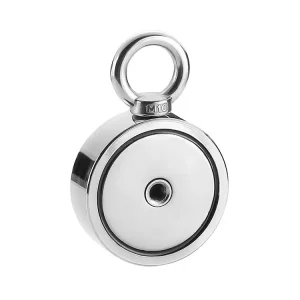
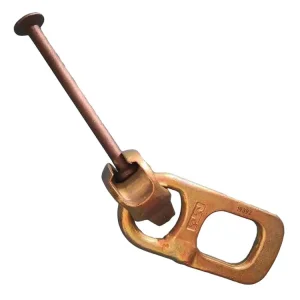

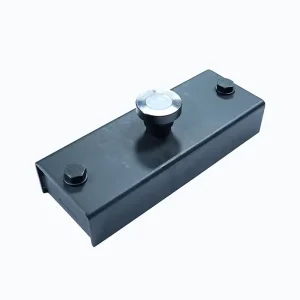
An executive engineering insight into high-aspect-ratio neodymium magnets and the mechanics of directional magnetic force.
In the landscape of modern magnetic engineering, "Long Thin Magnets" represent a specialized subset of high-aspect-ratio geometries. An aspect ratio exceeding 5:1 (length-to-width) or 10:1 (length-to-thickness) presents unique challenges in both material physics and manufacturing precision. Sintered Neodymium-Iron-Boron (NdFeB) material is inherently crystalline and brittle. Magnetizing an ultra-thin, elongated bar requires precise control over the magnetic domain alignment during the high-pressure molding phase.
When dealing with long thin geometries, standard magnetization paths (typically through-thickness) suffer from localized demagnetization fields (demagnetizing factors, N). The geometric demagnetization factor is inversely proportional to the thickness along the direction of magnetization. For extremely thin dimensions, the self-demagnetizing field can cause premature magnetic field decay if the material's coercivity (Hcj) is not carefully matched. Therefore, at QCM Magnet, we systematically recommend utilizing high-coercivity grades (such as H, SH, UH, or EH) to counter this intrinsic geometric vulnerability.
Due to their fragile nature, long thin magnets are highly susceptible to mechanical stress, thermal shocks, and warping during the sintering process. Traditional grinding methods are insufficient for maintaining structural integrity. Our factory implements advanced multi-wire slicing technology and CNC double-disk grinding processes. These methods minimize surface micro-fractures, preventing micro-crack propagation under heavy cyclic thermal load.
Explore how advanced engineering departments globally integrate long thin magnet topologies into next-generation systems.
High-aspect-ratio magnets are the backbone of high-speed linear motor systems. Placed in repeating polar configurations, they establish the continuous magnetic flux required for rapid, friction-free translation stages in automation assembly lines.
In modern automotive steering systems and industrial robotics, long thin magnet strips act as target tracks for Hall-effect and MR (Magnetoresistive) sensors, yielding precise angular and linear feedback metrics down to sub-micron resolutions.
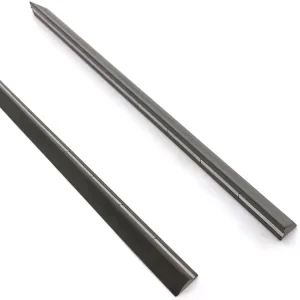
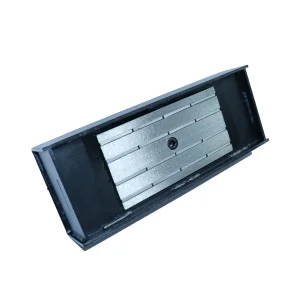
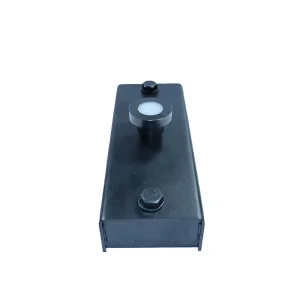
Integrating these long profile elements directly into magnetic shuttering boxes and chamfers allows precast concrete factories to lock mold sideforms with high clamping forces without drilling into steel casting tables.
Design Tip: When using long thin magnets in high-impact environments (like precast formwork shuttering), always specify a structural encasement. Stainless steel cladding or polyurethane-encapsulated assemblies dramatically reduce physical fracture rates, multiplying the lifespan of the magnetic elements by up to 10x.
The progression toward ultra-thin structural profiles and superior resistance against thermal demagnetization.
As industrial motors and sensors become more compact, the demand for thin magnets that can withstand temperatures above 150°C without loss of remanent flux density (Br) has increased. The traditional method of increasing thermal stability involved adding Dy (Dysprosium) or Tb (Terbium) to the alloy melt. However, this method severely reduced the remanent field strength.
By implementing Grain Boundary Diffusion (GBD) technology, heavy rare earth elements are vapor-deposited directly onto the surfaces of the cut thin magnet elements, followed by a vacuum heat treatment. The Dy/Tb selectively diffuses along the grain boundaries rather than entering the primary Nd2Fe14B crystal grains. This achieves two primary engineering advantages:
Neodymium is highly reactive to moisture and oxygen. Long thin magnets present a large surface area-to-volume ratio, accelerating corrosion rates. QCM Magnet offers standard nickel-copper-nickel (Ni-Cu-Ni), black/grey epoxy, gold plating, and specialized Teflon/Rubber encapsulation. The table below represents standard protective coatings used in our production lines:
How downstream industrial buyers leverage direct-factory sourcing from Ningbo and Baotou supply chains.
Sourcing permanent rare-earth materials from China offers distinct supply chain advantages. Over 70% of the world’s rare-earth oxides are mined and refined within Chinese borders, specifically concentrated in the Inner Mongolia (Baotou) and Southern China regions. For industrial procurement teams, sourcing directly from a vertically integrated facility like QCM Magnet secures three vital operational layers:
“Supply chain risk is minimized when custom assemblies—such as shuttering magnets and Halbach arrays—are designed, sintered, and calibrated under one roof. This minimizes dimensional tolerance stack-ups and simplifies quality auditing.”
A specialized look at our manufacturing footprint, custom testing capabilities, and the precast concrete fixing systems we export globally.
QCM Magnet (Qianci Magnet) stands as a premier manufacturer of complete magnetic fixing solutions for precast concrete component production. Our product line includes Shuttering Magnets (ranging from 450kg to 3100kg holding force), Magnetic Chamfering Strips, and customized insert magnets.
By using high-strength neodymium blocks inside robust steel housings, our products eliminate the need to weld or drill directly into the casting bed. This method preserves expensive steel platforms, improves assembly times, and reduces labor costs.
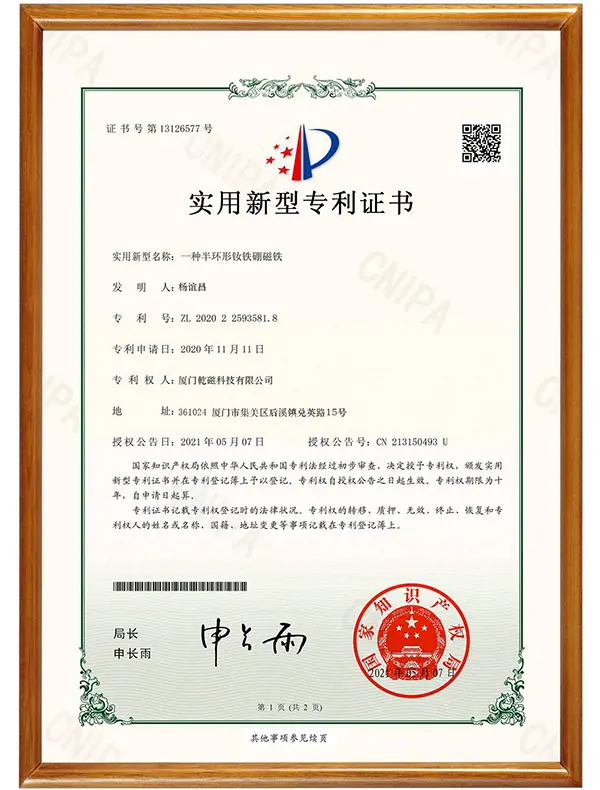
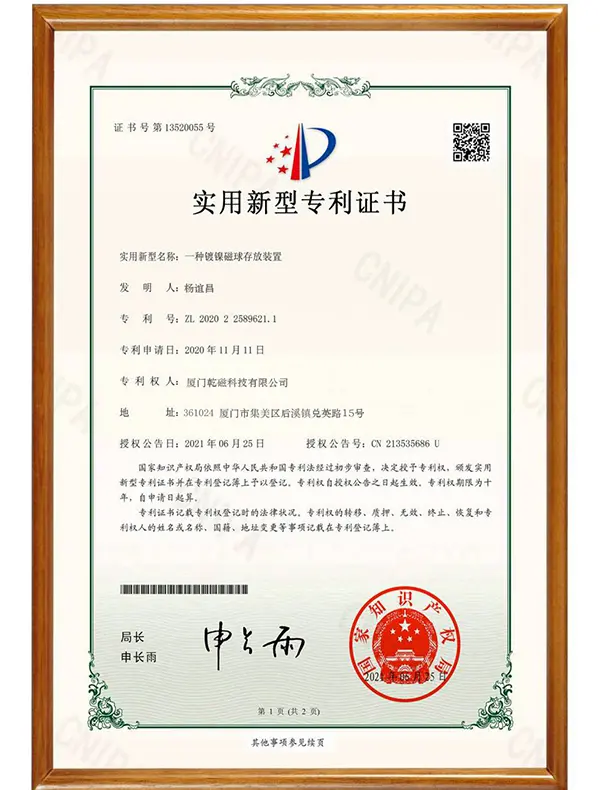
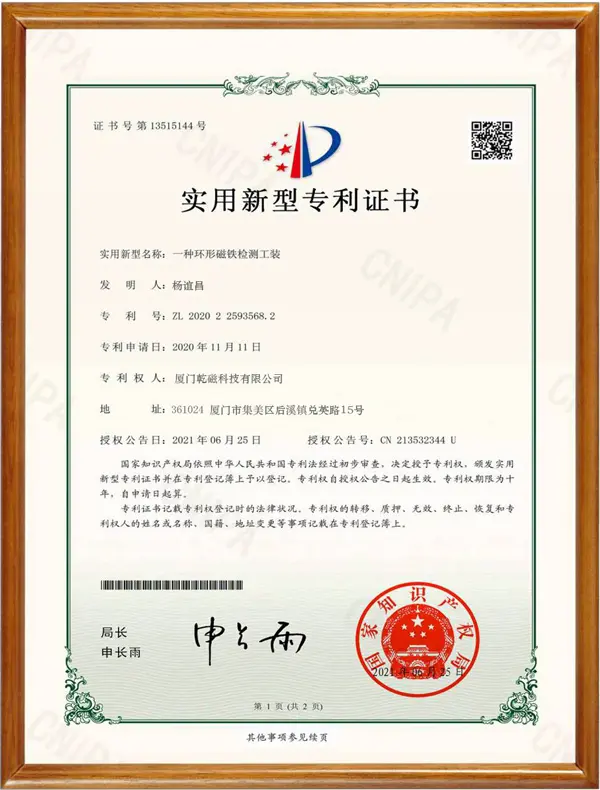
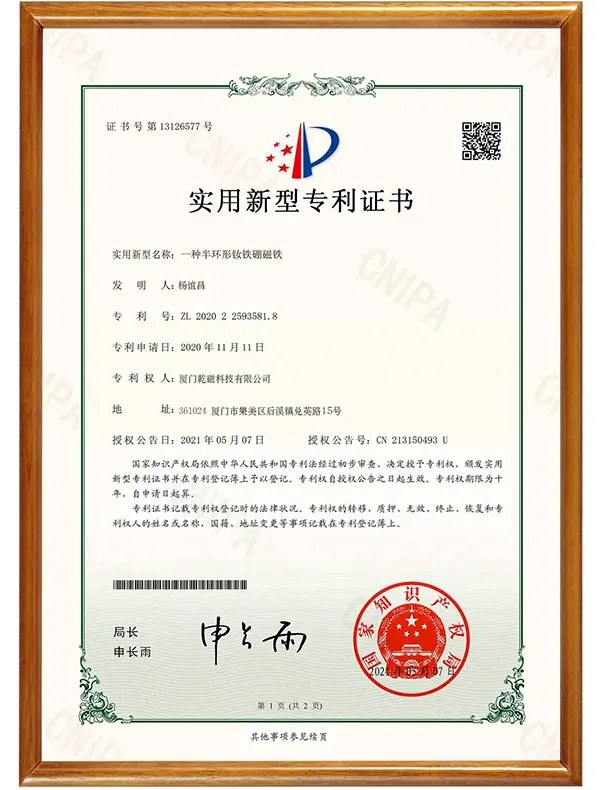
We operate under certified quality management systems to guarantee magnetic force and dimensional repeatability across batches.
Critical design decisions, pricing structures, and engineering parameters analyzed by our technical support team.
Explore our secondary lineup of magnetic mounting systems, heavy-duty lifting clutches, and custom-coated pot assemblies designed for construction and offshore marine applications.