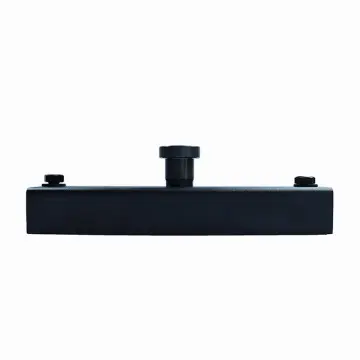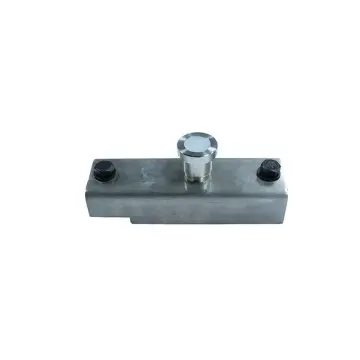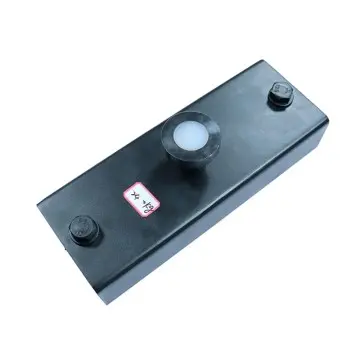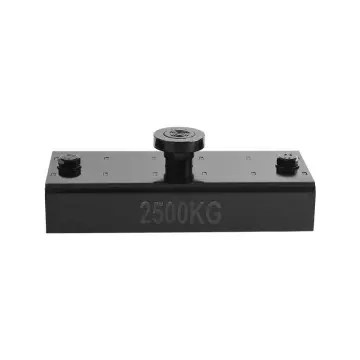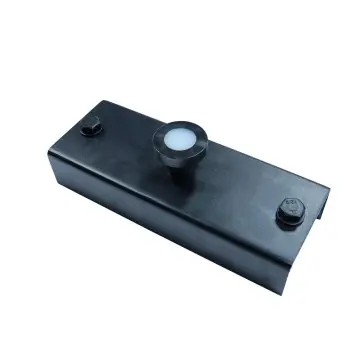
Explore engineering-grade precast fixing systems designed to enhance formwork setup speed while ensuring structural precision.
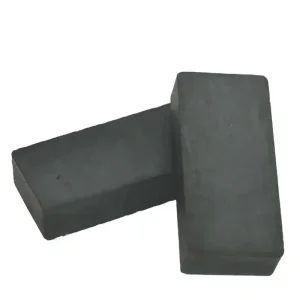
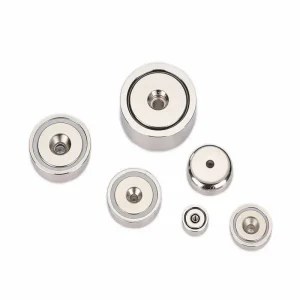
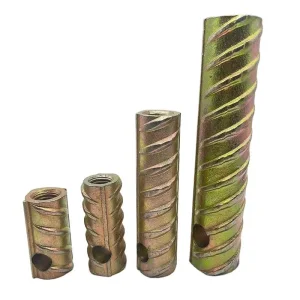
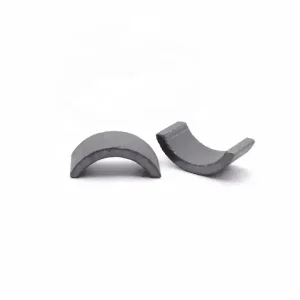
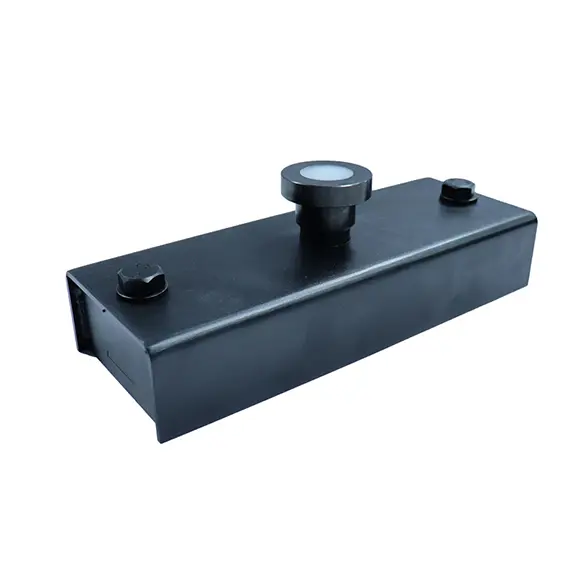
In modern industrial terminology, **finger magnets** (or push-button shuttering magnets) represent a pivotal mechanical design advancement in prefabricated concrete assembly lines. Designed with integrated rare-earth Neodymium (NdFeB) blocks encased in structurally optimized steel boxes, these devices rely on manual button mechanisms—often referred to as finger controls—to engage and disengage massive holding forces.
Global architectural standards demand zero tolerances for formwork slippage. Relying on welding or heavy mechanical bolting damages expensive precast steel platforms, costing companies thousands of dollars in restoration. Finger magnets offer a non-destructive, reusable fixing solution with pull-out strengths ranging from 600 kg to over 2500 kg.
Traditional neodymium components demagnetize rapidly under industrial steam curing chambers (typically 60-80°C). Top-tier Chinese exporters prevent this by using high-coercivity grades (such as NdFeB N42SH or N45UH) that maintain performance margins under cyclic heat exposure.
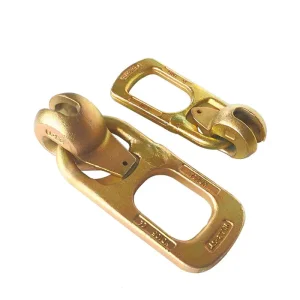
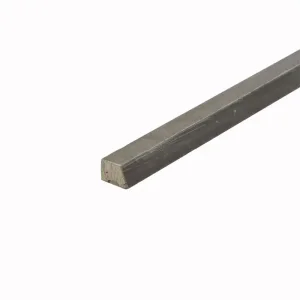
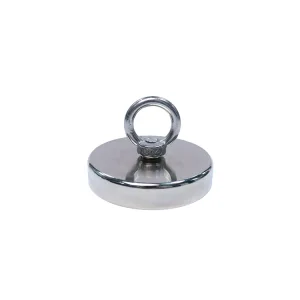
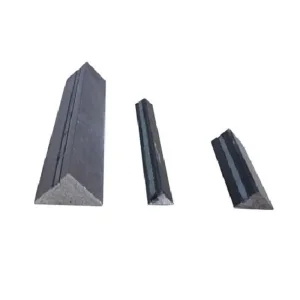
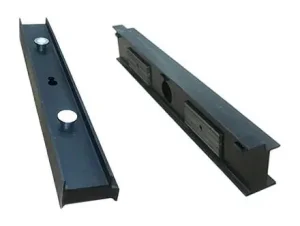
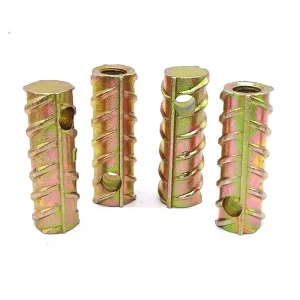
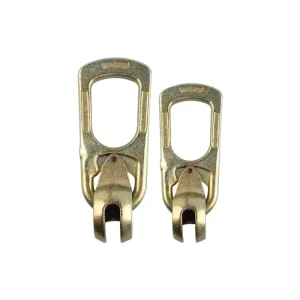
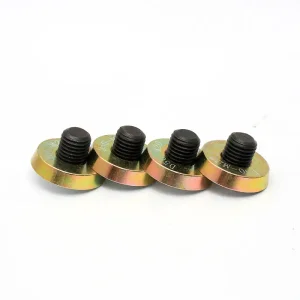
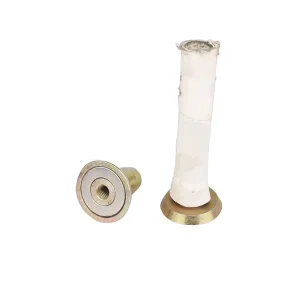
A comprehensive system approach to precast concrete manufacturing, providing reliable connections, clean chamfers, and versatile anchor attachments.
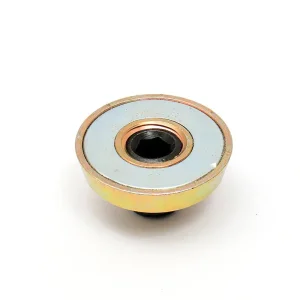
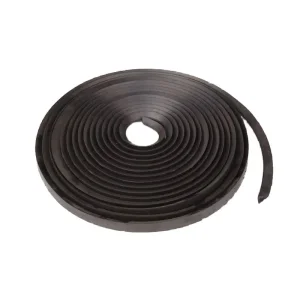
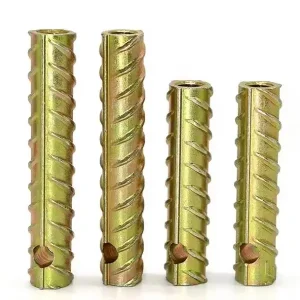
QCM Magnet (Qianci Magnet) specializes in offering complete magnetic fixing solutions for the production of precast concrete components. Our primary products include Shuttering Magnets and their corresponding accessories, Formwork Magnets, Magnetic Chamfering Strips, and various pre-embedded insert magnets. Utilizing magnetic fixing in precast concrete component production prevents damage to the platform, enhances work efficiency, reduces labor costs, and promotes economic efficiency as the magnetic fixing devices are highly reusable.
Using our expertise in magnetic components and our extensive experience in supporting the production of precast components, we have developed numerous new and practical magnetic fixing products. Our products come with complete specifications, excellent quality, ease of operation, and long service life. Additionally, we can promptly customize a variety of magnetic fixing parts to meet the diverse needs of our customers. We are willing to share our expertise with you to help you solve your specific application needs for magnetic components.
How Qianci Magnet addresses the demanding requirements of global infrastructure, modular building, and prefab concrete companies.
Qianci Magnet is a strong magnetic component factory, specializing in the production, research, and development of formwork magnets, magnetic formwork, insert magnets, magnetic concrete chamferers, and other products.
Our business mainly involves precast concrete magnetic system solutions, helping you to better carry out concrete element production by streamlining setup cycles and ensuring component alignment.
Become a global leading manufacturer and excellent service provider of magnetic solutions for the precast concrete industry, prioritizing customer-centric designs and long-term durability.
In traditional precast concrete production, formwork elements were secured via welding or mechanical screws directly to the casting tables. This caused continuous surface degradation, demanding frequent resurfacing and plate replacement. Finger magnets resolve this by generating a strong magnetic circuit that concentrates lines of flux through the table's carbon steel top plate.
Modern finger magnets feature an ON/OFF button. In the "OFF" position, internal springs push the NdFeB block upward, creating an air gap that reduces the attraction force to near zero, allowing easy positioning. Pressing the button down engages the "ON" state, forcing the magnetic array to make contact with the steel surface, sealing the magnetic flux path and locking the shuttering profile.
International engineering procurement teams evaluating China finger magnet exporters should focus on three critical criteria:
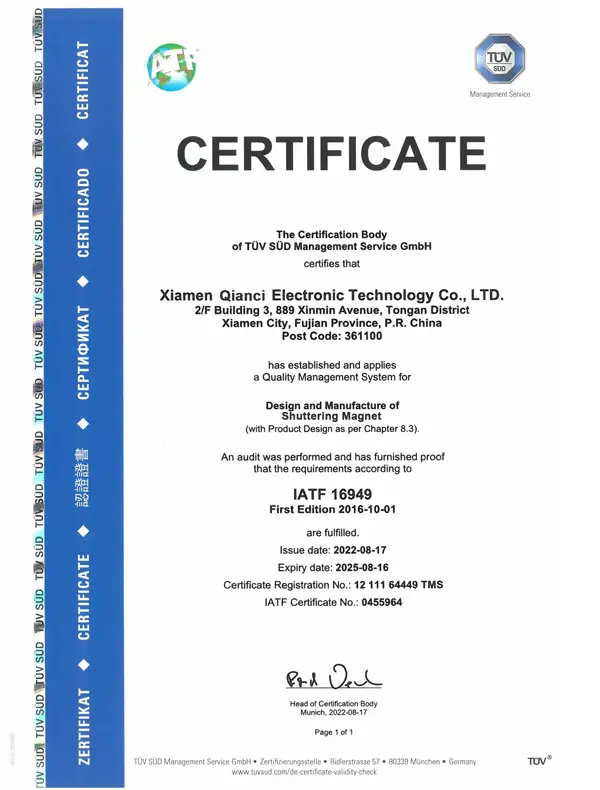
Quality control certifications are crucial. Reputable manufacturers undergo regular ISO 9001 and CE audits. This guarantees that calculated pull forces are accurate and that raw rare-earth minerals are sourced sustainably and processed under rigorous QA standards.
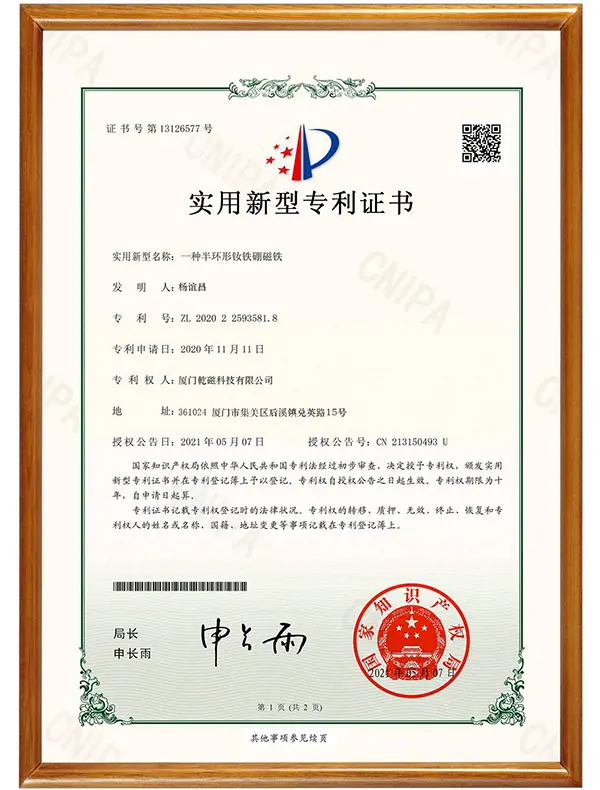
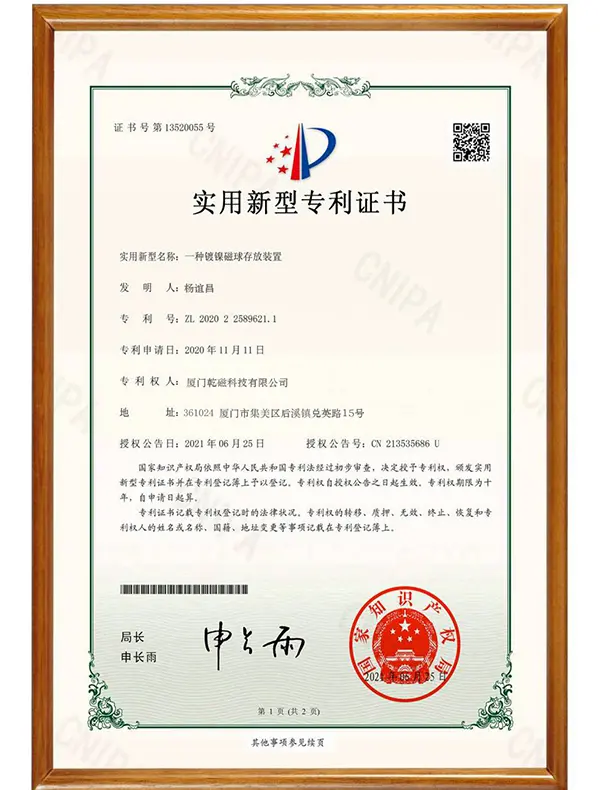
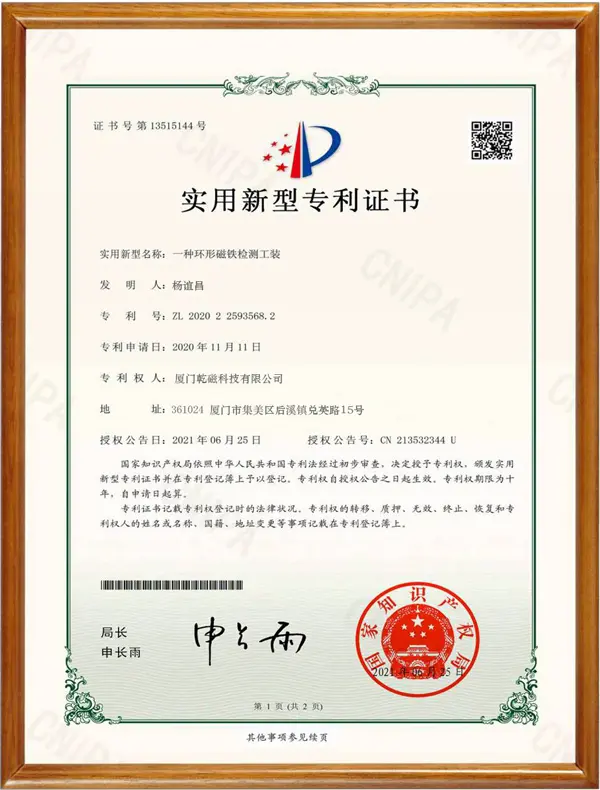
Qianci Magnet maintaining international certifications to meet regulatory guidelines for major construction frameworks.
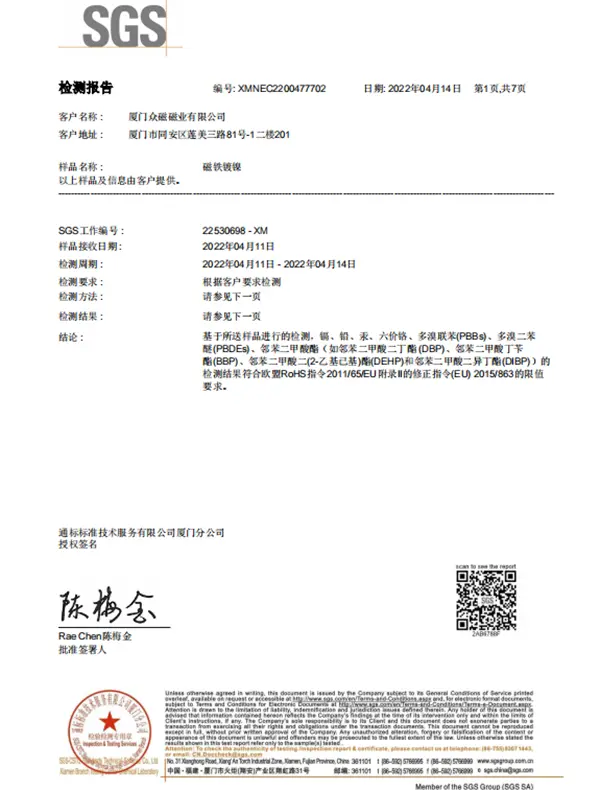
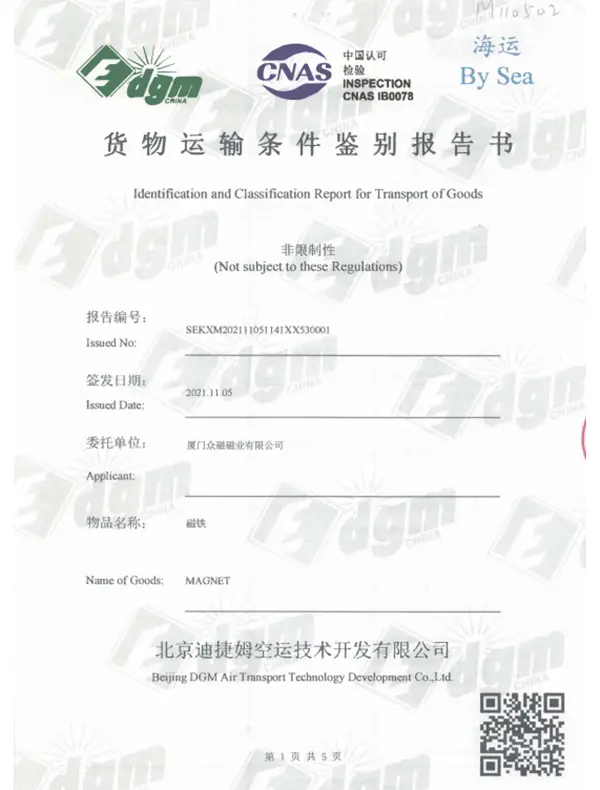
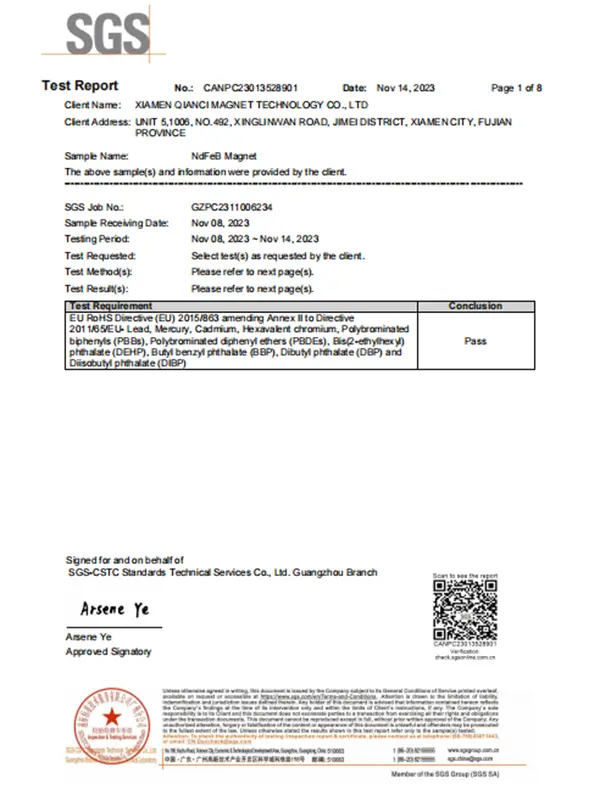
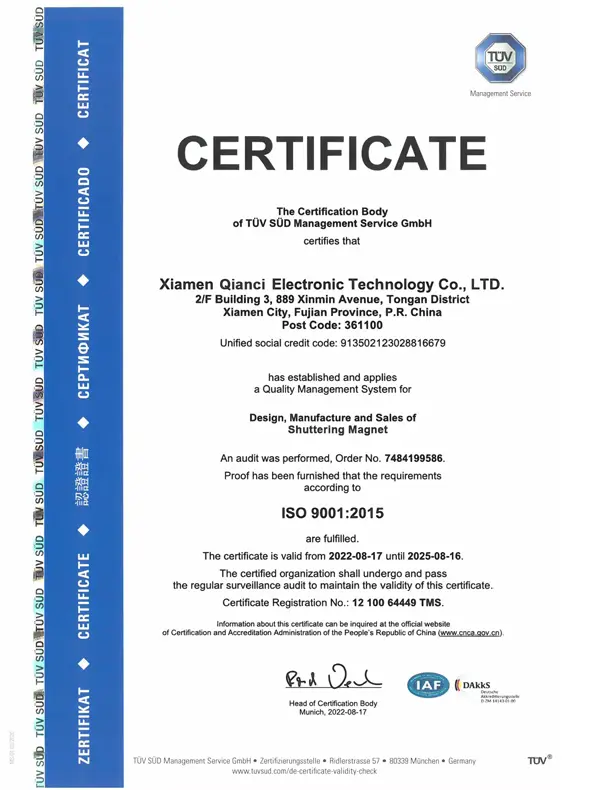
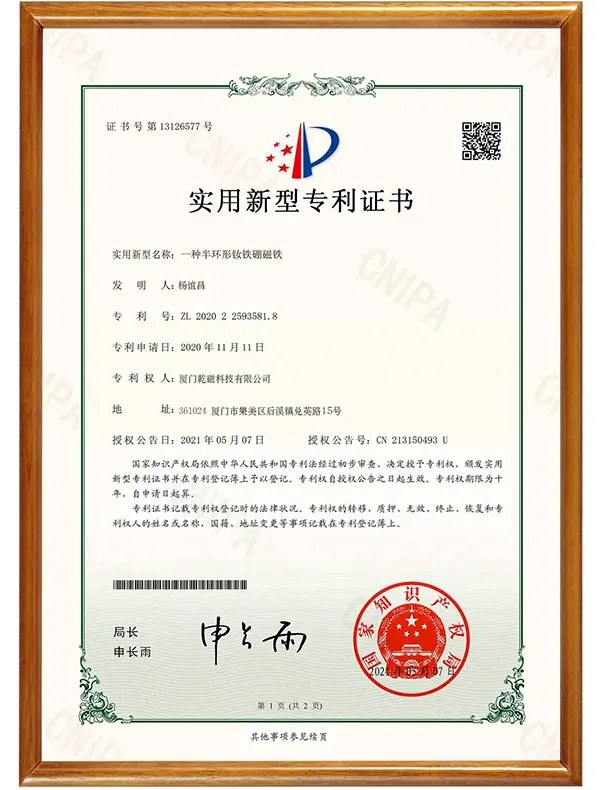
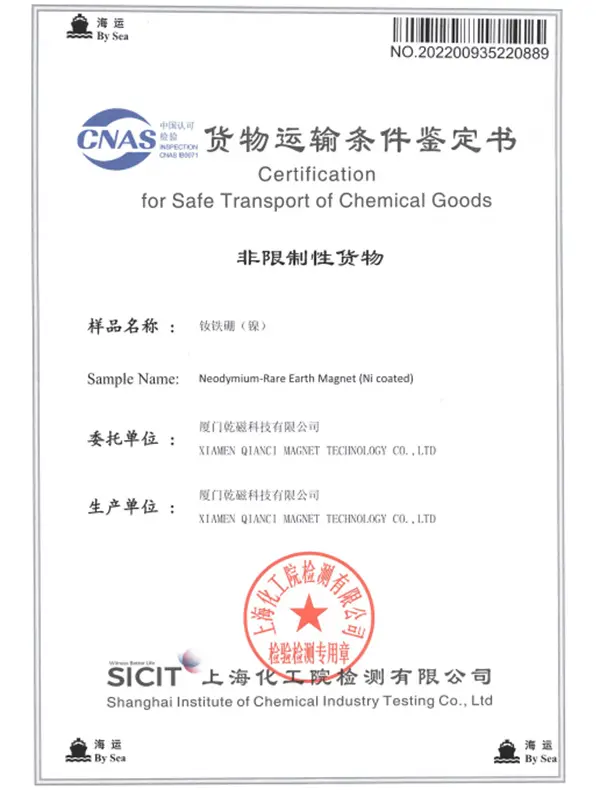
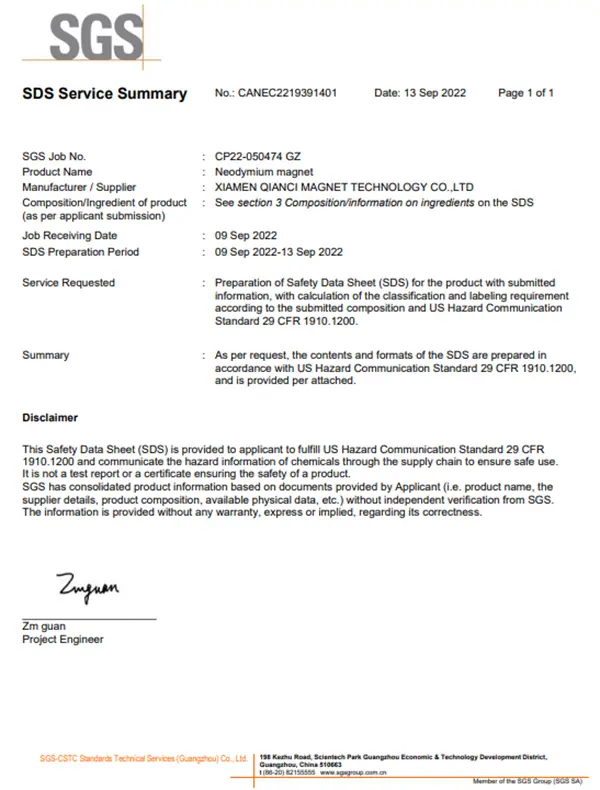
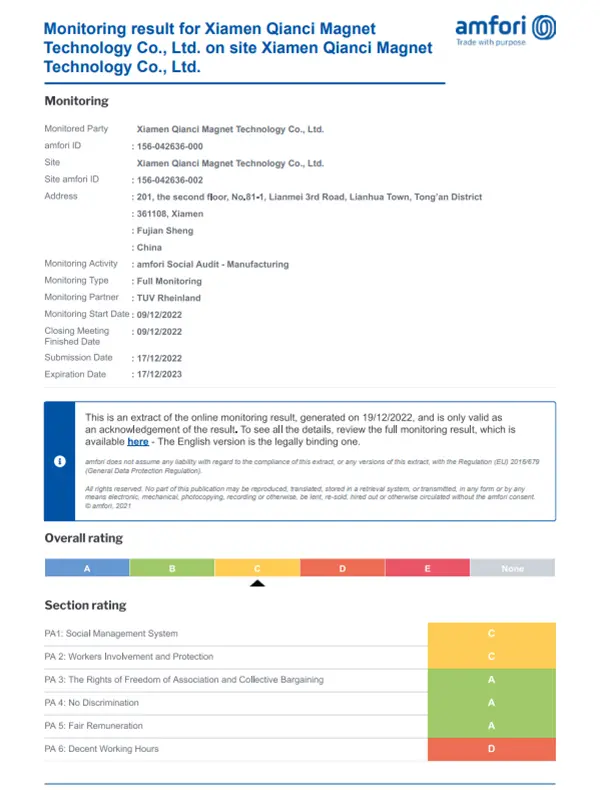
A closer look at how modern magnet configurations handle the mechanical demands of automated and semi-automated casting.
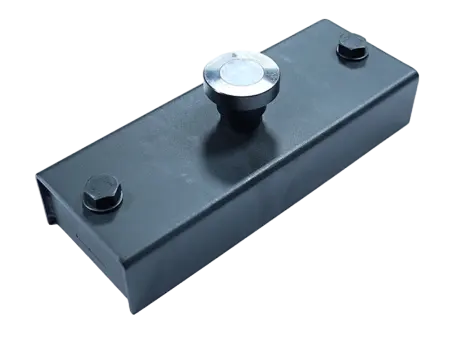
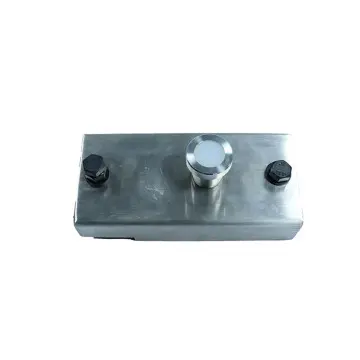
The shuttering magnet for concrete formwork is a proven safe and efficient tool in precast concrete production. It features a 1600kg series with a large magnetic force, reusability, and durability.
Learn More →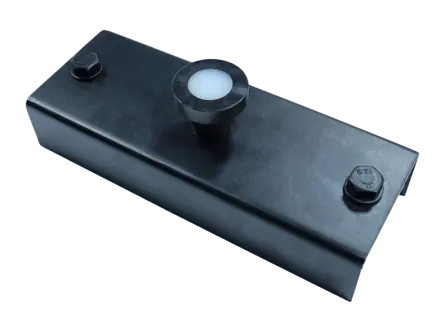
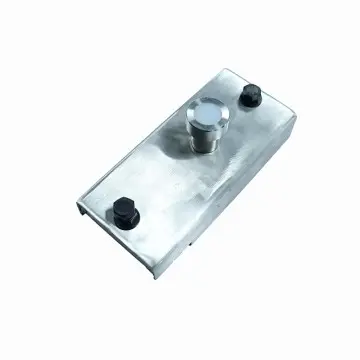
The advantages of 4600 lbs(2100kg) pull force Precast Concrete Shuttering Magnet for Concrete Formwork in product manufacturing are obvious, it can increase productivity and quality improvement.
Learn More →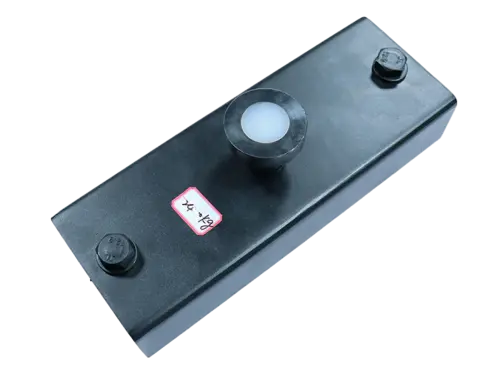
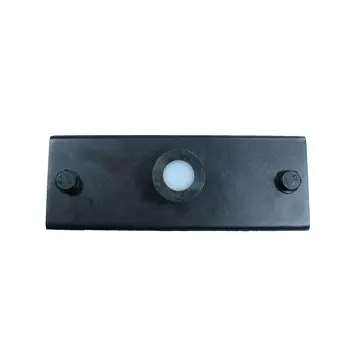
This precast magnets with 5300 lbs(2400kg) magnetic force is a popular product in Europe now. Its powerful magnetism can handle a variety of usage scenarios, such as house construction walls.
Learn More →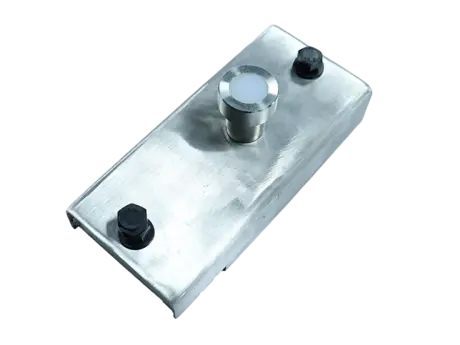
The 1300kg vertical tensile force neodymium precast concrete magnet is commonly used to hold the side moldings of precast concrete elements (e.g. flat floor slabs, walls) in place.
Learn More →Reference values for selecting the appropriate magnetic box capacity based on element heights and casting thickness.
| Model Code | Vertical Pull Force (kg) | Clamping Mechanism | Formwork Material Compatibility | Curing Temperature Limit |
|---|---|---|---|---|
| QCM-600 | 600 kg | Single Button Manual | Wood / Aluminum Formwork | 80°C (Standard) / 120°C (High-Temp Custom) |
| QCM-900 | 900 kg | Manual Button / Lever Release | Thin Steel / Timber Combinations | 80°C (Standard) / 120°C (High-Temp Custom) |
| QCM-1300 | 1300 kg | Manual Button / Robot Grip Compatible | Medium Precast Walls / Steel Formwork | 80°C (Standard) / 120°C (High-Temp Custom) |
| QCM-1800 | 1800 kg | Heavy-Duty Push Button | Structural Beam Moulds / Solid Slabs | 80°C (Standard) / 120°C (High-Temp Custom) |
| QCM-2100 | 2100 kg | Reinforced Steel Housing Button | Large External Wall Panels / Steel Moulds | 80°C (Standard) / 120°C (High-Temp Custom) |
| QCM-2500 | 2500 kg | Dual-Spring Lever Button System | High-Profile Precast Slabs & Bridges | 80°C (Standard) / 120°C (High-Temp Custom) |
Stay up to date with QCM Magnet's technological updates and upcoming international construction technology exhibitions.
Precast concrete systems: Shuttering molds shape edges/openings on flat surfaces using magnetic fixation, while mold systems secure larger three-dimensional structural profiles...
Read Article →
QCM, a global leader in magnetic components, will participate in UK Construction Week 2025. From May 7th to 9th, showcasing magnetic fixings designed to optimize precast workflows...
Read Press Release →Get answers to technical queries regarding magnet maintenance, force estimation, and product customization.
Heavy-duty, carbon-steel-plated magnetic shutters engineered to secure high-profile wall and structural elements.