
High-performance magnetic fixing solutions engineered for steel formwork tables on Ghanaian infrastructure projects.
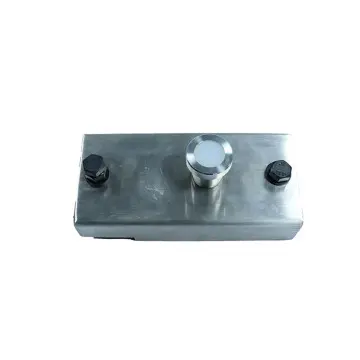
Engineered for quick fixing of precast side molds on solid steel platforms. Offers high pull-force reliability under extreme West African atmospheric humidity.
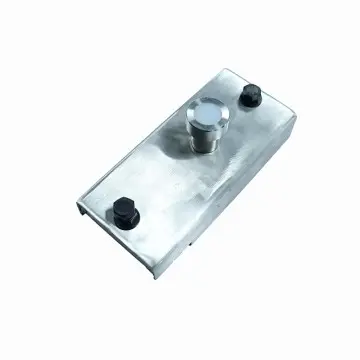
Optimized vertical pull force utilizing NdFeB rare earth magnets. Prevents formwork displacement during high-frequency concrete compaction.
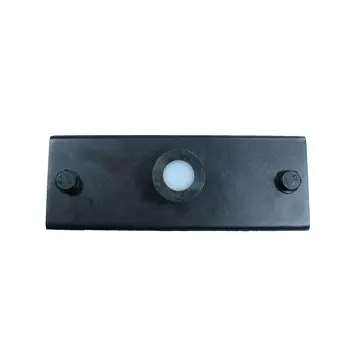
Heavy-duty carbon steel housing with anti-corrosion coating. Designed specifically to endure abrasive concrete aggregates and continuous washdown cycles.
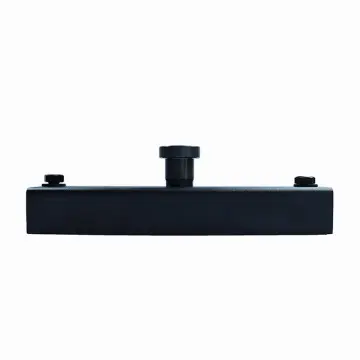
A lightweight yet powerful magnetic solution. Ideal for securing side forms in boundary wall and precast column manufacturing plants.
The construction landscape in Ghana—spanning key urban centers like Accra, Kumasi, Sekondi-Takoradi, and Tamale—is undergoing a rapid transformation. With the government’s focus on long-term infrastructure, including the Expansion of the Tema Port, affordable housing initiatives, and industrial corridors, construction firms are transitioning from traditional cast-in-situ concrete to advanced precast manufacturing. This shift minimizes material waste, enhances project quality, and drastically compresses project timelines.
However, precast concrete plants face specific local challenges. Tropical temperatures reaching up to 35°C paired with relative humidity levels exceeding 85% in coastal regions accelerate the degradation of formwork materials. Classic timber chamfer strips warp, split, and deteriorate, leading to high operational replacement costs and flawed, non-linear edge finishes. The adoption of Magnetic Concrete Chamfers resolves these structural inefficiencies, offering reusable, rust-resistant edge configurations that attach instantly to steel casting beds without welding or drilling.
Understanding the engineering distinctions between steel, rubber, and urethane magnetic chamfer profiles.
A magnetic concrete chamfer is not simply a piece of magnetized metal. It is a highly engineered system that utilizes integrated Neodymium (NdFeB) or Ferrite magnetic blocks encased in a specific protective housing. The selection of housing—whether steel, rubber, or polyurethane (urethane)—determines the chamfer's performance under dynamic loads and abrasive forces.
| Chamfer Type | Core Magnetic Material | Lifespan / Durability | Flexibility & Custom Shapes | Corrosion Resistance | Best Application Scenario |
|---|---|---|---|---|---|
| Steel Magnetic Chamfer | Sintered NdFeB (Neodymium) | High (Reusable 3+ Years) | Rigid / Fixed Linear Edges | Medium (Requires Oiling) | Long-run standard precast wall panels and columns. |
| Urethane / Polyurethane | Flexible Bonded Magnet | Medium-High (Resists tearing) | Semi-Flexible | Excellent (Chemical Inert) | Smooth finishes with high concrete release properties. |
| Rubber Magnetic Chamfer | Barium/Strontium Ferrite | Medium (Reusable 1 Year) | Extremely High / Curve-friendly | High | Complex geometric forms, curved edges, and custom precast molds. |
| PVC Magnetic Chamfer | Embedded Magnet Strips | Low-Medium | Semi-Rigid | High | Cost-conscious projects requiring light chamfering. |
In precast operations, the main threat to chamfer integrity is the concrete hydrostatic pressure and high-frequency vibration used for compaction. If the magnetic pull force is insufficient, concrete slurry leaks under the chamfer, causing "bleeding" and forcing labor-intensive manual grinding after demolding. Our products utilize top-grade NdFeB magnets that exert up to 100 kg of pull force per meter, ensuring a hermetic seal against the steel bed under intense kinetic force.
How magnetic chamfers optimize precast concrete plants globally and locally.
All steel and magnet assemblies comply with the Ghana Standards Authority (GSA) structural guidelines to ensure safe mechanical handling inside factories.
We manage bulk maritime shipping directly to the Port of Tema and Port of Takoradi, handling complex custom documentation and magnetic field emission reports for air-freight compatibility.
Special epoxy coats or hot-dip galvanization layers are applied to steel housings to withstand the high-salinity air of coastal Ghana.
For large-scale construction enterprises in Ghana, procurement is not just about unit price; it is about total cost of ownership (TCO) and supply chain continuity. Purchasing low-quality magnetic components from unverified suppliers results in magnet demagnetization within months due to temperature-induced crystal lattice degradation, especially when concrete curing utilizes steam heating systems.
When sourcing precast magnetic fixing devices, procurement engineers must require demagnetization curve reports (Hysteresis loops) confirming the thermal stability of the Neodymium magnets up to 80°C or 120°C (depending on the curing process). Furthermore, purchasing managers should ensure that the magnetic concrete chamfers are designed with integrated structural release mechanisms or are easily removable with custom release levers, avoiding direct hammer blows that fracture the brittle rare-earth cores inside.
Discover our industrial-grade catalog of magnetic strips, urethane profiles, and lifting systems serving Ghana.
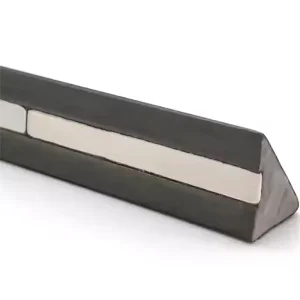
Precision-manufactured bevels designed for rapid setup on precast steel tables. Resists extreme weather conditions.
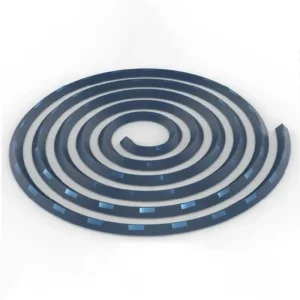
Flexible, tear-resistant polyurethane housing with embedded strong magnets. Delivers smooth concrete edge finish.
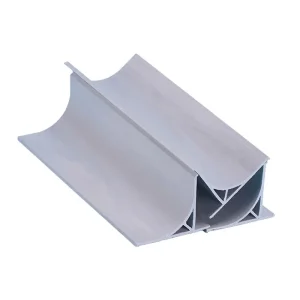
Cost-efficient PVC chamfers with excellent seal parameters, avoiding concrete slurry leakage on site.
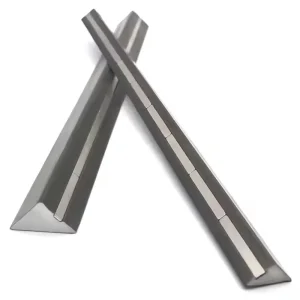
Heavy-duty triangular profile with robust magnetic force. Perfect for repeat casting cycles in large precast plants.
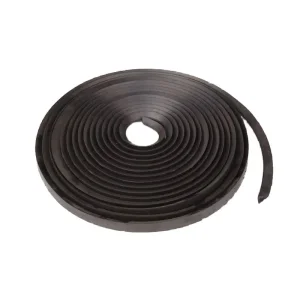
Highly flexible rubber magnetic strips. Perfect for radius formwork and structural columns in modern developments.
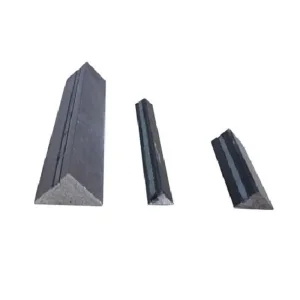
Premium-grade carbon steel construction with embedded permanent Neodymium magnets. Engineered to endure.
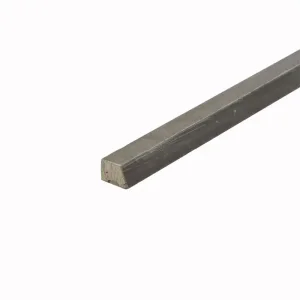
Specialized trapezoidal design for stormwater and structural drain channels. Precise edge shaping guaranteed.
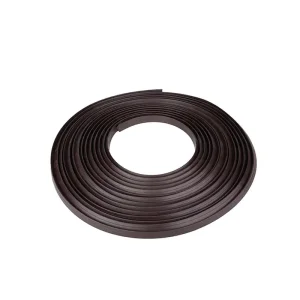
Easy to cut, modify, and position. Ideal for onsite modifications and smaller precast production batches.
Pioneering automation-ready magnetic components for West Africa's smart cities.
As automated shuttering robots enter the global precast arena, our magnetic systems feature standardized picking notches. This allows pneumatic arms to position and deactivate magnets automatically, preparing local plants for the transition to Industry 4.0.
By replacing single-use timber and plastic chamfers with recyclable steel and rubber alternatives, precast factories reduce their solid waste footprint to nearly zero, satisfying international green building credentials.
Developing multi-layered metallic protection systems, combining Zn-Ni plating and heavy-duty fluoropolymer finishes. This tech ensures zero oxidation even when exposed to abrasive concrete curing chemicals and coastal salt mist.
Technical insight from our engineering division regarding magnetic concrete chamfers.
A: Standard rare-earth Neodymium magnets (NdFeB) can experience temporary or permanent demagnetization if temperatures exceed 80°C (176°F). For Ghanaian plants using outdoor sun-curing or accelerated steam-curing systems, we manufacture custom chamfer strips equipped with high-temperature resistance grades (such as UH or EH Neodymium magnets), which function reliably up to 120°C or 150°C respectively without magnetic loss.
A: Yes. While 45-degree bevels (triangular profiles) are the standard for columns and beams, we engineer custom-shaped trapezoidal, radius, or multi-stepped profiles to match specific architectural and engineering drawings for municipal infrastructure designs.
A: Steel magnetic chamfers, when kept clean and periodically coated with mold release oil, can easily exceed 3,000 casting cycles (spanning over 3 to 5 years). Flexible rubber magnetic chamfers, while excellent for complex setups and curves, generally withstand 500 to 1,000 casting cycles due to the natural wear and tear of the elastomeric binder material.
A: Concrete slurry build-up acts as an air gap, which dramatically reduces magnetic holding power (force drops exponentially with the gap distance). Chamfers should be cleaned immediately after demolding using a brass wire brush or specialized scraping tool. Avoid using heavy hammer strikes directly on the magnet casing, as this can fracture the internal permanent magnets.