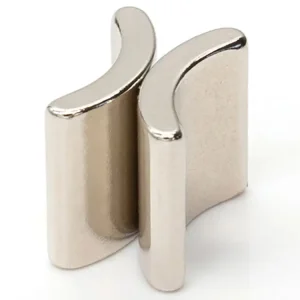

The global market for rare earth permanent magnets—predominantly composed of Neodymium-Iron-Boron (NdFeB) and Samarium-Cobalt (SmCo)—is experiencing unprecedented structural growth. Driven by the worldwide transition to electric mobility, green energy generation, and high-precision industrial automation, the demand for high-coercivity magnets is projected to double within the next decade. Modern engineering demands maximum torque density and miniaturization, criteria that can only be satisfied by utilizing rare earth elements like Dysprosium (Dy) and Terbium (Tb) to improve thermal stability in NdFeB compounds.
As a premier OEM exporter, we recognize that the supply chain structure is highly concentrated. China commands the majority of the mining, refining, and manufacturing capacity. This centralization makes it critical for procurement teams to partner with manufacturers who not only guarantee raw material stability but also possess advanced metallurgy controls to supply high-grade custom elements. Our manufacturing capabilities incorporate stringent quality gates to assure chemical uniformity, avoiding the pitfalls of degradation under thermal strain.
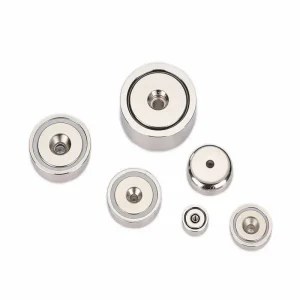
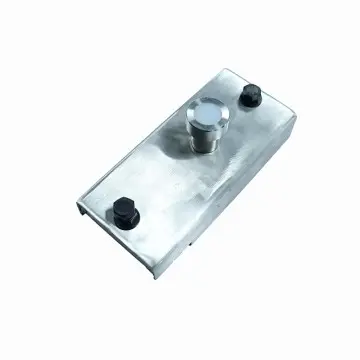
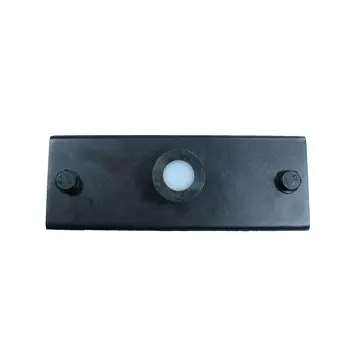
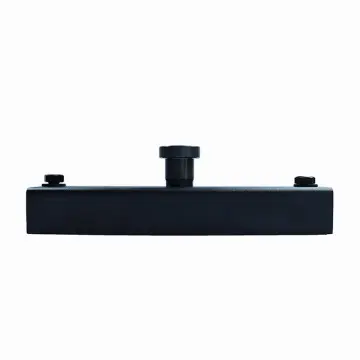
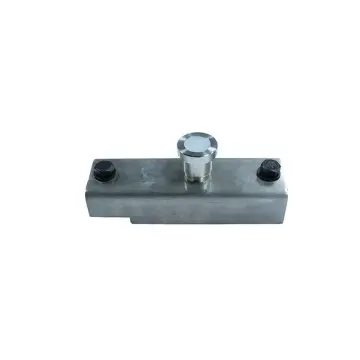
QCM Magnet specializes in offering complete magnetic fixing solutions for the production of precast concrete components. Our primary products include Shuttering Magnets and their corresponding accessories, Formwork Magnets, Magnetic Chamfering Strips, and various pre-embedded insert magnets.
Utilizing magnetic fixing in precast concrete component production prevents damage to the platform, enhances work efficiency, reduces labor costs, and promotes economic efficiency as the magnetic fixing devices are reusable.
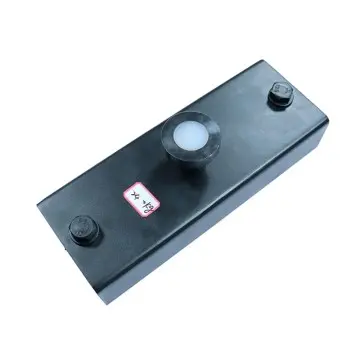
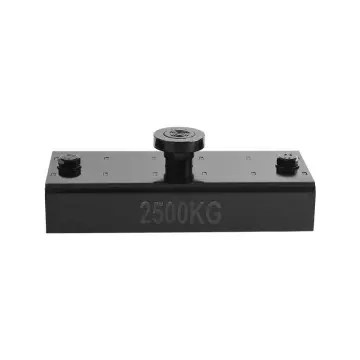
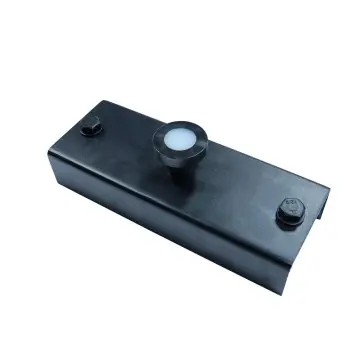
In modern infrastructure and residential construction, the push toward modularization is redefining efficiency targets. Traditional precast concrete manufacturing relies heavily on mechanical screwing, welding, or physical clamping to lock the wooden or steel formwork into place on the vibration tables. This method degrades the steel tables rapidly, creating massive capital expenditure losses in plate maintenance and replacement.
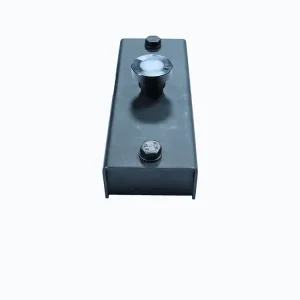
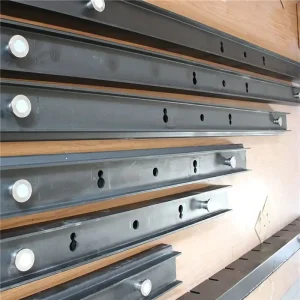
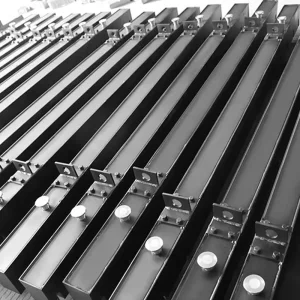
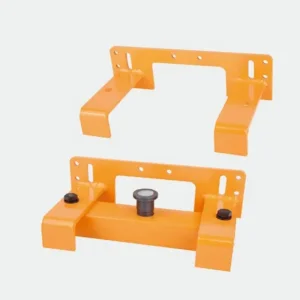
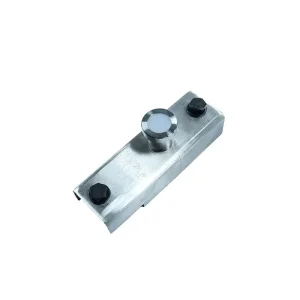
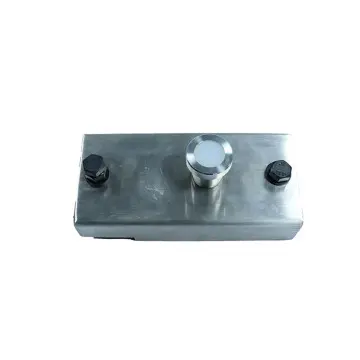
By implementing advanced shuttering magnets and magnetic formwork solutions, precast concrete factories eliminate welding damage entirely. The magnetic box relies on high-grade sintered NdFeB blocks housed within an isolated carbon-steel or stainless-steel casing. Through a spring-activated mechanism, operators can engage hundreds or thousands of kilograms of holding force instantly by pressing down a plunger button, securing the shuttering profile safely.
"Integrating magnetic fixing in precast concrete plants reduces formwork setup times by up to 70%, yielding direct operational cost savings and preventing steel casting plate fatigue."
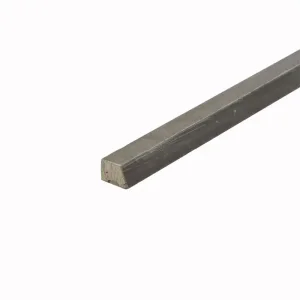
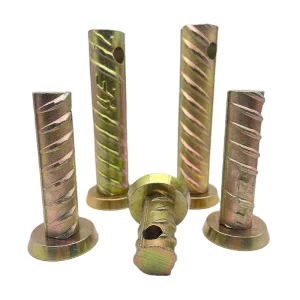
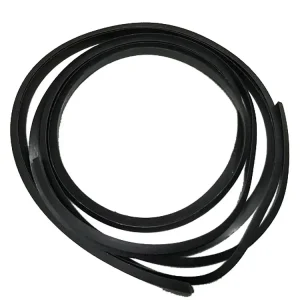
To address diverse edge-forming requirements, engineers utilize auxiliary components like triangular magnetic chamfers (for beveling edges), trapezoidal chamfer strips, and magnetic embed fixtures for threaded lifting sockets or electrical junction boxes. This systemic approach guarantees that structural concrete components are cast with high dimensional precision, streamlining subsequent on-site installation processes.
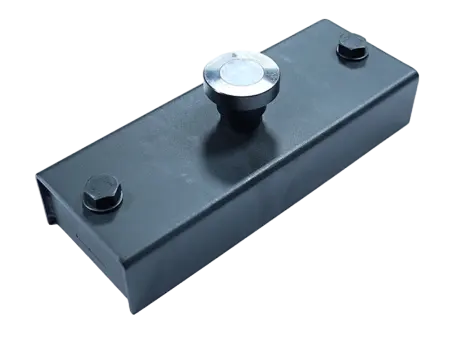
Proven safe and efficient tool featuring a 1600kg series with massive holding force.
View Details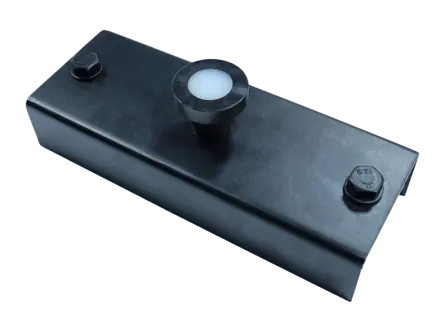
Boosts productivity and dimensional quality of finished structural slabs.
View Details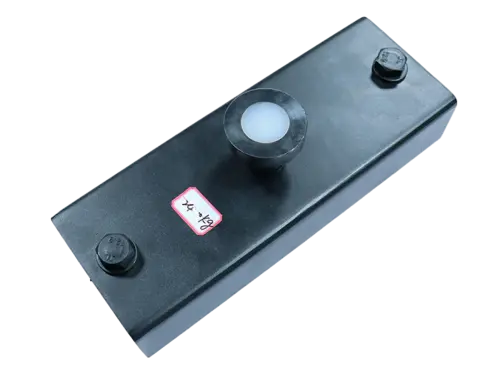
Highly popular across European construction markets, versatile for housing projects.
View Details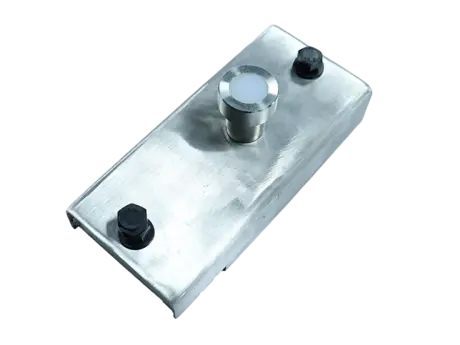
Perfectly sized for securing edge shuttering profiles on flat floor molds.
View DetailsAs motor components and structural fixtures are pushed to harsher settings, magnet metallurgy has adapted. High-temperature operation causes standard NdFeB magnets to undergo irreversible demagnetization due to internal domain misalignment. To counter this, OEM factories utilize Dysprosium-grain boundary diffusion (GBD). GBD technology selectively infuses heavy rare earths (Dy/Tb) through the grain boundaries instead of alloying the entire grain. This results in a magnet with high coercivity and high remanence while minimizing rare earth consumption, directly keeping production costs down for international buyers.
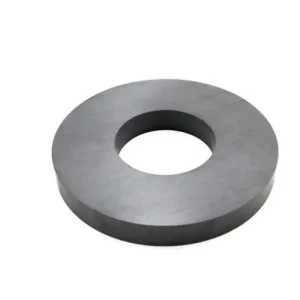
For applications where temperatures exceed 200°C, such as high-output motor rotors, Samarium Cobalt (SmCo) remains the material of choice. While its room-temperature magnetic flux density is slightly lower than that of Neodymium, SmCo retains its magnetic alignment up to 350°C and exhibits exceptional resistance to corrosion, meaning external coating protection is often unnecessary. Meanwhile, Alnico (Aluminum-Nickel-Cobalt) and custom Ferrite rings maintain key niches—particularly in guitar pickups and automotive speaker assemblies—due to their linear demagnetization curves and manufacturing cost efficiency.
We apply multi-layer electroplating including Ni-Cu-Ni, black epoxy, and zinc barriers to survive moisture, concrete chemical washes, and outdoor exposure.
Internal rare-earth blocks are encased in high-yield carbon steel boxes that amplify and focus the magnetic flux downward to the mounting plate surface.
Using high-coercivity formulations (H, SH, UH, EH series) to prevent magnetism loss under continuous vibrations or strong external fields.

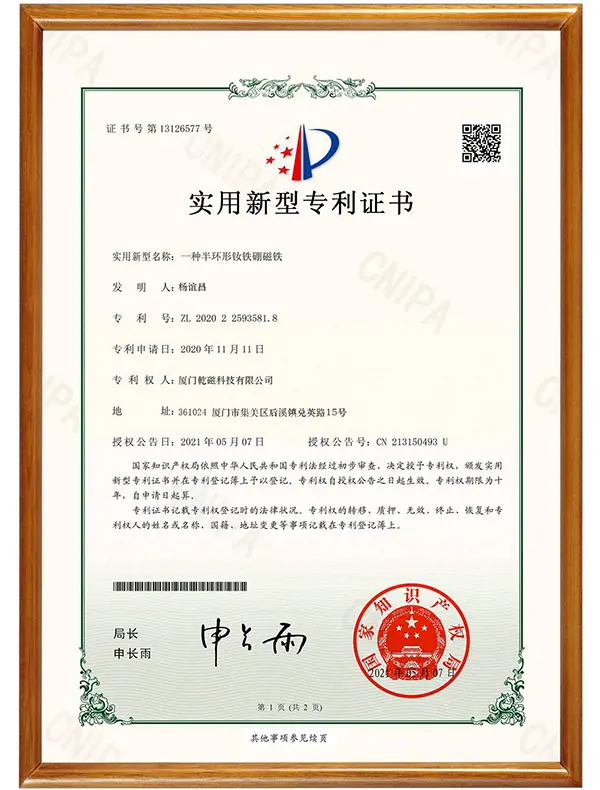
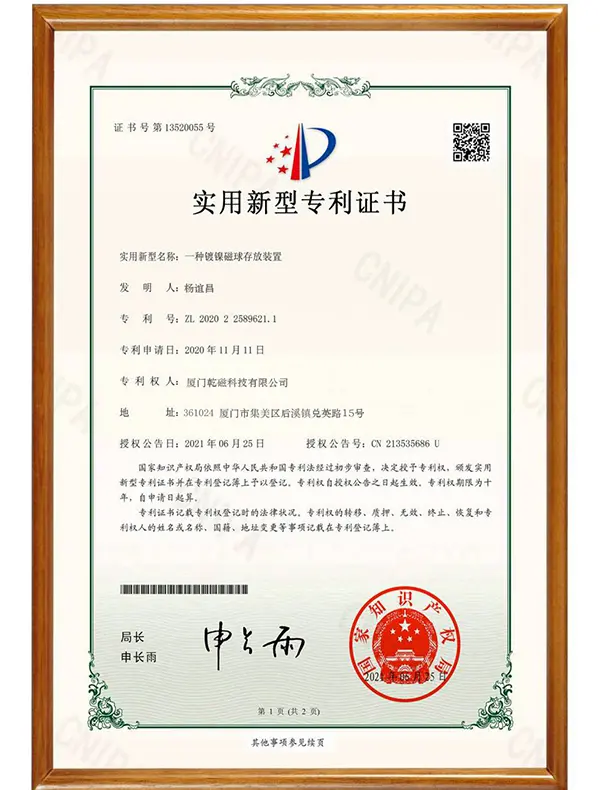
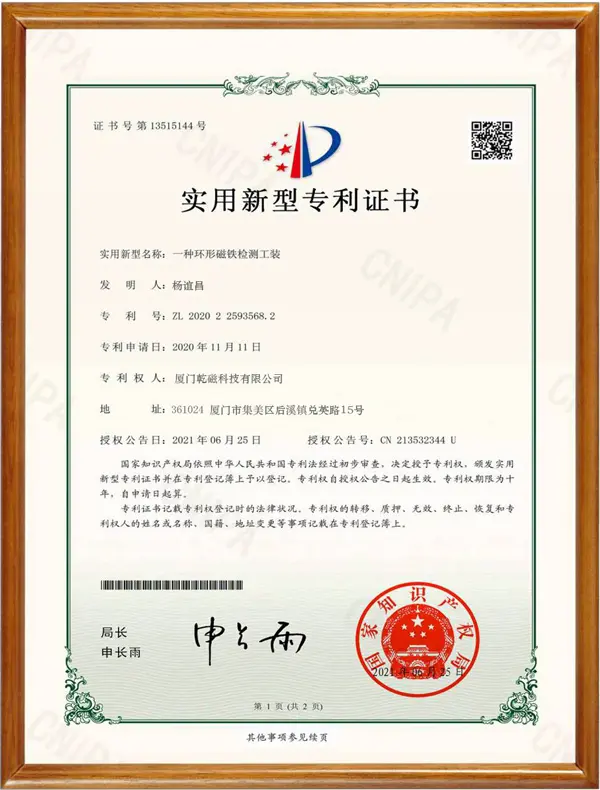
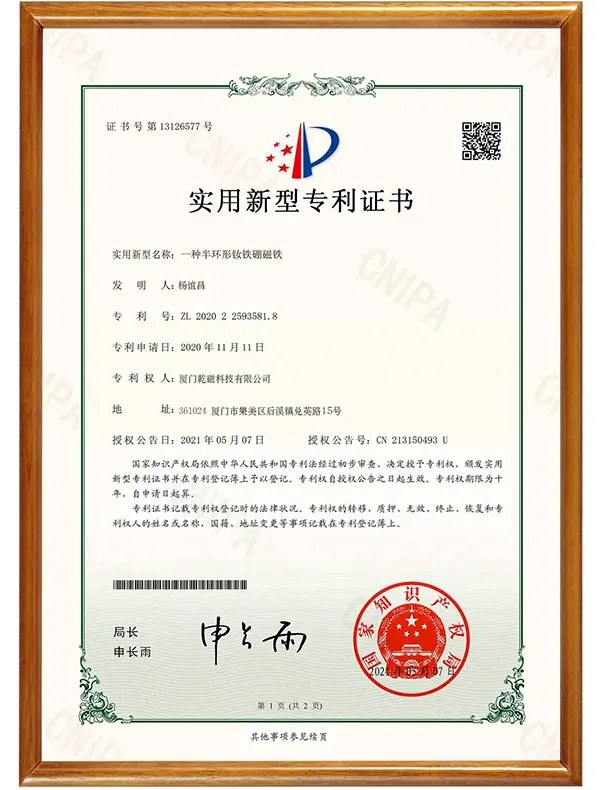
Qianci Magnet is a strong magnetic component factory, specializing in the production and research and development of formwork magnets, magnetic formwork, insert magnets, magnetic concrete chamferers and other products.

Our business mainly involves precast concrete magnetic system solutions, helping you to better carry out concrete element production.

Become a global leading manufacturer and excellent service provider of magnetic solutions for the precast concrete industry.
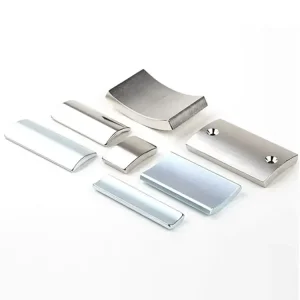
Procuring magnet assemblies internationally requires close coordination on technical parameters. Simple specifications such as "strong magnet" are insufficient for engineering projects. Sourcing divisions must evaluate technical parameters including Remanence (Br), Coercivity (Hcb/Hcj), and Maximum Energy Product ((BH)max). Furthermore, dimensional tolerances must be strictly defined. Standard sintered NdFeB blocks often require wire-cutting or grinding steps to achieve precision tolerances of ±0.05 mm, preventing misalignment inside motor stators or structural steel formwork molds.
Shipping logistics present unique challenges because strong magnets are classified as dangerous goods under IATA rules for air transport. Stray magnetic fields can interfere with navigation systems. To address this, export-ready packaging requires specialized shielding using ferrous sheets and foam layers to contain the magnetic field within the box. Marine shipments, though less restrictive, require robust moisture-barrier packaging to prevent oxidation from humid sea air during multi-week transits.
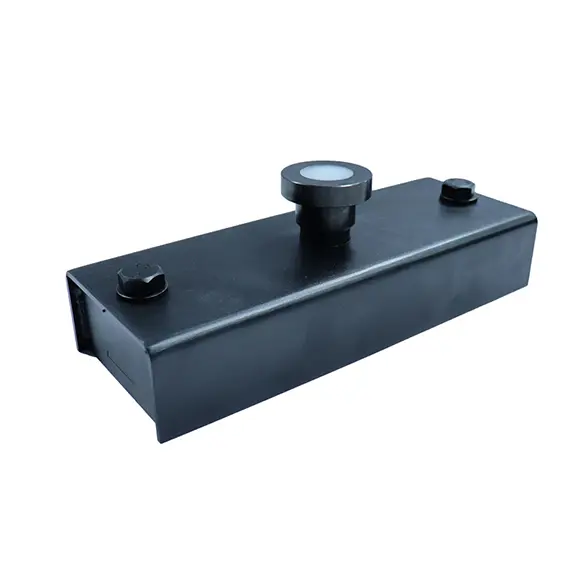
Precast concrete systems: Shuttering molds shape edges and openings on flat surfaces using magnetic fixation, while mold plates form the structural walls...

QCM, a global leader in magnetic components, will participate in UK Construction Week 2025. From May 7th to 9th, showcasing the latest innovations...