Direct factory-to-enterprise procurement for heavy machinery, structural formwork, and precision electro-acoustic magnets.
Neodymium (Atomic Number 60, Nd), when alloyed with iron and boron (NdFeB), forms the most powerful commercially viable permanent magnets known to modern metallurgy. Across sectors such as precast concrete civil engineering, automated magnetic systems, green building envelopes, and automotive drivetrains, the sourcing of Neodymium components governs operational efficiency and system durability. As global infrastructure pushes toward modular, zero-waste construction methodologies, the role of Neodymium element factories and exporters has evolved from simple raw-material suppliers into strategic partners providing high-precision structural fixtures.
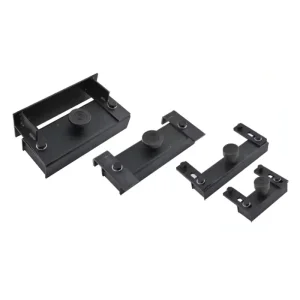
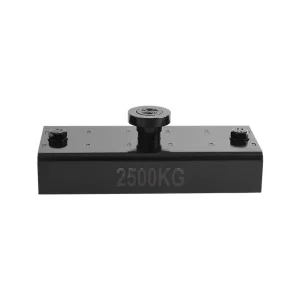
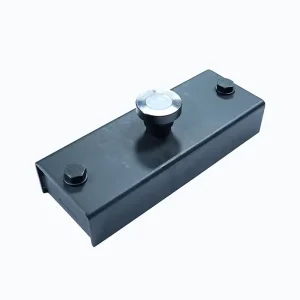
Traditional formwork methods rely heavily on mechanical drilling, welding, and surface damage to structural casting steel beds. Neodymium-based magnetic formwork systems (such as the shuttering magnet and magnetic concrete chamfer) provide an elegant, non-destructive solution. By utilizing Neodymium element properties, structural engineers can activate up to 2400 kg of holding force with the simple press of a button. The magnetic assembly secures plywood or steel profiles perfectly against high-frequency vibrators, ensuring pristine concrete surfaces, zero structural drift, and a tenfold increase in bed reuse cycles.
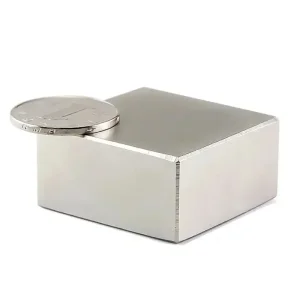
Neodymium elements are prone to atmospheric oxidation and thermal demagnetization. Procuring from certified Neodymium element factories requires deep understanding of coating technologies and thermal grades. Standard N-grade magnets are limited to 80°C. For industrial environments (such as autoclaved precast concrete curing), suppliers must introduce Dysprosium (Dy) or Terbium (Tb) elements into the crystal matrix. This elevates the magnetic anisotropy, producing H, SH, UH, EH, or AH grades capable of withstanding operational temperatures up to 200°C. In parallel, advanced coatings such as three-layer Ni-Cu-Ni, poly-p-xylylene (Parylene), specialized chemical vapor deposition epoxies, and custom rubber-mold vulcanization protect the sintered NdFeB blocks from alkaline concrete slurries and atmospheric humidity.
Engineered for extreme structural loads, vibration resistance, and seamless integration with precast steel bed configurations.
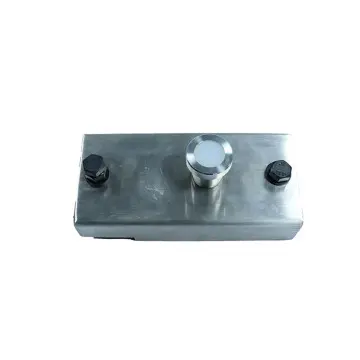
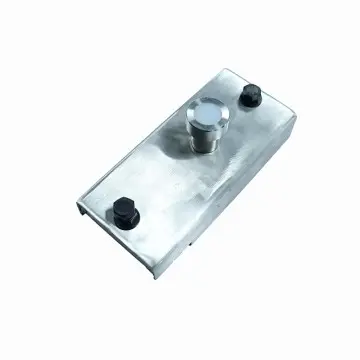
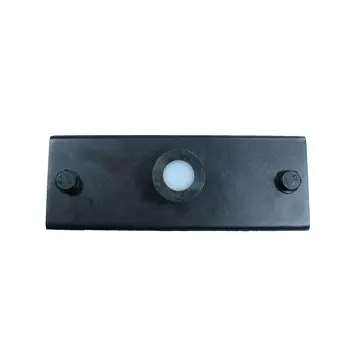
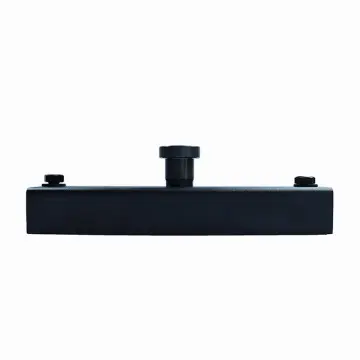
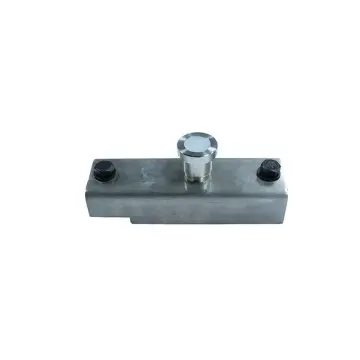
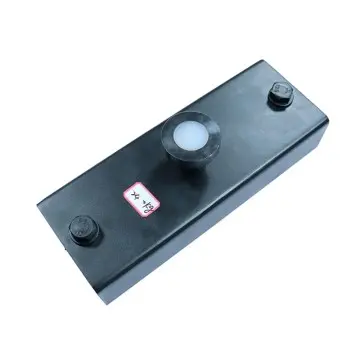
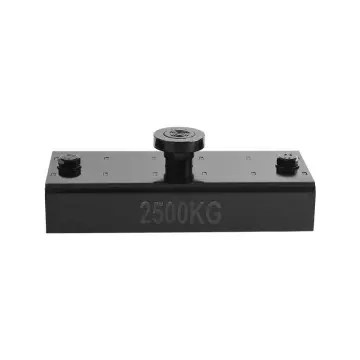
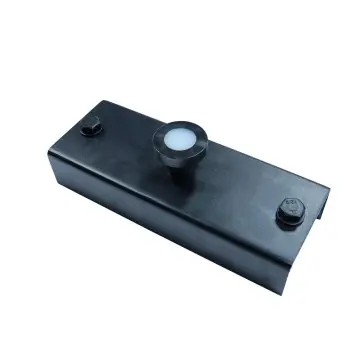
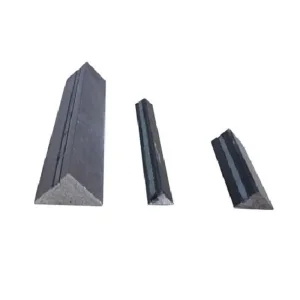
QCM Magnet specializes in offering complete magnetic fixing solutions for the production of precast concrete components. Our primary products include Shuttering Magnets and their corresponding accessories, Formwork Magnets, Magnetic Chamfering Strips, and various pre-embedded insert magnets. Utilizing magnetic fixing in precast concrete component production prevents damage to the platform, enhances work efficiency, reduces labor costs, and promotes economic efficiency as the magnetic fixing devices are reusable.
Using our expertise in magnetic components and our extensive experience in supporting the production of precast components, we have developed numerous new and practical magnetic fixing products. Our products come with complete specifications, excellent quality, ease of operation, and long service life. Additionally, we can promptly customize a variety of magnetic fixing parts to meet the diverse needs of our customers.
We are willing to share our expertise with you to help you solve your specific application needs for magnetic components. Through constant technological evolution, QCM continues to redefine efficiency standards globally.

Qianci Magnet is a strong magnetic component factory, specializing in the production and research and development of formwork magnets, magnetic formwork, insert magnets, magnetic concrete chamferers and other products.

Our business mainly involves precast concrete magnetic system solutions, helping you to better carry out concrete element production. We optimize cycle times and improve structural safety parameters.

Become a global leading manufacturer and excellent service provider of magnetic solutions for the precast concrete industry. We deploy cutting-edge engineering processes and material compliance programs.
Explore our latest technological releases designed to solve critical alignment and holding issues in high-stress civil projects.
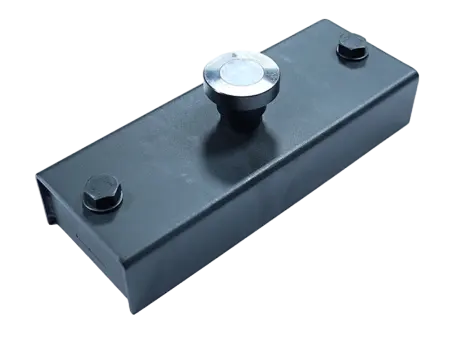
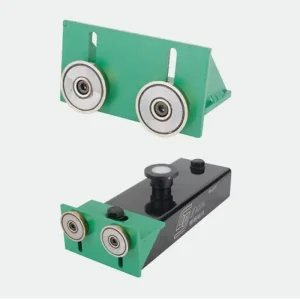
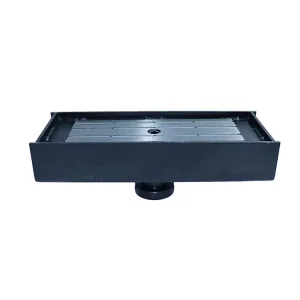
1600kg series with maximum magnetic force, excellent reusability, and heavy duty steel casing durability.
Learn More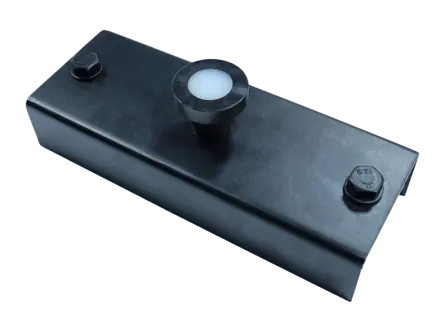
2100kg force design built to elevate overall factory throughput and minimize mechanical vibration drift.
Learn More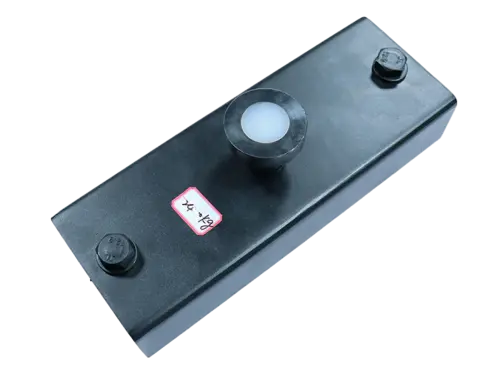
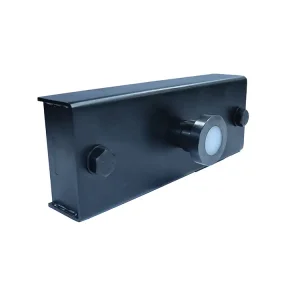
5300 lbs (2400kg) capacity, widely integrated across European housing modular systems and panel lines.
Learn More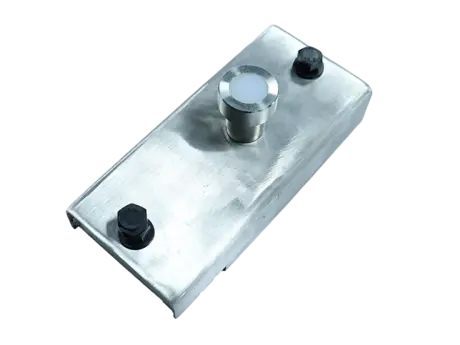
Optimal vertical tensile profile for fixing lateral forms for wall modules and hollow slabs.
Learn MoreFor large-scale EPC contractors and precast element companies, purchasing Neodymium elements involves complex logistics and quality verification. Because China produces over 80% of global rare earth products, developing deep alliances with reliable exporters guarantees price stability and material consistency. Enterprise buyers must prioritize factories that deploy complete vertically integrated production structures—from rare earth extraction and refining to sintered block fabrication, mechanical machining, surface treatment, and magnetic system integration. This minimizes cumulative margins and guarantees full traceability across the manufacturing cycle.
The next decade of Neodymium structural applications is defined by sustainability and automation. As green building certifications (LEED, BREEAM) penalize carbon-intensive concrete casting methods, the efficiency of reusable shuttering magnets directly translates to environmental compliance. Modern research focuses on "Green Sintered Neodymium" that incorporates recycled magnet feedstock, retaining over 98% of virgin magnetic performance while reducing energy footprints during metal refining. Concurrently, integration of wireless smart sensors within the magnet box enables automated confirmation of holding force, alerting robotic demolding systems of structural anomalies before pouring operations begin.
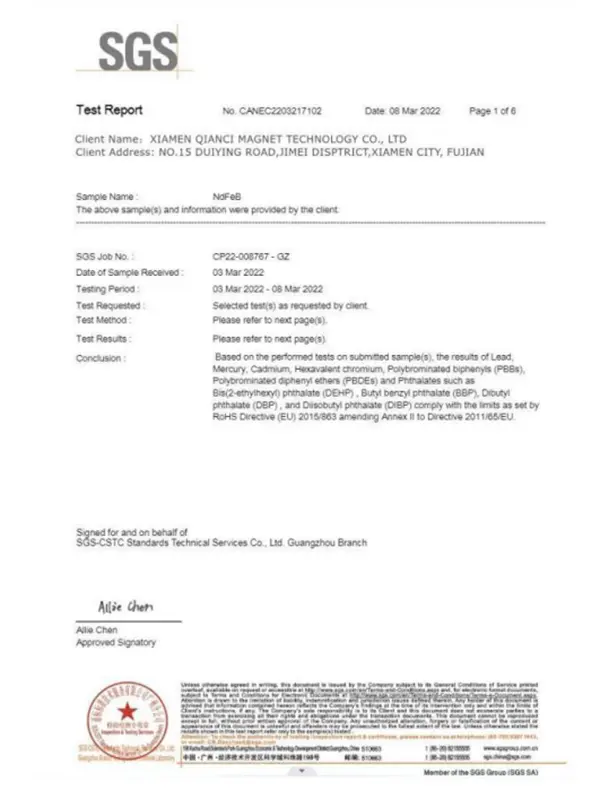
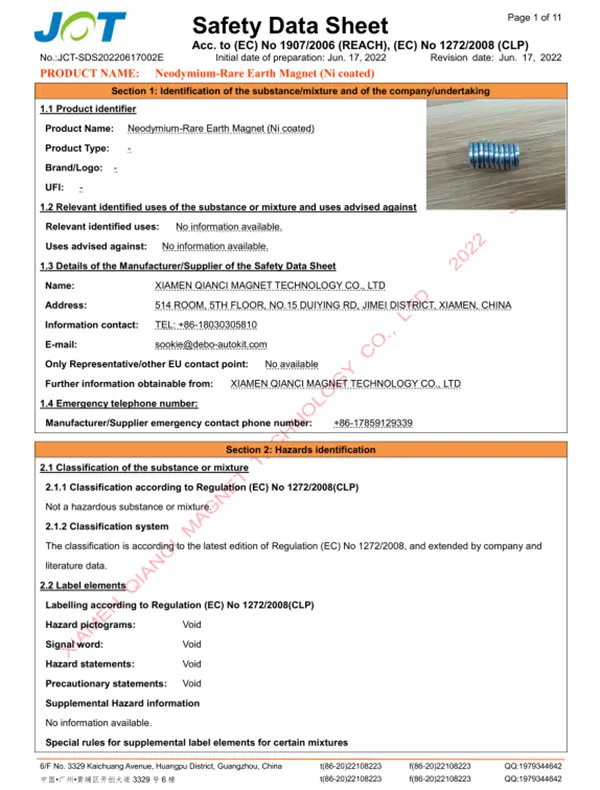
QCM products undergo rigorous metallurgical testing, magnetic field mapping, and raw tensile testing to verify mechanical safety parameters.
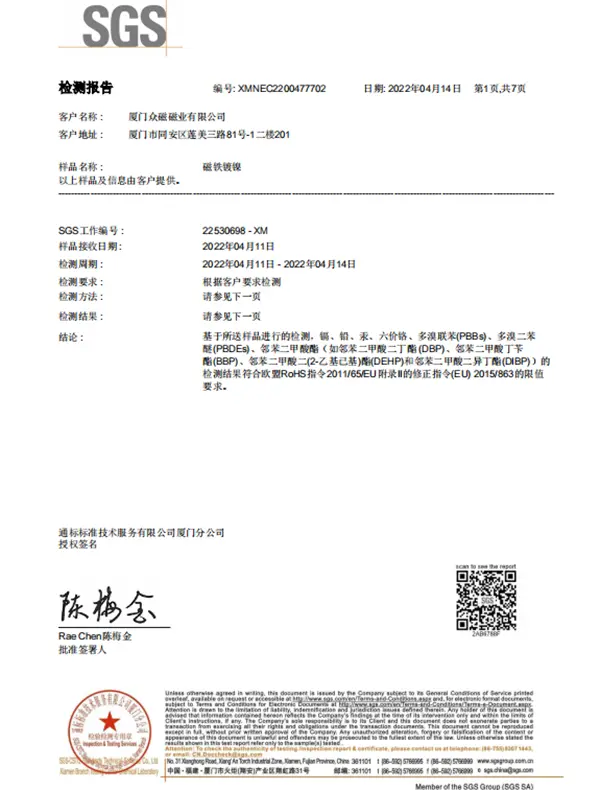
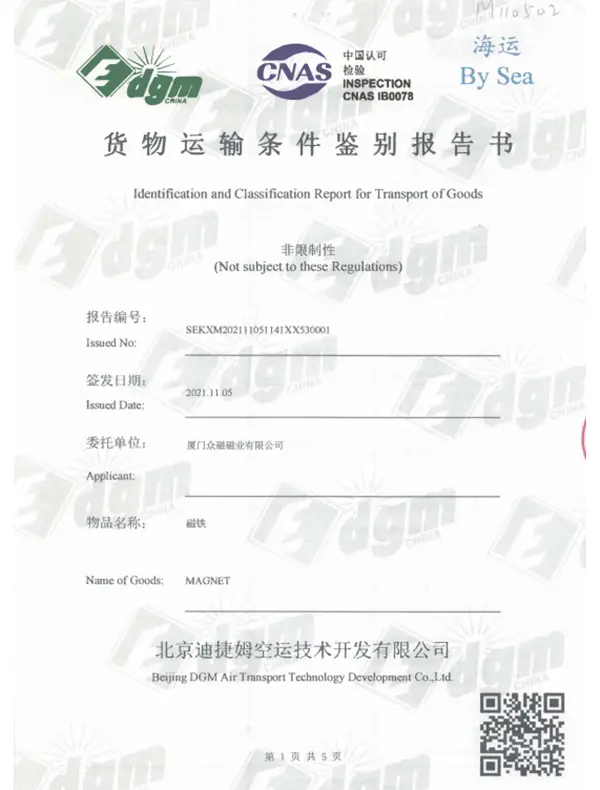
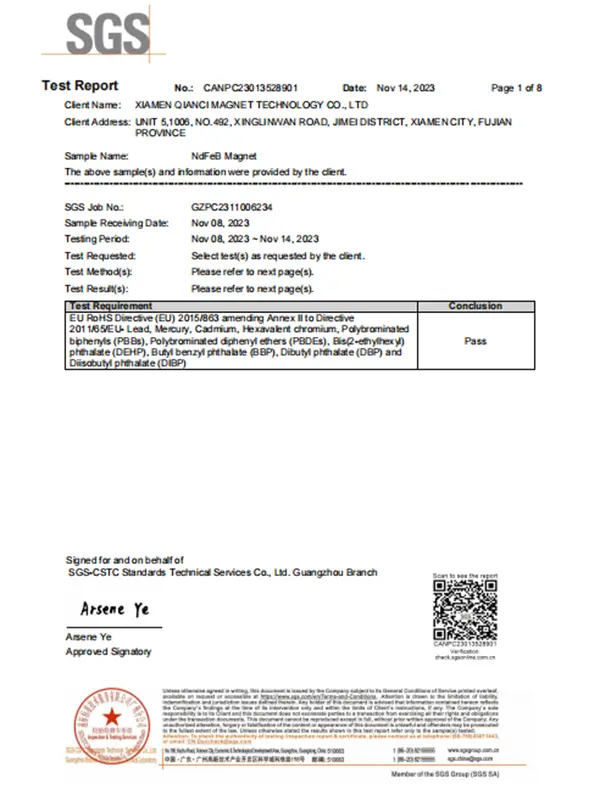
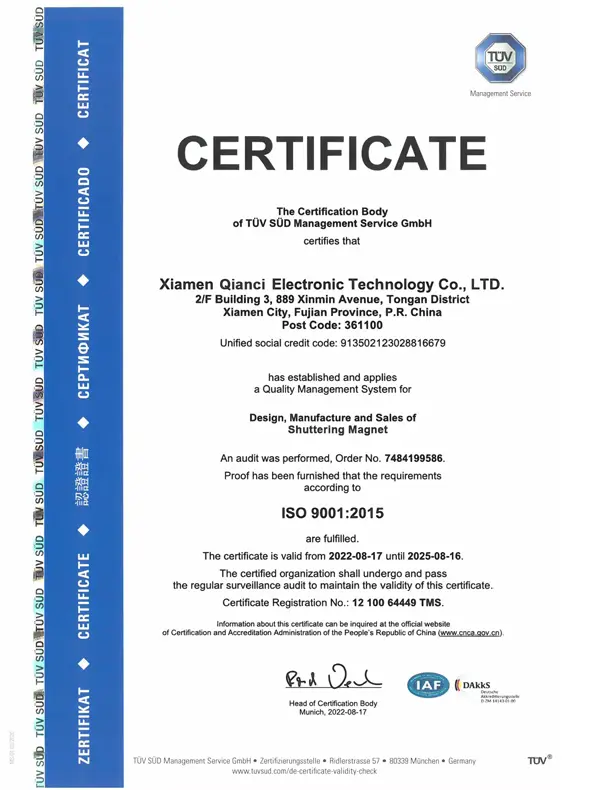
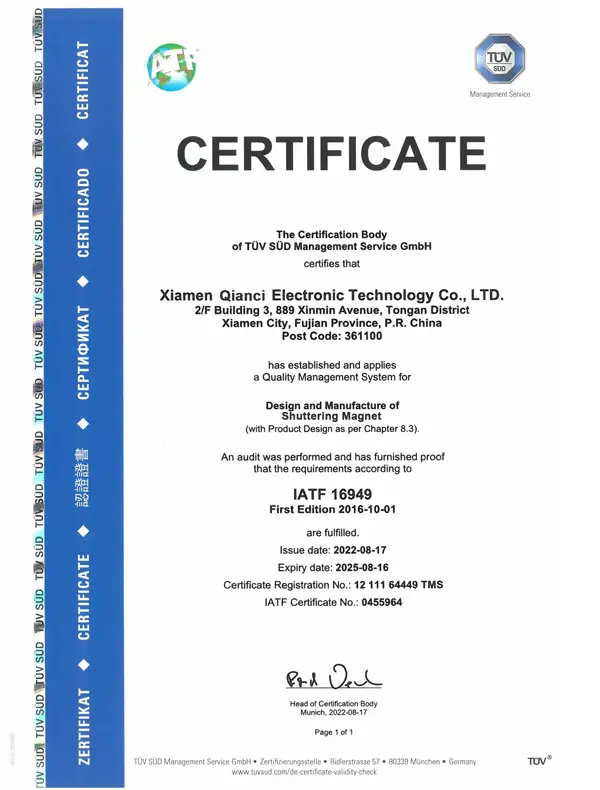
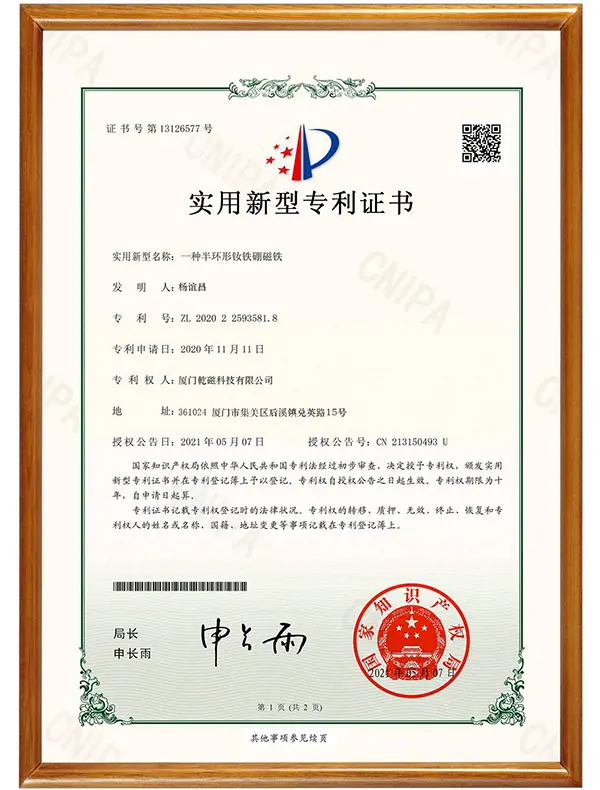
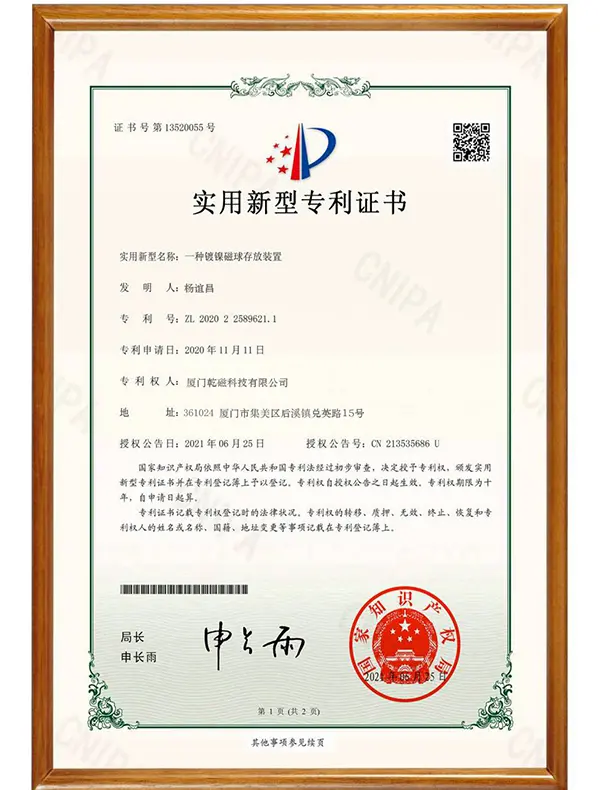
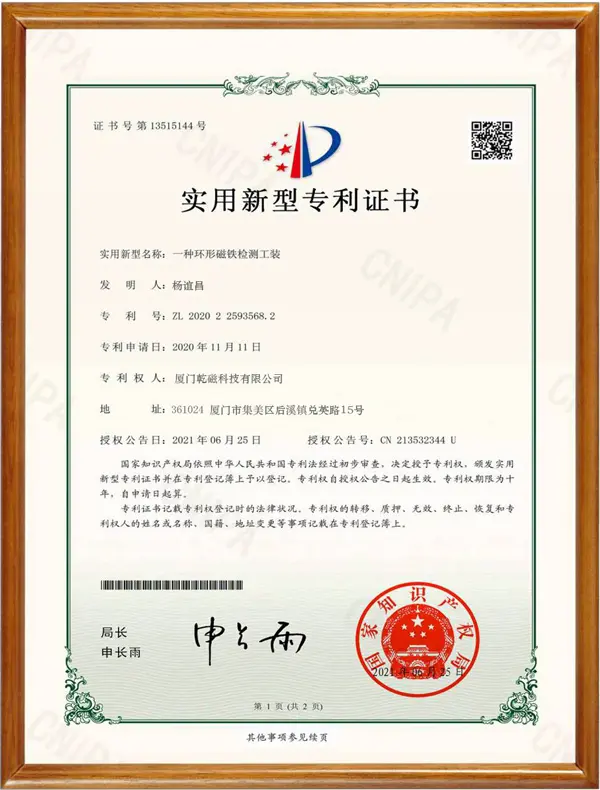
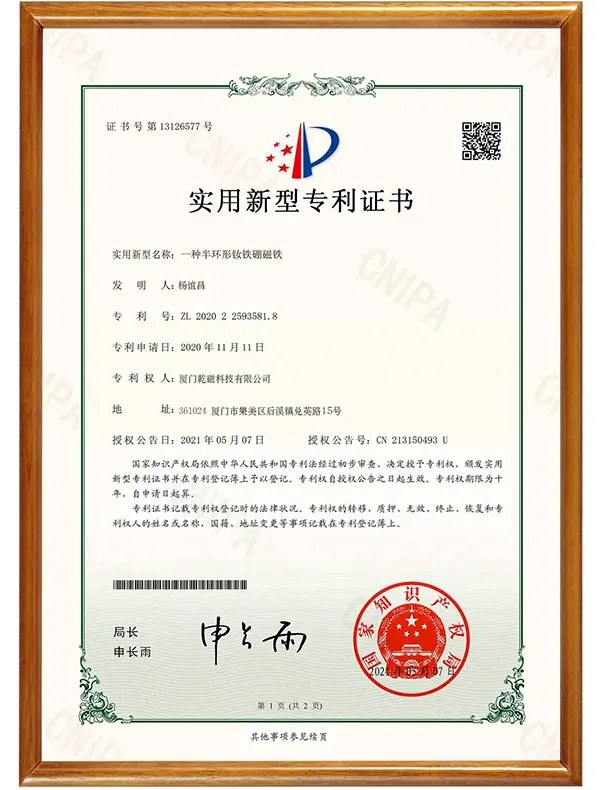
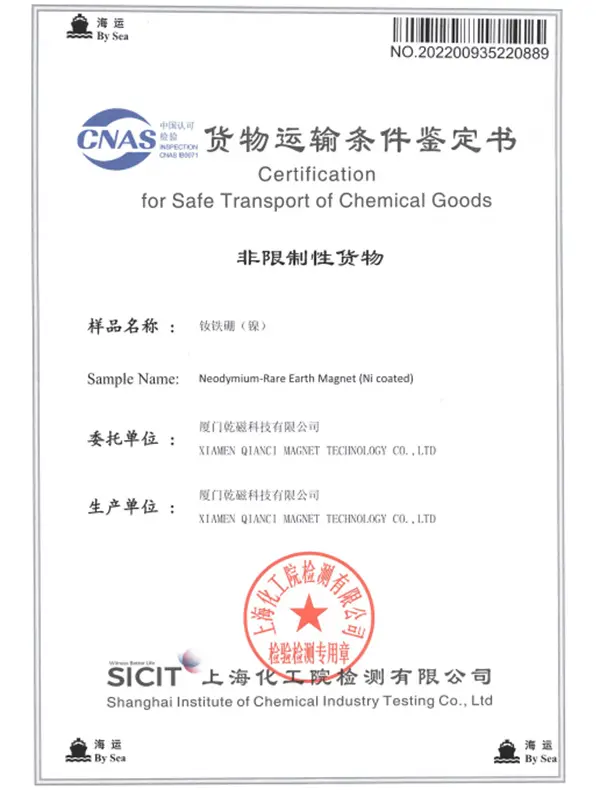
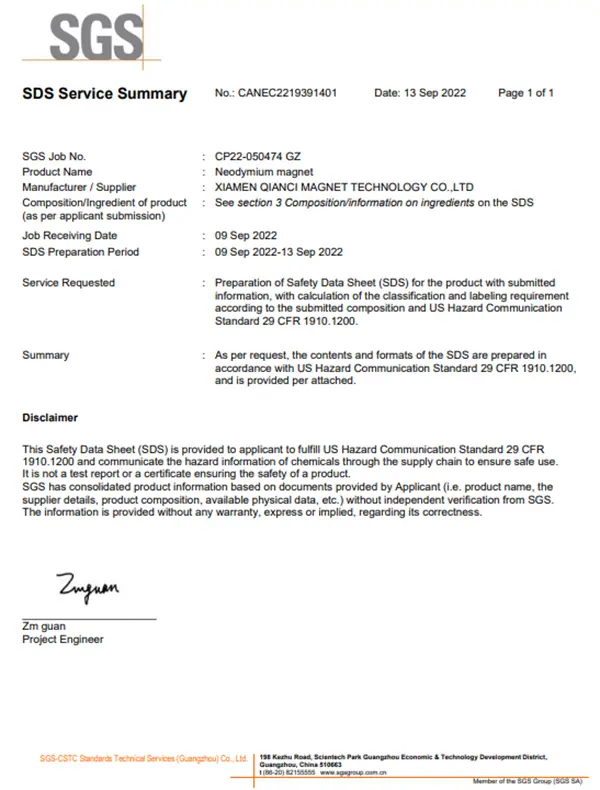
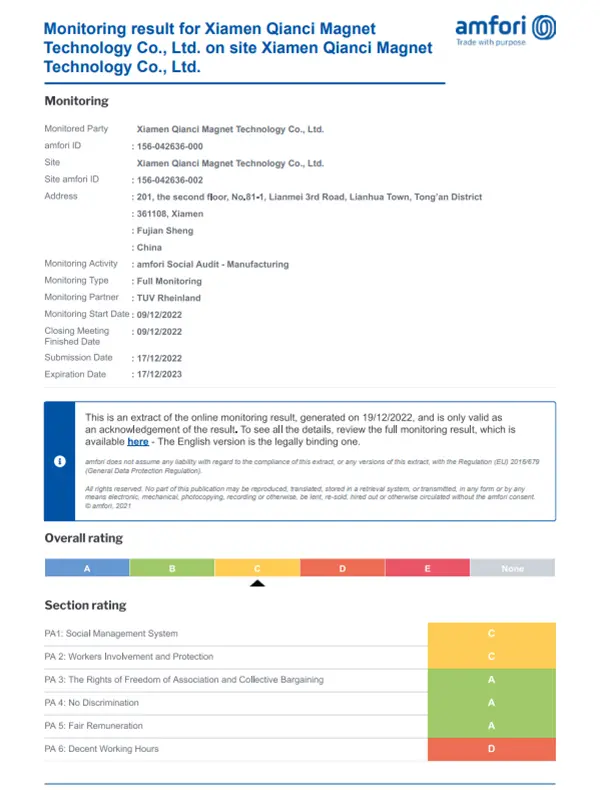
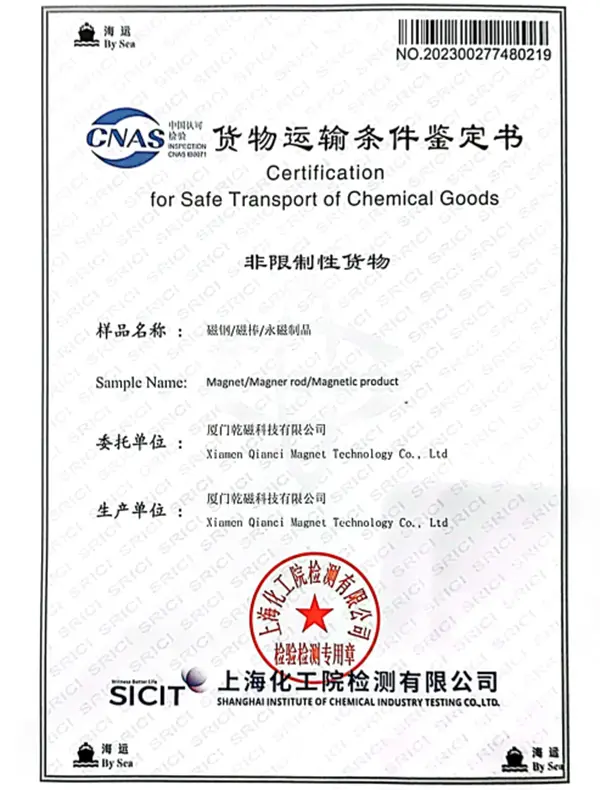
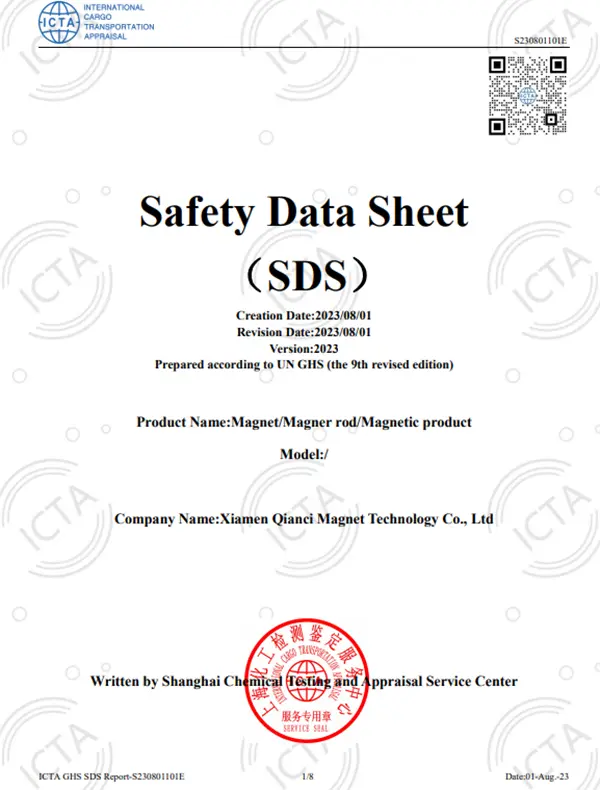
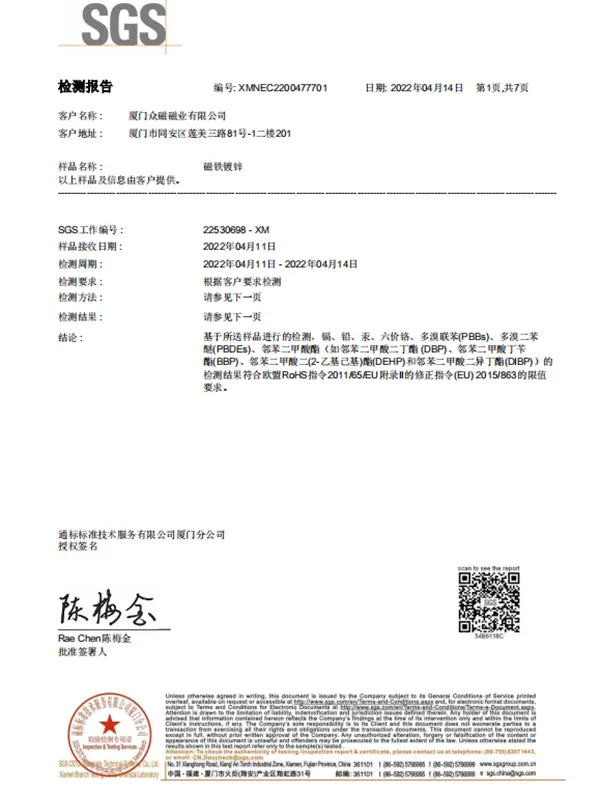
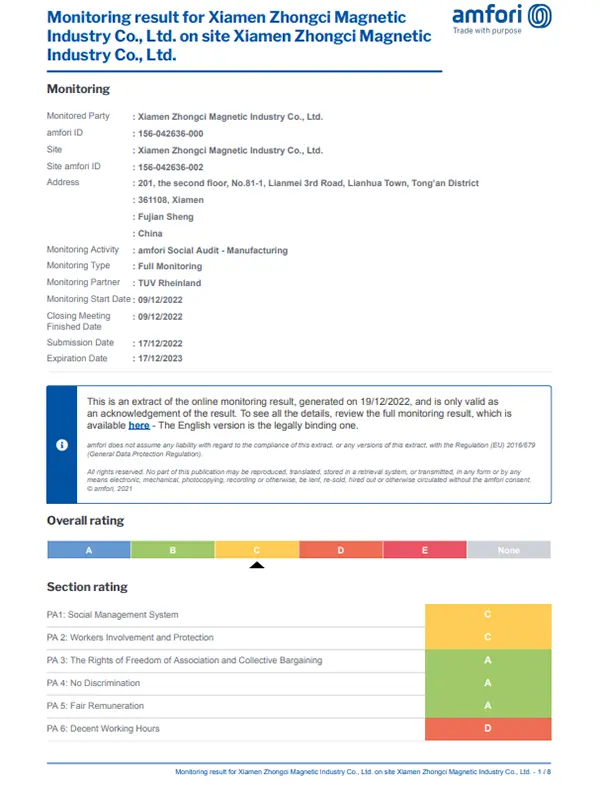
Stay up to date with QCM Magnet's development paths, international exhibitions, and critical product breakthroughs.
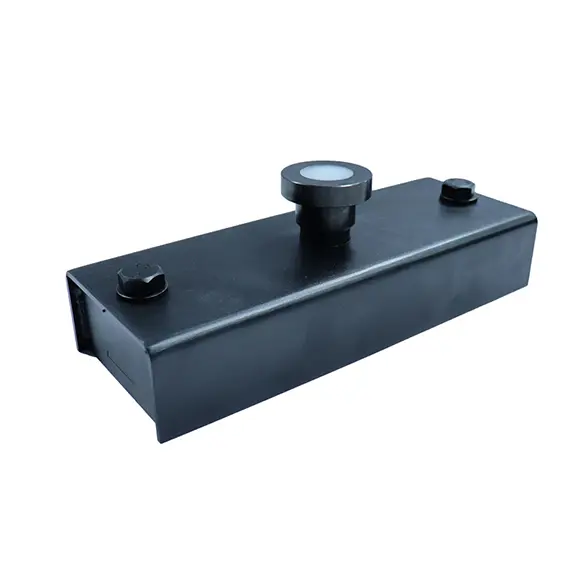
Precast concrete systems: Shuttering molds shape edges/openings on flat surfaces using magnetic fixation, while mold elements define complex modular spaces...

QCM, a global leader in magnetic components, will participate in UK Construction Week 2025. From May 7th to 9th, at Stand 504...
Technical guidance regarding alloy selection, magnetic decay prevention, and structural integration of precast elements.
Neodymium (NdFeB) magnets demagnetize primarily due to heat (exceeding their specific Curie temperature or operating temperature thresholds), exposure to strong external demagnetizing magnetic fields, physical impact/damage that breaks down the alignment of magnetic domains, and chemical corrosion (rusting of the iron content within the NdFeB alloy matrix). QCM prevents this by using custom H/SH/UH thermal-grade alloys and sealing the magnetic cores inside hermetically welded stainless steel enclosures.
A bare Neodymium block has a high magnetic flux density, but in open air, this field disperses. Shuttering magnet systems utilize a "magnetic circuit" layout. By placing the NdFeB cores inside a calculated steel core block assembly, the magnetic flux lines are concentrated and directed downward toward the contact steel bed surface. This physical direction increase multiplies the actual holding force of the unit up to five times compared to a bare magnet of similar weight.
Under typical operational maintenance (cleaning off concrete debris, ensuring the contact base plate remains flat, and keeping operating temperatures below 80°C), a high-quality shuttering magnet box can operate for 10+ years without experiencing noticeable loss in pull force. Regular inspection and lubrication of the activation lever mechanism are recommended.
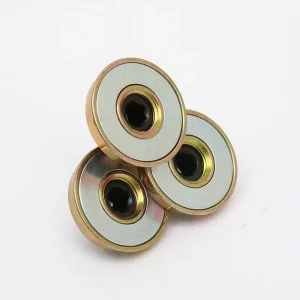
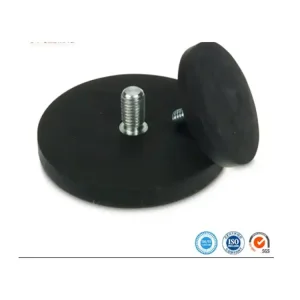
Rubber-coated pot magnets (such as M6/M8 threaded models) prevent sliding shear forces on slick painted or polished metallic surfaces. Additionally, the high-friction thermoplastic rubber compound acts as a protective layer preventing scratching of the underlying steel surfaces and shields the brittle Neodymium core block from mechanical stress and moisture penetration.
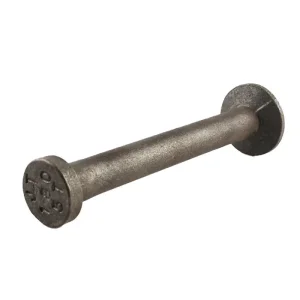
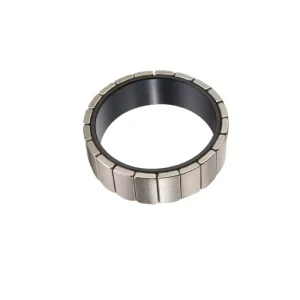
Complete structural solutions from pre-embedded anchor components to specialized high-temperature Samarium Cobalt units.