
Engineered for extreme shear resistance, environmental resilience, and rapid tooling adjustments on magnetic precast platforms.
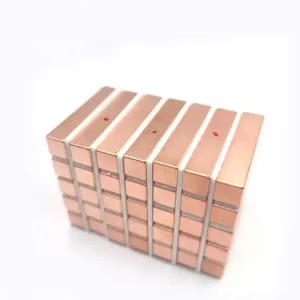
Seattle and the wider Puget Sound region are undergoing a profound infrastructural transformation. Driven by municipal densification, the expansion of the Sound Transit light rail network, and the critical demand for seismic-resilient commercial developments, engineering firms are increasingly abandoning traditional cast-in-place concrete. The modern standard has shifted to precast concrete construction. However, the efficiency, dimensional accuracy, and profitability of a precast manufacturing yard depend heavily on the tools utilized to secure formwork.
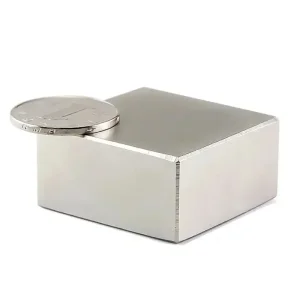
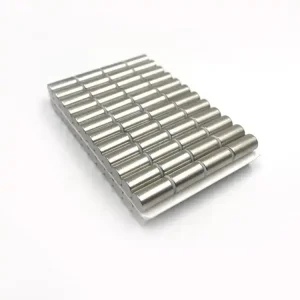
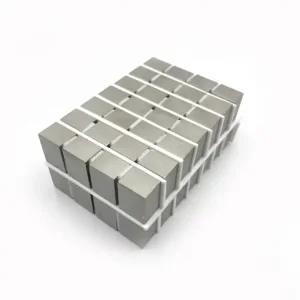
Historically, wood framing and welding were used to stabilize concrete formwork. This process was not only labor-intensive but also caused permanent damage to the expensive casting beds, shortening their service life. Enter magnetic fixing solutions. Standardized precast concrete magnets, shuttering boxes, and insert assemblies utilize high-grade Neodymium (NdFeB) and Samarium Cobalt (SmCo) rare-earth elements to secure steel or timber formwork to steel casting tables without mechanical drilling or welding. By offering immense vertical and shear pulling capacities, these magnetic systems allow Seattle concrete producers to optimize turnaround cycles, minimize material waste, and achieve millimeter-precision alignments required by WSDOT (Washington State Department of Transportation) standards.
Specially engineered for high-vibration casting tables. Prevents formwork displacement during intensive concrete consolidation.
Maintains steel plate bed integrity by eliminating drill holes, mechanical fasteners, and heat-damaging spot welds.
Easily engage and disengage magnets using a basic push-button release handle, cutting layout assembly times by over 70%.
Seattle's geographic location introduces unique engineering hurdles. Under the *International Building Code (IBC)* and *ASCE 7* guidelines, structural elements deployed within King, Pierce, and Snohomish counties must conform to high seismic performance categories (Design Categories D through F). Consequently, precast elements—ranging from double-T slabs and hollow-core planks to shear walls and utility vaults—require precise reinforcement channels, complex cast-in fixtures, and perfect dimensional alignment.
Furthermore, coastal humidity and atmospheric chloride levels from Puget Sound accelerate structural corrosion. In response, QCM Magnet has advanced the technical metallurgy of its precast concrete magnets. By integrating multi-stage surface coatings—such as robust electrolytic Nickel-Copper-Nickel (Ni-Cu-Ni), epoxy-resin layering, and high-grade stainless steel (SUS304) shuttering casings—we ensure our magnetic cores resist corrosion. This chemical stability prevents hydrogen embrittlement and maintains long-term structural integrity, preserving magnetic flux even under regular moisture exposure.
Different industrial magnets deliver distinct physical properties. The table below outlines how specific magnetic materials meet varying precast project needs.
| Magnetic Compound | Remanence (Br) | Coercivity (Hcb) | Max Operating Temp | Seattle Prefab Yard Application Suitability |
|---|---|---|---|---|
| Neodymium (NdFeB) | 1.1 - 1.45 T | ≥ 876 kA/m | 80°C - 180°C | Outstanding for high-force shuttering boxes (900kg - 2500kg). Ideal for standard structural panels. |
| Samarium Cobalt (SmCo) | 0.85 - 1.15 T | ≥ 600 kA/m | 250°C - 350°C | Essential for accelerated steam curing beds and high-heat concrete formulations. |
| Alnico (Al-Ni-Co) | 0.6 - 1.35 T | 40 - 160 kA/m | 450°C - 525°C | High temperature limit, but low resistance to demagnetization; used for specialized sensors. |
To meet tight project schedules, regional precast facilities often rely on steam curing to speed up concrete hydration. While standard concrete takes 28 days to reach design strength, steam curing achieves equivalent early compressive strength in 12 to 18 hours. However, elevated curing temperatures (often reaching 65°C to 80°C) present a risk to permanent magnets: thermal demagnetization.
Our engineering team offsets this risk by incorporating high-coercivity (UH/EH class) NdFeB alloys or custom SmCo magnets. These specialized materials retain their magnetic domains even under heat stress, preventing slipping during curing and maintaining tight formwork joints.
Heavy-duty magnetic boxes engineered specifically for automated concrete formwork, steel beds, and timber adaptations.
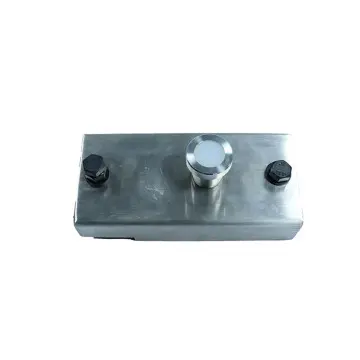
Pulling Force: 1000 kg. High-precision steel platform stabilizer.
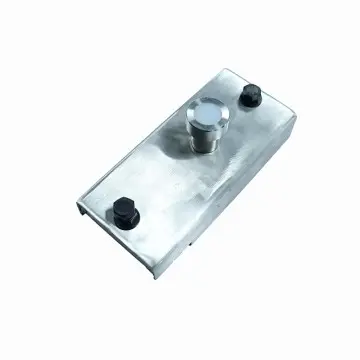
Ideal for medium thickness wall panel formwork setups.
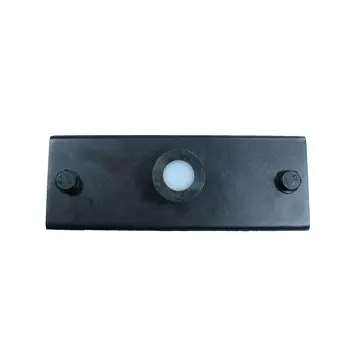
1800 kg capacity. Excellent shear resistance under vibration.
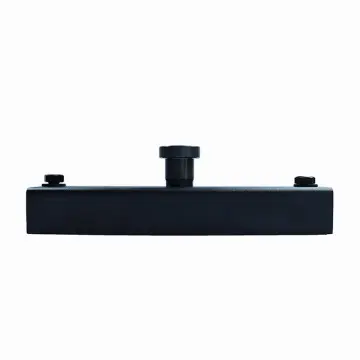
900 kg pulling force. Lightweight, fast manual operation.
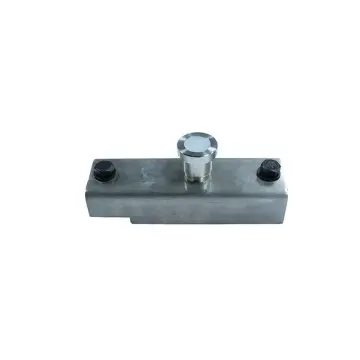
Compact unit for thin panels and secondary formwork fixtures.
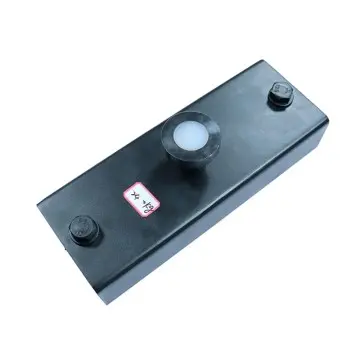
2400 kg heavy-duty magnet. Designed for thick retaining walls.
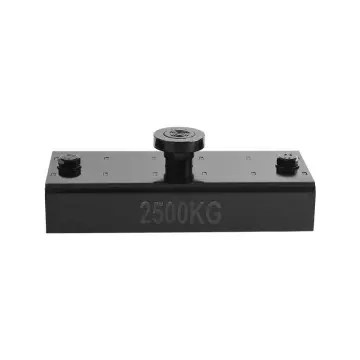
2500 kg capacity. Built for long-term automated casting beds.
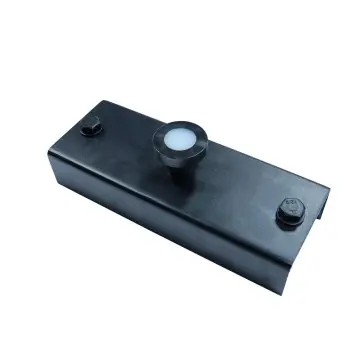
2100 kg capacity. Balanced weight-to-force configuration.
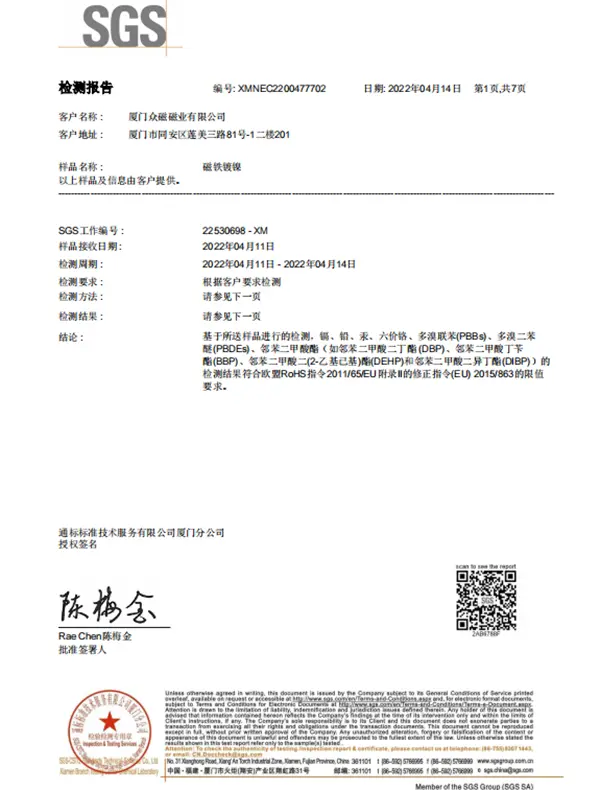
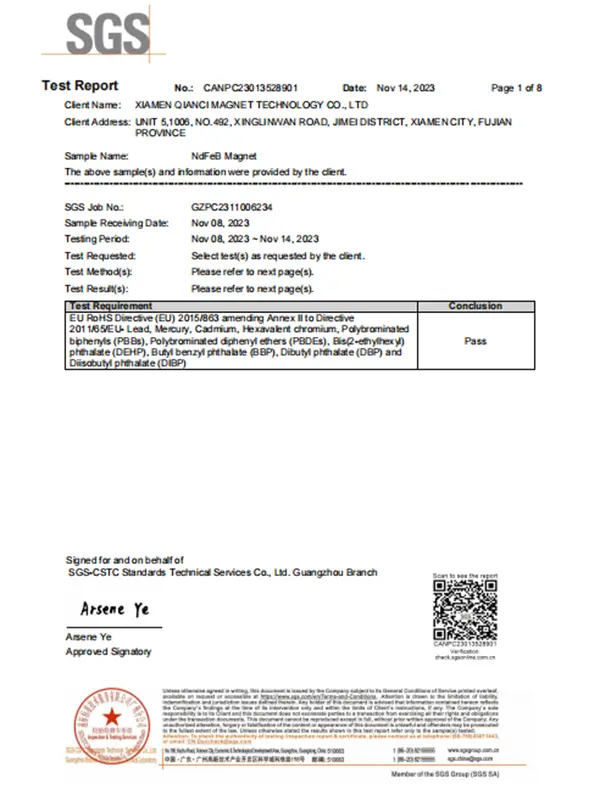
The production of high-performance magnetic assemblies is closely tied to the global rare-earth mining and refining sectors. Over 80% of Neodymium-Iron-Boron (NdFeB) permanent magnets originate from specialized metallurgical hubs in China. Given the supply chain challenges of recent years, Seattle engineering companies must work with manufacturers who maintain deep raw material ties and consistent quality control.
At QCM Magnet, our direct manufacturing integration ensures a stable supply of NdFeB and SmCo alloys, insulating partners from volatile raw material prices. By optimizing chemical compositions with Dysprosium (Dy) and Terbium (Tb) additives, we enhance thermal stability while keeping costs competitive.
The precast concrete industry is transitioning from manual handling to automated production lines. Modern yards in northern Europe and North America utilize industrial gantry robots to pick, place, and lock shuttering magnets based on CAD diagrams.
To support this shift, QCM is engineering the next generation of pneumatic-controlled magnetic boxes and smart RFID-tagged shuttering elements. These innovations allow automated systems to scan, verify placement, and monitor holding forces digitally. This technological evolution reduces labor requirements while preventing casting shifts, helping modern precast facilities achieve high structural consistency.
Exhaustive rare-earth, Samarium Cobalt, Alnico, and threaded pot magnets configured for structural precast systems, marine recovery, and heavy industrial applications.
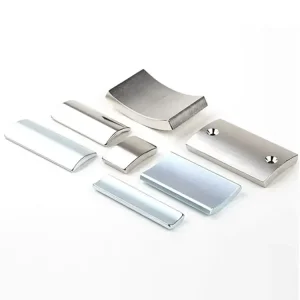
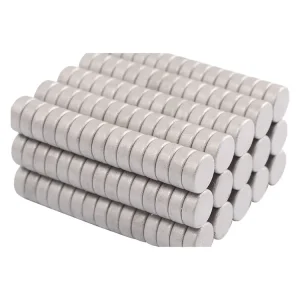
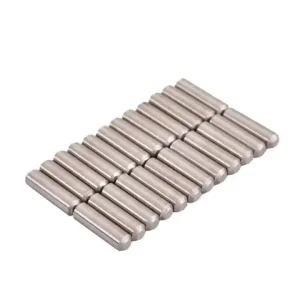
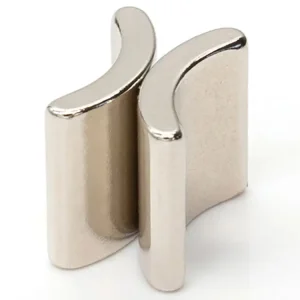
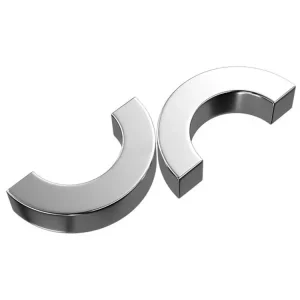
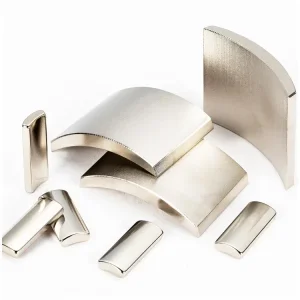
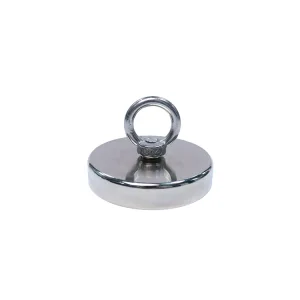
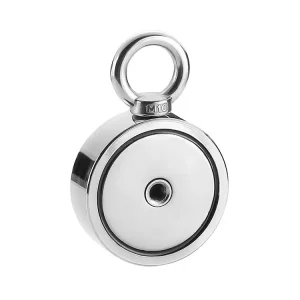
Beyond standard shuttering boxes, civil construction projects often require custom magnetic solutions. From casting sound barriers along the I-5 corridor to setting heavy-duty bridge girders for municipal rail networks, QCM Magnet delivers engineered formwork accessories designed for specific structural tasks.
Creating clean, beveled edges on columns, beams, and wall panels is essential for structural stability and aesthetics. Our magnetic chamfering strips provide sharp, flat profiles without mechanical anchors, eliminating grout leaks and reducing the need for post-pour repairs.
Modern precast wall panels must integrate electrical junction boxes, piping sleeve arrays, lifting anchors, and window openings during casting. Our embedded insert magnets secure these fixtures to the steel table, preventing shifting during vibration and concrete pouring.
We design and build customized steel adaptors that connect our standard shuttering magnet boxes with wood, structural aluminum, or heavy steel profiles. This flexibility allows precast facilities to adapt our magnetic clamping systems to their existing formwork frames.
Read our latest technical updates and see where we are presenting our magnetic fixing solutions worldwide.
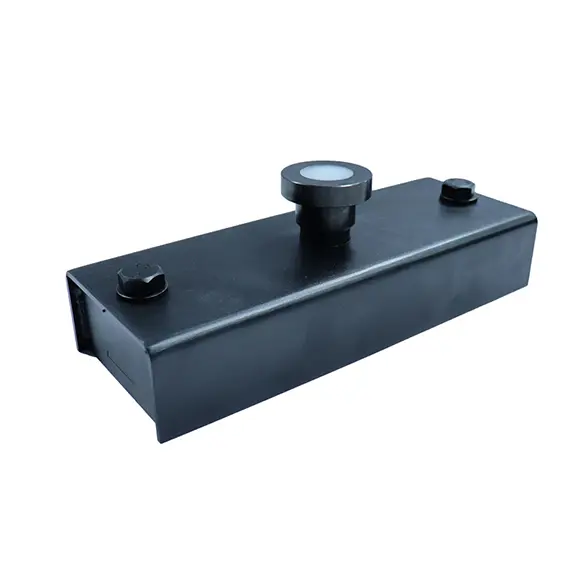
Precast concrete systems: Shuttering molds shape edges/openings on flat surfaces using magnetic fixation, while mold...

QCM, a global leader in magnetic components, will participate in UK Construction Week 2025. From May 7th to 9th, at S...
Secure temporary fixtures, mounting points, and structural templates to steel tables with our high-power neodymium pot magnets.


Technical answers regarding magnetic properties, maintenance, and ordering for structural precasting.
The necessary pulling force depends on the height and material of the formwork, the thickness of the concrete panel, and the intensity of the casting table's vibrations. Generally, 900 kg (2000 lbs) magnets are ideal for light timber forms and thin panels. For heavy steel formwork, thick walls, and high-vibration systems, magnets rated at 2100 kg to 2500 kg (4600 to 5500 lbs) are required to prevent movement.
Standard Neodymium magnets can experience permanent demagnetization if exposed to temperatures above 80°C. For steam curing tables that operate at elevated temperatures, we construct our shuttering systems using high-coercivity NdFeB grades (such as SH, UH, or EH) or Samarium Cobalt (SmCo) magnets. These specialized alloys maintain consistent holding forces throughout high-temperature curing cycles.
We use multi-layer protective finishes to resist moisture. The Neodymium cores are sealed with a Ni-Cu-Ni or epoxy coating, and the outer shuttering box is made of heavy carbon steel or stainless steel. Regular cleaning and oiling also help extend the service life of the magnets in humid conditions.
Yes. Our shuttering magnet boxes feature adaptors that allow them to connect with various formwork systems. Whether you are using timber, aluminum, or steel molds, the magnets can be rearranged on the steel table to support custom architectural layouts.
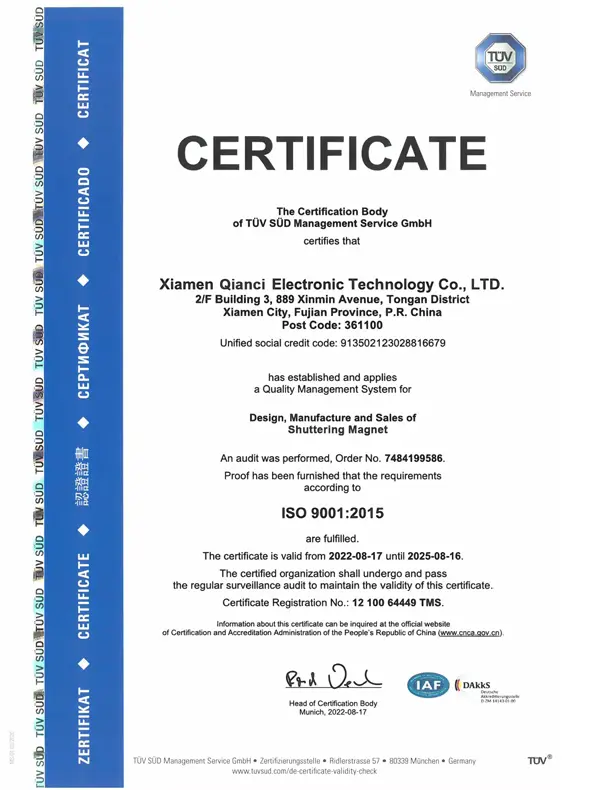
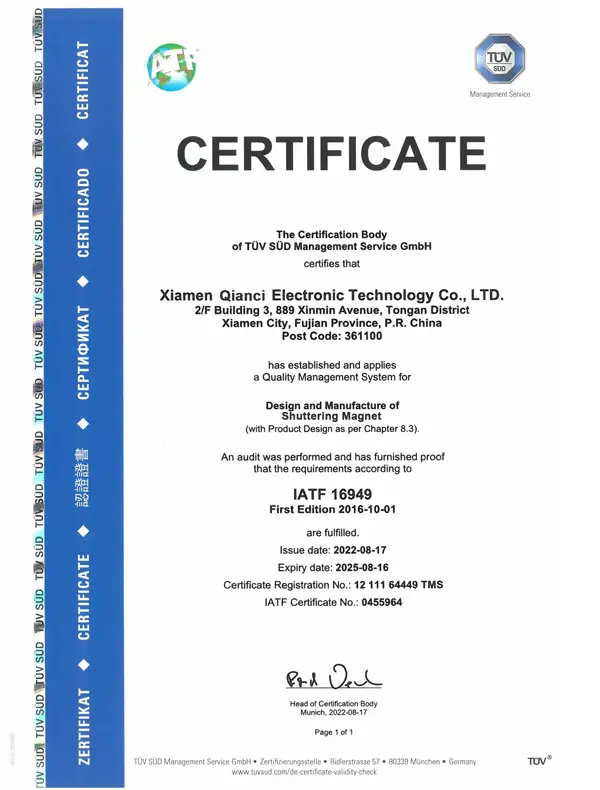
Our manufacturing facility operates under the ISO 9001:2015 Quality Management System. Every magnetic box undergoes pull-testing before shipment to verify it meets its rated holding capacity. This strict testing process ensures reliable field performance and supports safe working environments in Seattle and global precast yards.