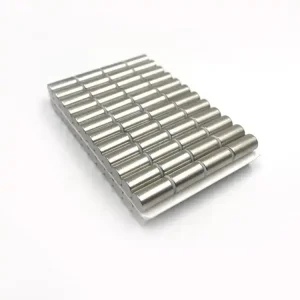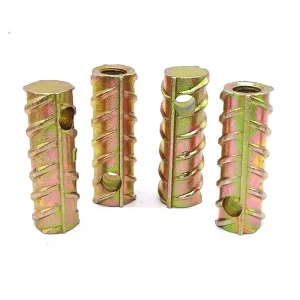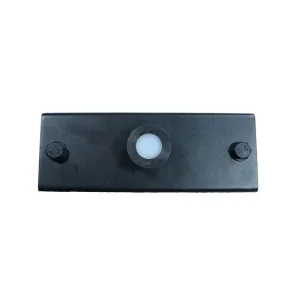
In modern industrial applications—ranging from wind power generation to advanced precast concrete construction infrastructure—magnetic technology acts as a fundamental driver of operational efficiency and mechanical reliability. Global manufacturing networks are increasingly relying on high-performance permanent magnet systems, specifically those engineered from Neodymium Iron Boron (NdFeB) and Samarium Cobalt (SmCo), to maximize mechanical torque, structural holding capacity, and operational lifespans. As the global demand for clean energy and rapid modular construction intensifies, finding verified high-quality magnetic turbine manufacturers and industrial magnet companies is essential for optimizing procurement channels.
Permanent magnet technologies have evolved from basic industrial utility components into highly engineered subsystems. Within the magnetic turbine sector, high-performance generators utilize customized NdFeB permanent magnets to optimize energy conversion rates. By eliminating the necessity for mechanical excitation systems, permanent magnet direct-drive (PMDD) wind turbines reduce mechanical wear, drop operational failure rates, and enhance yield profiles under variable wind-speed profiles.
The integration of Samarium Cobalt (SmCo) magnets is highly valued in high-temperature or highly corrosive environments (such as offshore wind farms or deep-sea energy turbines). While NdFeB offers unmatched magnetic energy density under ambient temperatures, SmCo maintains its magnetic integrity at temperatures exceeding 300°C without significant demagnetization. This reliability makes it the standard for complex turbine assemblies and aerospace actuators where failure is not an option.
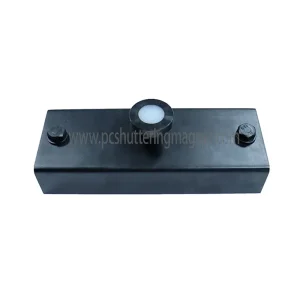
Simultaneously, this high-grade magnet technology directly drives progress in modular construction. Precast concrete magnetic clamping assemblies, such as shuttering magnets and magnetic formwork, rely on the same sintered NdFeB cores to deliver up to 5300 lbs of holding force. These systems lock formwork elements securely on vibrating steel tables, eliminating the need for destructive welding or mechanical drilling, preserving costly steel casting beds, and reducing setup times by up to 70%.
Sourcing high-performance industrial magnets requires analyzing both metallurgical excellence and processing efficiency. China-based manufacturers are key partners in this space. Because China manages a major portion of the global rare-earth mining, refining, and alloy-production infrastructure, local manufacturers enjoy a stable supply of raw elements (Dysprosium, Praseodymium, Neodymium, and Samarium). This vertical integration provides distinct supply chain benefits:
Direct access to regional refining facilities reduces shipping costs, shields clients from global market price spikes, and guarantees consistent chemical purity in sintered alloys.
State-of-the-art multi-stage sintering presses, coupled with high-precision wire EDM and grinding machinery, ensure tight tolerances (+/-0.05mm) even in complex geometric shapes.
Advanced plating techniques—including multi-layer Nickel-Copper-Nickel (Ni-Cu-Ni), Epoxy, and Zinc (Zn) electroplating—provide long-term salt spray and moisture protection.
Furthermore, leading manufacturing centers like Qianci Magnet (QCM) combine metallurgical production with final assembly capabilities. By building the steel housings, release levers, and magnetic circuits under one roof, these factories ensure that the mechanical properties of a precast shuttering magnet box match the magnetic output of the NdFeB block inside, offering durable industrial tools at competitive price points.
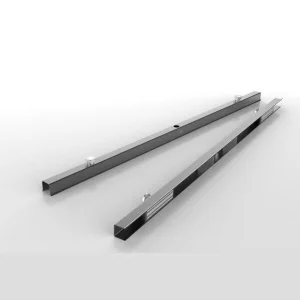
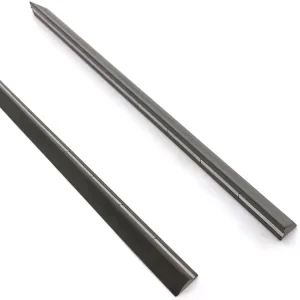
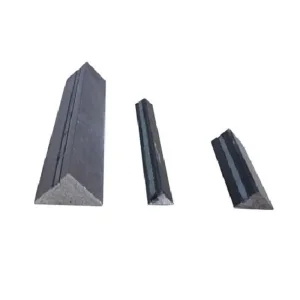
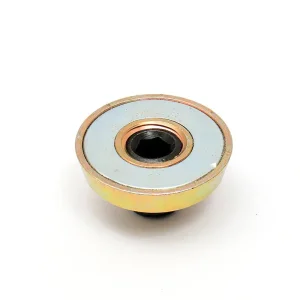
QCM Magnet specializes in offering complete magnetic fixing solutions for the production of precast concrete components. Our primary products include Shuttering Magnets and their corresponding accessories, Formwork Magnets, Magnetic Chamfering Strips, and various pre-embedded insert magnets. Utilizing magnetic fixing in precast concrete component production prevents damage to the platform, enhances work efficiency, reduces labor costs, and promotes economic efficiency as the magnetic fixing devices are reusable.
Using our expertise in magnetic components and our extensive experience in supporting the production of precast components, we have developed numerous new and practical magnetic fixing products. Our products come with complete specifications, excellent quality, ease of operation, and long service life. Additionally, we can promptly customize a variety of magnetic fixing parts to meet the diverse needs of our customers.

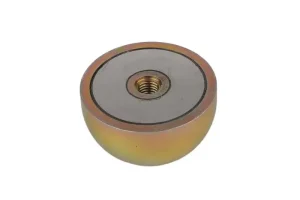
Qianci Magnet is a strong magnetic component factory, specializing in the production, research, and development of formwork magnets, magnetic formwork, insert magnets, magnetic concrete chamferers, and custom magnetic assemblies.

Our business mainly involves precast concrete magnetic system solutions, industrial turbine magnetic raw materials, and high-coercivity permanent magnet design helping you optimize production lines.

To remain a globally recognized, highly trusted developer and manufacturer of industrial magnetic solutions, supplying reliable components to infrastructure projects worldwide.
Industrial magnet assemblies are deployed across diverse operating environments globally, each presenting unique engineering challenges:
The industrial magnet industry is undergoing rapid technical evolution, driven by three major market forces:
Automation-Friendly Mechanics: Modern manufacturing lines require magnetic boxes that can be controlled by robotic arms. Automated magnetic activators are replacing manual hammers, reducing tool damage and increasing operational safety.
High-Performance Sintering Technologies: Research into grain boundary diffusion (GBD) processes allows manufacturers to produce magnets with high coercive force while using less heavy rare earths like Dysprosium (Dy) and Terbium (Tb), lowering material costs.
Material Recovery and Sustainability: Closed-loop recycling programs for rare-earth metals are becoming more common. Recycled magnets are processed to match the properties of virgin ores, aligning with global green procurement standards.
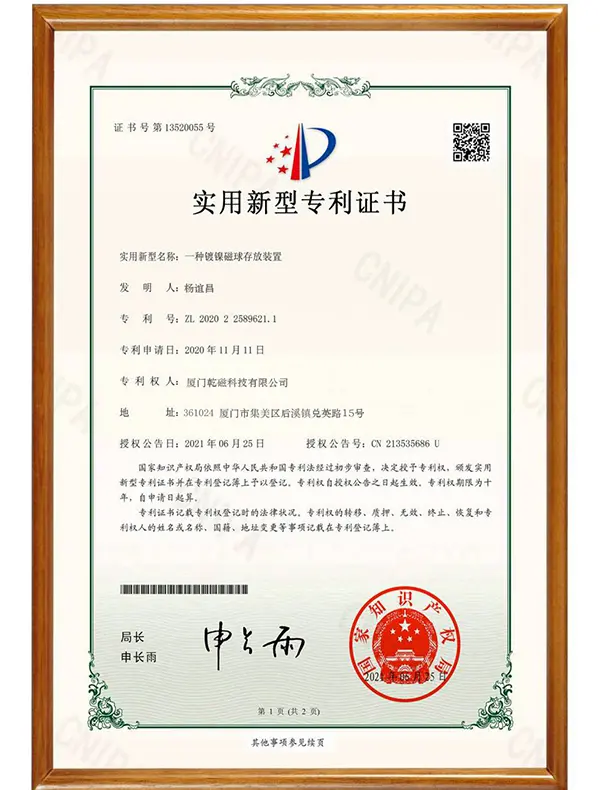
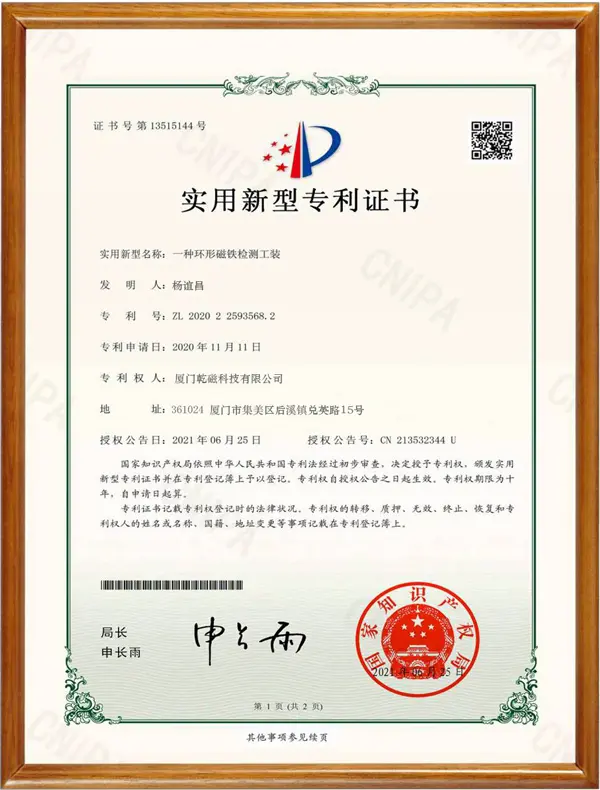
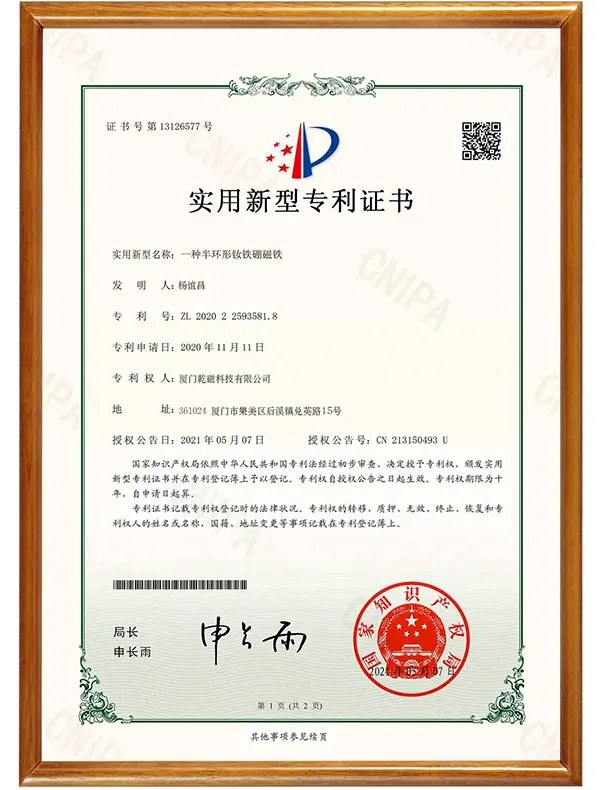
Our factory processes strictly comply with international certifications, ensuring that every batch of neodymium magnets and shuttering boxes meets global mechanical tolerances.
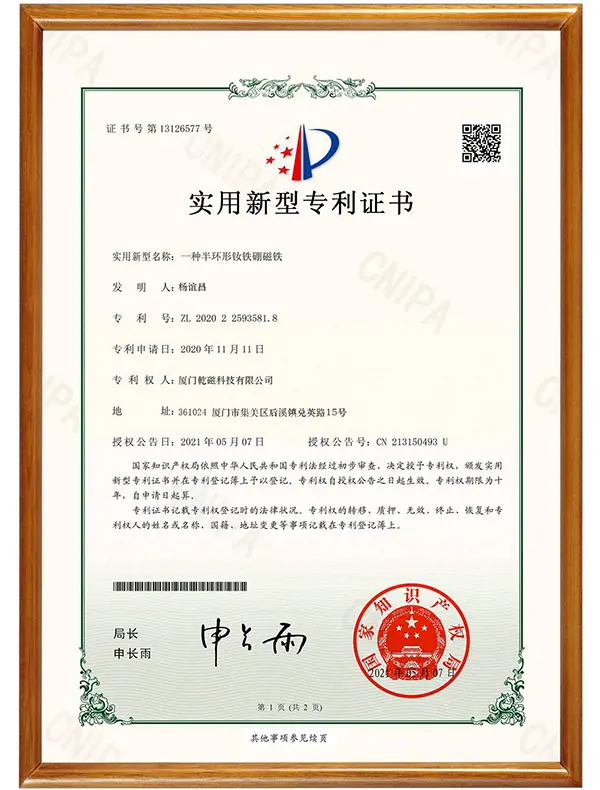
Procuring industrial-grade permanent magnets requires looking beyond standard dimensions to specify key performance metrics. Professional buyers should consider the following parameters:
Pulling Force Verification: Vertical pull-off force tests should be performed on clean, high-grade steel plates of optimal thickness (typically >20mm structural steel). Thin or rusty steel beds can reduce active clamping forces by up to 50%.
Coercivity and Temperature Coefficients: Standard NdFeB magnets operate reliably up to 80°C. For projects subject to higher heat profiles, choose high-coercivity grades (M, H, SH, UH, EH, AH) to prevent thermal demagnetization.
Mechanical Case Design: Formwork magnets require durable, thick casings to protect internal NdFeB blocks from impacts. Blackened steel or stainless steel offer reliable defense against moisture and concrete slurry.
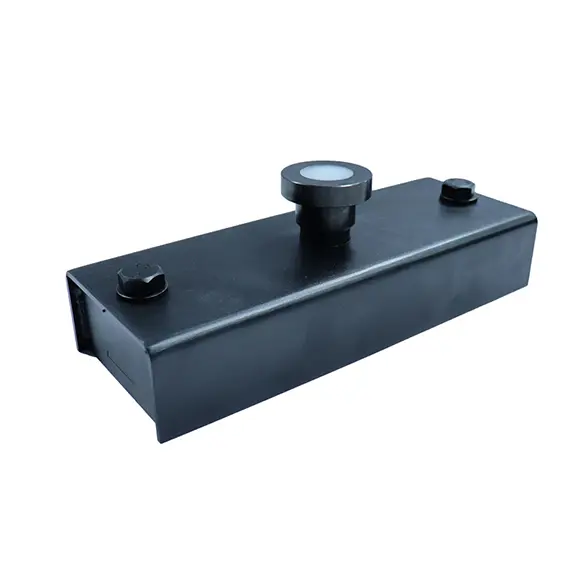
Formwork magnets generally refer to integrated magnetic systems where the magnetic unit and the steel profile are unified, designed for specific structural profiles. Shuttering magnets are independent, high-force magnetic clamping boxes that can be applied to hold down various wooden or metal side moldings using adaptable adapters.
Standard sintered NdFeB magnets experience temporary loss of magnetic output at temperatures above 80°C. For industrial environments exceeding this temperature, we supply customized NdFeB magnets with higher thermal grades (such as EH or AH) or specify Samarium Cobalt (SmCo) magnets, which remain stable up to 350°C.
Rated pulling forces are calculated under lab conditions using thick, flat, and clean steel plates. Real-world parameters such as paint, surface rust, dirt, concrete slurry, or using thin casting beds can introduce air gaps and reduce effective magnetic pull. Keep steel surfaces clean and smooth to optimize performance.
To maximize service life, clean concrete residues off the magnet face with a scraper or wire brush after each pour. Lubricate the release button mechanism and avoid mechanical impacts from hammers directly onto the magnet face to protect the internal sintered elements.
 Technical Insight - 2025-05-15
Precast concrete systems require distinct solutions: Shuttering molds shape edges and openings on flat surfaces using magnetic fixation, while mold profiles integrate directly for structural castings...
 Company Event - 2025-04-30
QCM, a global manufacturer of magnetic components, will participate in UK Construction Week 2025. From May 7th to 9th, our team will showcase advanced precast concrete magnet solutions...