High-performance custom magnetic engineering solutions configured for demanding industrial applications worldwide.
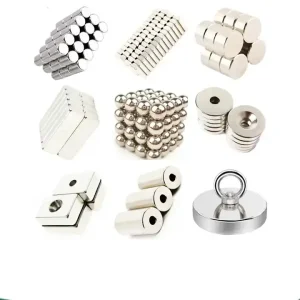
Neodymium-Iron-Boron (NdFeB) magnets, particularly those engineered at millimeter and sub-millimeter scales, represent the peak of modern material science. Commonly referred to as neodymium small magnets or micro permanent magnets, these components are critical in applications where dimensional constraints match high-density performance specifications. Offering the highest maximum energy product (up to 52 MGOe in commercial settings) of any permanent magnet material, neodymium magnets enable advanced engineering across acoustics, micro-optics, medical implants, precision electronics, and high-frequency motors.
This whitepaper examines the design principles, sourcing mechanics, material advances, and manufacturing ecosystems that position China's Neodymium small magnet exporters as global industrial leaders.
The electronics and automotive sectors demand micro-sized components. Miniaturized sensors, actuator assemblies, and medical diagnostic implants require custom neodymium geometries down to 0.5 mm in outer diameter.
Standard NdFeB is prone to thermal demagnetization above 80°C. Sourcing trends highlight an increasing demand for N35SH, N38UH, N42EH, and N38AH grades, which maintain operational integrity in environments reaching 150°C to 230°C.
Because small NdFeB magnets have a high surface-area-to-volume ratio, they are vulnerable to oxidation. Exporters now offer specialized coatings, including Parylene-C encapsulation, multi-layer Ni-Cu-Ni barrier plating, and dual-layer epoxy finishes.
Procuring neodymium small magnets on a global scale presents several supply chain hurdles. Procurement managers, particularly in Europe, North America, and Japan, balance magnetic performance requirements against mechanical durability, cost predictability, and material traceability.
Small neodymium magnets serve as critical components across a range of heavy industrial and high-technology applications. Their high energy density allows engineers to design systems that are both smaller and more efficient.
Modern high-fidelity audio, including in-ear monitors, hearing aids, and smartphones, relies on high-flux micro-magnets. By using N52-grade thin discs (ranging from 1.5 mm to 3 mm in diameter), acoustic designers can generate the high magnetic fields needed to drive voice coils with minimal distortion.
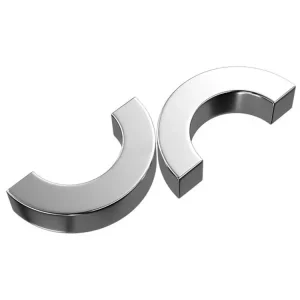
From drone gimbal stabilizers and camera autofocus modules to advanced medical surgical robots, miniature brushless DC (BLDC) motors depend on small, high-coercivity magnets. Standard N35SH and N42H segment magnets provide the required magnetic stability in compact designs, allowing motors to run efficiently even under high thermal loads.
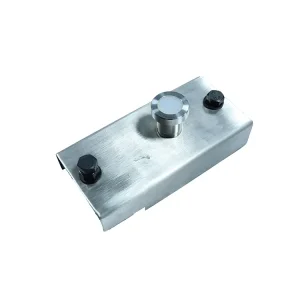
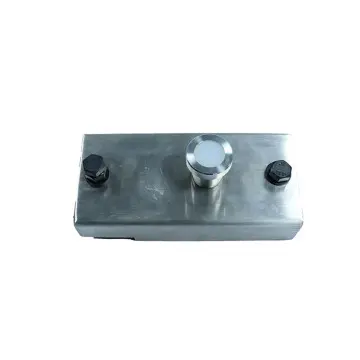
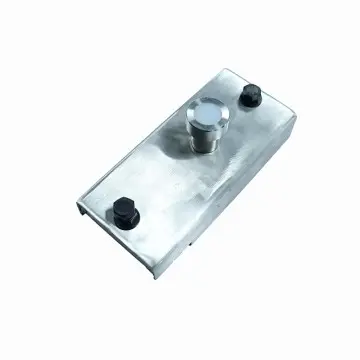
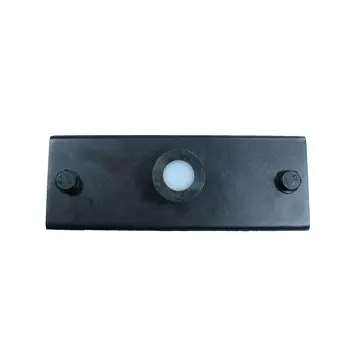
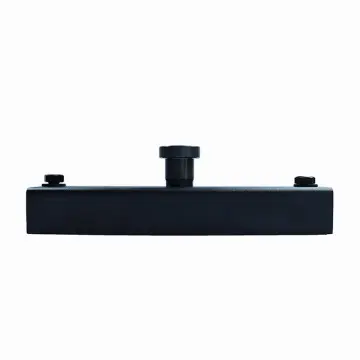
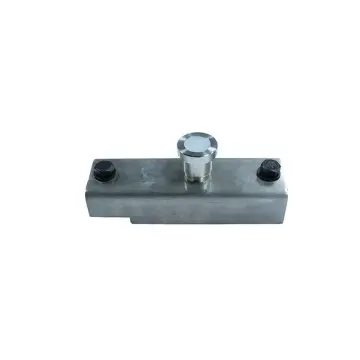
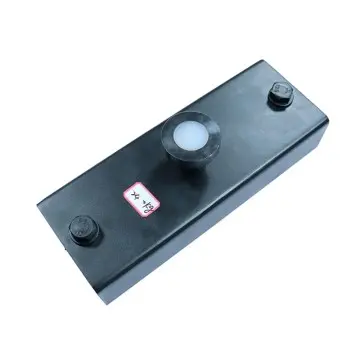
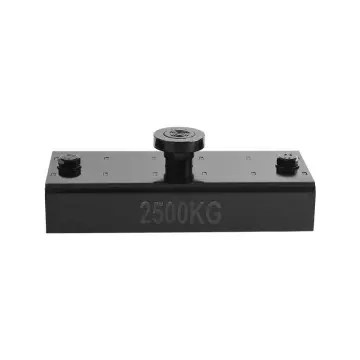
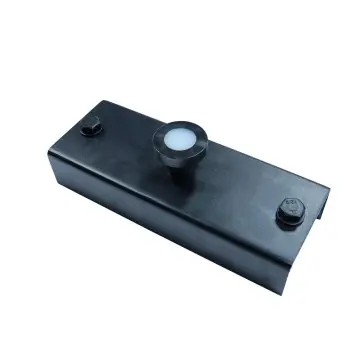
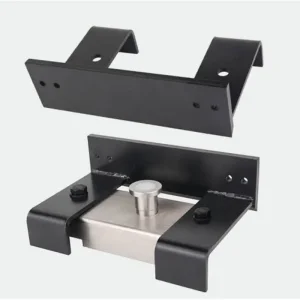
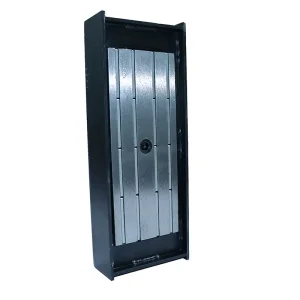
On an industrial scale, neodymium magnet technology is also used to secure heavy formwork and inserts. For example, QCM Magnet manufactures custom precast concrete shuttering systems. By housing neodymium assemblies in rugged carbon steel or stainless steel casings, they create shuttering magnets that withstand the physical demands of modern precast manufacturing.
The neodymium magnet industry is evolving toward cleaner manufacturing processes and reduced reliance on heavy rare earth elements (HREEs). Below is a summary of the technical roadmap for the next decade:
High-force magnetic fixing systems from Qianci Magnet (QCM) engineered for structural concrete casting.
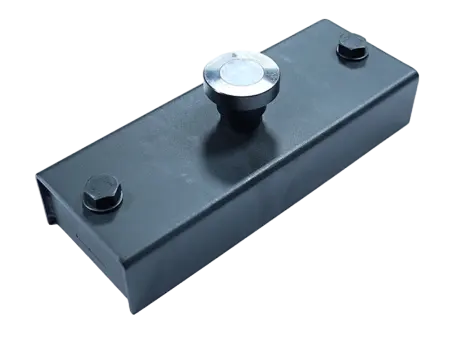
The shuttering magnet for concrete formwork is a proven safe and efficient tool in precast concrete production. Features a 1600kg series with high magnetic force, reusability, and durability.
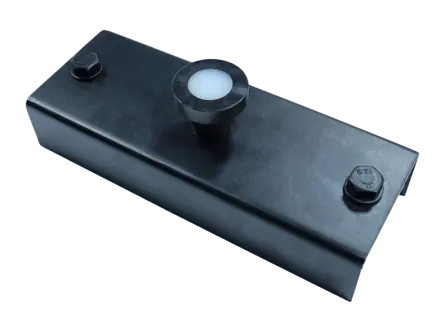
The advantages of 4600 lbs (2100kg) pull force precast concrete shuttering magnet in product manufacturing are obvious, helping increase productivity and surface quality.
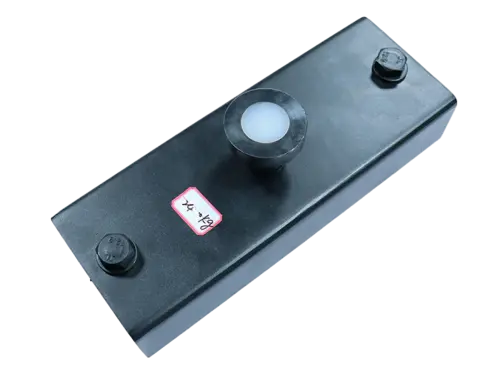
This precast magnet with 5300 lbs (2400kg) magnetic force is highly popular in Europe. Its powerful magnetism handles various construction wall elements.
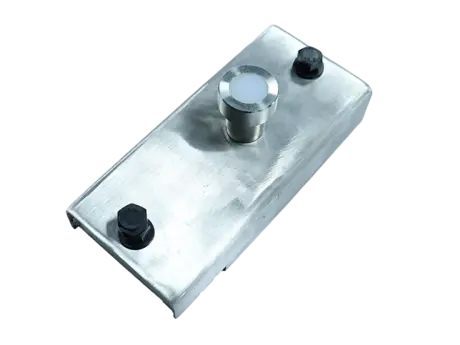
The 1300kg vertical tensile force neodymium precast magnet is commonly used to hold the side moldings of flat floor slabs and walls in place during production.
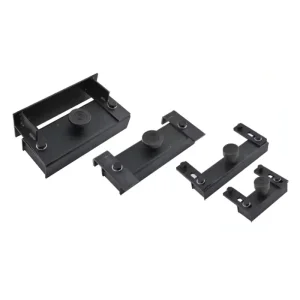
QCM Magnet specializes in offering comprehensive magnetic fixing solutions for the production of precast concrete components. Our primary products include Shuttering Magnets and their corresponding accessories, Formwork Magnets, Magnetic Chamfering Strips, and various pre-embedded insert magnets.
Utilizing magnetic fixing in precast concrete component production prevents damage to the platform, enhances work efficiency, reduces labor costs, and promotes economic efficiency as the magnetic fixing devices are highly reusable.
Using our expertise in magnetic components and our extensive experience in supporting the production of precast components, we have developed numerous new and practical magnetic fixing products. Our products come with complete specifications, excellent quality, ease of operation, and long service life. Additionally, we can customize a variety of magnetic fixing parts to meet the diverse needs of our customers.
Qianci Magnet is a strong magnetic component factory, specializing in the production and research and development of formwork magnets, magnetic formwork, insert magnets, magnetic concrete chamferers and other products.
Our business mainly involves precast concrete magnetic system solutions, helping you to better carry out concrete element production.
Become a global leading manufacturer and excellent service provider of magnetic solutions for the precast concrete industry.
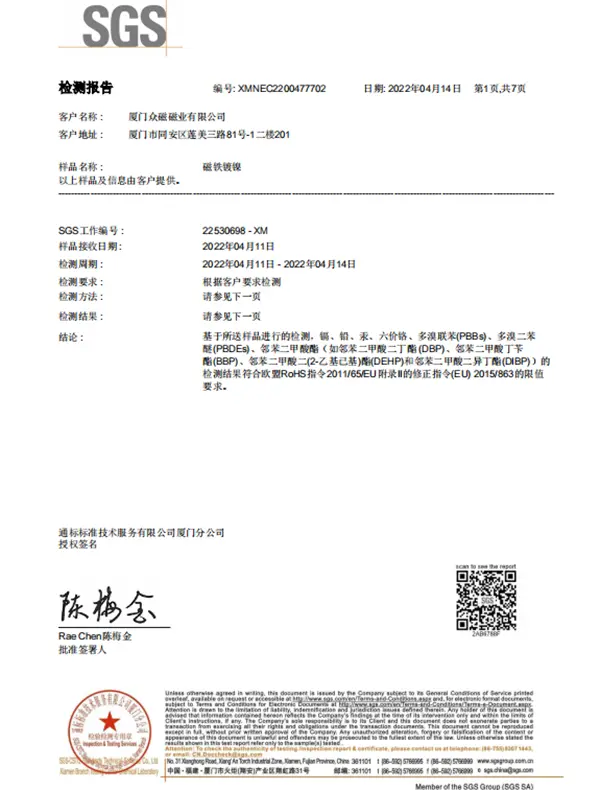
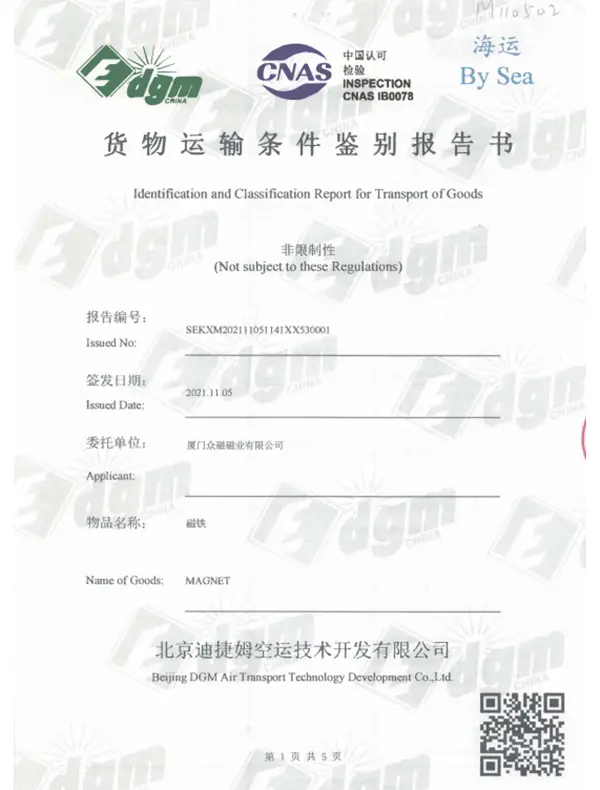
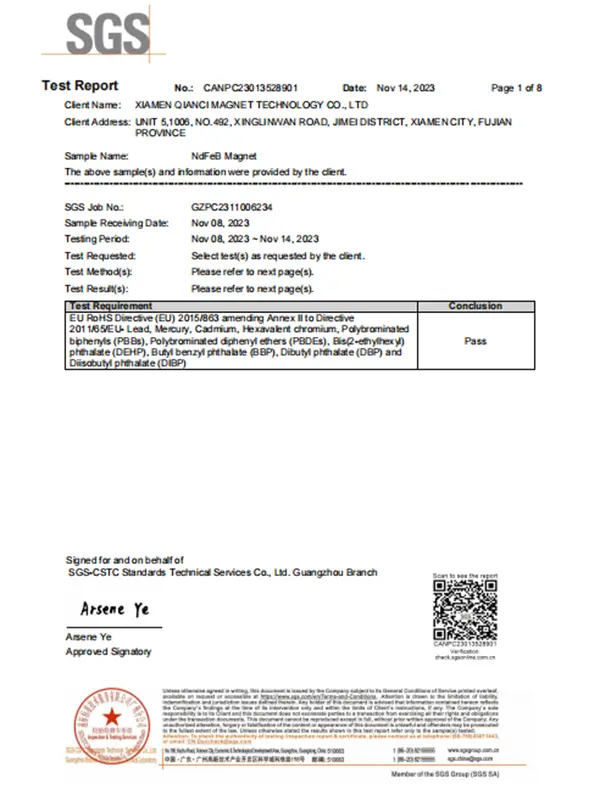
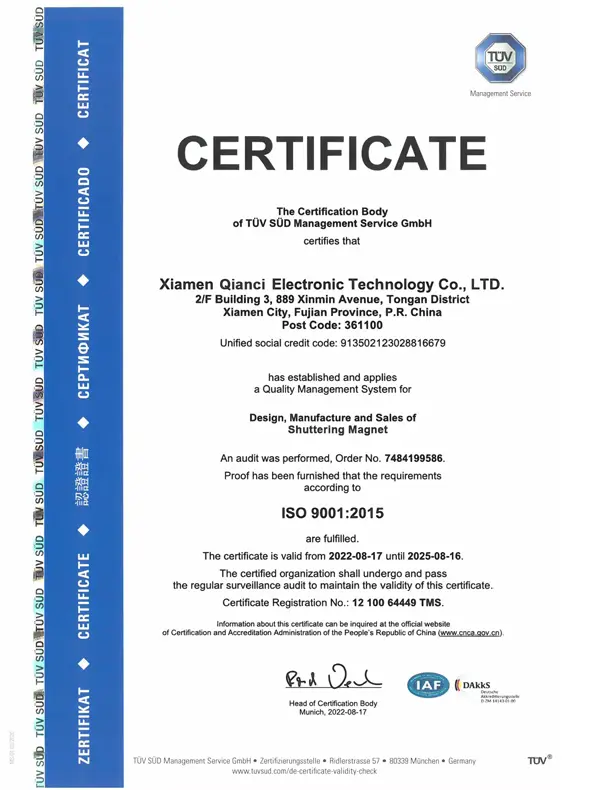
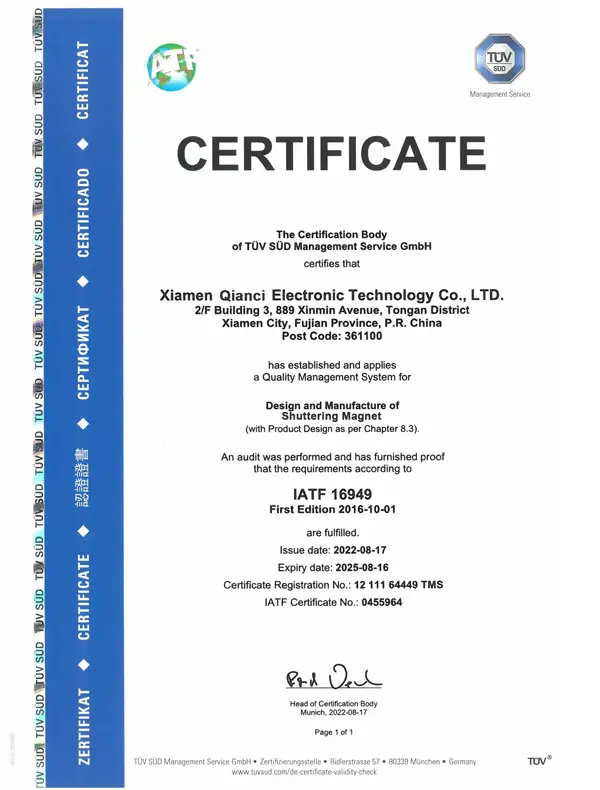
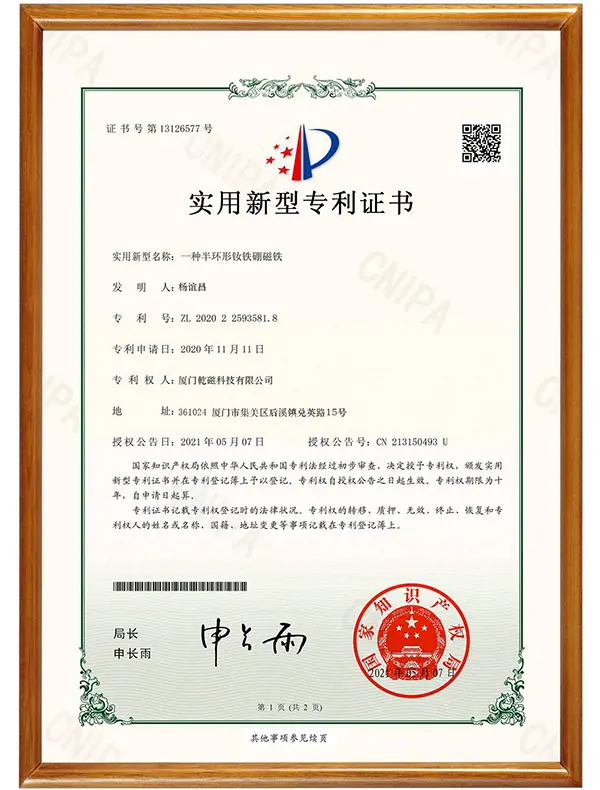
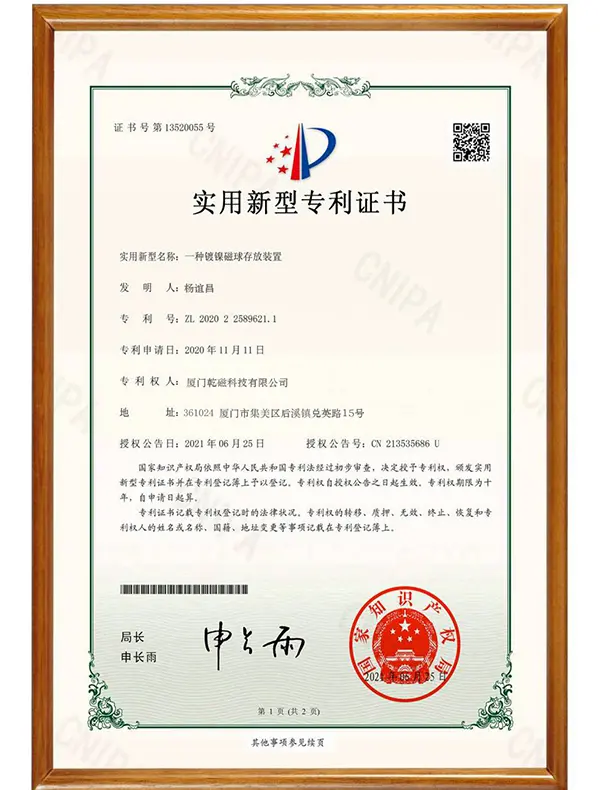
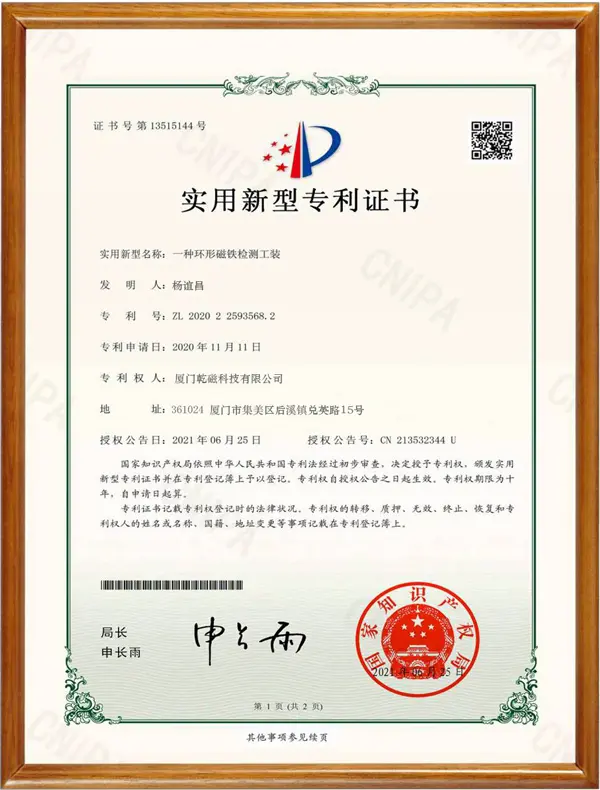
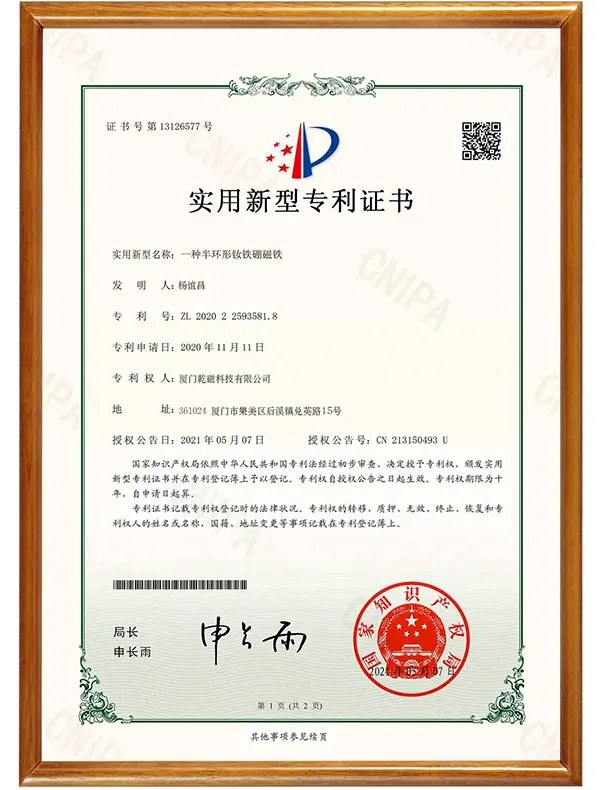
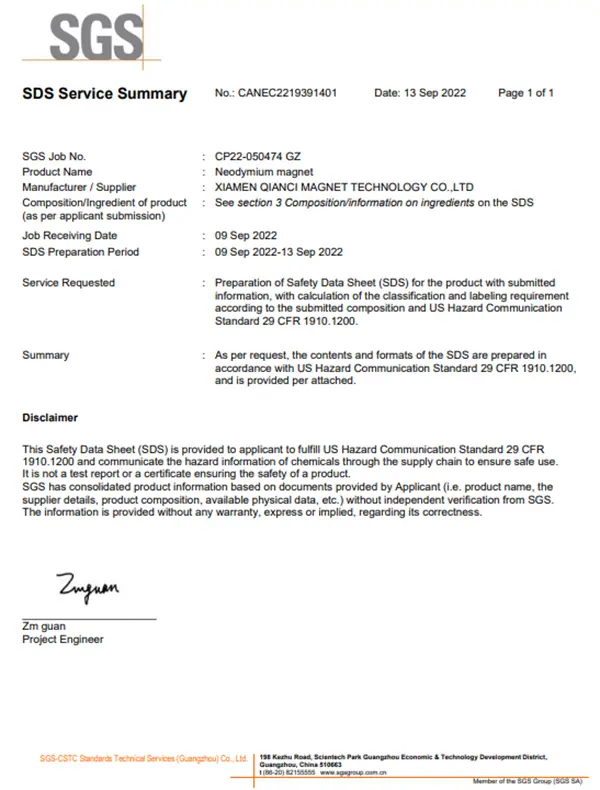
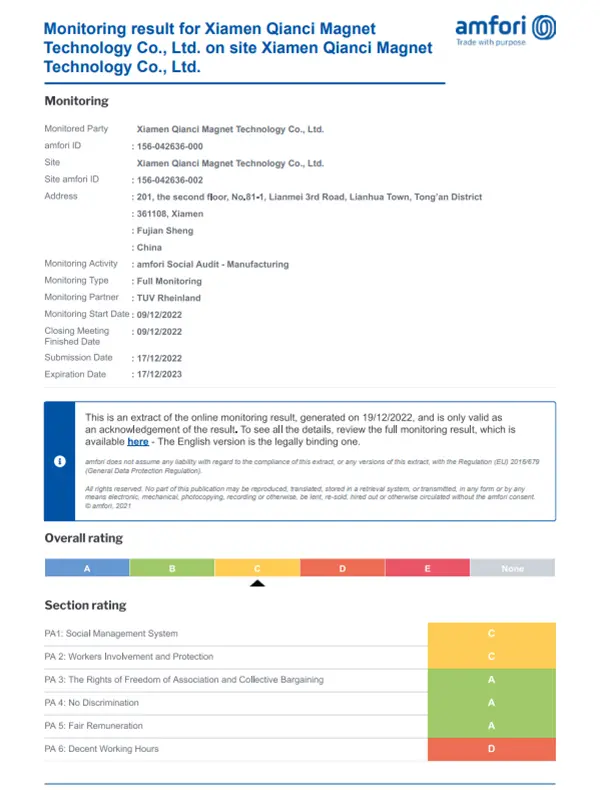
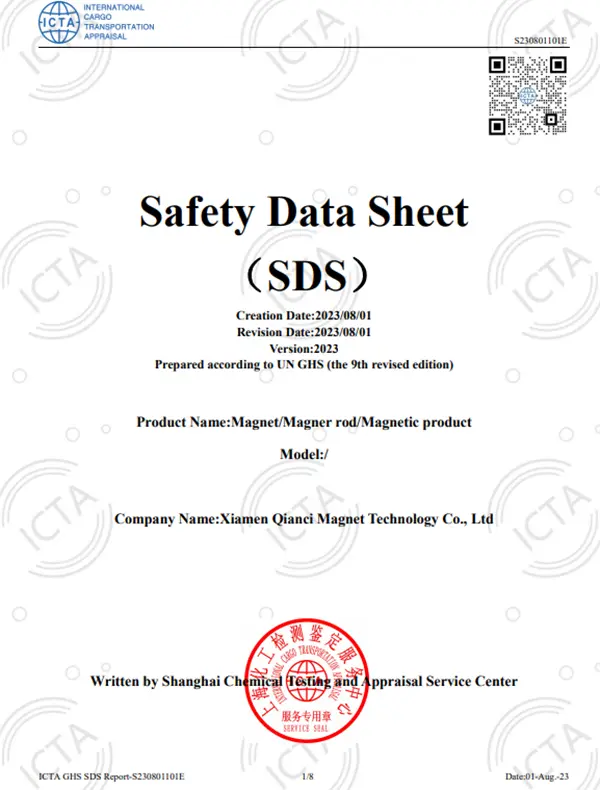
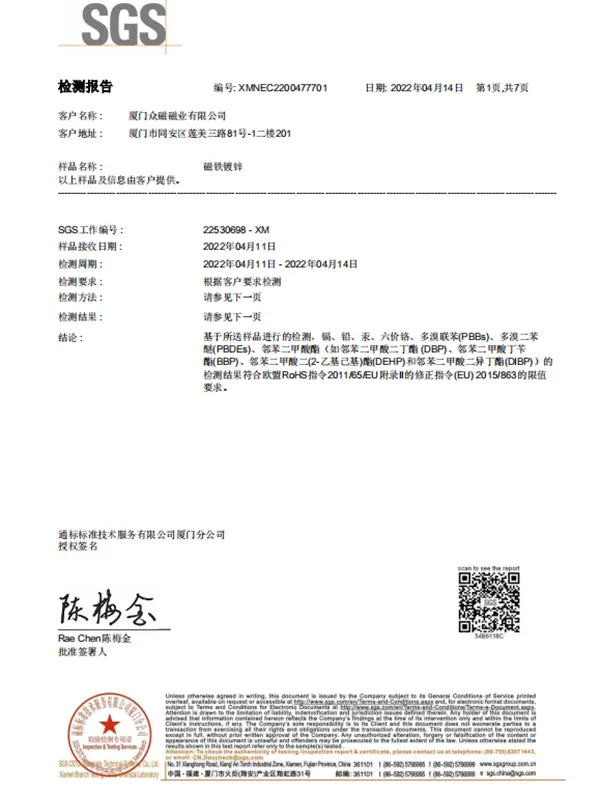
Our production facilities maintain strict quality standards, supported by global trade certifications. Below is a preview of our operational compliance documents.


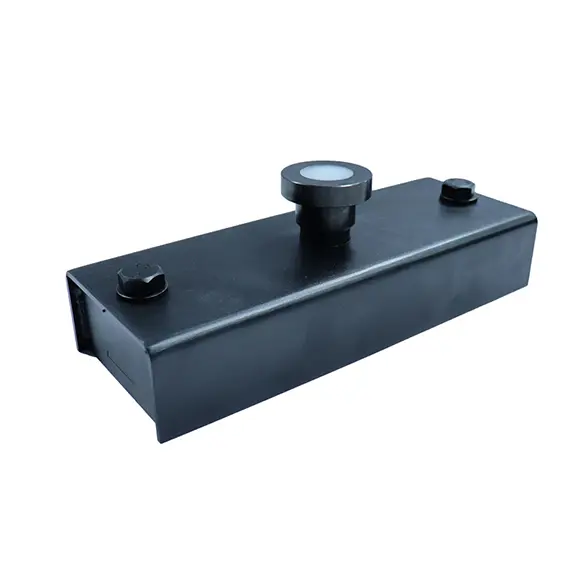
Precast concrete systems use shuttering molds to shape edges and openings on flat surfaces using magnetic fixation, while mold setups support heavier structural framing.

QCM will participate in UK Construction Week 2025 from May 7th to 9th, showcasing its latest magnetic fixing solutions for precast concrete applications.
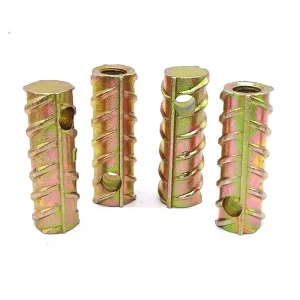
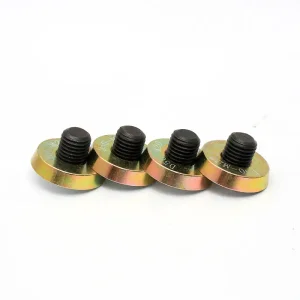
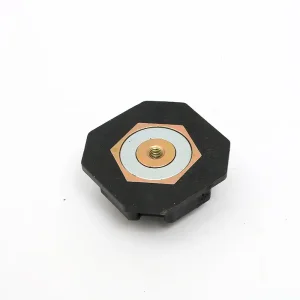
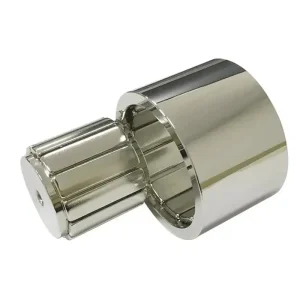
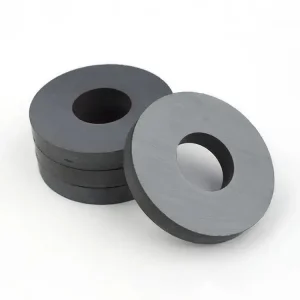
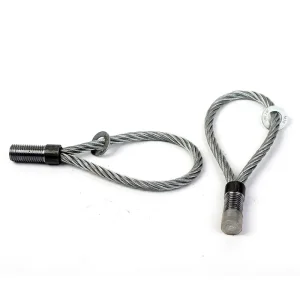
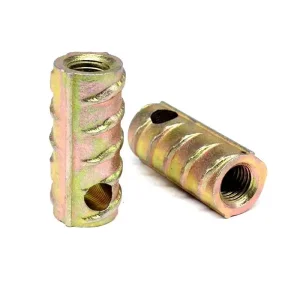
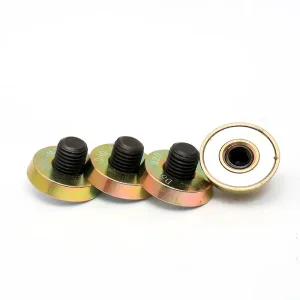
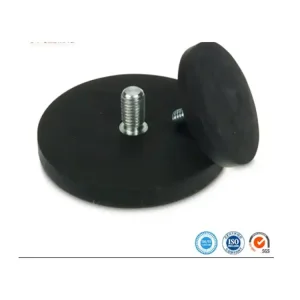
Select NdFeB pot magnets, custom lifting socket inserts, and application-specific magnetic systems.