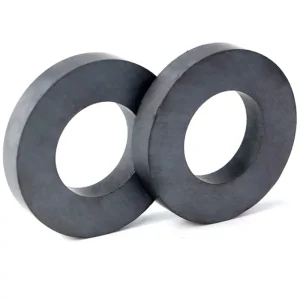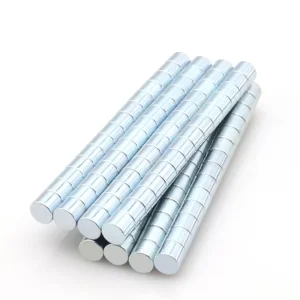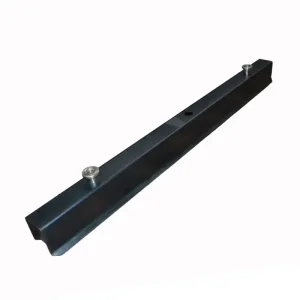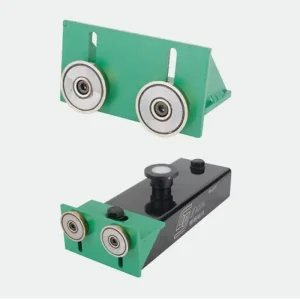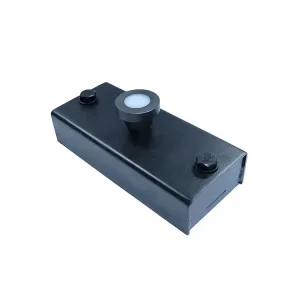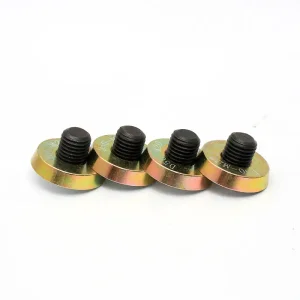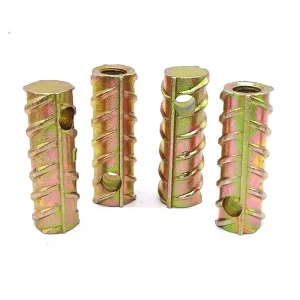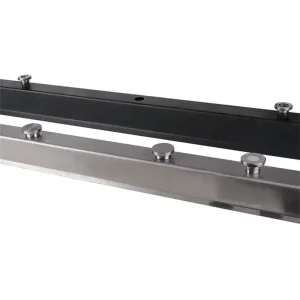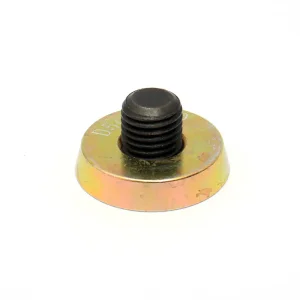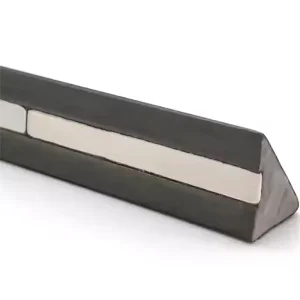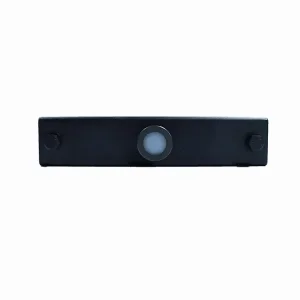
Premium quality threaded concrete inserts and high-capacity magnetic fixing brackets engineered for professional precasters.
Comprehensive engineering analysis of cast-in threaded inserts, load capacities, and industrial application parameters.
In the domain of modern structural engineering, establishing high-integrity, predictable connections in concrete substrates is a primary design requirement. Cast-in threaded inserts for concrete represent the gold standard for creating robust, reusable attachment points within precast elements. Unlike post-installed anchors, which rely on mechanical expansion or adhesive bonding inside a drilled hole, cast-in-place threaded inserts are positioned within the formwork prior to concrete pouring. This strategy preserves the structural integrity of the surrounding matrix, bypasses rebar interference, and establishes a predictable load transfer mechanism based on mechanical interlock.
"By eliminating post-pour drilling and reducing dust and noise pollution, cast-in threaded inserts paired with magnetic positioning components represent a structural evolution that optimizes assembly time while aligning with global green building standards."
The mechanical performance of a threaded concrete insert under tensile loading is governed by concrete cone breakout capacity, steel pull-out resistance, and blow-out limits near edges. The load distribution profile follows a concrete breakout prism, typically calculated at an angle of 35 degrees relative to the horizontal plane. Design calculations under standard frameworks (such as ACI 318 Chapter 17 or Eurocode 2 Part 4) assume that concrete strength ($f'_c$), embedment depth ($h_{ef}$), and edge distances ($c$) dictate the ultimate capacity.
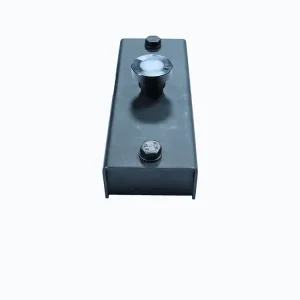
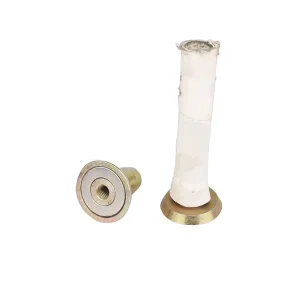
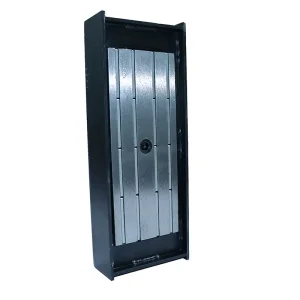
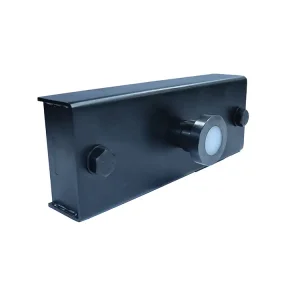
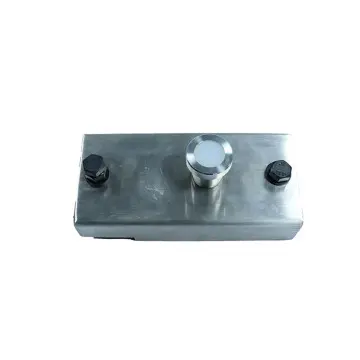
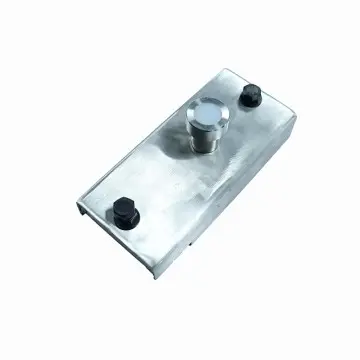
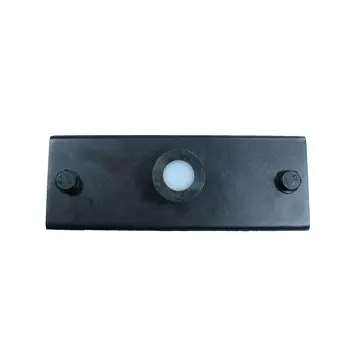
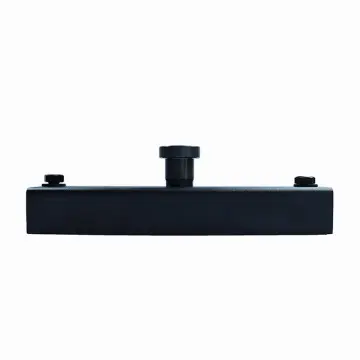
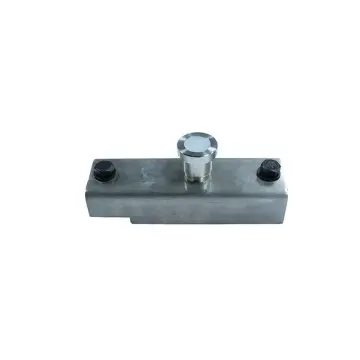
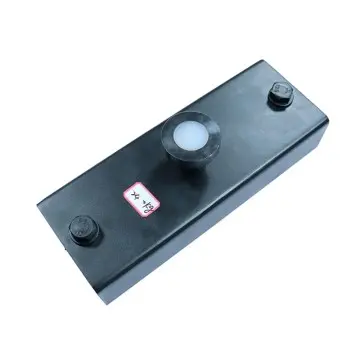
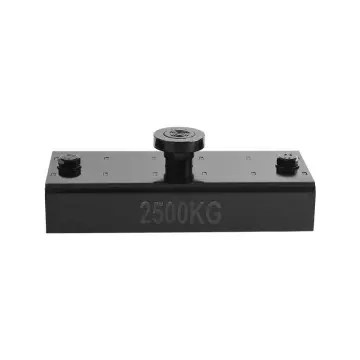
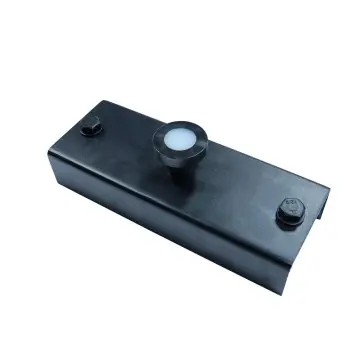
By selecting specialized alloy and carbon steel grades (such as Q235, Q345, SS304, or SS316), exporters can deliver threaded inserts optimized for specific tensile strengths. When casting these inserts, magnetic fixing devices, like the 50 kg Magnetic Fixing Insert Concrete Magnet, ensure the hardware remains orthogonal to the formwork face during vibration and placement. This prevents slurry ingress and misalignment, which could otherwise degrade the load-carrying cross-section of the threads.
| Thread Metric (Size) | Typical Material | Mean Shear Capacity (kN) | Ultimate Tensile Capacity (kN) | Common Application Matrix |
|---|---|---|---|---|
| M10 / M12 | Carbon Steel (Electro-Galvanized) | 12.5 | 18.2 | Light Utility Hangs, Conduit Supports |
| M16 / M20 | Alloy Steel / Hot-Dip Galvanized | 35.4 | 42.8 | Formwork Bracing, Column Alignments |
| M24 / M30 | High-Tensile Carbon Steel / SS316 | 68.1 | 85.6 | Bridge Girders, Heavy Industrial Connections |
| M36 / Rd40 | Premium Grade structural carbon steel | 110.5 | 145.0 | Precast Panel Lifting & Primary Ties |
Analyzing global demand, trade routes, and procurement behaviors for threaded inserts and structural concrete systems.
Rapid urbanization, transit expansions, and modular prefab warehouse construction have accelerated the demand for high-integrity threaded concrete connections. Engineering firms prioritize components that minimize structural repair costs.
Global precast yards are moving away from expendable wood frameworks to precision steel tables. This shift requires magnetic fixing systems (like shuttering magnets and fixing plates) to mount threaded inserts without damaging the steel plates.
B2B procurement teams seek complete structural integrity, mill certificates, and traceability. Industrial buyers require reliable quotes from exporters who understand mechanical anchoring calculations and local regulatory standards.
How physical environments and regional structural codes dictate threaded concrete insert implementation globally.
In the United States and Canada, threaded inserts are evaluated using ACI 318 Chapter 17 provisions for structural concrete anchoring. The core challenge is addressing cyclic load performance in high seismic design categories (C through F). Exporters catering to North American builders must offer certified carbon and stainless steel options with clear traceability records, adhering to ASTM A108 or ASTM A36 structural standards.
The European precast sector is characterized by a high degree of plant automation. Fasteners and cast-in components must match standardized robotic mounting heads. The introduction of EN 1992-4 establishes strict fatigue and design life rules (typically 50 to 100 years). European projects favor CE-marked inserts with detailed product data sheets showing performance ratings in both cracked and uncracked concrete.
In Gulf Cooperation Council (GCC) countries, concrete structures face extreme ambient temperatures and high chloride environments. Threaded inserts are susceptible to accelerated galvanic corrosion if not treated. The regional standard demands hot-dip galvanized (HDG) coating to ASTM A153 specifications, or marine-grade duplex stainless steel (e.g., 1.4462 or SS316). Exporters must ensure their products withstand high-salinity exposures.
Why China's manufacturing clusters represent the primary global hub for high-performance magnetic and structural concrete fixings.
The production of precast concrete accessories requires a combination of steel forging, precision machining, and advanced magnetic engineering. Ningbo and the surrounding Zhejiang industrial clusters feature highly integrated supply chains where raw steel sourcing, precision multi-axis CNC machining, cold-heading, and surface treatment facilities operate in close proximity.
This concentration reduces lead times and allows factories to adapt to custom design requests. Whether a project requires M16 loop box inserts, complex internally threaded sockets with cross pins, or heavy-duty shuttering magnets with 2100kg holding force, Chinese manufacturers can rapidly scale production from prototypes to multi-ton containers.
By consolidating the supply chains for rare-earth magnets (Neodymium-Iron-Boron) and precision structural steels, Chinese exporters like Qianci Magnet offer complete magnetic fixing assemblies that perform consistently in harsh environments. Automated inspection systems, optical grading, and continuous batch testing ensure that parts shipped from Ningbo meet global dimensional and mechanical tolerances.
Innovation horizons in concrete connection technologies, automated plant operations, and material science developments.
Future precast yards will rely on robotic arms to position inserts and magnet boxes. The next generation of fixing systems will feature mechanical triggers that allow robots to lock and release components magnetically, minimizing manual intervention.
As sustainability regulations tighten, buildings must be designed for disassembly and reuse. Cast-in-place threaded inserts allow structural components to be unbolted and re-used, reducing demolition waste.
By embedding passive RFID chips into concrete lifting inserts, logistics teams can track structural elements through production, curing, shipping, and installation. This digitization enhances traceability and quality control.
Discover our latest innovations designed to enhance safety and efficiency in precast concrete yards.
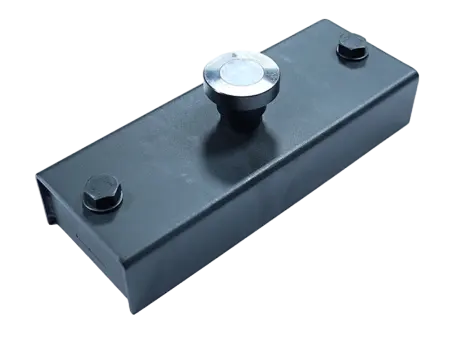
Features a 1600kg series with powerful magnetic force, built for reusability and durability in formwork production.
Learn More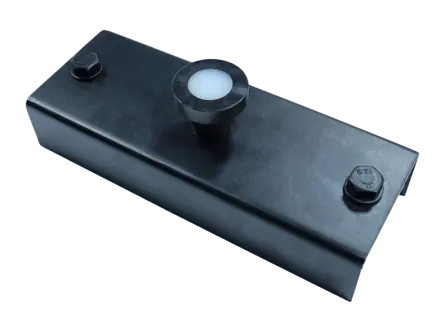
2100kg pull force system designed to increase productivity and maintain tight tolerances in element manufacturing.
Learn More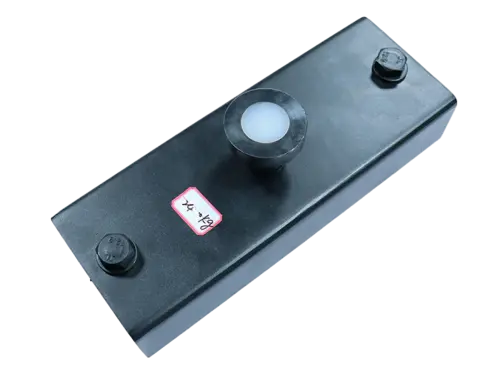
A popular 2400kg capacity magnetic solution in Europe, suitable for residential building walls and structural panels.
Learn More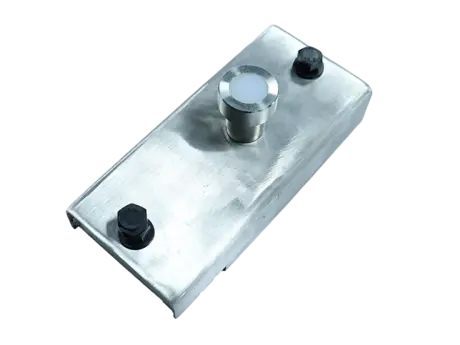
1300kg vertical tensile force neodymium magnet system, commonly used to hold side moldings for flat slabs.
Learn MoreQCM Magnet specializes in offering complete magnetic fixing solutions for the production of precast concrete components. Our primary products include Shuttering Magnets and their corresponding accessories, Formwork Magnets, Magnetic Chamfering Strips, and various pre-embedded insert magnets.
Utilizing magnetic fixing in precast concrete component production prevents damage to the platform, enhances work efficiency, reduces labor costs, and promotes economic efficiency as the magnetic fixing devices are reusable.
Using our expertise in magnetic components and our extensive experience in supporting the production of precast components, we have developed numerous new and practical magnetic fixing products. Our products come with complete specifications, excellent quality, ease of operation, and long service life. Additionally, we can promptly customize a variety of magnetic fixing parts to meet the diverse needs of our customers. We are willing to share our expertise with you to help you solve your specific application needs for magnetic components.

Qianci Magnet is a strong magnetic component factory, specializing in the production and research and development of formwork magnets, magnetic formwork, insert magnets, magnetic concrete chamferers and other products.

Our business mainly involves precast concrete magnetic system solutions, helping you to better carry out concrete element production.

Become a global leading manufacturer and excellent service provider of magnetic solutions for the precast concrete industry.
Explore our core selection of magnetic formwork systems and structural precast components.
Insights, analysis, and news from our team of precast concrete engineering specialists.
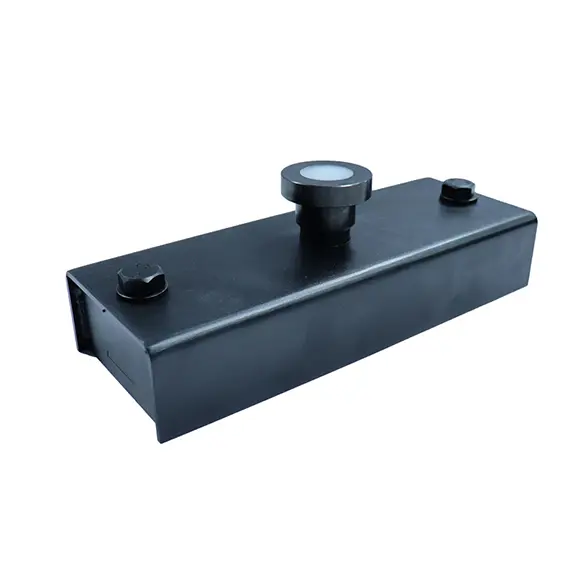
Precast concrete systems: Shuttering molds shape edges/openings on flat surfaces using magnetic fixation, while mold elements define vertical profiles...

QCM, a global leader in magnetic components, will participate in UK Construction Week 2025. From May 7th to 9th, our technical engineering team will display new systems...
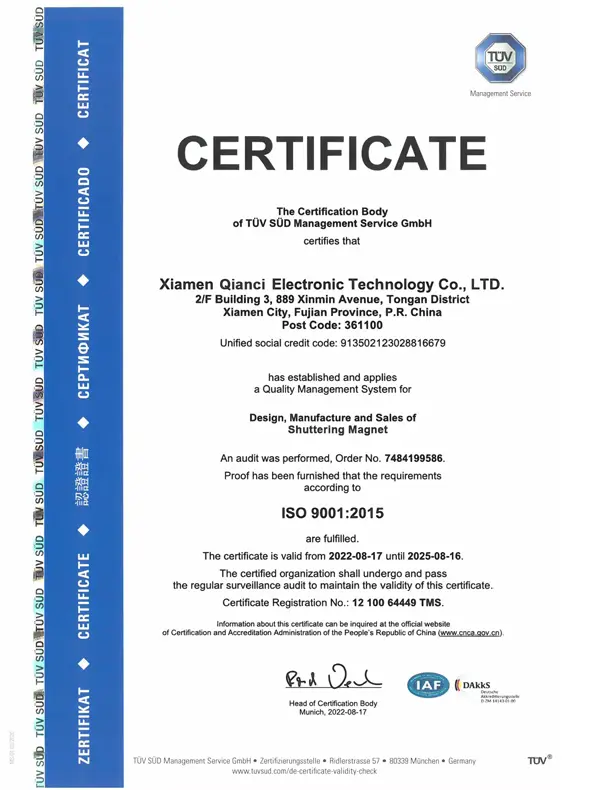
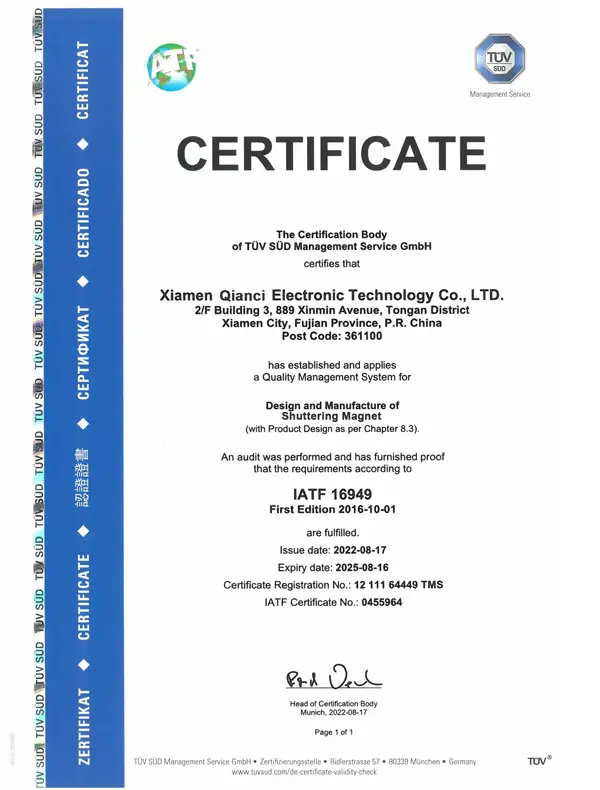
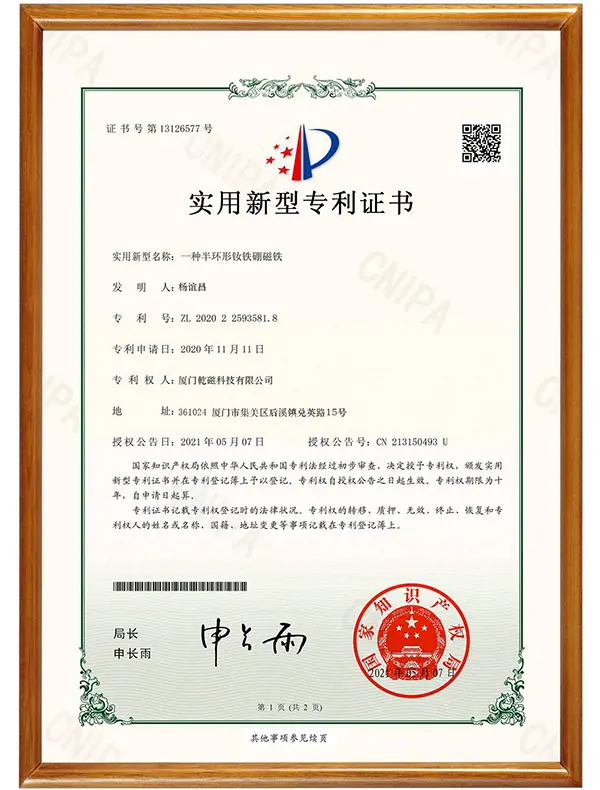
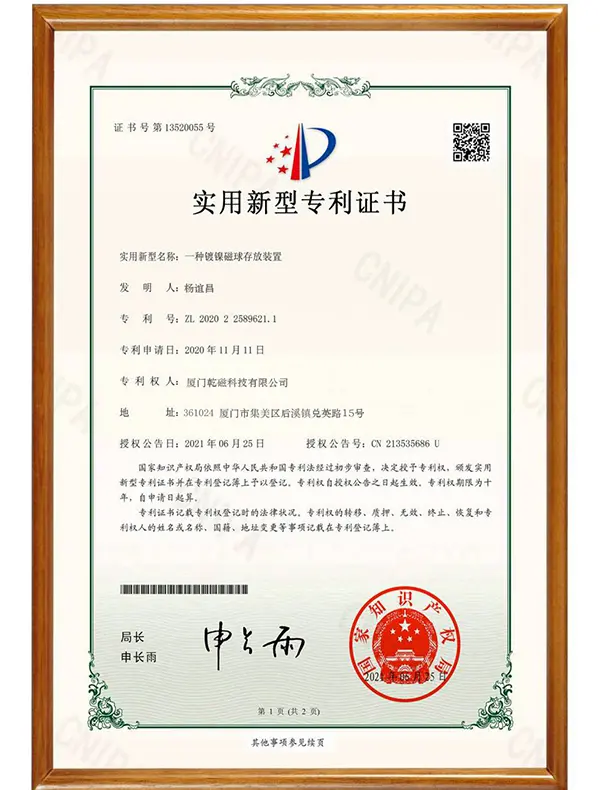
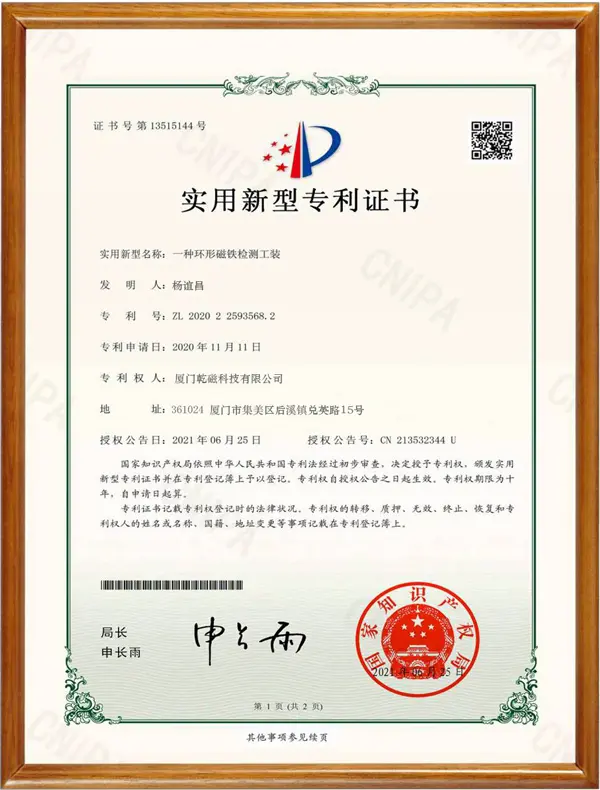
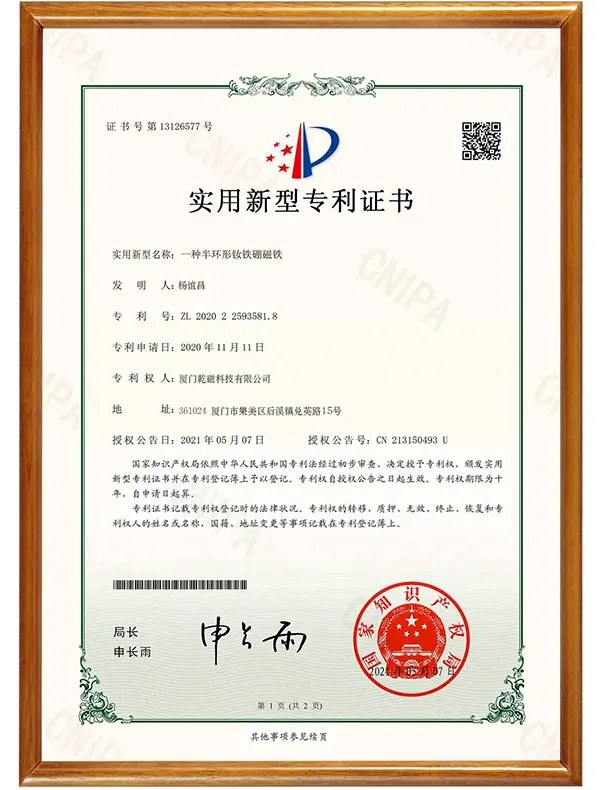
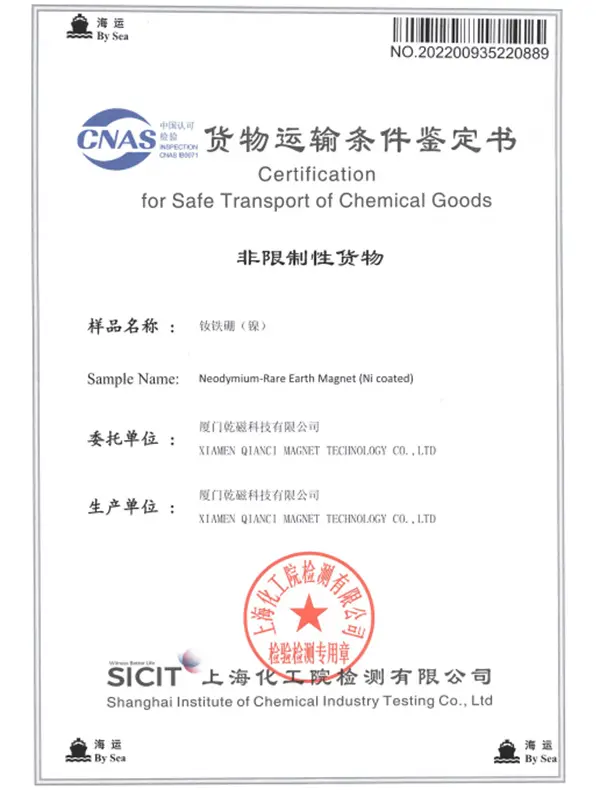
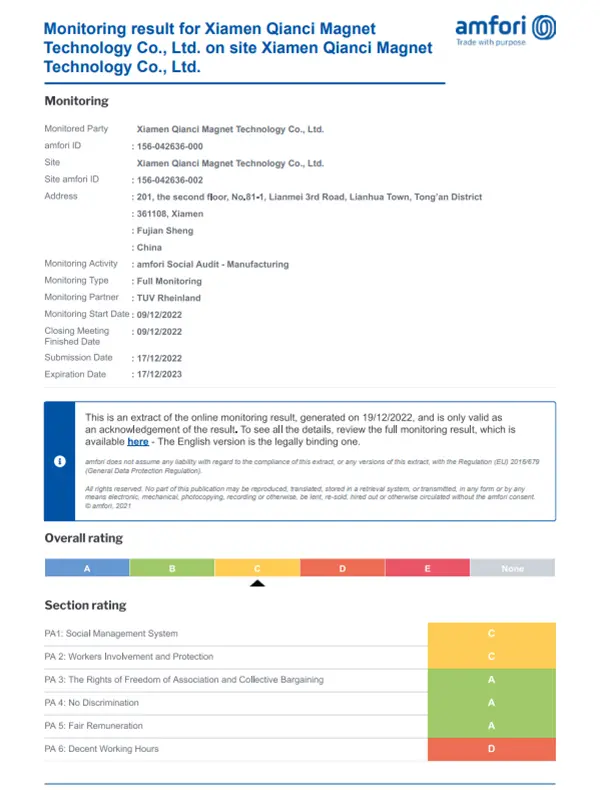
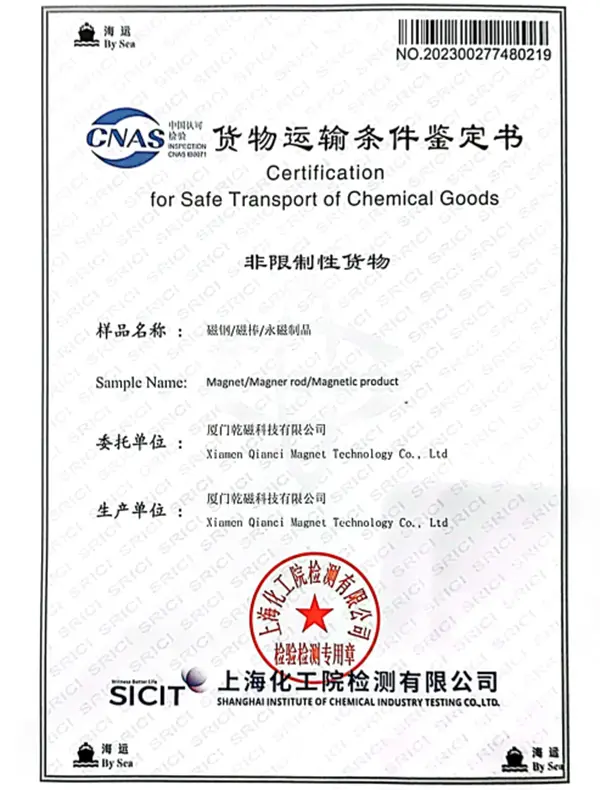
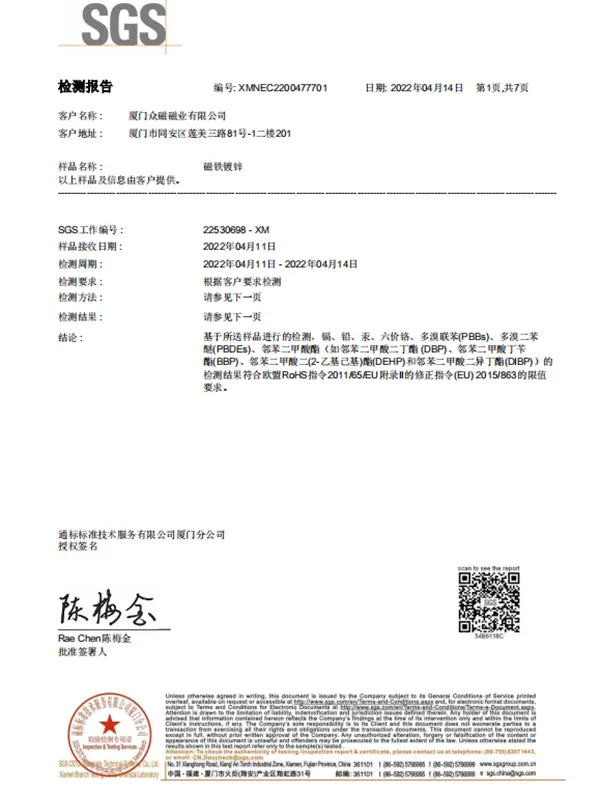
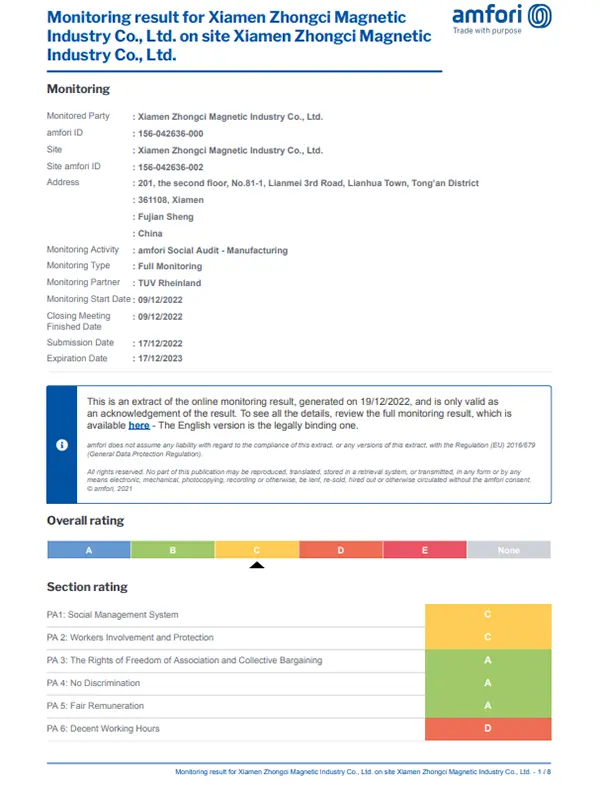
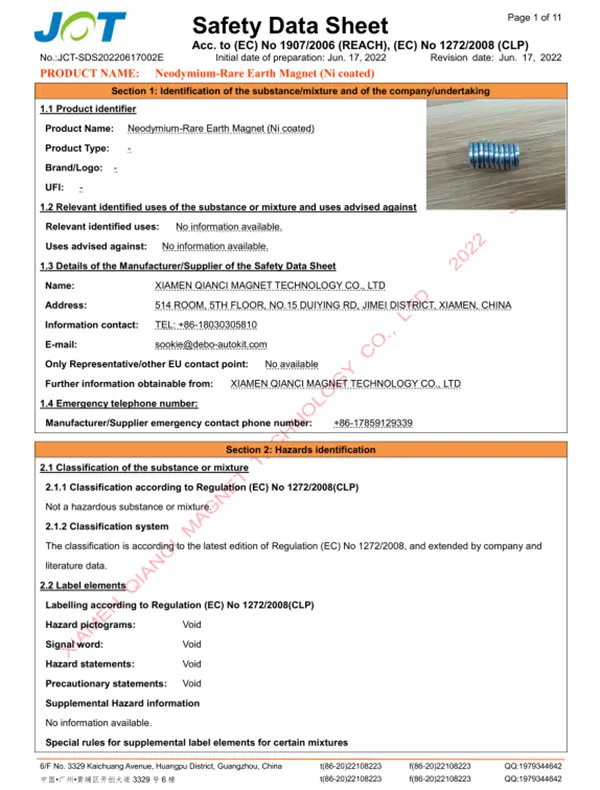
We manufacture products under international structural standards and quality control protocols.
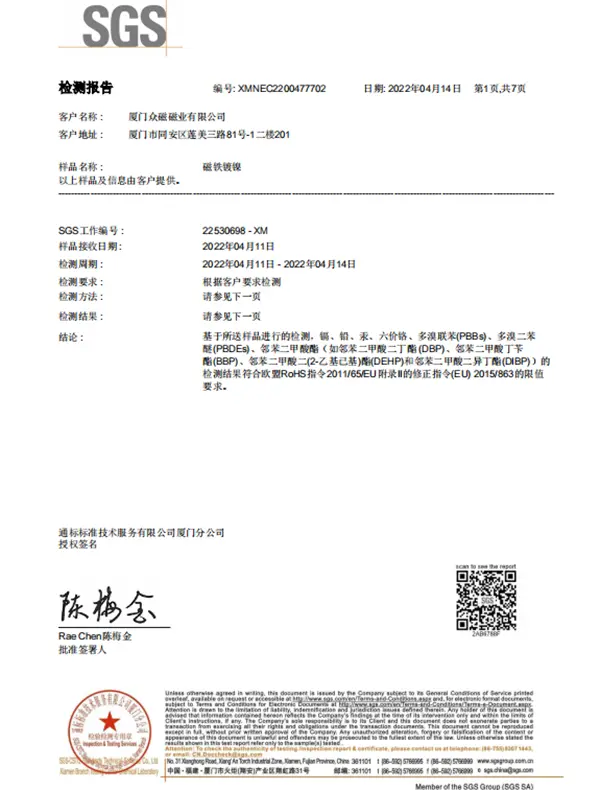
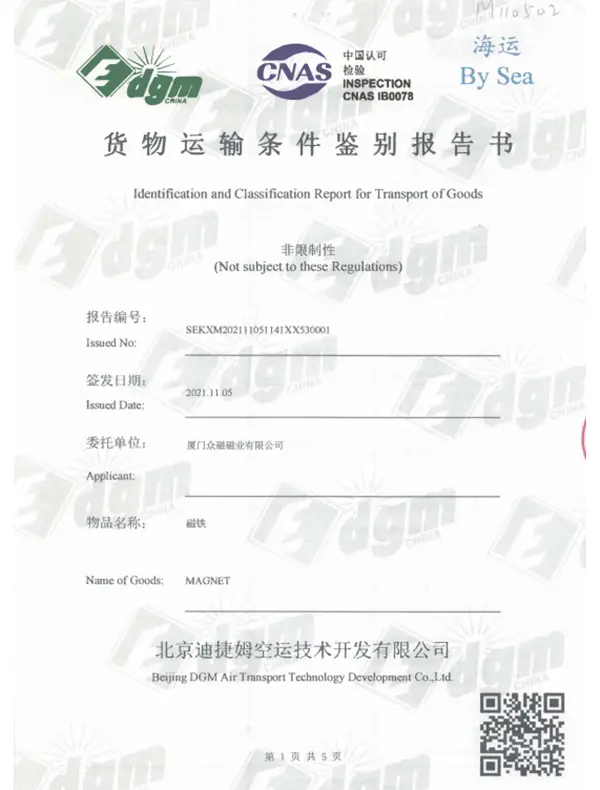
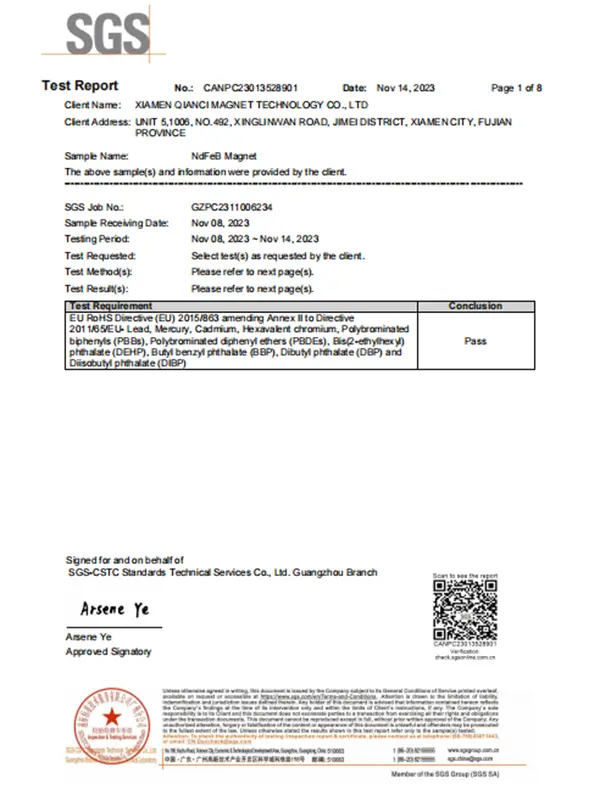



Get answers to technical questions about selection, installation, capacities, and magnetic fixing methods.
Complete your precast setup with our full range of structural attachments, adapters, and magnetic holding systems.