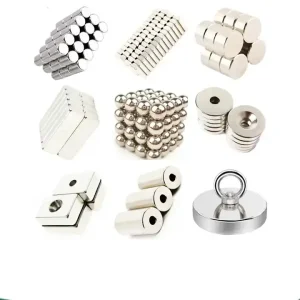
In the current industrial epoch, Neodymium Iron Boron (NdFeB) magnets serve as the silent heart of modern technology. As the most powerful permanent magnets commercially available, their integration into large-scale factories and infrastructure projects has redefined efficiency. The global market, currently valued in the billions, is undergoing a paradigm shift driven by the electrification of transportation and the automation of construction through precast concrete magnetic systems.
Large factories are no longer just vendors; they are Strategic Solution Architects. For sectors like Renewable Energy (Wind Turbines), Aerospace, and Smart Construction, the requirement has evolved from simple magnetism to complex assembly engineering. QCM Magnet, as a leading factory, specializes in these macro-solutions, focusing on the synergy between rare-earth magnetic properties and mechanical housing durability.
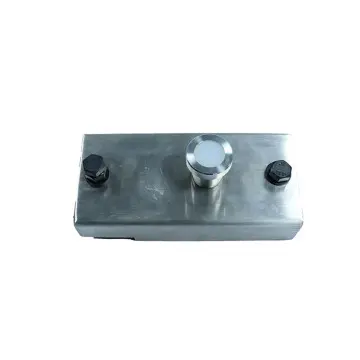
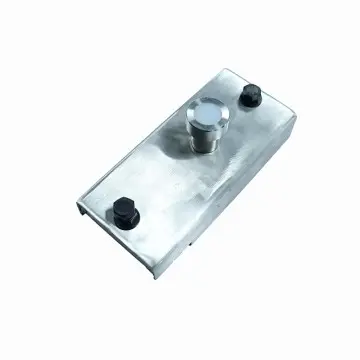
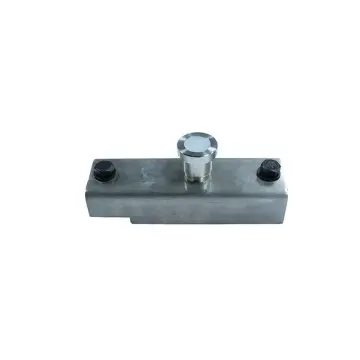
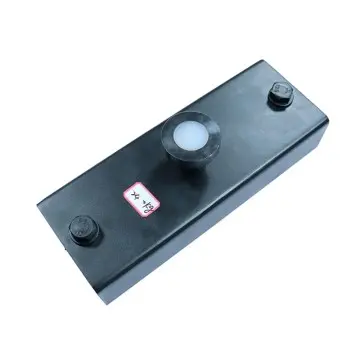
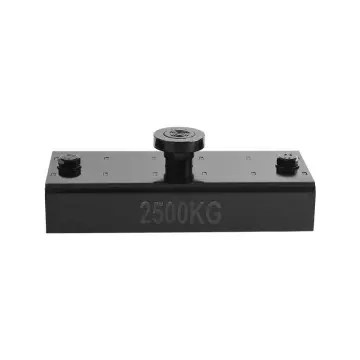
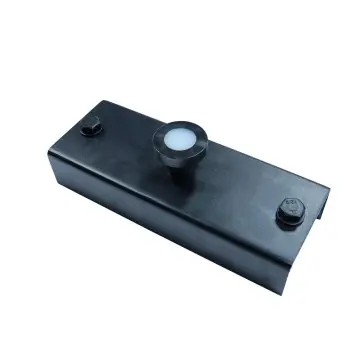
Utilizing high-pull-force shuttering magnets (up to 5500 lbs) allows factories to eliminate welding on steel platforms, extending the life of molds and reducing labor costs by 40%.
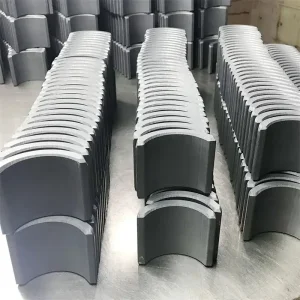
High-coercivity (H, SH, UH grades) Neodymium magnets are essential for EV motors, providing stable torque under extreme thermal conditions, a specialty of our N52H production lines.
Large-scale wind generators utilize Halbach Array assemblies to concentrate magnetic flux, maximizing power output while minimizing the weight of the nacelle.
The supply of Neodymium magnets is inherently tied to global rare earth politics and logistics. Large factories in China now account for over 80% of global production, leveraging vertically integrated supply chains from mine to finished magnet. This proximity to raw materials ensures price stability and innovation velocity. However, the modern buyer looks for more than just raw material—they look for compliance.
Navigating international trade requires rigorous adherence to standards. Top-tier magnet companies provide:
The future of Neodymium Magnet large-scale manufacturing lies in Grain Boundary Diffusion (GBD) technology. This process allows for significantly higher coercivity with lower Dysprosium and Terbium content, making magnets more sustainable and cost-effective. Furthermore, the industry is moving toward "Circular Magnetics"—the recycling and reprocessing of end-of-life magnets back into high-performance industrial components.
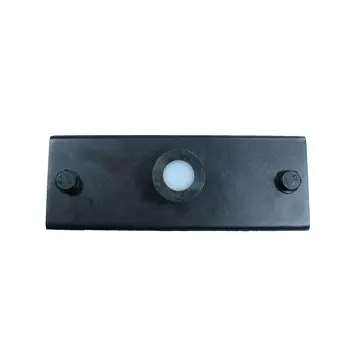
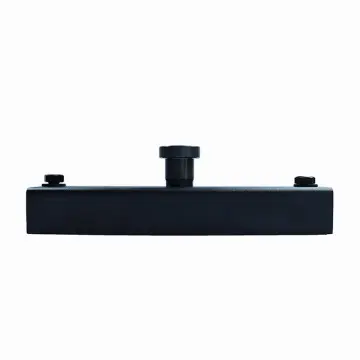
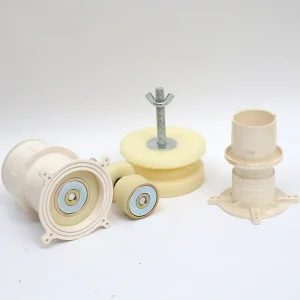
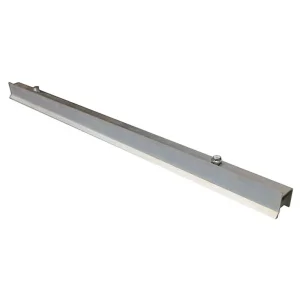
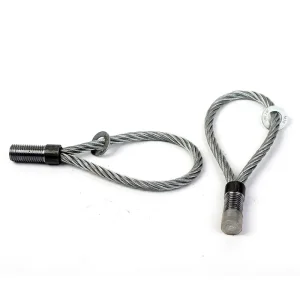
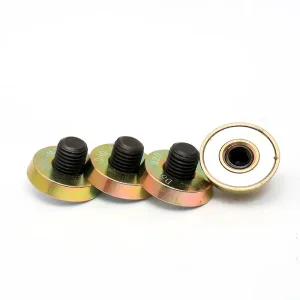
QCM Magnet specializes in offering complete magnetic fixing solutions for the production of precast concrete components. Our primary products include Shuttering Magnets and their corresponding accessories, Formwork Magnets, Magnetic Chamfering Strips, and various pre-embedded insert magnets. Utilizing magnetic fixing in precast concrete component production prevents damage to the platform, enhances work efficiency, reduces labor costs, and promotes economic efficiency as the magnetic fixing devices are reusable.
Using our expertise in magnetic components and our extensive experience in supporting the production of precast components, we have developed numerous new and practical magnetic fixing products. Our products come with complete specifications, excellent quality, ease of operation, and long service life. Additionally, we can promptly customize a variety of magnetic fixing parts to meet the diverse needs of our customers.
Q1: How do you ensure the longevity of Neodymium magnets in harsh construction environments?
A1: We utilize a combination of high-grade NdFeB material with protective steel housings and anti-corrosion coatings (like Zinc or Nickel). For precast concrete, our magnets are sealed with epoxy resin to prevent concrete slurry from entering the magnetic circuit.
Q2: What is the maximum operating temperature for your N52H grade magnets?
A2: N52H magnets are designed to operate efficiently up to 120°C (248°F). For applications exceeding this, we offer SH, UH, or EH grades that can withstand up to 200°C.
Q3: Can your factory handle custom magnetic assembly designs for OEM projects?
A3: Yes, we specialize in OEM/ODM services. Our engineering team uses magnetic simulation software to design Halbach arrays, pot magnets, and complex shuttering systems tailored to specific pull-force requirements.
Q4: Why choose magnetic fixing over traditional welding in precast concrete production?
A4: Magnetic fixing is non-destructive to the steel mold table, allowing it to stay smooth and flat for thousands of uses. It also enables faster mold setup and breakdown, increasing throughput by up to 50%.